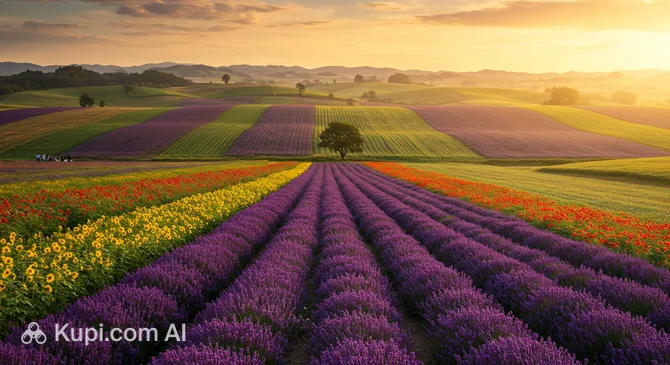
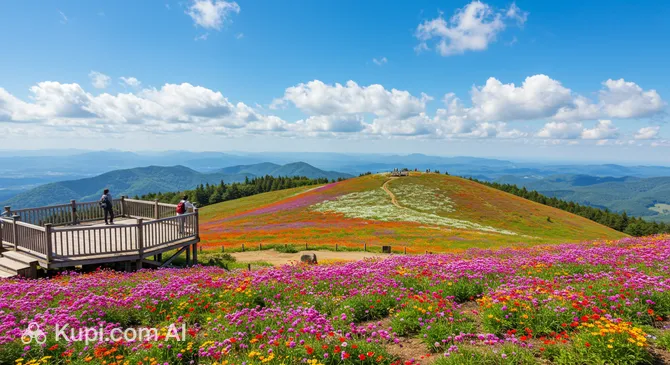
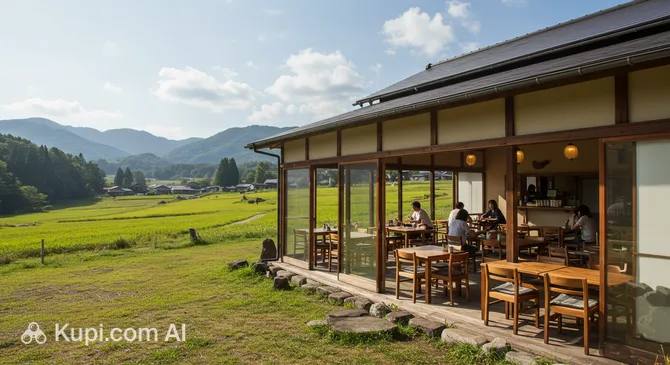
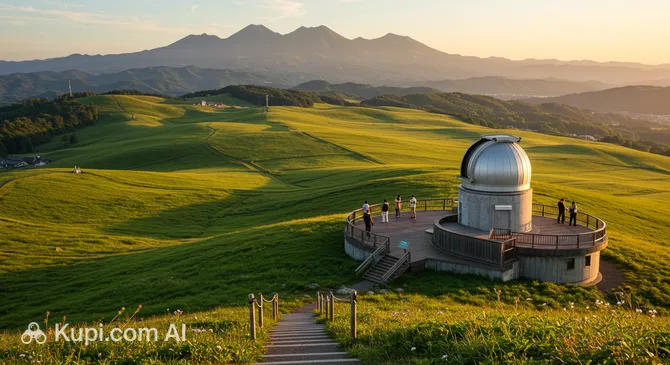
Biei is a truly picturesque corner of Japan, nestled among the rolling hills of Hokkaido. This small town, with a population of just under 10,000, is located about 30 kilometers south of Asahikawa and is famous for its endless landscapes that look as if they were painted in watercolors. Biei is often called the "town of hills," a nickname that perfectly captures its unique atmosphere.
Biei. Illustration.
Source: Kupi.com AI
The main charm of Biei lies in its stunning nature and the opportunity for complete harmony with it. The town attracts travelers from all over the world with its famous "panoramic roads" (Panorama Road and Patchwork Road), which wind through multicolored fields, creating incredible views. Each change of season transforms these landscapes, making them beautiful in new ways. Another iconic landmark is the mystical Blue Pond (Aoiike), whose waters strike visitors with an unnaturally bright turquoise hue that changes depending on the weather and time of day.
Biei is not just an agricultural center; it is a place where you can take a break from the urban bustle, enjoy the silence and the purest Hokkaido air, and take stunning photographs. If you are looking for inspiration, peace, and unforgettable impressions of Japanese nature, Biei is undoubtedly worth a visit.
The weather in Biei is characterized by significant seasonal fluctuations. Winters here are cold, with an average January temperature around -9.1°C and frequent snowfall, although the total precipitation is low (about 3 mm per month, but with many snowy days—up to 27 in December). Spring arrives gradually: it is still cool in March (averaging -1.5°C), but by May, the temperature rises to a comfortable 11.2°C.
Summer in Biei is moderately warm. The warmest months are July and August, with average temperatures around 20°C (maximums can reach 23-24°C). The summer months also see more precipitation, especially in August (7 mm, 18 rainy days). Autumn brings a gradual cooling: September is still quite warm (averaging 15.8°C), but by November, the temperature drops to 1.5°C, and the number of rainy/snowy days increases again. Expect cold, snowy winters and moderately warm summers with regular precipitation. To find out more details, study the detailed Biei climate.
Average monthly temperature
Average monthly precipitation
Interesting Facts
Beyond its world-famous pastoral landscapes, the town of Biei in Hokkaido hides many surprising details and stories that make it even more attractive to travelers. Here are just a few curious facts about this charming place:
Christmas Tree. Illustration.
Source: Kupi.com AI
Traveler photos:
One of the most mystical and photographed attractions in the Biei area is the Blue Pond (Aoiike). Its water has an incredible azure hue due to natural minerals and can change color depending on the weather and time of day. This pond gained worldwide fame after its image was included as a standard wallpaper for one of Apple's operating systems.
Biei has an entire culture of "symbol trees." These are trees standing alone on the hills, each having its own name and story, becoming popular subjects for photographers. Examples include the Christmas Tree, as well as the famous "Ken and Mary Tree" or the "Parents and Child Trees."
Biei's stunning rolling landscapes are so photogenic that their images are often used for Japanese calendars, postcards, and advertising posters. Some of these landscapes, such as the famous Mild Seven Hill, received their names thanks to advertisements for famous brands filmed against their backdrop.
Biei is famous not only for its landscapes but also for its seasonal festivals. In summer, colorful flower parades and fairs take place here, and local residents happily share their traditions of hospitality, offering tourists craft workshops and a glimpse into farming life.
How to Get There
When planning a trip across the picturesque island of Hokkaido, it is important to map out your route and find out how to get to Biei. Since the town does not have its own airport, tourists usually arrive at nearby major transport hubs and then continue their journey by land transport.
The most convenient arrival option is Asahikawa Airport (AKJ), located in the city of Asahikawa. This is the nearest air gateway, situated just 9.4 km from the center of Biei. Although the airport is not directly within the Biei town limits, its proximity makes it an ideal choice: a taxi ride or a trip in a rental car will take only about 15–20 minutes. Direct buses also run from here, connecting the airport with popular tourist spots in the region.
If you are flying on an international flight or from remote corners of Japan, your point of arrival will likely be New Chitose Airport (CTS). It is located in the city of Sapporo, approximately 110 km from Biei. This is Hokkaido's largest aviation hub with a huge passenger flow. The journey from here to Biei will take more time: by JR train with a transfer in Sapporo or Asahikawa, the trip takes about 2.5–3 hours, and by car, it takes about 2 hours via expressways.
For convenience, here is summary information on the main airports:
The town of Biei, located in the scenic expanse of Hokkaido, is famous for its peaceful landscapes and unique natural sites. Here, every corner breathes tranquility and beauty, attracting photographers and travelers from around the globe. Among the many interesting spots, several attractions stand out as must-sees for your itinerary.
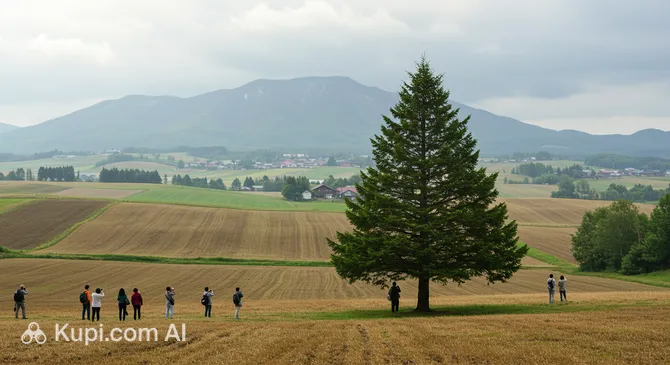
One of the most photographed and symbolic landmarks is the Christmas Tree in Biei. This solitary tree standing in the middle of vast fields looks incredibly picturesque at any time of year, but it is especially impressive in winter when covered in snow. Its solitary majesty creates an almost meditative atmosphere and is a favorite subject for photographers.
Christmas Tree. Illustration.
Source: Kupi.com AI
Traveler photos:
Equally famous is Zerubu Hill (Zerb no Oka). This hill is a colorful carpet of various flowers planted in neat rows, creating stunning patterns. From the top of the hill, magnificent panoramic views of the surrounding fields and the Tokachi mountains open up. Here, you can stroll through flower alleys or take a ride on a special tractor train while enjoying the aromas and vibrant colors.
Zerubu Hill. Illustration.
Source: Kupi.com AI
Traveler photos:
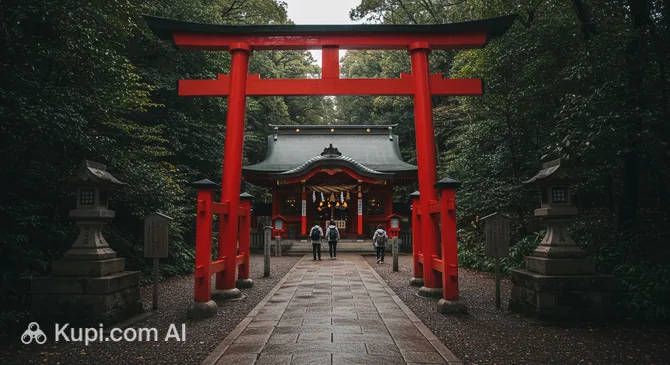
For those interested in local culture and spirituality, the Biei Shrine is well worth a visit. This small but very cozy Shinto shrine is an important spiritual center for local residents. It is surrounded by old trees, giving it a special atmosphere of peace and serenity. A visit to the shrine allows you to touch traditional Japanese culture and enjoy the silence.
Biei Shrine. Illustration.
Source: Kupi.com AI
Traveler photos:
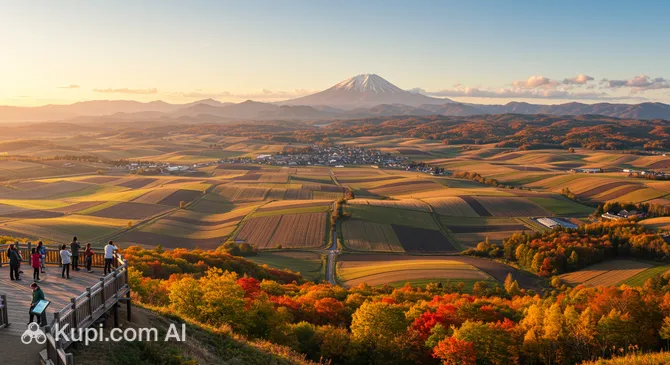
Another place offering breathtaking views is the Shinei-no-oka View Park. From this point, Biei's famous "patchwork" fields are perfectly visible; thanks to the variety of crops grown, they create a unique mosaic landscape. The park is especially popular at sunset when the rays of the departing sun paint the landscape in warm tones.
Shinei Hill Observatory Park. Illustration.
Source: Kupi.com AI
Traveler photos:
Local Cuisine
The gastronomy of Biei is a true celebration of freshness and natural flavors, as the town is famous for its farm products. The foundation of local cuisine is vegetables grown in the fertile fields of Hokkaido: potatoes, corn, and asparagus are particularly good here. The region is also known for its excellent dairy products—be sure to try the butter, cheeses, and, of course, the soft-serve ice cream made from the milk of cows grazing in the picturesque meadows of Biei.
One of the main culinary symbols of the town is "Biei Curry." This hearty and aromatic dish is prepared from local vegetables and meat according to a special recipe, and it should definitely be on your tasting list. In addition to curry, enjoy the freshest salads and soups made from seasonal vegetables that seem as if they were just harvested from the garden. Those with a sweet tooth will enjoy the local ice cream and yogurts, which are often produced right on the farms—they are distinguished by their rich taste and naturalness. At farm markets, you can find homemade jams, aromatic honey, and fresh pastries made from local ingredients.
Speaking of drinks, in Biei, as throughout Japan, you can always enjoy high-quality green tea. Given the region's agricultural focus, it's worth paying attention to freshly squeezed juices or drinks based on local berries and fruits when they are in season. Among alcoholic beverages, you can find traditional sake, which will complement your Japanese dining experience.
The food culture in Biei is closely linked to the "farm-to-table" concept. Locals and tourists prefer restaurants and cafes that cook with fresh local ingredients. One such place where you can appreciate the region's bounty is BeACafe. In summer, Biei often hosts gastronomic festivals and fresh vegetable and fruit fairs, where you can not only try various dishes from local chefs but also learn the secrets of preparing traditional treats. This is a great opportunity to dive deeper into the region's culinary world and take home delicious souvenirs.
BeACafe. Illustration.
Source: Kupi.com AI
Traveler photos:
Travel Tips
Welcome to Biei, the jewel of Hokkaido! To make your journey through these picturesque hills and valleys as comfortable and memorable as possible, we have prepared some practical tips. They will help you better navigate and enjoy every moment in this amazing corner of Japan.
Clothing and Essentials:
The climate in Biei, like all of Hokkaido, has distinct seasons. In summer (June-August), choose light clothing, but don't forget a hat, sunglasses, and sunscreen, as the sun can be strong. In spring (April-May) and autumn (September-October), the weather is changeable, so dress in layers; a light jacket or windbreaker will come in handy. Winter (November-March) here is snowy and frosty—very warm clothing is necessary, including thermal underwear, a hat, gloves, a scarf, and waterproof warm shoes. A key wardrobe element at any time of year is comfortable shoes for walking in hilly terrain. Don't forget an adapter for electrical appliances (in Japan, Type A sockets are used, voltage is 100V) and a power bank, as you will likely spend a lot of time outdoors taking photos.
Transportation around Biei and Surrounding Areas:
For a full exploration of Biei's beauty, such as the famous Patchwork Road and Panorama Road hills, renting a car is highly recommended. This will give you the freedom of movement and the ability to stop at places you like. Remember that Japan has left-hand traffic, and to rent a car, you will need an International Driving Permit with an official Japanese translation. Public transport in the form of local buses exists, but the routes and schedules may not always be convenient for tourists. In summer, bicycle rentals are popular for exploring the immediate vicinity. Taxis are available but can be expensive for long sightseeing trips.
Financial Matters:
The local currency is the Japanese Yen (JPY, ¥). It is best to exchange currency at the airport upon arrival or at banks in major cities, as exchange opportunities in Biei itself may be limited. Credit and debit cards (Visa, Mastercard) are accepted in most hotels, large stores, and some restaurants. However, it is always useful to carry a sufficient amount of cash, especially for small cafes, local shops, and farm markets. ATMs where you can withdraw cash with international cards are most often found in 7-Eleven stores (Seven Bank) and at post offices (JP Post Bank). Tipping in Japan is not practiced and may be perceived as impolite.
Health and Safety:
Biei is a very safe place with a low crime rate. The main precautions are related to nature: be careful on the roads, especially in winter, and do not approach wild animals. Pharmacies (kusuriya) are available, but it is better to bring a set of your usual medications, as not all staff speak English. Be sure to get travel medical insurance before your trip. If medical assistance is needed, you can turn to local clinics; for serious cases, a trip to the larger city of Asahikawa may be required. Important: respect private property and do not enter farm fields without permission—this can damage crops.
Communication and Connectivity:
The official language is Japanese. The level of English proficiency among the local population may be low, especially outside of tourist sites. Learn a few basic phrases: "Konnichiwa" (Hello/Good day), "Arigato" (Thank you), "Sumimasen" (Excuse me/Sorry). For internet access, it is recommended to purchase a local SIM card or rent a portable Wi-Fi router at the airport. Free Wi-Fi is available in some hotels and cafes. Translation apps and maps, such as Google Maps, will be useful.
Local Etiquette and Traditions:
Japanese people highly value politeness and respect for rules. When greeting, a slight bow is appropriate. In public places, especially on transport, try to speak quietly and not disturb others. It is not common to eat or drink while walking on the street. Remove your shoes when entering homes, some temples, and traditional restaurants (ryokans). Treat nature with care and take your trash with you, as there may be few trash cans on the streets. When photographing people, always ask for permission.
What to Avoid:
The main rule in Biei is do not trespass on private farm fields for photography or walks, even if they look very tempting. This is private property, and walking on them damages the crops and the farmers' hard work. Use specially equipped observation platforms and roads. Also, remember that tipping is not customary in Japan—it may embarrass the staff.
Extra Tip—Enjoy the Local Cuisine:
Hokkaido is famous for its fresh products. Be sure to try local vegetables, especially asparagus, potatoes, and corn in season, as well as dairy products, including ice cream. Biei has several cozy cafes and restaurants where you can taste dishes made from local ingredients, such as curry or ramen. This is a great way to get a deeper look at the region's culture.
We hope these tips will make your stay in Biei even more pleasant and worry-free. Enjoy the incredible scenery, clean air, and hospitality of this unique place!
Entertainment & Nightlife
Biei, known for its picturesque Hokkaido landscapes, offers guests a calm and peaceful evening rest rather than the vibrant nightlife typical of large metropolises. You won't find noisy night clubs or busy districts with bars open until dawn here. Evenings in Biei are the perfect time to enjoy the silence, delicious food, and the beauty of the surrounding nature after a busy day.
The core of evening entertainment in Biei consists of cozy restaurants and cafes where you can have a pleasant time over dinner. For instance, you can visit BeACafe or other similar establishments to enjoy local cuisine in a quiet setting. Many of them take pride in dishes prepared from fresh local products. The atmosphere in such places is usually relaxed and welcoming, ideal for winding down. Most restaurants are open until late evening, but keep in mind they may close earlier than those in big cities. The dress code is generally casual. Prices in these establishments may vary but generally reflect the quality of ingredients and the cozy atmosphere.
BeACafe. Illustration.
Source: Kupi.com AI
Traveler photos:
Instead of traditional nightclubs or loud bars, which are virtually non-existent in Biei, the town offers unique opportunities for evening leisure. In clear weather, you can admire an incredibly starry sky here, as light pollution is minimal—this is one of the unofficial entertainments provided by local nature. Quiet walks through the town's peaceful streets can also be a pleasant way to end the day, allowing you to fully feel the serenity of this place.
Regarding practical matters, it is best to rely on taxis for moving around Biei in the evening, as public transport may have limited schedules. It is recommended to book a taxi in advance, especially if you plan to return to your hotel late. Biei, like most small towns in Japan, is a very safe place, but it is always worth taking standard precautions, especially if you are walking in less-lit areas after dark.
During the day, Biei transforms, offering tourists many activities. The town and its surroundings are famous for their flower fields, such as those at Zerubu Hill, and the panoramic views from observation platforms like Shinei-no-oka View Park or Hokusei-no-oka Observatory Park. You can also visit the Biei Shrine or see the famous Christmas Tree in Biei. These attractions make Biei a wonderful place for daytime exploration and enjoying nature.
Parks & Museums
Biei, located in the heart of Hokkaido, offers travelers not so much classic city museums as a unique immersion into a world of stunning natural landscapes, which are themselves the main attractions. Nevertheless, there are charming parks and places that reflect the local culture here.
Among the green zones that are a must-visit, Zerubu Hill (Zerubu Hill & Atomu no Oka) stands out. This picturesque spot is famous for its flower fields, which change colors depending on the season, and offers beautiful views of the surrounding landscapes. Another iconic place is Shinei-no-oka View Park, which provides panoramic views of the Biei hills, especially impressive at sunset. Equally noteworthy is Hokusei-no-oka Observatory Park with its distinctive pyramidal observation deck, from which you can also admire the colorful fields, including lavender during the season.
Hokusei Hill Observatory Park. Illustration.
Source: Kupi.com AI
Traveler photos:
Although Biei does not have large museums or world-class art galleries, the town's cultural heritage can be felt by visiting local shrines. One such place is the Biei Shrine. This peaceful shrine allows you to touch the spiritual life of the region and enjoy silence and tranquility.
For those looking for authentic experiences and unique photo spots, Biei offers several interesting objects. One of the most photographed symbols of the region is the Christmas Tree in Biei—a solitary tree in the middle of a field that has become famous for its picturesque look at any time of year. It's also worth paying attention to local farm markets and small craft shops where you can find unique souvenirs and products.
Many travelers come to Biei specifically for its landscapes, which are often compared to a patchwork quilt due to the alternating multicolored fields. A walk or bike ride along the "Patchwork Road" or "Panorama Road" will provide unforgettable impressions and allow you to fully appreciate the beauty of this corner of Japan.
Getting Around
Biei, a charming town known for its picturesque hills and fields, is best explored by combining various modes of transport. Given its rural character, planning your movements in advance will help make your trip as comfortable as possible.
The main way to reach Biei and move around the vicinity is by JR (Japan Railways) trains. Biei Station is on the JR Furano Line, which connects the town to major transport hubs like Asahikawa and Furano. Trains run regularly, but it's worth checking the schedule, especially if you plan to travel early in the morning or late in the evening.
Bus service in Biei is represented by local routes that can be useful for reaching certain points. However, tourists are particularly interested in seasonal sightseeing buses, such as the Twinkle Bus Biei (usually operating during the warm season). These buses offer routes through the famous Patchwork Road and Panorama Road, allowing you to see the region's main beauties without needing to rent a car. Tickets for such buses often need to be purchased in advance at JR stations.
The payment system for public transport in Biei is fairly simple. For JR trains, tickets can be bought at ticket offices or machines at the stations. In the Hokkaido region, IC cards (such as Kitaca, Suica, Pasmo) are also accepted and can be topped up and used for trains and some buses. For local buses not part of the IC card system, payment is usually made in cash to the driver upon boarding or exiting. It is recommended to carry small change.
Perhaps the most popular way to explore Biei's hilly landscapes is by renting a bicycle. Many rental shops are located near Biei Station, offering regular and electric bicycles. Given the hilly terrain, an electric bike is an excellent choice, allowing you to enjoy the views without extra effort. Cycling routes are well-marked and lead to all the main observation platforms.
For more flexibility and the opportunity to explore more remote corners of the region, you might consider renting a car. Rental company offices are located in Biei and the neighboring city of Asahikawa. This is particularly convenient for families or small groups. Taxis are also available in Biei; they can be found at the station or called by phone, but this mode of transport will be significantly more expensive, especially for long trips to attractions.
Tourists are recommended to always check the current train and bus schedules, especially outside of peak season, as the frequency of trips may be reduced. If you plan to use sightseeing buses or rent a car during a popular time, it is better to book these services in advance.
Accommodation
When planning a trip to charming Biei, you will find that the choice of accommodation reflects the peaceful atmosphere of this corner of Japan. Various options are available to tourists: from cozy family guest houses (minshuku) and traditional Japanese inns (ryokans), where you can get a deeper look at the local culture, to small European-style hotels (pensions), often located in scenic spots. You can also find apartment or cottage rentals, which are convenient for families or groups desiring more privacy.
Regarding areas to stay, many travelers prefer to stay near Biei Railway Station. This provides easy access to transport for exploring the surrounding hills and famous flower fields. Another popular choice is staying in small hotels and pensions scattered among the rolling landscapes of Patchwork Road or Panorama Road, which offer breathtaking views and an atmosphere of tranquility. Such places are ideal for those seeking solitude and wanting to enjoy nature.
In Biei, you will find accommodation for every taste and budget—from budget options to more comfortable hotels. Although there are few large chain hotels here, local inns and pensions offer a high level of service and hospitality, often emphasizing home comfort and dishes made from local products.
We recommend booking accommodation in Biei well in advance, especially if your trip coincides with peak seasons—summer (the lavender and flower blooming period) and autumn (the season of vibrant colors). At these times, the demand for accommodation increases significantly. Booking is easy to do through popular international and Japanese online platforms, as well as by contacting the chosen hotel or guest house directly.
Nearby Cities
For those who want to explore the surroundings, Biei serves as an excellent starting point for day trips to several interesting nearby locations. For example, Asahikawa, Hokkaido's second-largest city, is located just 22 km away and attracts visitors with its world-famous Asahiyama Zoo, where animals are kept in conditions as close to natural as possible, delicious local ramen, and an impressive winter festival of snow sculptures. Another interesting option is Takikawa (about 45 km), which delights the eye with endless yellow fields of blooming rapeseed in spring and is known as the center of gliding in Hokkaido. Another city worth noting is Iwamizawa (about 71 km), where you can learn about the region's coal mining history in themed museums and relax in the extensive Iwamizawa Park, famous for its rose garden and various recreation zones. These and other cities in the region offer diverse opportunities for short trips.
Below is a table with additional information on some settlements near Biei that may also be of interest for day trips:
These nearby destinations allow for a more complete understanding of the diverse culture, history, and picturesque landscapes of the Hokkaido region.
Shopping & Souvenirs
Biei is not the kind of town you go to for large-scale shopping in the conventional sense, but it offers charming opportunities to buy unique local goods and souvenirs. The main focus here is on products related to the picturesque nature of the Hokkaido region, agriculture, and local crafts. Instead of huge shopping malls, you will find small shops and stalls offering authentic items that will serve as a wonderful reminder of your trip to this scenic corner of Japan.
In Biei, there are no prominent major shopping streets like those in metropolises. Most shops where you can purchase souvenirs, local products, and daily necessities are concentrated in the central part of the town, especially around Biei Railway Station. Small souvenir stalls and galleries can also be found near popular tourist sites like Zerubu Hill or Shinei-no-oka View Park, where goods inspired by the beauty of these places are often sold.
You won't find large multi-story shopping centers in Biei. Shopping here is more intimate and authentic. Instead, look for specialty shops, small galleries of local artists and photographers, as well as shops at farmsteads where you can buy fresh produce and handmade items reflecting the spirit of Hokkaido.
While there may not be permanent large markets in the traditional sense in Biei, during the tourist season or on weekends, you may encounter small fairs or stalls where local farmers and artisans sell their products. This is a great opportunity to taste and buy the freshest local vegetables, fruits, dairy products, honey, as well as unique handmade crafts directly from the producers.
Items reflecting Biei's unique nature and agricultural traditions are worth bringing back. High-quality photographs and postcards of Biei's magnificent landscapes, perhaps capturing the famous Christmas Tree in Biei or scenic views from Hokusei-no-oka Observatory Park, are popular. Also, pay attention to lavender products, as the Hokkaido region is famous for its lavender fields. Local delicacies make an excellent choice: jams from local berries, aromatic honey, craft cheeses, and pastries made from local flour. Don't overlook handmade items from local masters—these could be ceramics, wooden crafts, or textiles with local motifs. Sometimes you can find charming souvenirs featuring alpacas, as there are farms for these cute animals in the area.
Christmas Tree. Illustration.
Source: Kupi.com AI
Traveler photos:
Most small shops and souvenir stalls in Biei typically operate from 10:00 or 11:00 AM until 6:00 or 7:00 PM. Some shops, especially those catering to tourists and located in popular spots, may have slightly extended hours during the peak season. Regarding payment, credit cards (Visa, Mastercard) are becoming increasingly common in Japan, especially in hotels, restaurants, and larger stores. However, in small private shops, at markets, or in rural areas, cash (Japanese Yen) may be preferred, so it is recommended to always have some cash on hand for small purchases.
For foreign tourists in Japan, there is a consumption tax refund system (Tax-Free Shopping). Some shops in Biei, especially those selling souvenirs, photo equipment, or other goods over a set minimum (usually 5,000 yen excluding tax), may offer this service. Look for special "Tax-Free Shop" signs or check with the staff. To process the tax refund, you will need your passport. This allows you to save some money when buying gifts and souvenirs.