Furano is a true paradise for nature lovers and those seeking a peaceful getaway, nestled in the heart of Hokkaido. The city stretches across a picturesque valley between the Tokachi and Yubari mountain ranges. With a population of about 21,000 people, Furano is a small but significant agricultural and tourism hub in the region, famous for its hospitality and friendly atmosphere.
Furano. Illustration.
Source: Kupi.com AI
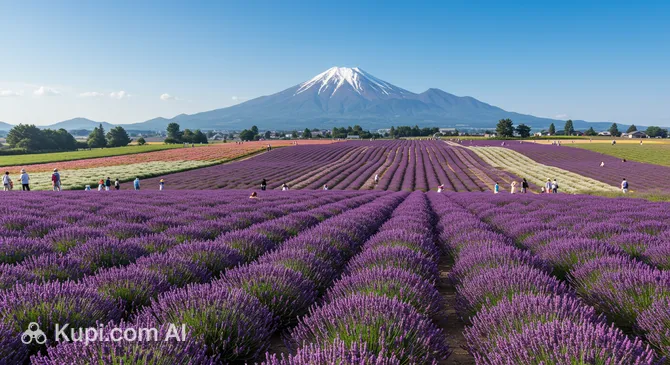
The main gem that attracts travelers from all over the world is the famous lavender fields, which turn the city's surroundings into a fragrant purple ocean during the summer. However, Furano is beautiful at any time of year: in winter, it becomes one of the best ski resorts in Japan, offering excellent slopes for outdoor enthusiasts, while spring and autumn enchant with a riot of natural colors and the opportunity to visit local farmers' markets.
Furano is the ideal place to escape the hustle and bustle of the city, enjoy a slow pace of life, breathtaking landscapes, and authentic Japanese culture. A trip here will give you unforgettable impressions and a boost of positive emotions.
The weather in Furano is characterized by clearly defined seasons, offering a variety of experiences throughout the year. Summers, especially in July and August, are quite warm here, with average temperatures around +20°C, although with a moderate amount of precipitation, especially in August. Winters, in contrast, are very cold and snowy, with average temperatures dropping to -9°C in January and many snowy days, which makes Furano a popular ski resort. Spring and autumn are transitional periods with gradual temperature changes and moderate precipitation. Expect warm summers with occasional rain and very cold, snowy winters. To get a more detailed idea of the climatic conditions, you can check the information about the weather in Furano.
Average monthly temperature
Average monthly precipitation
Interesting Facts
In addition to its picturesque lavender fields and ski slopes, Furano holds many amazing stories and little-known details that make it even more attractive to travelers. This charming city in the heart of Hokkaido is ready to surprise even seasoned tourists.
Ningle Terrace. Illustration.
Source: Kupi.com AI
Traveler photos:
Furano is often called the "lavender capital of Japan." It was here in the mid-20th century that the country's first industrial lavender fields appeared. The famous Farm Tomita, founded during that period, is still considered one of the oldest and most beautiful, offering visitors the chance to enjoy the blooming of over 150 types of flowers, creating an incredible kaleidoscope of colors from April to August.
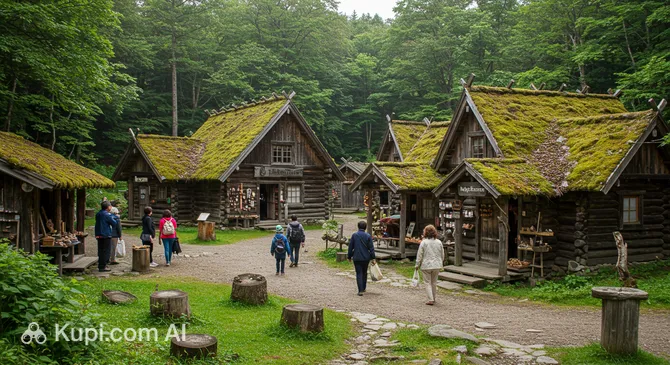
There is a truly magical place in the city—Ningle Terrace. This is a charming complex of small wooden houses nestled in a dense forest. Here, local artisans offer unique handmade products, and the atmosphere itself, according to local legends, is filled with the presence of forest spirits and fairies, as if they stepped off the pages of Japanese fairy tales.
Furano gained special fame and cult status among Japanese travelers thanks to the popular TV series "Kita no Kuni Kara" ("From the North Country"). This touching drama was filmed in the city's surroundings for many years, and many fans still come here to visit the iconic filming locations.
The city is proud of its vibrant seasonal festivals. In summer, it hosts a colorful Lavender Festival, attracting thousands of visitors with its scent and purple fields, and in winter, Furano turns into a center for snow and ice celebrations where you can admire impressive sculptures and take part in traditional winter activities.
How to Get There
Furano is located in the center of Hokkaido, and planning your route here is an important part of the trip. The city does not have its own airport, so tourists usually arrive through neighboring large transport hubs and then continue their journey by land. To find out all the details and consider various route options, we recommend reading more about how to get to Furano.
Most international travelers choose New Chitose Airport (IATA: CTS), located in the city of Sapporo. This is the main air gateway to the region with a huge passenger flow, receiving flights from all over the world. The airport is approximately 85 km from Furano. A bus or taxi ride from here will take about 2.5 hours. In winter, direct ski buses often run from here, making it a convenient choice for skiers.
Much closer to the resort is Asahikawa Airport (IATA: AKJ) in the city of Asahikawa. The distance to the center of Furano is only about 37 km. This is a great option if you are flying on a domestic flight from Tokyo or other cities in Japan. Travel time by car or bus ("Lavender Go") is approximately 1 hour 15 minutes, which significantly saves time on the ground transfer.
For clarity, here is summary information on the main airports through which you can reach the region:
Furano, located on the picturesque island of Hokkaido, attracts travelers with its natural beauty and unique cultural sites. The city offers many interesting places that will make your trip unforgettable.
One of the most charming spots in Furano is Ningle Terrace. It is a fairy-tale forest village consisting of many small wooden cottages that house craft shops and cozy cafes. Here you can purchase unique handmade souvenirs created by local artisans and enjoy the magical atmosphere, especially in the evening when the lights come on. Ningle Terrace is an ideal place for those seeking inspiration and wanting to experience local art.
Ningle Terrace. Illustration.
Source: Kupi.com AI
Traveler photos:
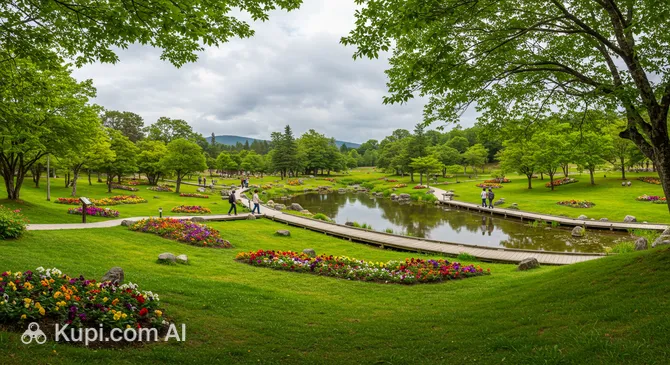
Nature lovers and those seeking peaceful relaxation should definitely visit Torinuma Park. This picturesque park is known for its crystal-clear pond, fed by spring waters, and its abundance of greenery. Walking along well-maintained paths, bird watching, or simply relaxing on the pond shore will bring peace and allow you to enjoy the beauty of nature. Torinuma Park is especially beautiful at any time of year, offering visitors silence and harmony.
Torinuma Park. Illustration.
Source: Kupi.com AI
Traveler photos:
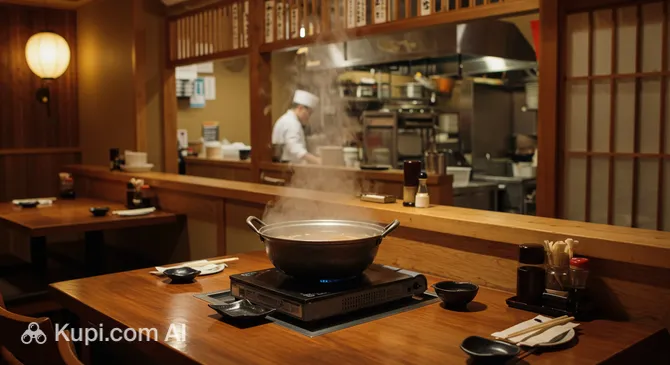
To get acquainted with local cuisine, stop by Sennari Shabu-Shabu. Here you can try traditional Japanese shabu-shabu—thinly sliced meat and fresh vegetables cooked in boiling broth right at your table. This is not only a delicious but also a fun gastronomic experience that allows you to join the culinary traditions of Japan.
Sennari Shabu Shabu. Illustration.
Source: Kupi.com AI
Traveler photos:
Local Cuisine
Furano, located in the heart of Hokkaido, is rightfully considered a true gastronomic paradise. The city's cuisine is famous for using the freshest local products, especially dairy. Be sure to try the famous fresh milk ice cream and unique cheeses, which can often be tasted directly at the farms. A true hallmark of the region is lavender ice cream—its delicate taste with a subtle floral aroma attracts tourists from all over the world.
Among the iconic dishes of Furano, "Furano Omucurry" stands out—a mouth-watering rice with omelet, generously drizzled with a thick spicy curry sauce made from local vegetables and meat. This hearty and flavorful dish perfectly reflects the culinary traditions of the region. Lovers of authentic flavors will also appreciate dishes made from wild fish and fresh river delicacies. The city abounds with fresh vegetables that are incredibly tasty here, especially seasonal grilled corn and juicy berries found at local markets.
Dining culture in Furano is diverse. Locals and tourists enjoy food in cozy restaurants as well as buying it at bustling markets and from street vendors, where you can find homemade pastries and fresh products. To get acquainted with traditional Japanese cuisine, you can visit, for example, the Sennari Shabu-Shabu restaurant, which serves the namesake dish—thinly sliced meat and vegetables cooked in boiling broth right at your table.
One cannot overlook the local drinks. Furano is one of the winemaking centers in Hokkaido, so it is worth trying local wine and freshly squeezed grape juice. The gastronomic life of the city is enlivened by festivals: farmers' product fairs are held in summer, and street markets with hot soups and sweets are held in winter. Every meal in Furano is an opportunity to discover new flavors and enjoy the quality of local ingredients, whether it's a sophisticated dinner in a restaurant or simple but tasty street food.
Travel Tips
Welcome to Furano! To make your trip to this charming Hokkaido town as smooth and pleasant as possible, we have prepared some practical tips. These recommendations will help you navigate local customs, plan your budget, and fully enjoy the unique atmosphere of Furano.
Clothing and essentials: The climate in Furano, as in all of Hokkaido, is continental, with warm summers and cold, snowy winters.
In summer (June-August), bring light clothing, T-shirts, shorts, comfortable walking shoes for the lavender fields and hills, as well as sunscreen, a hat, and a light jacket for the evening.
In winter (December-February), if you're going skiing, you'll need very warm clothes: thermal underwear, fleece, a waterproof jacket and pants, a hat, gloves, and a scarf, as well as waterproof winter boots.
In spring and autumn, the weather is changeable, so dress in layers.
Don't forget a power adapter (in Japan, Type A and B sockets are used, voltage 100V) and, of course, comfortable shoes—they will come in handy in any season.
Transport in Furano:
In the city itself, the main public transport is buses connecting key points and tourist sites. In summer, the "Kururu Bus" tourist bus is popular. Schedules can be infrequent, especially out of season. Taxis are available but can be expensive.
The most convenient way to explore Furano and its surroundings is by renting a car, especially if you want to visit many farms and the natural beauty of the Biei region. An international driver's license is required. Driving in Japan is on the left. Bicycle rentals are also popular in summer for leisurely rides.
Finances:
The local currency is the Japanese yen (JPY, ¥). It's better to exchange money in advance or withdraw it from ATMs at the airport. There are fewer exchange offices in Furano. Credit cards (Visa, Mastercard) are accepted in most hotels and large stores, but always have cash with you for small establishments and markets. ATMs that accept international cards can be found in 7-Eleven stores and at the post office. Tipping in Japan is not customary. An approximate daily budget (excluding accommodation) is from 7,000-10,000 JPY for a budget traveler.
Health and Safety:
There are pharmacies ("kusuriya") in Furano, but the staff may not always speak English, and the instructions for medicines will be in Japanese. Bring your necessary medications with you. Furano, like Japan in general, is a very safe place with a low crime rate. Follow standard precautions. When walking in nature, be mindful of wild animals and follow warning signs. Be sure to take out travel medical insurance.
Communication:
The official language is Japanese. English is limited, mainly in tourist areas. Learn a few simple phrases: "Konnichiwa" (Hello), "Arigato gozaimasu" (Thank you), "Sumimasen" (Excuse me/I'm sorry).
A great idea is to buy a travel SIM card or rent a portable Wi-Fi router upon arrival at the airport. Free Wi-Fi is available in some hotels and cafes. Useful apps: Google Maps, HyperDia (for transport), Google Translate.
Local Etiquette:
The traditional greeting is a slight bow. In public places, especially on transport, try to keep noise to a minimum. It is not common to eat and drink on the go in the street (except at festivals). Dispose of trash in bins or carry it with you. When visiting homes and some temples, it is customary to remove your shoes. There are strict rules for behavior in onsens (hot springs)—be sure to familiarize yourself with them.
What to Avoid:Do not leave tips—it may be taken incorrectly. Do not take photos of people without their permission, especially in private settings. When visiting flower farms (e.g., lavender fields), do not go beyond the fences, do not pick flowers, and do not trample the plants—this is private property, and it's important to respect the farmers' hard work.
Additional Tip: Seasonality is Key to Furano!
Plan your trip according to the season, as the experience will be radically different. Summer (late June - early August) is the peak of lavender blooming but also the peak of tourists. Winter (December - March) is a paradise for skiers. Autumn will delight you with bright colors, and spring with the awakening of nature. Keep in mind that many seasonal attractions may be closed outside the main season, so check current information before your trip.
Furano is an amazing place where the beauty of Hokkaido's nature blends harmoniously with Japanese hospitality culture. We hope these tips will help make your trip unforgettable and full of pleasant discoveries. Enjoy every moment in this picturesque corner of Japan!
Entertainment & Nightlife
Furano, known for its picturesque Hokkaido landscapes, offers tourists a cozy and calm atmosphere for evening relaxation that differs from the hustle and bustle of big metropolises. Nightlife here is focused not so much on loud clubs as on the opportunity to spend time pleasantly in traditional Japanese izakayas (pubs), cozy bars, and restaurants offering local cuisine and fresh farm products.
The main part of the evening establishments is concentrated in the central part of the city around Furano Station, as well as along the main street. Here you will find many small restaurants and bars where you can enjoy sake, local beer, or Furano wine with friends or in a secluded setting. The atmosphere in such places is usually very welcoming and relaxed, attracting both locals and tourists. The dress code is generally casual; formal attire is not required.
For an authentic dinner, we recommend checking out establishments such as the Sennari Shabu-Shabu restaurant, where you can try the famous Japanese dish shabu-shabu made from high-quality local ingredients. This is a great place to immerse yourself in the region's gastronomic culture. If you are looking for something unique for an evening stroll, Ningle Terrace will be a real discovery. This is a charming village of wooden workshop cottages hidden in the forest. In the evening, when the lanterns are lit, this place turns into a fairy-tale corner where you can buy handmade goods and enjoy the magical atmosphere. While it is not a nightclub, its unique vibe makes it a wonderful place for evening leisure.
Sennari Shabu Shabu. Illustration.
Source: Kupi.com AI
Traveler photos:
Ningle Terrace. Illustration.
Source: Kupi.com AI
Traveler photos:
The best time to visit bars and restaurants in Furano is after 7:00 PM. Many establishments stay open until midnight or slightly later, especially during the tourist season and on weekends. Average prices in Furano can be considered moderate, but they can vary depending on the level of the establishment. Getting around the city at night is most convenient by taxi, as public transport may have a limited schedule late at night. You can order a taxi through your hotel or restaurant.
Furano, like most cities in Japan, is considered a very safe place. Night walks through the lit streets of the central part of the city usually do not cause any concern. Nevertheless, it is always worth taking usual precautions. Calling a taxi is easy by asking the staff of the establishment where you are or by using taxi hailing apps if they are available in the region.
During the day, Furano also offers many interesting activities. You can visit local museums dedicated to the art or history of the region, explore the famous lavender and flower fields (especially in summer), or relax in one of the picturesque parks, such as Torinuma Park, enjoying nature and tranquility.
Torinuma Park. Illustration.
Source: Kupi.com AI
Traveler photos:
Parks & Museums
Furano, located in the heart of Hokkaido, offers guests not only breathtaking flower fields but also cozy corners to explore local culture and history. The city and its surroundings are rich in picturesque parks where you can enjoy nature and interesting museums telling the story of the region's life.
Among Furano's green oases, Torinuma Park particularly stands out. It is a wonderful place for peaceful walks around a picturesque pond, where you can watch birds and enjoy the silence of nature. The park is especially beautiful in autumn when the leaves turn bright colors, creating a soothing atmosphere for visitors.
Torinuma Park. Illustration.
Source: Kupi.com AI
Traveler photos:
Another iconic spot is Kaze no Garden (Windy Garden). This charming English garden, made famous by a popular Japanese drama, features over 450 species of flowers and plants, including roses, delphiniums, and lupins. It is ideal for those seeking peace and inspiration among fragrant flower beds and winding paths, offering new views with every turn.
The famous Farm Tomita must be mentioned, as it is one of Furano's hallmarks. Although it is a farm, its vast lavender fields and other colorful floral carpets create impressive natural landscapes that attract thousands of tourists, especially during the blooming period from June to August. Here you can not only admire the views but also try lavender ice cream, buy souvenirs, and enjoy the floral scents.
To immerse yourself in the world of arts and crafts, visit Ningle Terrace. This is a fairy-tale village of 15 wooden cottages hidden in the forest next to the New Furano Prince Hotel, where local artisans sell unique handmade items—from ceramics and leather goods to candles, silver, and paper products. In the evening, with the lights on, this place looks especially magical, creating a fairy-tale atmosphere.
Ningle Terrace. Illustration.
Source: Kupi.com AI
Traveler photos:
Appreciators of Japanese painting will be interested in the Goto Sumio Museum. The museum features an extensive collection of works by this famous Japanese artist, executed in the traditional Nihonga style using natural mineral pigments. The museum building itself is a work of art and is harmoniously integrated into the surrounding hilly landscape, which offers beautiful views.
To learn more about the region's history, stop by the Furano City Museum (Kyodo Shiryokan). The museum's exhibits tell the story of the lives of the first settlers, the development of land, the growth of agriculture, specifically rice and vegetables, and the local culture. It is a great place to understand how Furano transformed from a wilderness into a thriving tourist and agricultural center.
For a truly authentic experience, try visiting Furano not only during the peak lavender season but also in spring when other wildflowers bloom, or in autumn when the mountain slopes are covered in gold and crimson. Also, besides the large farms, you can find small family flower farms and local markets in the area where the atmosphere is more secluded and homey, and you can buy fresh produce.
Getting Around
When planning your travel around Furano and its picturesque surroundings, keep in mind that it is a small city and the public transport system reflects that. The main ways to get around are buses and trains, complemented by convenient alternatives for more flexible exploration of the region.
Buses are the main form of public transport for trips within the city and to popular tourist sites such as lavender fields or ski resorts. There are local routes as well as seasonal tourist buses. Fares are most often paid in cash directly to the driver when exiting; sometimes you need to take a ticket with a stop number when entering. IC cards like Kitaca may be accepted on some routes, but it's always best to have cash with you. Fares depend on the distance and usually start from a few hundred yen.
Trains of the JR (Japan Railways) network play an important role in connecting with other cities like Asahikawa or Biei via the JR Furano Line. During the summer and autumn seasons, the "Furano-Biei Norokko-go" tourist train, which offers scenic views, is particularly popular. Train tickets can be purchased at station ticket offices or vending machines. IC cards are usually accepted at JR stations. Train schedules, especially on less busy lines, may not be very frequent, so it is recommended to check them in advance.
Regarding the payment system, the main method for buses is cash (it's advisable to have small change). For JR trains, IC cards (like Kitaca, common in Hokkaido) or purchasing single tickets are convenient. There may not be specialized passes exclusively for Furano, but for broader travel around Hokkaido, there are regional JR Passes that can be beneficial.
Practical tips for tourists:
Bus tickets are most often bought on board (payment upon exit). Train tickets are bought at railway stations. Be sure to check the schedule, especially for the last trips, as public transport in small cities can stop working relatively early. Information about routes and schedules can be obtained at tourist information centers.
Among the alternative ways to get around Furano and its surroundings:
Taxis: available, but a more expensive option, convenient for short trips or when no other transport is available.
Car rental: an extremely popular and recommended way to explore the Hokkaido region, including Furano. This gives you maximum freedom and allows you to easily reach remote attractions.
Bicycle rental: a great option during the warmer months to leisurely explore the city and nearby farms and fields. Many hotels and guesthouses offer bicycles for rent.
Walking is also pleasant, especially in the central part of Furano.
Accommodation
Furano offers a wide range of accommodation options to satisfy the needs of various travelers, from budget tourists to those seeking luxury vacations. You can find cozy guesthouses (minshuku), traditional Japanese inns (ryokans), pensions, modern hotels of various categories, as well as apartments and houses for rent here.
When choosing a place to stay, it is worth paying attention to several key areas. For winter sports enthusiasts, the Kitanomine area, located at the foot of the Furano Ski Resort, is an ideal choice, where many hotels offer direct access to the slopes. The central part of Furano city, near JR Furano Station, is convenient due to its developed infrastructure, the presence of restaurants and shops, and good transport links. In the summer, especially during the lavender blooming season, accommodation options in the surroundings, closer to the famous flower fields like Farm Tomita, where you can find charming pensions and small hotels, are popular.
While specific famous hotels are not listed in the provided data, Furano has many options ranging from budget inns to more high-end resort hotels, especially in the ski area. The choice depends on your preferences and budget.
Booking Tip: Furano is a popular destination both in winter (ski season) and summer (lavender blooming season, usually July-August). Therefore, it is strongly recommended to book accommodation well in advance, especially if your trip falls on peak dates. This will allow you to choose the best option in terms of price-quality ratio and avoid a lack of available rooms.
The price range for accommodation in Furano varies from budget hostels and guesthouses to middle-class hotels and more expensive resort complexes. You can book accommodation through popular international online booking platforms, as well as directly on hotel websites or through local travel agencies. For small family-run pensions or ryokans, direct booking is sometimes preferable.
Nearby Cities
For those looking to explore the surroundings, Furano serves as an excellent starting point for day trips to several interesting nearby locations:
Asahikawa, Hokkaido's second-largest city, attracts visitors with its famous Asahiyama Zoo, one of the best in Japan, and the opportunity to try authentic local ramen. In winter, the city is transformed by an impressive snow sculpture festival.
Head to Obihiro to enjoy the exquisite sweets the Tokachi agricultural region is famous for and to explore the picturesque surroundings, including Daisetsuzan National Park. This city is a real paradise for foodies and nature lovers.
Ebetsu, located near Sapporo, is known for its unique ceramics and historical brick architecture, reflecting the heritage of Hokkaido's development. It's a great place to explore local crafts and enjoy a relaxing break in city parks.
Iwamizawa, an important transport hub and agricultural center of the Sorachi region, will delight visitors with the beautiful Iwamizawa Park and its famous large rose garden. The city also offers good opportunities for outdoor activities.
Kitahiroshima is a modern city attracting sports fans with its golf courses and as the home arena for the popular Hokkaido Nippon-Ham Fighters baseball team. It offers dynamic entertainment and a pleasant atmosphere for relaxation.
These nearby destinations provide an insight into the diverse culture and landscapes of the Hokkaido region. Each trip promises new experiences and discoveries, complementing your journey to Furano.
Shopping & Souvenirs
Shopping in Furano is primarily an immersion into the world of local crafts, fresh produce, and, of course, the famous lavender. The city is not famous for huge shopping centers, but it offers unique goods that will be a wonderful reminder of your trip to the heart of Hokkaido.
One of the most charming places to buy souvenirs and handmade items is Ningle Terrace. This is a fairy-tale village of wooden cottages located in the forest where local artisans sell their creations: from carved figurines and ceramics to leather and glass products. Small shops with local goods can also be found in the city center, especially around Furano Station.
Ningle Terrace. Illustration.
Source: Kupi.com AI
Traveler photos:
There are no large shopping malls in the Western sense in Furano. The emphasis here is on small specialized stores and markets where you can find authentic goods. If you are looking for something like a department store, it is better to look at shops in larger Hokkaido cities like Sapporo or Asahikawa.
Be sure to visit local markets, such as Furano Marche. This is a complex combining a farmers' market with the freshest vegetables and fruits (especially the famous Yubari melons and products made from them), souvenir shops with local delicacies, and cafes. Here you can buy fresh food, cheeses, jams, pastries, and, of course, lavender products.
From Furano, you should bring back souvenirs related to lavender: essential oils, soaps, sachets, cosmetics, and dried lavender pillows. Local products are also popular: cheeses, wine products, jams, and honey. At Ningle Terrace, you will find unique handmade products made of wood, ceramics, and other natural materials. Don't forget the famous Furano melons or sweets flavored with them.
Most shops in Furano operate from approximately 10:00 AM to 6:00 PM or 7:00 PM. During the tourist season, hours may be extended. Credit cards (Visa, Mastercard) are accepted in most shops and tourist spots, however, small shops or markets may require cash (Japanese yen). It is always useful to have some cash on hand.
For foreign tourists in Japan, there is a tax refund system (Tax Free). Many shops in Furano, especially those geared towards tourists, provide this option when purchasing a certain amount (usually from 5,000 yen). Look for the corresponding "Tax-Free Shop" signs and don't forget to present your passport when purchasing to fill out the necessary documents.