Support

Hidaka

About

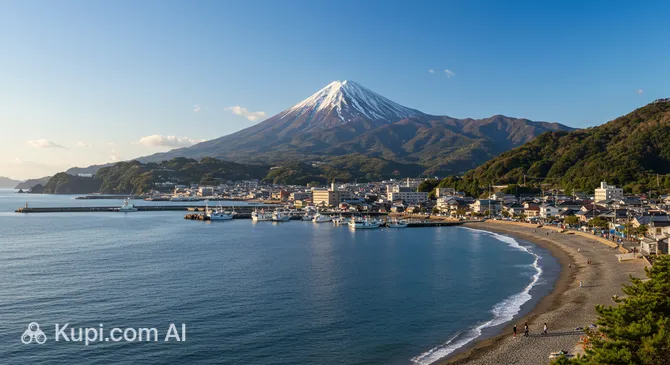
Hidaka is a haven of natural harmony located in the southern part of Hokkaido. The town is nestled in a picturesque valley surrounded by green hills and crystal-clear rivers, making it an ideal destination for travelers seeking solitude and beautiful scenery. Visiting this region allows you to discover the side of Japan that it is famous for: peaceful, authentic, and incredibly picturesque.

Hidaka. Illustration.
Source: Kupi.com AI

Thanks to its location, Hidaka enjoys a mild climate. It avoids sweltering heat, and the summers offer a pleasant coolness, which is especially appreciated by tourists looking for a break from the hustle and bustle of major metropolises. With a population of about 54,000, the town maintains an atmosphere of coziness and sincere hospitality characteristic of small Japanese settlements.

Local culture and the economy are inextricably linked to agriculture and, particularly, horse breeding. The region is famous for its thoroughbreds, and Hidaka's history preserves many traditions related to horse farming. Travelers can not only watch graceful animals in the pastures but also visit local farms to get a closer look at this important aspect of town life.

Hidaka's greatest treasure remains its nature. The town is surrounded by national parks where you can encounter rare animals and hike along mountain trails. After an active day, relaxing hot springs—onsens—await guests. This land looks charming in any season: gardens bloom in spring, meadows turn green in summer, autumn paints the forests in fiery tones, and in winter, everything is covered in sparkling snow.

Hidaka is worth visiting for peace of mind, warm interactions with locals, and the chance to experience authentic Japanese culture. This is a place where time flows a little slower, allowing you to enjoy every moment of your journey.

Weather Overview

When planning a trip to this picturesque region of Hokkaido, it is important to know what to expect from the weather. The current weather in Hidaka and general climatic conditions allow for a comfortable vacation without exhausting heat, which favorably distinguishes the town from Japan's southern metropolises.

The summer season here is mild and pleasant. The warmest month is traditionally August, with an average temperature of about 22.0°C and maximums rarely exceeding 24.0°C. However, tourists should bring an umbrella or raincoat: summer is characterized by high humidity, and for example, in August, the number of days with precipitation can reach 18. July also offers warmth (averaging 20.3°C), but it rains for about half the month.

Winter in Hidaka is a true northern winter, though not extremely harsh. The coldest month is January, when the average temperature drops to -2.6°C, and nighttime frosts can reach -5.6°C. Snow or precipitation in winter is a frequent occurrence: in December and January, 15 to 17 days with precipitation are recorded, creating magical winter landscapes perfect for contemplative relaxation.

Expect moderately warm summers with occasional rain and frosty winters with frequent snowfall.

Average monthly temperature

Average monthly precipitation

Interesting Facts

Beyond its picturesque landscapes, Hidaka hides many surprising facts that make this town truly special. Here are a few details that will help you see the region from a new perspective and make your trip even more memorable:

  • Horse Breeding Capital. Hidaka is rightfully considered the center of horse breeding in the country. It is home to the famous Breeders Stallion Station—one of the largest facilities for raising elite thoroughbreds. The town annually becomes a magnet for professional jockeys and equestrian sports fans eager to see future champions.

  • Mystical Stones. In the vicinity of the town, you can find unique geological formations known as Chiroro no Kyoseki. These mysterious boulders are shrouded in local legends: it is believed they possess a special energy and can even grant the cherished wishes of travelers.

  • Ancient Healing Traditions. The region is famous for its hot springs, but of particular interest is the Ushappuramu Kosenjo Trace. This site allows you not only to enjoy bathing in thermal waters but also to touch history by learning about ancient Japanese methods of healing and restoration.

  • Thematic Festivals. Local festivals are closely tied to the region's identity. Every year, vibrant celebrations take place here, dedicated not only to the harvest but also to horses and traditional crafts, filling the streets with music and the aromas of local cuisine.

How to Get There

A journey to Hidaka is an immersion into the picturesque nature of Hokkaido, and planning your route is an important part of the trip. Since the town is located away from bustling metropolises, the road here can become a real adventure. You can find out more about how to get to Hidaka by exploring various transport options, but the main arrival method for international tourists remains a flight followed by a transfer to ground transport.

There is no airport in the town of Hidaka itself, but you can fly into New Chitose Airport (CTS) in Sapporo, located approximately 45.4 km from Hidaka. It is the region's largest transport hub, handling numerous international and domestic flights. The journey from here by taxi or rental car takes roughly 1 hour and 30 minutes. Thanks to its massive passenger volume, this airport offers the widest choice of flights and convenient connections.

Another option is Tokachi-Obihiro Airport (OBO), located in the city of Obihiro. It is significantly further away—about 97.9 km from Hidaka—and the car journey takes around 2 hours and 50 minutes. This is a small regional airport that might be convenient if you are planning a trip through the eastern part of Hokkaido.

For convenience, here is a summary of the main airports:

AirportPassenger trafficDistance
New Chitose Airport23.3 mln45 km
Okadama Airport575 20691 km
Tokachi-Obihiro Airport650 00098 km
Hakodate Airport1.8 mln130 km
Asahikawa Airport1.1 mln136 km

Regarding rail travel, keep in mind the specifics of Hokkaido's transport system. There may be no direct rail service to the center of Hidaka in the traditional sense, as some lines were replaced by bus routes following natural disasters. Most often, tourists take the train to major stations such as Tomakomai or Sapporo, and then cover the remaining distance by intercity bus or rental car. Driving through this region is particularly popular due to high-quality roads and incredible views from the window.

Main Attractions

Hidaka is not the kind of town where you will find noisy entertainment centers or neon signs at every turn. Its main attractions were created by nature itself, while humans have carefully woven their culture into them. Travelers come here to connect with the history of horse breeding, conquer mountain peaks, and enjoy the silence of protected areas. Here are a few key locations to include in your itinerary.

Mombetsu Racecourse

As the region is famous for its horse-breeding traditions, a visit to Mombetsu Racecourse is a must. This venue is known for its exciting night races, called "Grand Chariot Night." Tourists can not only watch graceful horses competing under floodlights but also enjoy local cuisine—outdoor "Genghis Khan" mutton barbecues are often prepared here. The atmosphere of excitement combined with a cozy setting makes this place popular even among those far from equestrian sports.

Hidaka Mountain Range Museum

For those who want to better understand Hokkaido's nature, this museum will be a real discovery. Located at the foot of the mountains, it is dedicated to the geology, flora, and fauna of the majestic Hidaka Range. The exhibition tells the story of mountaineering and the exploration of these remote areas. Here, you can see unique rock samples, learn about the wild animals inhabiting the national park, and get useful information before heading into the mountains. It is not just an exhibition, but a true educational center for outdoor enthusiasts.

Hidaka International Ski Resort

In winter, the town transforms into a magnet for skiers and snowboarders. The local ski resort stands out from large, overcrowded bases for its intimacy and accessibility. The slopes are suitable for both beginners and experienced athletes, and the quality of the snow—the famous Japanese "powder"—is always top-notch. The summit offers a panoramic view of the snow-covered valley, making the skiing particularly scenic. In summer, the slopes turn into green zones for trekking and hiking.

Viewpoints and Parks

In the surrounding areas, you can find several picturesque parks and viewpoints offering vistas of endless pastures and mountain peaks. Walking through such places allows you to feel the true rhythm of life in the region, where nature and humans coexist in harmony. It is especially beautiful here in autumn, when the foliage turns bright red and gold, creating perfect conditions for photography.

Local Cuisine

Hidaka's gastronomic scene is a direct reflection of Hokkaido's generous nature. Here, the cult of fresh products is absolute, and the proximity to the sea combined with developed agriculture defines the menus of local establishments. Travelers should be prepared for food that is simple but of incredibly high quality, with an emphasis on the natural taste of the ingredients.

The region's main hallmark remains seafood. Fish caught in coastal waters reaches the table almost instantly. Fans of Japanese classics should try the sushi and sashimi, which are prepared here with exceptional skill. In restaurants like Masamura and Harume, you can watch chefs work their magic, turning the fresh catch into culinary masterpieces.

Given that Hidaka is famous for its horse-breeding traditions, a unique gastronomic experience is tasting horse meat dishes. This meat is considered a delicacy here, known for its tenderness and distinct flavor. Yakiniku—a Japanese BBQ format where guests grill pieces of meat themselves over an open fire—is popular in local establishments. It is a great way not only to eat well but also to immerse yourself in the local dining atmosphere.

For a more casual and cozy lunch, stop by small family cafes serving "soul food." For instance, Izumi Shokudo cooks according to old recipes: here you can taste aromatic soups and fresh handmade noodles. Be sure to try dishes using seasonal vegetables grown in the fertile lands of the Hidaka valley—their flavor is significantly brighter than supermarket counterparts.

Speaking of drinks, one cannot fail to mention the local sake, which perfectly complements fish dishes, and the famous Hokkaido beer. The dining culture here is quite relaxed: locals love gathering at gastronomic festivals held throughout the year. At such events, you can try rare delicacies, chat with farmers, and learn the secrets of national dishes firsthand.

Travel Tips

A journey to Hidaka promises to be peaceful and leisurely, but this region of Hokkaido has its own specifics that you should know in advance. To ensure your trip goes smoothly and leaves only pleasant memories, we have prepared a list of practical recommendations relevant to this area.

  1. Clothing and Gear. Hokkaido's weather is changeable. Even in summer, evenings can be cool, so the principle of layering is essential: bring a light windbreaker or fleece. In winter, warm, windproof clothing and non-slip footwear are necessary, as there is heavy snowfall. If you plan to trek in the mountains, make sure to bring professional hiking boots.
  2. Transport Accessibility. Hidaka is a rural region where public transport is less developed than in metropolises. Rail service is limited (many lines are replaced by buses), and buses run on a schedule with long intervals. The most convenient way to move around is renting a car. this will give you the freedom to visit remote farms and nature parks. Don't forget to arrange an International Driving Permit in advance.
  3. Finances and Cash. Despite Japan's high-tech reputation, cash-payment culture still dominates in small towns and rural areas. Small restaurants, souvenir shops, or local buses may not accept cards. Always carry a supply of Japanese yen in cash. You can withdraw money from ATMs in convenience stores (e.g., 7-Eleven), which are open 24/7.
  4. Health and Safety. Hidaka is a safe place, but remember the wildlife. Bears live in the mountains and forests, so it is recommended to wear a bear bell to deter animals while hiking. Pharmacies are available in town but close fairly early, and 24-hour emergency points are rare, so bring a basic first-aid kit with you.
  5. Communication. English is less widely spoken here than in Tokyo or Sapporo. Locals are very friendly and will try to help, but for complex communication, it's better to install a translation app on your smartphone (such as Google Translate or DeepL). Free Wi-Fi is not available everywhere, so we highly recommend renting a pocket Wi-Fi or buying a SIM card upon arrival at the airport.
  6. Pasture Visiting Rules. Hidaka is horse-breeding country, and this imposes special obligations. It is strictly forbidden to enter private pastures without permission, feed the horses, or make loud noises near them. Horses are very sensitive animals, and there is also a risk of introducing infections via footwear. Admire the animals only from designated areas behind the fences.
  7. What to Avoid. Avoid trying to hail a taxi on the street with a wave of your hand—it's almost impossible in rural areas. Taxis should be called by phone or via an app, or found at specific stands at stations. Also, do not leave tips in cafes or taxis—it is not customary in Japan and may make the staff feel awkward.
  8. Useful Life Hack. Keep an eye out for Michi-no-Eki roadside stations. They are not just rest areas for drivers but actual hubs of local trade. You can buy the freshest farm products, unique Hidaka region souvenirs, and have an inexpensive but delicious lunch of local dishes there.

Following these simple rules will help you experience the true spirit of the Japanese countryside without unnecessary worries. Hidaka is a hospitable land ready to reveal its natural treasures to everyone who treats it with respect and attention.

Entertainment & Nightlife

Nightlife in Hidaka and its surroundings is strikingly different from the noisy neon districts of Tokyo or Sapporo. You won't find multi-story nightclubs with DJs or bars open until dawn here. Evening entertainment in this region is imbued with the authentic atmosphere of the Japanese countryside: cozy, intimate, and focused on heartfelt socializing. Most activity is centered along the main shopping streets and near transport hubs where locals gather after a day's work.

The heart of Hidaka's evening life is the izakaya—traditional Japanese pubs. These are places where the line between a bar and a restaurant is blurred. People come here not just for a drink, but for a full dinner with friends, ordering many small dishes "to share." The atmosphere is always casual and friendly. There is no dress code: tourists in hiking gear will feel just as comfortable as local office workers.

If you want to immerse yourself in true local flavor, look for so-called "snack bars." These are small establishments, often run by a single hostess ("mama-san"). They serve drinks, light snacks, and inevitably feature karaoke. For a foreigner, this can be a unique cultural experience, though it's worth remembering that these places often have a cover charge, and the menu may only be in Japanese.

Among specific establishments popular with locals and accessible to tourists are:

  • Tsubohachi — a well-known izakaya chain in Hokkaido. This is an excellent choice for an introduction to Japanese bar culture: they have an easy-to-understand menu (often with pictures), reasonable prices, and a huge selection of dishes, from sashimi to fried chicken and beer.
  • Local Yakitori Bars — small, family-run bars specializing in chicken and pork skewers. They are easily recognized by the red lanterns at the entrance. Stop by any place where the appetizing smell of smoke drifts out, for example, near the main street, and you won't be disappointed.

Practical Tips for Night Walks:

Most establishments open around 5:00 PM – 6:00 PM and stay open until midnight, though kitchens may close earlier. The average check in an izakaya ranges from 3,000 to 5,000 yen per person. It is important to remember that in Hidaka, as in many rural areas, payment is often cash-only, so withdraw money in advance.

Transport at night is a particularly acute issue. Public buses stop running early, and catching a taxi on the street is almost impossible. If you plan to drink, find out the number of a local taxi service in advance or ask the restaurant staff to call a car for you. Also popular in Japan is the Daiko service—a "sober driver" who will drive you home in your own rental car.

From a safety standpoint, Hidaka is an ideal place. The crime rate here is near zero, and nighttime walks are perfectly safe. The only "threat" might be the darkness on the outskirts and wild animals, so it's better to stick to the well-lit central streets.

While the nightlife is quiet, daytime entertainment offers more activity. Guests can visit local museums dedicated to the history of horse breeding or head to parks for nature observation. The day's cultural program usually concludes with relaxation in hot springs, after which tourists head to dinner in cozy izakayas.

Parks & Museums

Hidaka's green zones and cultural sites reflect the soul of this region, where the majesty of Hokkaido's wilderness intertwines with deep respect for history and tradition. The town and its surroundings offer travelers the opportunity to touch the pristine beauty of national parks and learn about the lives of the people who have inhabited these lands for centuries. It is a chance to see the side of Japan where nature dictates the rules and humans live in harmony with it.

Hidaka-Sanmyaku Erimo National Park

This is the region's primary natural landmark, encompassing the majestic Hidaka mountain range, often called "Hokkaido's backbone." The park is a vast territory with steep rocky peaks, deep gorges, and dense forests where the landscape remains in its original form. For tourists, it is primarily interesting for its mountaineering and trekking opportunities of various difficulty levels. You can encounter rare animals here, including brown bears and pikas, as well as enjoy views of alpine meadows that are covered in a vibrant carpet of flowers in summer.

Nijukken Road Cherry Blossoms

While this famous avenue stretches along neighboring territories, it is inextricably linked to Hidaka's image as one of the island's most picturesque spots. The road, approximately 7 kilometers long and lined with over 3,000 cherry trees, is included in the list of "Japan's Top 100 Cherry Blossom Viewing Sites." During the blooming period, usually in early May, this place transforms into a pink tunnel of incredible beauty. Tourists should come here for atmospheric walks and picnics under the blossoming branches that give a sense of true spring.

Hidaka Mountain Range Museum

This museum is the perfect starting point for those who want to understand the geology and ecosystem of the region. The exhibition details the formation of the mountain range, its flora, and its fauna. Special attention is paid to the history of mountaineering: equipment and diaries of those who conquered local peaks are preserved here. Visitors will enjoy seeing large-scale models of the mountains, a collection of rock samples, and learning how Hidaka's nature changes with the seasons. The museum also serves an important function as an information center for climbers.

Nibutani Ainu Culture Museum

Located within the region, this museum is a vital cultural center dedicated to Hokkaido's indigenous people—the Ainu. It houses a rich collection of daily life items, traditional clothing, ritual tools, and canoes, recognized as important material cultural heritage of the country. For tourists, this is a unique chance to immerse themselves in the distinct Ainu culture, learn about their beliefs, crafts, and philosophy of harmonious coexistence with nature.

Yoshitsune Shrine

Among historical monuments, the Yoshitsune Shrine holds a special place, shrouded in legends about the famous samurai Minamoto no Yoshitsune. According to local lore, he did not perish but fled north, where he spent the rest of his days. The temple, situated on a hill, attracts not only pilgrims but also history buffs. In spring, the shrine grounds are awash in flowers, and in autumn, you can admire the bright maples, making it a wonderful place for peaceful walks and reflection.

For those seeking authentic experiences, we suggest paying attention to small family ranches open to visitors. Some of them offer not just tours but the opportunity to participate in horse care. This allows you to see the life of the region from the inside, talk with local horse breeders, and understand why horses are not just animals to the residents of Hidaka, but a true symbol and pride of the land.
Getting Around

The public transport system in Hidaka has its own unique characteristics, dictated by the rural nature of the area and the long distances. Unlike major metropolises, you won't find subways, trams, or trolleybuses here. The main way of moving around for locals and tourists without a private car is the bus, along with limited rail service on the region's periphery.

The bus network is the area's main transport artery. The primary operator is Donan Bus, which connects Hidaka's settlements with major cities like Sapporo and Tomakomai, and also provides local transport. It is important to note that after the closure of much of the JR Hidaka Main Line due to natural disasters, its functions are now performed by replacement buses. They run along the coast, stopping at former railway stations, and their schedule is usually synchronized with trains at transfer hubs.

For tourists, using the local bus can be a bit of a quest if you don't know the rules. Entry is usually through the rear door. Upon entering, you must take a numbered ticket (seiriken) from a special machine; it will indicate your boarding zone number. Exit is through the front door. An electronic board above the driver displays the current fare under your zone number. Payment is made upon exit: drop your coins and ticket into the transparent box next to the driver. Drivers do not give change, but the machine has a function to break 1,000-yen bills and larger coins.

Regarding fares, cash is the dominant payment method in rural Hidaka. While IC transport cards (such as Kitaca or Suica) are widely accepted on trains and in shops nationwide, local buses in this region may not have terminals for them. It is highly recommended to always carry a supply of change and small bills. Fares depend on the distance and can vary from 200 yen for a short trip to several thousand yen for intercity travel.

Rail service in the heart of the region is limited. JR trains (Sekisho Line) pass through the northern, mountainous part of the municipality (Shimukappu or Tomamu stations) but do not enter the coastal areas or the horse-breeding center. Therefore, the train is more often used as a way to get to the region's borders, after which a transfer to a bus or car is inevitable.

The most convenient and recommended way to move around Hidaka is renting a car. This gives you the freedom to visit remote pastures, mountain lakes, and viewpoints where public transport is rare or non-existent. Rental points can be found at the nearest major transport hubs (New Chitose Airport, Tomakomai city). The roads here are wide, scenic, and less congested than in the prefectural capital, making driving comfortable.

Taxis are available in Hidaka but have their own specifics: it is almost impossible to "hail" a car on the street. Taxis must be ordered by phone or found at specially equipped stands near major bus terminals and stations. Taxi rides are quite expensive, so they are best used for short trips within one settlement. Ride-hailing apps (like Uber or GO) may be unstable or have few cars in this area.

Active recreation enthusiasts should consider renting a bicycle, especially in warm weather. Tourist information centers and some hotels offer bike rentals. This is an excellent option for a leisurely tour of the surroundings, trips to nearby farms, or rides along the coast; however, a bicycle is not suitable for travel between towns due to the significant distances.

Accommodation

The choice of accommodation in Hidaka perfectly complements the atmosphere of this secluded region: you won't find massive skyscraper chains or ultra-luxury five-star complexes from global brands here. Instead, the town and its surroundings offer cozy and authentic lodging options that allow you to feel the true spirit of rural Japan. The hotel stock consists primarily of traditional Japanese inns (ryokans), family guesthouses (minshukus), and functional mid-range hotels, often located near natural attractions.

For those seeking maximum cultural immersion, ryokans are the ideal choice. In these establishments, guests are offered overnight stays on tatami mats and futons, and the price often includes a dinner made from local products (kaiseki) and access to hot springs. A more budget-friendly and casual option is the minshuku. This is the Japanese equivalent of a bed and breakfast, where you practically live with the owner's family, enjoying homey comfort and simple but delicious food.

From a geographic perspective, two main areas are convenient for tourists:

  • Ski Resort and Mountain Area: This option is popular in winter for skiers and in summer for trekking and nature enthusiasts. Hotels here are often geared toward active recreation, offering gear rentals and easy access to slopes or trails.
  • Coastal Area and Town Center: Simpler business hotels and guesthouses are concentrated here. This is a convenient base for those traveling by public transport or planning a gastronomic tour of local seafood restaurants.

During the summer season when Hokkaido's nature is in full bloom, camping sites and forest cottages gain great popularity. This is an excellent way to save money and spend time outdoors, enjoying the starry sky, which is especially bright in these parts.

Price Range and Booking

Accommodation costs in Hidaka vary from budget to mid-range. A night at a campsite or a simple hostel is quite inexpensive, while staying at a high-quality ryokan with half-board and an onsen will cost significantly more—it is considered the "affordable luxury" segment. The average check for a standard hotel room is quite moderate by Japanese standards.

Booking Tip:

Although Hidaka is not a mass-market tourist destination, the number of accommodation options is limited. It is strongly recommended to book your stay in advance (2–3 months ahead), especially if your trip coincides with "Golden Week" (early May), the summer holiday season (August), or the peak of the ski season. Note that many small family inns may not be listed on major international booking platforms—sometimes they can only be found on Japanese websites or booked by phone (where you might need assistance from a translator or a tourist center).

Nearby Cities

For those who want to explore the surrounding areas, Hidaka serves as an excellent starting point for day trips to several interesting nearby locations:

Closest is Tomakomai—an important port city and the region's gastronomic hub. Foodies come here specifically to try the famous hokkigai (surf clams) caught in local waters. Beyond culinary discoveries, the city is interesting for the Utonai-ko Sanctuary, where you can observe migratory birds in their natural habitat.

Lovers of pristine nature should head to Chitose. The main attraction of this area is Lake Shikotsu—a caldera lake with some of the clearest water in Japan, which does not freeze even in winter. Here you can enjoy a tour on a glass-bottom boat or visit the unique Salmon Aquarium, where part of the exhibition is located directly underwater in the Chitose River.

To immerse yourself in the rhythm of a metropolis, Sapporo, the capital of Hokkaido, is ideal. It is a city of contrasts, where modern shopping districts sit alongside the historical Clock Tower and the green Odori Park. A day trip will allow you to sample the famous miso ramen at Ramen Yokocho alley, visit the beer museum, or simply enjoy the shopping that is absent in quiet Hidaka.

CityPopulationDistance
Shinhidaka21 87329 km
Tomakomai170 22342 km
Chitose97 94551 km
Shiraoi16 63860 km
Eniwa70 10261 km

These nearby destinations offer a glimpse into the region's diverse culture and landscapes.

Shopping & Souvenirs

Shopping in Hidaka and its surroundings has its own unique flavor, entirely different from the hustle of major Japanese metropolises. You won't find multi-story department stores with luxury brands or endless shopping arcades here. Instead, trade is focused on high-quality local products, unique souvenirs, and goods reflecting the region's agricultural and maritime specialties. This is the perfect place for those who want to bring home something authentic and made with soul.

Main Shopping Points

Since Hidaka is a small town, there are no dedicated shopping districts in the usual sense. Life bustles along the main highways where the primary stores are located. The main magnets for tourists are the "Michi-no-Eki" stations—roadside complexes that combine the functions of rest areas, markets, and souvenir shops. This is where the widest range of local products is presented, and it is the most convenient place for travelers in cars to shop.

Shopping Centers and Supermarkets

There are no large malls in Hidaka; however, for daily needs and purchasing gastronomic souvenirs, chain supermarkets such as A-Coop or MaxValu are excellent. These stores have sections with locally produced goods at very reasonable prices. It's a great option for buying Japanese sweets, sauces, or drinks that locals buy for themselves rather than for tourists.

Markets and Farm Stalls

Small farmers' markets and direct sales from producers are an important part of shopping in the region. During the harvest season, tents often appear along the roads selling the freshest vegetables: corn, potatoes, asparagus, and the famous Hokkaido melons. Visiting such places allows you not only to buy delicious products but also to chat with local farmers.

What to bring from Hidaka: Best Souvenirs

The choice of souvenirs here is dictated by the region's main treasures—the sea and horses. Here is a list of what to look for:

  • Hidaka Kombu (Kelp). This is perhaps the region's most famous brand. Local kelp is valued throughout Japan for its rich flavor and quality. You can buy dried kombu for broths, seaweed snacks, or even candies infused with it.
  • Horse-Themed Goods. As the horse-breeding capital, Hidaka offers a huge selection of souvenirs for equine enthusiasts: from plush toys of famous champions to high-quality leather goods and accessories.
  • Dairy Products and Sweets. Be sure to buy local cookies, cheeses, or yogurts. Thanks to the advanced livestock farming, dairy products here are incredibly fresh and creamy.

Opening Hours and Payment

Shops in Hidaka operate at a relaxed pace. Most souvenir stalls and "Michi-no-Eki" stations open around 9:00 AM and close as early as 5:00 PM – 6:00 PM. Supermarkets stay open longer, often until 9:00 PM or 10:00 PM. Regarding payment, despite digitalization, cash is still a priority here. Major supermarkets and popular tourist stations will accept cards without problems, but in small farm stalls or family shops, paying by card may be impossible. Always keep a supply of bills and coins with you.

Tax Free

The tax-free system is not very developed in Hidaka. It may be available in some large drugstores or chain stores if they are certified, but don't count on it in most souvenir shops. If you see the "Japan. Tax-free Shop" logo at the checkout or in the window, don't forget to present your passport for purchases over 5,000 yen.

Reached the end of the page?

That means the route is fully explored