Support

Iwamizawa

About

Iwamizawa is a city nestled in the heart of Hokkaido Prefecture, approximately 30 kilometers east of Sapporo, the regional administrative center. It is located in the scenic Sorachi subprefecture, which over the last decade has transformed into one of the prefecture's leading wine-producing regions. Thanks to its favorable location, Iwamizawa offers tourists a unique opportunity to enjoy the beauty of northern Japan's nature while maintaining convenient access to a major city.
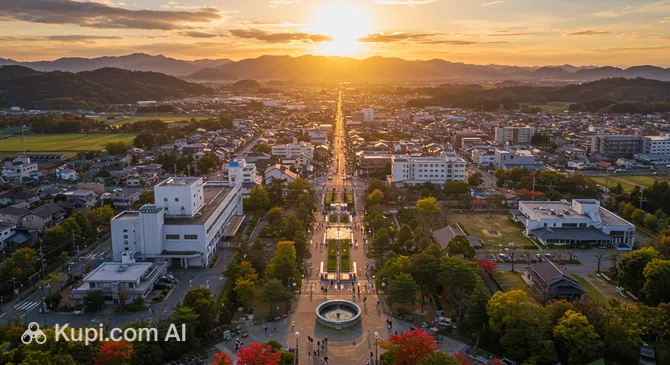
Iwamizawa. Illustration.
Source: Kupi.com AI

With a population of approximately 79,361 people, Iwamizawa is a compact yet well-developed city. Despite its relatively small size, it plays an important role in the Sorachi region as a hub for agricultural production and, notably, regional winemaking.

The atmosphere of Iwamizawa harmoniously combines the tranquility of a provincial Japanese town with the dynamism of an emerging wine center. Here, you can experience the true spirit of Hokkaido—the northernmost of Japan's main islands. The city is attractive for those interested in winemaking, seeking to experience authentic Japanese culture away from the beaten tourist paths, and wishing to enjoy the pristine natural beauty of northern Japan.

If you are looking for a place where you can combine local wine tasting, immersion in local flavor, and admiration of picturesque landscapes, Iwamizawa is an excellent choice for your journey.

You can find more interesting facts on the Iwamizawa city history page.

Weather Overview

The climate in Iwamizawa is characterized by significant seasonal fluctuations. Winters here are cold and snowy, especially in January, when the average temperature is about -6.7°C, and the number of days with precipitation (mostly snow) reaches 18. December is also very cold, with an average temperature of -4.0°C and 24 days with precipitation. Spring arrives gradually: in March, the average temperature rises to 0.2°C, and by May, it reaches 12.3°C.

Summer in Iwamizawa is warm. The warmest months are July and August, with average temperatures of 21.0°C and 21.5°C respectively. August sees the highest amount of annual precipitation (6 mm), with about 17 rainy days. In autumn, the temperature gradually decreases: in September, the average temperature is a comfortable 17.5°C, but by November, it drops to 4.1°C, and the number of days with precipitation increases again to 20. Overall, Iwamizawa is characterized by warm summers with moderate rain and very cold, snowy winters. To learn more, see more about the weather in Iwamizawa.

Average monthly temperature

Average monthly precipitation

Interesting Facts

In addition to its famous attractions, Iwamizawa holds many surprising stories and curious details that make this corner of Japan even more appealing. Here are just a few of them:

  • Hokkaido's Wine Renaissance: Over the last decade, Iwamizawa, along with the neighboring city of Mikasa, has become one of Hokkaido's leading wine regions. Local winemakers specialize in producing small batches of wine, often fewer than 10,000 bottles per year, making their products particularly valuable and quick to sell out among connoisseurs.

  • Unusual Vineyard Pests: Grape growers in the vicinity of Iwamizawa face a unique problem—rabbits. These animals not only feast on the berries but also gnaw on the trunks and shoots of the vines. Surprisingly, even electric fences don't always stop them, as the rabbits have learned to dig tunnels under the barriers.

  • A Gem of Winemaking – Nakazawa: Located in the Kurisawa district, which is part of Iwamizawa, is the famous Nakazawa vineyard. It attracts wine experts from all over Japan and abroad thanks to wines characterized by fresh acidity, pronounced minerality, and an aroma that lingers long on the palate.

  • Gateway for Explorers: Located in Iwamizawa, Kamihoromui Station serves as a convenient starting point for tourists. From here, you can set off to explore not only the city itself but also the picturesque surroundings of the region.

How to Get There

Iwamizawa is an important transportation hub in Hokkaido, so getting here is quite easy. The city has excellent rail and bus connections with key points on the island. You can learn more about how to get to Iwamizawa on a dedicated page, and below we will look at the main options.

There is no airport in the city of Iwamizawa itself, so travelers usually fly into nearby large cities. The most popular and convenient option is New Chitose Airport (IATA: CTS), located in the city of Sapporo (Chitose). It is the region's main international hub, receiving flights from all over the world. It is located just 47.2 km from Iwamizawa. The journey from the airport to the city by JR train takes about an hour, and by car, it is approximately 45–50 minutes via the expressway.

An alternative option is Asahikawa Airport (IATA: AKJ), located in the city of Asahikawa, about 75.8 km from Iwamizawa. This is a regional airport, convenient for those planning to visit the northern or central parts of the island. A car or bus trip from here takes about 1 hour and 15 minutes.

For clarity, here is summary information on the main airports through which you can enter the region:

AirportPassenger trafficDistance
Okadama Airport575 20633 km
New Chitose Airport23.3 mln47 km
Asahikawa Airport1.1 mln76 km
Tokachi-Obihiro Airport650 000128 km
Hakodate Airport1.8 mln177 km

Rail travel is perhaps the most comfortable way to reach Iwamizawa. Iwamizawa Station is a major hub on the Hakodate Main Line. Express trains from Sapporo (such as the Kamui or Lilac limited expresses) run here regularly, with a travel time of only about 25–30 minutes. Routes to Asahikawa and other cities in northern Hokkaido also pass through the station. The station is located in the very center of the city, making it an ideal arrival point for tourists.

Main Attractions

The city of Iwamizawa, sprawling across the scenic landscapes of Hokkaido, offers its guests many interesting places to explore the culture and nature of the region. Here, everyone will find something to their liking, whether it be quiet walks, historical studies, or exciting entertainment for the whole family.

One of the city's main treasures is Iwamizawa Park (岩見沢公園). This vast green area is famous for its magnificent rose garden, where thousands of roses can be admired during the blooming season, as well as a large Ferris wheel offering panoramic views of Iwamizawa and its surroundings. The park also houses the indoor garden "Shikisaikan" (色彩館), which showcases a variety of flowers and plants year-round. It is a wonderful place for leisurely relaxation, picnics, and enjoying nature.

For those looking for bright impressions and active pastimes, a visit to Hokkaido Greenland (北海道グリーンランド) is highly recommended. This massive amusement park is considered one of the largest in Hokkaido and offers a huge selection of entertainment for visitors of all ages. From extreme roller coasters to gentler carousels for little ones, everyone will find something they enjoy, guaranteeing a day full of fun and unforgettable moments.

To gain a deeper understanding of the region's history and culture, it is worth visiting the Iwamizawa Local History Museum (岩見沢郷土科学館). The museum's exhibits tell the story of the city's founding and development, its close ties to agriculture—which plays a vital role in Hokkaido's economy—and likely the legacy of the coal industry, which left a significant mark on the island's history. Visiting the museum is an excellent opportunity to learn more about Iwamizawa's past and the lives of its inhabitants.

Be sure to pay attention to Iwamizawa Shrine (岩見沢神社), the city's main Shinto sanctuary. This place is characterized by a special atmosphere of peace and tranquility, allowing guests to get acquainted with traditional Japanese temple architecture and touch the spiritual culture of the country. The shrine is not only an important religious center but also a venue for various local holidays and festivals reflecting the rich traditions of the region.

Local Cuisine

The gastronomic world of Iwamizawa is an exciting journey through the flavors of Hokkaido, known for its abundance of fresh produce. The local cuisine will delight you with both traditional Japanese dishes and unique regional specialties reflecting the richness of the northern land.

One of the main gastronomic highlights of Iwamizawa and the surrounding Sorachi subprefecture is the local wine. Winemaking is actively developing here, and both red and white varieties are gaining recognition for their special character. These wines are distinguished by a delicate taste with pronounced fresh acidity and minerality, due to the unique climatic conditions and soils of the region. Many vineyards offer tastings where wines are served in combination with local delicacies, allowing for a deeper acquaintance with the winemaking culture of northern Japan.

In addition to wine, as part of Hokkaido, Iwamizawa offers guests the chance to taste dishes for which this island is famous. Be sure to try the freshest seafood—the pride of the region. Don't miss the chance to enjoy the famous Sapporo-style ramen, hearty and aromatic. It is also worth paying attention to dishes prepared from local vegetables and fruits, which are characterized by high quality and rich flavor.

The food culture in Iwamizawa is centered around the use of fresh local ingredients. The main places to experience culinary traditions are local restaurants offering a wide range of dishes from classic Japanese to regional specialties. Gastronomic tourism here is closely intertwined with the winemaking culture, so visiting wineries often includes not only beverage tasting but also an introduction to local cuisine through skillfully selected appetizers.

Travel Tips

Welcome to Iwamizawa! To ensure your trip to this charming city in Hokkaido goes smoothly and leaves only pleasant impressions, we have prepared some practical tips. They will help you better navigate and enjoy every moment of your stay.

  1. Seasonal Clothing and Useful Items: The climate of Hokkaido, where Iwamizawa is located, is characterized by distinct seasonal changes. In summer (June-August), it is warm, but evenings can be cool, so a light jacket will come in handy. Winters (December-February) are snowy and freezing—warm layered clothing, a hat, gloves, and waterproof footwear are essential. At any time of year, bring comfortable shoes for walking. Don't forget a universal adapter (types A and B sockets are used in Japan) and a portable power bank.
  2. Getting Around Iwamizawa: The city is quite compact. The main forms of public transport are local buses and JR (Japan Railways) trains, as Iwamizawa is an important railway hub. Taxis are also available but can be more expensive. If you plan to extensively explore the Hokkaido region, renting a car might be a good option, but it is not always necessary for getting around the city itself.
  3. Finances in Japan: The local currency is the Japanese Yen (JPY). Despite the growing popularity of bank cards, cash is still very important, especially in small shops and cafes. You can exchange currency at the airport or at banks, but the rate might be better if done in advance. International cards are accepted in large hotels, department stores, and some restaurants. ATMs that work with foreign cards can be found in post offices (Japan Post Bank) and 7-Eleven stores. Tipping in Japan is not customary and can be perceived as an insult.
  4. Your Health and Safety: Japan is one of the safest countries in the world, and Iwamizawa is no exception. Tap water is safe to drink. Pharmacies (look for "薬" or "kusuri" signs) are available in the city, but there may be few 24-hour ones. Having travel medical insurance is highly recommended. In case of emergencies, call 119 (ambulance and fire service) or 110 (police).
  5. Language and Connectivity: The official language is Japanese. The level of English proficiency among the local population may be limited, especially outside of tourist zones. Learn a few basic Japanese phrases (e.g., "konnichiwa" – hello, "arigato" – thank you, "sumimasen" – excuse me). For ease of navigation and communication, consider purchasing a local SIM card or renting a pocket Wi-Fi router. Free Wi-Fi is available in some hotels and public places. Translation apps and maps can be very useful.
  6. Local Etiquette – Respect Traditions: Japanese people highly value politeness and respect for rules. Greetings are often accompanied by bows. In public places, especially on transport, try not to make noise or speak loudly on the phone. It is customary to remove your shoes when entering a Japanese home, some temples, and traditional restaurants.
  7. What to Avoid: Try not to eat or drink while walking on the street (except in designated areas). Never stick chopsticks vertically into a bowl of rice—this is associated with funeral rituals. Also, avoid pointing at people or objects with one finger; use an open palm instead.
  8. A Specialty of Iwamizawa: The city is famous for its Iwamizawa Park, which is especially beautiful during the rose blooming season (usually in June-July). Iwamizawa is also located in the agricultural region of Sorachi, known for its products. Try local delicacies and, if possible, visit farmers' markets.

We hope these tips make your stay in Iwamizawa comfortable and unforgettable. Enjoy Hokkaido's hospitality and the unique atmosphere of this Japanese city!

Entertainment & Nightlife

Iwamizawa, a cozy city in Hokkaido, offers its guests diverse opportunities for recreation and entertainment both during the day and in the evening. Although the nightlife here is quieter and more local-oriented compared to Japan's major metropolises, you can still have a pleasant evening here.

The main concentration of evening venues is usually found in the central part of the city, especially in the areas adjacent to Iwamizawa Station. Instead of noisy nightclubs with world-class DJs, in Iwamizawa you are more likely to find traditional Japanese drinking establishments—izakayas. These are great places to try local dishes and drinks, such as sake or shochu, in a relaxed atmosphere. Karaoke bars are also popular for having fun with friends. Some small bars may offer live music or themed nights. The atmosphere in most establishments is quite relaxed and friendly, and the dress code is usually casual. Most places open in the evening around 18:00-19:00 and operate until midnight or slightly later, especially on weekends.

In terms of practical advice, the best time to visit evening venues is after 19:00-20:00. Prices in Iwamizawa's izakayas and bars are generally moderate. Moving around the city at night is most convenient by taxi, as public transport may run less frequently late at night. Iwamizawa is considered a fairly safe city, but standard precautions should always be observed, especially if walking alone late at night. Central streets are well-lit.

During the day, Iwamizawa also offers interesting leisure options. Be sure to visit the picturesque parks: Ayamegaoka Park, which is especially beautiful during the iris blooming season, and the Iwamizawa Park Rose Garden, where you can enjoy the fragrance and beauty of thousands of roses. To learn about the region's culture and history, you can look for local museums or exhibition halls dedicated to Hokkaido's history or local traditions. It is also worth checking the posters of local theaters or cultural centers where performances or concerts may take place, especially if you are interested in Japanese art. Outdoor enthusiasts can consider nature trips in the city's surroundings.

To find specific bars and restaurants that stay open late, or to get up-to-date information on daytime cultural events and museum hours, it is recommended to visit local tourist information centers upon arrival or use online maps and traveler reviews, as popular spots and their schedules may change.

Parks & Museums

The city of Iwamizawa, located in the vastness of Hokkaido, offers its guests a pleasant combination of well-maintained green areas for outdoor recreation and places where you can touch upon local culture and history. Here, everyone will find something to their liking, whether it's a leisurely stroll through a blooming park or an introduction to the region's heritage.

One of the main places for recreation and entertainment in Iwamizawa is Iwamizawa Park. This is an extensive territory where you can enjoy the beauty of nature at any time of year. The park is especially famous for its magnificent rose garden, which features hundreds of rose varieties, as well as the "Shikisaikan" indoor garden, which delights with blooms all year round. In addition, the park has an observation deck offering panoramic views of the city and its surroundings, picnic areas, playgrounds, and even a small ski slope in winter, making it attractive for family vacations.

Another gem of the city is Ayame Park, known for its picturesque pond and, as the name suggests, an abundance of irises (ayame). During the blooming period, usually in early summer, the park turns into a real sea of purple, blue, and white hues. This is an ideal place for those seeking tranquility, those who love photographing nature, or those who just want to enjoy the silence and beauty of a Japanese garden.

To learn about the history and culture of the region, it is worth visiting the Iwamizawa Local History Museum (Iwamizawa Kyodo Kagakukan). The museum's exhibits tell the story of the nature, archaeology, and development of these lands, including the lifestyle of the first settlers and the development of agriculture. This is an excellent place to gain a deeper understanding of the context of the Sorachi region and Iwamizawa's role in its development. The museum will be interesting for both adults and children thanks to interactive elements and dioramas.

The city's cultural heritage is also represented by historical production sites. For example, the Kobayashi Sake Brewery, founded in the late 19th century, is not just a place for sake production but also a guardian of traditions. Some of the brewery's buildings have historical value, and tours are sometimes held here, allowing you to learn about the production process of this famous Japanese drink and the history of the enterprise, which is closely linked to the city's development.

For more authentic experiences, try visiting local farmers' markets where you can find fresh Hokkaido produce, or take a stroll through lesser-known streets to discover small temples or cozy cafes that convey the spirit of this hospitable city.

Getting Around

When planning your travel around Iwamizawa, it is worth considering that it is a relatively small city, and its public transport system reflects this. The main form of public transport here is buses. They cover most areas of the city and connect it with nearby towns. There is no metro, tram, or trolleybus system in Iwamizawa, so the bus network plays a key role for those without a private vehicle.

The payment system on Iwamizawa's buses, as in many Japanese cities, is quite standardized. You can pay the fare in cash directly when exiting the bus. Usually, when entering through the rear door, you take a ticket with a stop number (if it is a zone-based fare system) or pay a fixed amount. Transit IC cards, such as Kitaca (Hokkaido's regional card) or more universal cards like Suica and Pasmo, are also widely used. These rechargeable cards significantly simplify the payment process—just tap the card against the reader when entering and exiting. You can purchase or top up an IC card at major stations or at special vending machines. The fare depends on the distance, but generally starts from a few hundred yen.

Tourists are recommended to have an IC card for convenience or small change for cash payments. Single-trip tickets are essentially paid to the driver upon exiting. Buses usually run according to a schedule, which can be found at stops or on the transport companies' websites. Note that during evening hours and on weekends, service intervals may increase. Entry to the bus is typically through the rear door, and exit is through the front door, next to the driver, where the payment is made.

As an alternative to public transport, taxis are always available in Iwamizawa. They can be found at stands near the station or called by phone. This is a more expensive way to travel but convenient for trips to hard-to-reach places or when carrying luggage. Given the city's size and its location in Hokkaido, bicycle rentals can also be a pleasant option for exploring the surroundings during the warmer months, although their availability should be confirmed on-site. Car sharing in cities of this scale is usually less developed than in major metropolises.

Accommodation

When planning a trip to Iwamizawa, you can find accommodation to suit every taste and budget. The city offers a variety of options: from budget-friendly hostels and guesthouses for those seeking affordable lodging to more comfortable hotels where you can fully relax after an eventful day.

For maximum convenience, many tourists prefer to stay in areas close to major transport hubs, such as JR Iwamizawa Station. This location provides easy access to city attractions and serves as a convenient starting point for exploring the surrounding area. The central part of Iwamizawa is also popular, as it puts you within walking distance of shops, restaurants, and cozy cafes.

In Iwamizawa, you will find standard hotels with a familiar set of services, as well as potentially more authentic accommodation options reflecting Japanese traditions. When choosing a specific hotel or guesthouse, it is recommended to read reviews from other travelers and check its location relative to the places you are interested in. Current offers and specific hotel names can always be found on popular online booking platforms.

To ensure the best choice and most favorable prices, we advise booking your accommodation in advance, especially if your trip coincides with the peak tourist season, national holidays, or local festivals. Overall, the price range for accommodation in Iwamizawa can be described as moderate, with a good selection of options ranging from budget to mid-range. Booking a room is convenient through well-known international online reservation systems or, in some cases, directly on the hotels' websites.

Nearby Cities

For those who want to explore the surrounding area, Iwamizawa serves as an excellent starting point for day trips to several interesting nearby locations:

CityPopulationDistance
Bibai20 50716 km
Kuriyama11 47416 km
Tobetsu15 61821 km
Ebetsu119 81922 km
Naganuma10 51522 km

These nearby destinations provide a glimpse into the diverse culture and landscapes of the region.

Shopping & Souvenirs

Iwamizawa, located in Hokkaido Prefecture, offers visitors shopping opportunities that reflect local flavor and Japanese traditions. Although the city is not a major commercial metropolis, you can find unique goods and enjoy a calm shopping atmosphere here. The main focus is on local products and daily necessities, but tourists will also find something interesting for themselves.

The main shopping spots in Iwamizawa are likely concentrated around the railway station and on the city's central streets. Here you can find small independent shops, stalls with local products, and some chain stores. A stroll through these areas will allow you to immerse yourself in the daily life of the city and find interesting items.

There may not be as many large shopping centers in Iwamizawa as in bigger cities. However, you might find department stores or shopping arcades offering a diverse range of products—from clothing and accessories to household goods and food. Such places often become a hub for local residents.

Regarding markets, in Japanese cities, especially in regions with developed agriculture like Hokkaido, fresh produce markets can often be found. If you are lucky, you can visit such a market in Iwamizawa, where seasonal vegetables, fruits, and other local delicacies are sold. This is an excellent opportunity to get acquainted with local gastronomy.

As souvenirs from Iwamizawa and the Hokkaido region as a whole, it is worth considering local food products: confectionery, dairy products, possibly rice-based items, or traditional Japanese sweets. You can also look for craft items if any are produced in the area. Sometimes interesting souvenirs can be found in small shops at tourist sites or at the train station.

Shops in Iwamizawa usually operate from 10:00 or 11:00 AM until 7:00 or 8:00 PM. Large stores and department stores may have slightly different schedules. Regarding payment, cash is still widely used in Japan, especially in small shops and markets. However, credit cards (Visa, Mastercard) are increasingly accepted, especially at larger retail outlets. Local electronic payment systems are also popular.

For foreign tourists in Japan, there is a Tax Free system. It is usually available in licensed shops for purchases over a certain amount (most often from 5,000 yen excluding tax). To process the refund, you must present your passport. Check for Tax Free availability directly in shops, as not all retail outlets, especially small ones, provide this service.

Reached the end of the page?

That means the route is fully explored