Support

Noboribetsu

About

Noboribetsu is a true gem of Hokkaido, nestled in the northeastern part of Japan, surrounded by the dense forests and majestic mountains of Shikotsu-Toya National Park. The town lies at the foot of volcanoes, which has made it famous throughout the country for its healing hot springs — onsens. The population of Noboribetsu is about 47,000 people, and despite its modest size, the town has long gained fame as one of the country's primary resort centers.
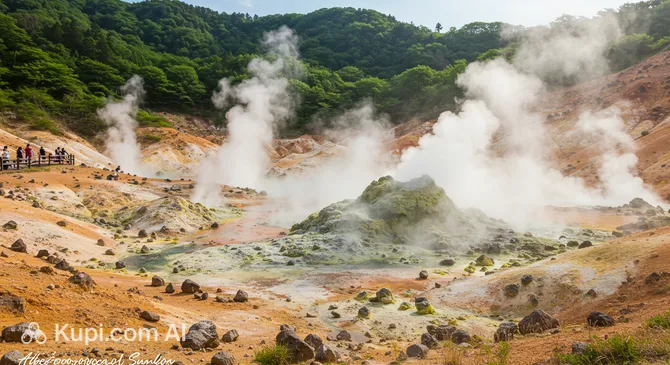
Noboribetsu. Illustration.
Source: Kupi.com AI

The atmosphere in Noboribetsu is special: here, natural power, peaceful silence, and traditional Japanese hospitality blend harmoniously to create ideal conditions for relaxation of soul and body. Tourists stroll leisurely through the streets in traditional yukatas, while the scent of mineral water wafts from numerous ryokans (Japanese inns). Noboribetsu lacks the hustle and bustle of megacities — tranquility reigns here, and every corner seems to invite you to stop and enjoy the moment.

The main magnets for tourists are, of course, the famous "Hell Valley" (Jigokudani) — an impressive volcanic crater with geysers and sulfur springs, as well as numerous onsens featuring various types of water and properties. Furthermore, Noboribetsu offers an opportunity to learn about the culture of the Ainu, the indigenous people of Hokkaido, in a themed village. The town also serves as an excellent starting point for exploring the natural beauty of northern Japan.

Noboribetsu is a place where ancient legends meet modern comfort, and every visit turns into an unforgettable journey. If you are looking for unique experiences, want to immerse yourself in the world of healing waters, see active volcanic landscapes, and touch an authentic culture, Noboribetsu will be a true discovery for you.

You can find more interesting facts on the history of Noboribetsu page.
Weather Overview

The weather in Noboribetsu is characterized by clearly defined seasons. Winters here are quite cold, with average temperatures in January around -4.9°C and December around -2.8°C. Summers are warm and more humid, with peak temperatures in August reaching an average of 20.8°C. Spring and autumn are transitional seasons with moderate temperatures.

Precipitation occurs throughout the year, but the amount varies. The highest amount of precipitation (about 6 mm) and the greatest number of rainy days (17 days) occur in August. Winter months such as January and February receive less precipitation (about 2 mm). In general, expect warm summers with occasional rain and cold winters with moderate precipitation. For more detailed information on climate conditions and the forecast for specific dates, you can visit the Noboribetsu Climate page.

Average monthly temperature

Average monthly precipitation

Interesting Facts

In addition to its famous hot springs, Noboribetsu holds many fascinating secrets and unique features that make it a truly unforgettable place. Here are just a few that might surprise you:

  • Hell Valley and its Demonic Inhabitants: The hallmark of Noboribetsu is Jigokudani, which translates as "Hell Valley." This is not just an impressive geothermal zone with swirling steam and boiling streams, but also, according to local beliefs, the home of Japanese "oni" demons. Colorful festivals are regularly held in the town in their honor, the most famous of which is the "Demon Parade."

  • Preservation of Ainu Culture: Noboribetsu is home to an important cultural center – the Ainu Culture Museum. The Ainu are the indigenous people of Japan, and the museum provides a unique opportunity to learn about their rich history, traditional way of life, crafts, and ancient rituals that are carefully preserved in Hokkaido.

  • Meeting Bears on Mt. Kuma-yama: At the top of Mt. Kuma (Kuma-yama), reachable by ropeway, is the Bear Park. Here, visitors can not only observe Asian black bears and brown bears but also enjoy stunning panoramic views of the surrounding landscapes.

  • A Journey to the Samurai Era: In Noboribetsu, you can immerse yourself in the atmosphere of feudal Japan by visiting the Date Jidai Mura theme park. This park accurately recreates the life and architecture of the Edo period, offering guests street performances, an introduction to samurai and ninja culture, as well as various workshops on traditional Japanese crafts.

How to Get There

When planning a trip to the famous hot springs, it is important to think through your route in advance. Since Noboribetsu is located on the island of Hokkaido, most tourists combine a flight with a train or bus ride. You can find more details on how to get to Noboribetsu on a dedicated page, and below we will look at the main transport hubs through which the path to the resort lies.

The nearest major air hub is New Chitose Airport (IATA: CTS). There is no airport in the city of Noboribetsu itself, so travelers most often fly into this international hub located near the city of Sapporo, approximately 63 km from the destination. This is the main gateway to the island with a very high passenger flow, receiving flights from all over the world and other regions of Japan. A taxi or bus ride from here will take approximately 1 hour and 55 minutes.

Another convenient option can be Hakodate Airport (IATA: HKD). It is located in the city of Hakodate, at a distance of about 75 km from Noboribetsu. Although this airport is smaller, it serves a sufficient number of flights and can be convenient if you are planning a trip through the southern part of Hokkaido. Travel time by road will be approximately 2 hours and 15 minutes.

For clarity, here is a summary of the main airports:

AirportPassenger trafficDistance
New Chitose Airport23.3 mln63 km
Hakodate Airport1.8 mln75 km
Okadama Airport575 20681 km
Okushiri Airport24 334143 km
Tokachi-Obihiro Airport650 000177 km

Rail connections also play a key role in the region's transport accessibility. Although there is no Shinkansen station in the immediate vicinity of the resort area, the town is served by JR Noboribetsu station, located on the Muroran line. Limited express trains from Sapporo and Hakodate arrive here regularly. From the railway station to the famous onsens and hotels, you can get there by local bus or taxi in about 15 minutes.

Main Attractions

Noboribetsu, famous for its natural beauty and thermal springs, also offers visitors several interesting man-made and gastronomic sites. Among them, several spots stand out that can complement your trip and introduce you to different aspects of local culture.

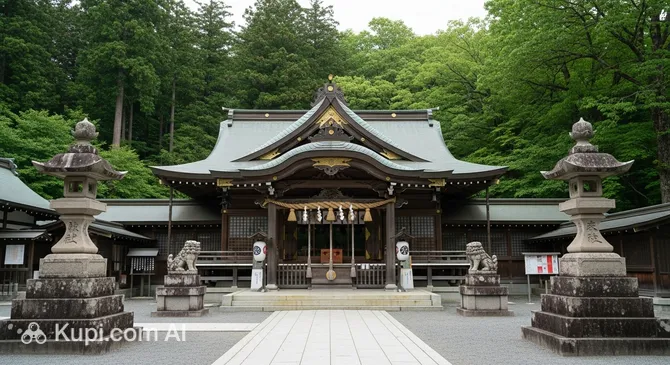
One such place is Katta Shrine. This is a traditional Shinto shrine where you can experience Japan's spiritual culture, enjoy peace and quiet, and admire authentic architecture. A visit to the shrine will allow for a deeper understanding of local beliefs and traditions, as well as an opportunity for peaceful relaxation.

Katta Shrine. Illustration.
Source: Kupi.com AI

Traveler photos:

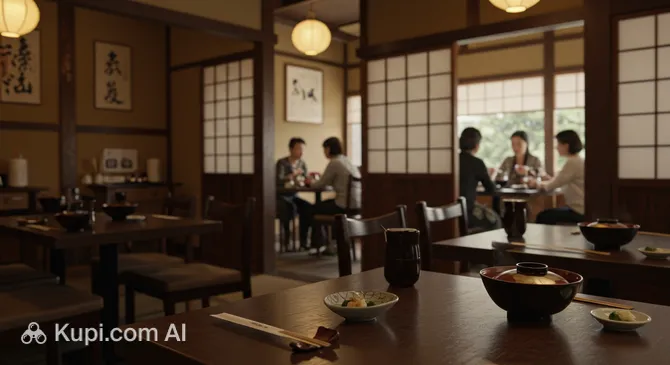
For a gastronomic experience and a taste of local cuisine, consider the Tsuru Tsuru Ya restaurant. The name likely hints at the pleasure of slurping noodles, which is an integral part of Japanese culinary tradition. Here, tourists can try authentic dishes prepared from fresh local ingredients and enjoy a welcoming atmosphere.

Tsuru Tsuru Ya. Illustration.
Source: Kupi.com AI

Traveler photos:

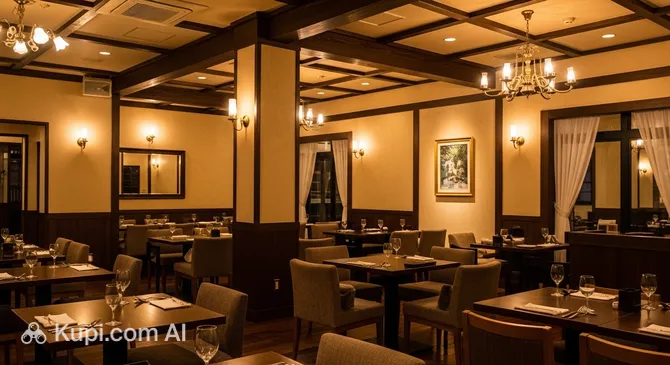
If during your journey through Noboribetsu you crave something more familiar to the European palate or are in the mood to try a Japanese interpretation of Western dishes, then Ishikawa Western Cuisine could be an excellent choice. This place offers a chance to get acquainted with so-called "yoshoku" cuisine — adapted Western recipes popular in Japan — or simply enjoy high-quality dishes in a cozy setting.

Ishikawa Western Cuisine. Illustration.
Source: Kupi.com AI

Traveler photos:

Local Cuisine

The gastronomic world of Noboribetsu is a true reflection of Hokkaido's rich nature and the region's unique geothermal features. The cuisine here is famous for the freshest seafood and original dishes that attract foodies from all over the world. If you are planning a trip, be sure to set aside time to get acquainted with local culinary delights.

The main pride of Noboribetsu is certainly its seafood dishes. You must try "kaisen-don" — a generous portion of rice topped with an assortment of the freshest sea delicacies such as salmon, roe, scallops, and sea urchins. Many restaurants in the town serve fish caught in the surrounding waters that very same morning. Another iconic dish is Noboribetsu-style ramen. This hearty soup with a thick meat or fish broth, noodles, egg, vegetables, and local spices acquires a special depth of flavor thanks to the use of local mineral water in its preparation.

In addition to these hits, it is worth paying attention to "onsen tamago" — eggs boiled directly in the hot springs. They acquire a delicate texture and a light sulfuric aftertaste, considered a true local delicacy. On the city streets, you can find stalls preparing fragrant yakisoba — fried noodles with vegetables and meat or seafood. This is an excellent option for a quick and satisfying snack.

Regarding drinks, traditional Japanese sake or shochu pairs perfectly with seafood dishes. Among non-alcoholic options, you can find various types of Japanese tea, as well as drinks based on fresh fruit and Hokkaido milk, especially if you catch one of the local food festivals. These festivals are a gastronomic adventure in themselves, where you can try dishes made from crab, oysters, and scallops in the open air.

Locals and tourists enjoy food in a variety of establishments. These can be cozy restaurants specializing in seafood or ramen, such as Tsuru Tsuru Ya, or lively local markets where you can not only buy the freshest seafood and seasonal vegetables but also try them on the spot. Street food also plays an important role in the gastronomic culture of Noboribetsu, offering quick and delicious introductions to local specialties.

Overall, the Noboribetsu food scene offers an authentic Japanese experience with an emphasis on fresh ingredients and unique local recipes. This is a place where everyone will find a dish to their liking, whether it's an exquisite seafood dinner or a hearty bowl of fragrant ramen.

Travel Tips

Welcome to Noboribetsu, the famous resort town on the island of Hokkaido! To make your journey through this amazing place, known for its volcanic landscapes and healing hot springs, as comfortable as possible and leave you with only pleasant impressions, we have prepared some practical tips for you.

  1. Clothing and Essentials: The climate in Noboribetsu, as in all of Hokkaido, is characterized by distinct seasonality. In summer (June-August), take light clothing, but don't forget a sweater or light jacket for the evenings. In spring and autumn, the weather is changeable, so layering is your best friend. In winter (December-February), warm, waterproof clothing, a hat, gloves, and a scarf are mandatory, as there is a lot of snow here. Comfortable shoes are an absolute necessity, especially if you plan to explore the Jigokudani valley. Don't forget a universal adapter for electronics and perhaps a portable power bank. There is no specific dress code for visiting most tourist sites, but follow local rules when visiting onsens (hot springs).
  2. Local Transport: Noboribetsu is a relatively small town, and many attractions in the resort area can be reached on foot. The main public transport is the Donan Bus company, which connects JR Noboribetsu station, the onsen town, and major tourist spots including Jigokudani. Taxis are available but can be quite expensive. Car rental may be justified if you plan to travel extensively around Hokkaido, but for moving within Noboribetsu itself, it is not always necessary.
  3. Finances: The local currency is the Japanese yen (JPY). You can exchange currency at airports, large banks, or some hotels, but it is better to have some cash with you upon arrival. Credit and debit cards (Visa, Mastercard) are accepted in many hotels, restaurants, and shops oriented toward tourists; however, cash is still very important, especially in smaller establishments and for paying bus fares. ATMs that accept international cards can be found in post offices (Japan Post Bank) and 7-Eleven stores (Seven Bank). Tipping is not common in Japan — good service is already included in the bill.
  4. Health and Safety: Noboribetsu, like Japan in general, is a very safe place for tourists. Pharmacies exist, but finding English-speaking staff can be difficult, so it's better to bring a basic set of medications with you. Medical care is available to tourists, but it is recommended to have travel insurance. Be careful in geothermal zones like Jigokudani: do not go off the marked trails and follow the warning signs.
  5. Communication: The main language is Japanese. English is understood in tourist information centers, large hotels, and some restaurants, but overall its prevalence is limited. Learn a few basic phrases: "Konnichiwa" (Hello), "Arigato" (Thank you), "Sumimasen" (Excuse me/I'm sorry). For constant internet access, it is recommended to rent a pocket Wi-Fi router or buy a tourist SIM card — this can be done at the airport or ordered online in advance. Free Wi-Fi is found in hotels and some public places.
  6. Local Etiquette: Japanese people are very polite. A slight bow is a common form of greeting. In public places, especially on transport, try to be quiet and not talk loudly on the phone. It is very important to follow onsen etiquette: before entering the shared bath, you must wash thoroughly in the designated area, enter the water without a swimsuit, be quiet, and do not swim. If you have tattoos, check the policy of the specific onsen, as entry may be restricted.
  7. What to Avoid: Do not stick your chopsticks vertically into a bowl of rice — this is associated with funeral rituals. It is not common to eat while walking on the street (except in special areas at festivals). Also, don't forget to take off your shoes when entering Japanese homes, traditional restaurants (ryokans), and some temples if required.
  8. Special Tip for Noboribetsu: Be sure to dedicate time to visiting Jigokudani ("Hell Valley") not only during the day but also, if possible, in the evening when the paths may be lit, creating a mystical atmosphere. And, of course, enjoy the variety of hot springs — this is the main highlight of Noboribetsu!

We hope these tips help you plan an unforgettable trip to Noboribetsu and fully enjoy its unique nature and culture. Have a great trip!

Entertainment & Nightlife

The nightlife in Noboribetsu is significantly different from what you would find in Japan's megacities. As a renowned onsen resort, the town offers calm and relaxing evening entertainment rather than loud parties. Evenings here are usually dedicated to enjoying the hot springs, taking leisurely walks, and eating delicious food.

The main hub of evening activity is Gokuraku Street, or "Paradise Street," in the heart of the onsen town. This is where many ryokans, souvenir shops, and restaurants are concentrated. The atmosphere is very peaceful: tourists, often dressed in yukata (light kimonos provided by hotels), stroll along the street, enjoying the fresh air after their baths. Most establishments here operate until late evening, but do not expect 24-hour clubs.

Dinner is an important part of the evening program in Noboribetsu. The town offers many options, from traditional Japanese cuisine to more familiar European dishes. You can try local Hokkaido delicacies. For example, it is worth looking into establishments like the Tsuru Tsuru Ya restaurant, where you can enjoy local cuisine, or Ishikawa Western Cuisine for those who prefer Western dishes. Many restaurants offer a cozy atmosphere, perfect for ending the day.

Tsuru Tsuru Ya. Illustration.
Source: Kupi.com AI

Traveler photos:

As for bars and clubs, Noboribetsu is not the place where you will find lively dance floors and DJ sets until dawn. However, many ryokans have their own small bars or lounge areas where you can spend the evening with a drink. Also popular are izakayas — traditional Japanese drinking establishments serving alcohol and snacks. They offer a more authentic experience and a chance to chat with locals or other tourists. There are no night markets or large concert venues here.

Practical tips for an evening in Noboribetsu: the best time for walking and dinner is after 6:00 PM, when daytime activity subsides. Prices in restaurants and izakayas vary but generally correspond to the average level for tourist spots in Japan. Getting around the central part of the resort is easy on foot. If your hotel is further away, you can use a taxi, although their availability late at night may be limited. In terms of safety, Noboribetsu, like most places in Japan, is very safe for evening and night walks.

During the day, Noboribetsu offers many interesting activities. You can explore the famous "Hell Valley" (Jigokudani) with its volcanic landscapes, visit the Noboribetsu Bear Park, the Edo-period theme park Date Jidaimura, or walk to Lake Oyunuma. It is also worth visiting Katta Shrine to touch upon local culture and history.

Parks & Museums

Noboribetsu is not only about famous hot springs but also a place where you can enjoy impressive natural landscapes and get acquainted with interesting cultural sites. The town offers a unique combination of volcanic activity, lush greenery, and historical heritage.

Among the natural wonders of Noboribetsu, Jigokudani, or "Hell Valley," stands out particularly. This is an impressive volcanic crater with active sulfur springs, geysers, and bubbling mud pots. Walking trails allow you to safely explore this geothermal zone and feel the power of nature. Nearby is Oyunuma — a picturesque hot lake surrounded by forest, from which the river with the natural Oyunumagawa foot bath originates. Hiking enthusiasts will also appreciate the trails through the virgin forest surrounding the resort, offering fresh air and beautiful views.

To immerse yourself in the culture and history of the region, it is worth visiting several iconic places. One of the most popular is Noboribetsu Date Jidaimura — a historical theme park recreating the atmosphere of the Edo period. Here you can see traditional houses, samurai performances, geisha processions, and learn more about Japanese history in an interactive way. Another interesting place is the Noboribetsu Bear Park, located at the top of a mountain. In addition to observing Hokkaido brown bears, you can often find exhibits dedicated to the culture of the Ainu, the indigenous people of Hokkaido, here.

Among the historical and spiritual sites of the city is Katta Shrine. This Shinto shrine offers a peaceful atmosphere for reflection and an introduction to local religious traditions. It is an important part of the cultural landscape of Noboribetsu and attracts both locals and tourists looking for peace and authenticity.

Katta Shrine. Illustration.
Source: Kupi.com AI

Traveler photos:

For a complete experience, don't miss the chance to take a photo with one of the many demon statues (oni), which are considered guardian symbols of the Noboribetsu hot springs. It's also worth checking out small local shops where you can find unique souvenirs related to the volcanic theme and Ainu culture.

Getting Around

Getting around Noboribetsu and its surroundings is relatively simple for tourists, although the public transport system here has its own characteristics typical of a small resort town. The main form of public transport is buses. They connect key points, such as the JR Noboribetsu railway station, where most tourists arrive, with the main resort area of Noboribetsu Onsen, where hotels, ryokans, and the famous Hell Valley (Jigokudani) are located. There are no subways, trams, or trolleybuses in Noboribetsu.

The bus fare payment system is fairly standard. You can pay with cash directly when exiting the bus. Often, when boarding, you need to take a paper ticket with your stop number, and upon exiting, the driver or an electronic board will show the fare to the current stop. Major Japanese transport IC cards (such as Suica, Pasmo, Kitaca) are also widely accepted. You can pay with them by simply tapping the card against the validator when boarding and exiting. You can top up these cards or buy single-trip tickets for some routes (if provided) at major stations or from machines.

Tourists should pay attention to bus schedules, especially if a trip is planned for early morning or late evening. Although transport in Japan is famous for its punctuality, in small towns like Noboribetsu, intervals between trips can be longer, and final runs may end earlier than in megacities. Schedules are usually available at bus stops and sometimes on transport company websites. To board the bus, the back or middle door is most often used, and to exit — the front door next to the driver, where the payment occurs.

In addition to buses, there are other ways to get around in Noboribetsu. Taxis can be found at the railway station and in the resort area, but this will be a more expensive option. For those planning to explore not only Noboribetsu itself but also the picturesque surroundings of Hokkaido, renting a car can be a convenient solution. In the Noboribetsu Onsen resort area itself, many attractions are within walking distance. One of the unique transport features is the Noboribetsu Ropeway, which will take you to the top of the mountain where the Bear Park is located and panoramic views open up. This is more of a tourist attraction than daily transport, but it is worth including in your visit program.

Accommodation

Noboribetsu, famous for its hot springs (onsens), offers tourists a variety of accommodation options to suit any preference and budget. Here you will find traditional Japanese ryokans with their own onsens, more familiar Western-style hotels, and guesthouses for budget travelers.

Most popular accommodation options are concentrated in the Noboribetsu Onsen area, which is in close proximity to the main attraction — "Hell Valley" (Jigokudani) and other thermal springs. Choosing accommodation in this area will provide you with easy access to the onsens, souvenir shops, and restaurants. Some hotels and ryokans also offer a shuttle service from Noboribetsu railway station.

The main emphasis in Noboribetsu is on ryokans — traditional Japanese inns where you can fully experience local hospitality. Many ryokans offer rooms with tatami mats, futons, and exquisite kaiseki dinners included in the room rate. In addition to ryokans, the town also has modern hotels offering comfortable rooms with familiar amenities. Although specific famous hotels are not listed in the available data, the choice is wide enough, ranging from mid-range establishments to more luxurious resort complexes.

When planning a trip to Noboribetsu, especially during the peak tourist season (for example, during cherry blossom season, autumn colors, or winter festivals), it is strongly recommended to book accommodation in advance. Popular ryokans and hotels with good reviews can be fully booked several months before the intended travel date.

The price range for accommodation in Noboribetsu varies: from relatively budget options in guesthouses to luxury rooms in premium ryokans. You can book accommodation through popular international online booking platforms, official hotel websites, or by contacting the chosen ryokan directly. Some Japanese booking systems may also offer interesting options.

Nearby Cities

For those who want to explore the surrounding area, Noboribetsu serves as an excellent starting point for day trips to several interesting nearby locations:

CityPopulationDistance
Muroran81 58015 km
Date58 23221 km
Shiraoi16 63826 km
Tomakomai170 22347 km
Mori17 33356 km

These nearby destinations offer a variety of experiences. Particularly noteworthy is Tomakomai, the nearest major city, which is an important port and industrial center but also interesting for its proximity to natural sites such as Lake Utonai, famous for its birdlife. A trip to Sapporo, the vibrant capital of Hokkaido, will introduce you to its famous Snow Festival (if traveling in winter), delicious ramen and beer, as well as numerous parks and museums. Equally interesting is Hakodate, one of Japan's first ports opened to international trade, which charms with its unique atmosphere combining Japanese and Western architectural styles and the famous night view from Mount Hakodate. Other cities on the list, such as Ebetsu, a suburb of Sapporo, and the picturesque Otaru with its famous canal and glass workshops, also offer their own unique attractions and can be the destination for an exciting day trip.

Shopping & Souvenirs

Noboribetsu, known for its hot springs and the natural beauty of Hokkaido, offers tourists a rather specific shopping experience, focused primarily on souvenirs and local products related to the onsen theme and the unique culture of the region. Here you will not find huge shopping malls of global brands, but you can purchase authentic Japanese goods to remember your trip to Japan.

The main commercial activity for tourists is concentrated in the onsen area, especially on Gokuraku Dori (Gokuraku Street). This is the main street of the resort town of Noboribetsu Onsen, along which numerous souvenir shops, stores of local delicacies, and craft products are located. Strolling here, you can find many interesting items and try local treats.

There are no large shopping centers in the conventional sense in Noboribetsu. Shopping here is more intimate and concentrated in small shops and stalls, many of which are family businesses. This gives the purchasing process a special charm and allows for a closer look at the local culture.

There are also few specialized large markets, such as food or flea markets, in Noboribetsu. However, in souvenir shops and some local stalls, you can find fresh produce from the Hokkaido region or handmade items that partly replace the traditional market experience.

As for souvenirs, it is worth bringing back from Noboribetsu:

  • Onsen-related goods: bath salts with minerals from local springs, soaps, towels with onsen symbols, traditional Japanese yukata robes.
  • Items featuring "oni" demons – the guardian symbols of the Noboribetsu hot springs. These can be figurines, masks, or keychains.
  • Local delicacies: sweets based on adzuki beans, cookies, and Hokkaido dairy products (cheeses, candies).
  • Products by local craftsmen, such as wooden crafts.

Shops in Noboribetsu usually operate from 10:00 or 11:00 AM to 6:00 or 7:00 PM. Souvenir stalls in the resort area may stay open a bit longer, especially during the peak tourist season. Regarding payment, while credit cards are accepted in many hotels and some larger shops, in small stalls and restaurants, preference is often given to cash. It is recommended to always carry some Japanese yen with you.

For foreign tourists in Japan, a Tax Free system is available. When purchasing goods for a certain amount (usually over 5,000 yen excluding tax) in stores with the appropriate license (look for the "Tax-Free Shop" sign), you can arrange a consumer tax refund. To do this, you must present your passport at the checkout.

Reached the end of the page?

That means the route is fully explored