Support

Muroran

About

Muroran is a colorful port city located in Japan, on the southwestern coast of the island of Hokkaido. It is known for its industrial prowess, picturesque coastal scenery, and a unique atmosphere where the rugged beauty of industrial sites harmoniously blends with natural wonders. The city is nestled at the entrance to Uchiura Bay, forming a natural horseshoe-shaped harbor.

The climate in Muroran is temperate, with warm but not hot summers and snowy winters typical of Hokkaido. The city's population is approximately 81,500 people. Muroran attracts travelers not only with its industrial landscapes but also with the opportunity to enjoy nature and local culture.
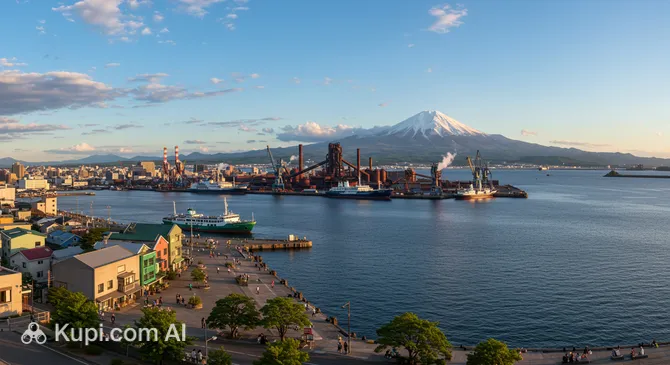
Muroran. Illustration.
Source: Kupi.com AI

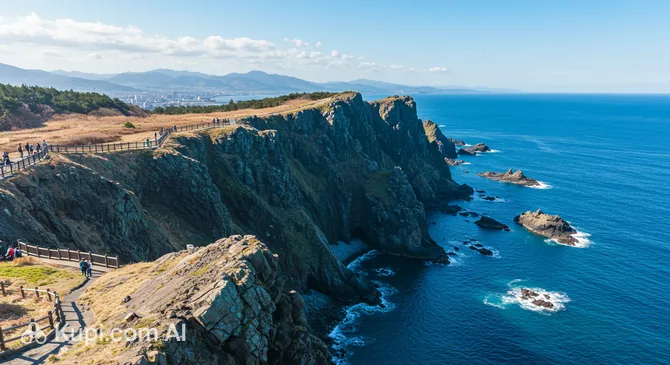
One of the main natural attractions of Muroran is Cape Chikyu (Chikyu Misaki), which offers breathtaking panoramic views of the Pacific Ocean, especially impressive at sunrise and sunset. A picturesque lighthouse, which has become a symbol of this place, is also located here. Another iconic landmark of the city is the impressive Hakucho Bridge, one of the largest suspension bridges in eastern Japan, which is particularly beautiful when illuminated in the evening. Fans of unusual sights should look out for the so-called "factory night views" — industrial complexes sparkling with lights, creating a futuristic scene.

Muroran offers its guests a unique combination of industrial aesthetics and natural beauty. This city is definitely worth a visit to discover a different side of Hokkaido and enjoy its unique charm.

You can find more interesting facts on the history of Muroran page.
Weather Overview

The weather in Muroran is characterized by significant seasonal fluctuations. In winter, from December to February, it is cold: the average temperature in January is -4.1°C, with frequent precipitation (about 15 wet days per month), though the total amount is usually small (about 2 mm). Summer, from June to August, is moderately warm, with the warmest month being August, featuring an average temperature of 21.4°C; this period also sees the highest amount of precipitation (about 6 mm over 16 wet days). Overall, expect Muroran to have moderately warm summers with occasional rain and cold winters with frequent but light precipitation. For more detailed information on monthly weather conditions, please visit the climate of Muroran page.

Average monthly temperature

Average monthly precipitation

Interesting Facts

Beyond its scenic views and industrial power, Muroran hides many interesting details that make it a truly unique city. Here are just a few lesser-known facts that will help you see this Japanese port city from a new perspective:

Cape Chikyu. Illustration.
Source: Kupi.com AI

Traveler photos:

  • City of Contrasts: Muroran is often called the "city of steel and swans." This is because its powerful steel industry, which shapes the city's industrial look, surprisingly coexists with natural beauty. Uchiura Bay, on the shores of which Muroran is located, is an important wintering ground for whooper swans, creating this unique contrast.

  • Unique Yakitori: Did you know that Muroran has its own unique style of yakitori? "Muroran yakitori" (室蘭やきとり) is made primarily from pork (rather than chicken as in the classic recipe) with onions and served with a special dressing of soy sauce and Western mustard. This dish is so popular that it is considered one of the city's main culinary hallmarks. You can try it in many places, including the famous Ajino Daiyo, main restaurant in Muroran.

  • Earth Cape with Ainu roots: The name of the famous Cape Chikyu (地球岬, Chikyu Misaki), which offers breathtaking views of the Pacific Ocean, actually comes from the Ainu word "ci-ke-p," meaning "cliff" or "precipice." While the modern kanji characters used to write the name can be translated as "Earth Cape" (which is symbolic given the curved horizon visible from the cape), its true origin is linked to the language of Hokkaido's indigenous people.

  • Industrial Romance of Night Views: Night views of Muroran's illuminated factories are not just an industrial landscape, but a recognized tourist attraction. Special sightseeing cruises are even organized in the city, allowing you to admire this futuristic and uniquely beautiful scene from the water. In Japan, this phenomenon is called "kojo moe" (工場萌え), which translates to "factory infatuation" or "factory aesthetics," and Muroran is one of the pioneers of this trend.

How to Get There

When planning a trip to this port city on Hokkaido island, it is important to think through your route in advance. You can find more about how to get to Muroran by exploring various transport options, but the main way for international tourists to reach the region remains flying followed by a train or bus transfer.

There is no airport in Muroran itself, but you can fly into New Chitose Airport (IATA: CTS) in Sapporo, which is about 78 km from Muroran. This is Hokkaido's main air gateway, handling many international and domestic flights. From the airport, Muroran can be reached by direct bus or JR express train in about 1.5 hours. This is the most convenient and popular route.

An alternative option is Hakodate Airport (IATA: HKD), located in Hakodate. Although it is only 62 km from Muroran in a straight line (across Uchiura Bay), the land route takes longer because it goes around the bay. This airport is convenient if you plan to visit the southern part of the island before heading to Muroran.

For clarity, here is a summary of the main airports:

AirportPassenger trafficDistance
Hakodate Airport1.8 mln62 km
New Chitose Airport23.3 mln78 km
Okadama Airport575 20695 km
Okushiri Airport24 334130 km
Aomori Airport1.3 mln177 km

Railway communication is one of the most reliable ways to reach the city. Muroran is served by the JR Muroran Main Line. The main hubs are Higashi-Muroran station, where all express trains between Sapporo and Hakodate stop, and the terminal Muroran station, located closer to the port and tourist sites. A trip on the "Limited Express Suzuran" or "Hokuto" from Sapporo takes about an hour and a half and offers beautiful coastal views.

Main Attractions

Muroran, a port city on Hokkaido, offers several interesting places worth visiting. Everyone will find something here, from breathtaking natural landscapes to unique gastronomic experiences and impressive engineering structures.

One of the main gems of Muroran is undoubtedly Cape Chikyu. This place is famous for its sheer cliffs plunging into the Pacific Ocean and a picturesque lighthouse standing guard over the coast. Truly breathtaking panoramic views open up from here, especially at sunrise or sunset. Many tourists come here to enjoy the beauty of nature, take impressive photos, and feel the power of the ocean. It is one of the most photographed spots in the region, and for good reason — its beauty leaves a lasting impression.

Cape Chikyu. Illustration.
Source: Kupi.com AI

Traveler photos:

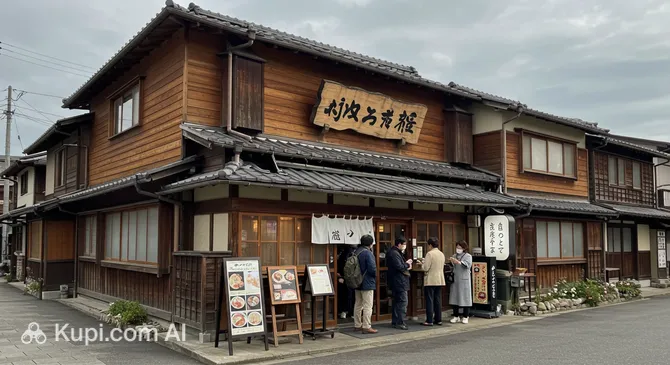
For those who want to get acquainted with the local cuisine, a visit to the Ajino Daiyo restaurant is a must. This establishment is known far beyond the city limits for its signature dish — Muroran yakitori. Unlike traditional chicken yakitori, here it is made from pork and onions, served with spicy mustard. This is a great opportunity to try an authentic local dish in the atmosphere of a real Japanese restaurant.

Ajino Daio Muroran Main Store. Illustration.
Source: Kupi.com AI

Traveler photos:

Another iconic attraction in Muroran is the Hakucho Bridge. This majestic suspension bridge, one of the largest in eastern Japan, connects different parts of the city across the bay. The bridge not only performs an important transport function but is also a true symbol of Muroran. It looks especially beautiful in the evening when the lights are turned on, creating an impressive sight. A walk or drive across the bridge offers wonderful views of the port and the surrounding landscapes.

Local Cuisine

The gastronomic scene of Muroran, a port city on Hokkaido, will delight lovers of hearty and authentic Japanese cuisine. Thanks to its location, the city is famous for its fresh seafood, which forms the basis of many local dishes. However, Muroran is known not only for the bounty of the sea but also for unique specialties reflecting its industrial past and culinary creativity.

Be sure to try Muroran Yakitori — it is the city's calling card. Contrary to the name (yakitori usually means chicken skewers), here they are made from pork, skewered with onions. They are served with a spicy mustard sauce, which gives the dish a unique flavor. This hearty and aromatic treat is perfect for getting to know local culinary traditions.

Another iconic specialty is Muroran Curry Ramen. This thick and rich curry-flavored noodle soup will warm you up in any weather. Its unique taste combines the spiciness of curry with a traditional ramen base. Many local establishments are proud of their curry ramen recipes, and one of the famous places to try it is Ajino Daiyo, main restaurant in Muroran.

Ajino Daio Muroran Main Store. Illustration.
Source: Kupi.com AI

Traveler photos:

Of course, being a port city, Muroran offers a rich selection of fresh seafood. Try sashimi, sushi, or grilled fish caught in local waters. Scallops, crabs, and various types of seasonal fish are particularly popular. Look for them in restaurants specializing in seafood, as well as at local markets where you can see the full diversity of the catch.

As for drinks in Muroran, as in all of Japan, sake and shochu are popular and complement local dishes perfectly. Local beer is also worth noting. Among non-alcoholic drinks, green tea is invariably popular, along with various lemonades and juices.

The dining culture in Muroran involves visiting a variety of establishments. Locals and tourists often choose small, cozy restaurants specializing in specific dishes, such as ramen or yakitori. Izakayas — Japanese pubs where you can not only drink but also order various snacks — are also popular. Although street food is not as common here as in some other Asian cities, interesting local delicacies can be found at markets or during festivals.

Travel Tips

Welcome to Muroran! To make your trip to this interesting port city on Hokkaido island as comfortable and memorable as possible, we have prepared some practical tips. They will help you find your way around and enjoy everything Muroran has to offer.

  1. Clothing and Essentials: The climate in Japan, and especially in Hokkaido, is quite changeable. In summer, Muroran can be warm and sunny, but evenings can be cool, especially by the water. In winter, it is cold and snowy.
    • Spring (April-May) and Autumn (September-October): Bring layered clothing – t-shirts, sweaters, a light jacket. Rain is possible, so a waterproof windbreaker or umbrella will come in handy.
    • Summer (June-August): Light clothing, but be sure to have a sweater or cardigan for evening walks. Don't forget sunscreen.
    • Winter (November-March): A warm winter jacket, hat, gloves, scarf, and waterproof shoes are essential.
    • Always: Comfortable walking shoes are key. Bring a universal adapter (Japan uses type A and B sockets, voltage is 100V). When visiting temples and some traditional establishments, be prepared to remove your shoes; sometimes modest clothing (covered shoulders and knees) is required.
  2. Getting Around Town: Moving around Muroran is quite convenient.
    • Public Transport: Buses are the main mode, connecting different city districts and the railway station. Schedules are usually punctual.
    • Taxis: Available but can be an expensive pleasure, especially for long distances. Convenient for short trips or if you have a lot of luggage.
    • Car Rental: Can be a good option if you plan to explore the outskirts of Muroran and the natural beauty of Hokkaido. Remember that in Japan people drive on the left, and you will need an international driving permit.
    • On Foot: Central areas of Muroran can be explored on foot, enjoying the views.
  3. Finances: The local currency is the Japanese yen (JPY).
    • Currency Exchange: It is best to change money at the airport upon arrival or at banks in major cities. There are also banks in Muroran, but the rate may be less favorable.
    • Bank Cards: Credit and debit cards are accepted in many hotels, large shops, and restaurants. However, always have some cash with you, especially for small cafes, local markets, and public transport. Not all international cards may work in all ATMs; look for ATMs in post offices (Japan Post Bank) or 7-Eleven stores – they usually accept foreign cards.
    • Budget: Japan is not the cheapest country. An approximate daily budget per person (excluding accommodation) can range from 7,000 to 15,000 JPY, depending on your plans.
    • Tipping: In Japan, tipping is not practiced and may be perceived as impolite. Excellent service is already included in the price.
  4. Health and Safety: Japan is one of the safest countries in the world, and Muroran is no exception.
    • Pharmacies: Easy to find, but most medicines are sold by prescription, and staff rarely speak English. Bring any necessary medications with you in sufficient supply.
    • Medical Care: Medical service is at a high level but expensive. Be sure to take out travel insurance before your trip.
    • Safety: The crime rate is low. Just follow standard precautions: keep an eye on your belongings in crowded places.
  5. Communication: The official language is Japanese.
    • English Language: In tourist areas and hotels, staff may speak English, but overall the level of English proficiency is not very high. Learn a few basic phrases in Japanese: "Konnichiwa" (Hello), "Arigato" (Thank you), "Sumimasen" (Excuse me/Sorry).
    • SIM Card and Wi-Fi: We recommend purchasing a tourist SIM card or renting a pocket Wi-Fi router upon arrival at the airport or in advance online. Free Wi-Fi is available in some hotels, cafes, and public places.
    • Useful Apps: Google Maps (for navigation), HyperDia or Japan Travel by Navitime (for train and public transport schedules), Google Translate (for translation).
  6. Local Etiquette: Japanese people are very polite and value respect for traditions.
    • Greetings: A slight bow is common. Handshakes are less frequent but acceptable when communicating with foreigners.
    • In Public Places: Try not to speak loudly on the phone on public transport. Eating on the go is not encouraged (except in specially designated areas or at street food festivals).
    • Shoes: Remove your shoes when entering homes, temples, and some traditional restaurants and inns (ryokans).
    • Trash: There are few trash cans on the streets. Be prepared to carry your trash with you until you find a suitable place for its disposal.
  7. What to Avoid:
    • Do not leave chopsticks sticking vertically in rice – this is associated with funeral rituals.
    • Do not point at people with your finger. Use an open palm.
    • Avoid blowing your nose in public; it's better to go to a restroom.
  8. Muroran Specialty: Be sure to try the local specialty – "Muroran yakitori". These are not chicken but pork skewers with onions, served with Japanese mustard. Also, the city is famous for its stunning night views of industrial areas and bridges, called "kogyo yakei" (factory night scenery). Find an observation deck and enjoy this unique spectacle!

We hope these tips help you plan an unforgettable trip to Muroran. This city has its own unique charm, and we are sure it will leave you with the warmest impressions!

Entertainment & Nightlife

Evening Muroran offers its guests a calm and cozy atmosphere, far from the noise of giant metropolises. Nightlife here is concentrated mainly around central areas such as Chuo-cho or near the railway station. Instead of large night clubs, you will find many traditional Japanese drinking establishments – izakayas, small bars, and restaurants where you can spend a pleasant evening.

The core of night entertainment in Muroran consists of local bars and izakayas, where you can sample local cuisine and various drinks in a relaxed setting. The crowd is predominantly local, allowing for a deeper dive into the daily life of a Japanese city. Many restaurants also stay open late, offering a hearty dinner. For example, you can visit the Ajino Daiyo main restaurant in Muroran, famous for its local specialties. Karaoke is also a popular evening pastime, as it is throughout Japan — a great way to have fun with friends.

Ajino Daio Muroran Main Store. Illustration.
Source: Kupi.com AI

Traveler photos:

When planning your evening leisure, keep in mind that most establishments fill up closer to the evening, especially on Fridays and Saturdays. The dress code is usually casual unless you are heading to an exclusive venue. Taxis are the most convenient way to get around the city at night, as public transport may have a limited schedule. Muroran, like most cities in Japan, is considered very safe, but common precautions should always be taken. You can call a taxi by asking the venue staff or by using specialized apps if available.

During the day, Muroran also offers interesting leisure options. You can explore picturesque nature spots, such as the famous Cape Chikyu, which offers breathtaking ocean views. There are also local parks for walks and small museums that introduce the history and culture of the Hokkaido region.

Parks & Museums

Muroran, stretching along the picturesque coast of Hokkaido, attracts travelers not only with its industrial landscapes but also with amazing natural spots and places where you can touch the local culture and history. The city offers a harmonious combination of industrial zones with breathtaking views and cultural sites, making it an interesting destination for curious tourists.

Among the natural gems of Muroran, the famous Cape Chikyu holds a special place. This location captures the imagination with its sheer cliffs washed by the waters of the Pacific Ocean and its iconic lighthouse. Breathtaking panoramic views open up from here, especially beautiful at sunrise and sunset. Another attraction for nature lovers is Tokkarisho Park. It is known for its impressive rock formations and observation decks, from which you can also enjoy magnificent seascapes and fresh air. Walking the trails here will provide unforgettable impressions and allow you to feel the power of Hokkaido's nature.

The cultural life of Muroran also offers interesting discoveries. The main repository of the city's history is the Muroran City Museum. Here, visitors can learn about the city's development, its close connection with the sea, and the steel industry. Exhibits often include artifacts related to the culture of the Ainu, Hokkaido's indigenous people, as well as items reflecting the daily life and traditions of local residents. For a family holiday and to get to know the region's marine inhabitants, the Muroran City Aquarium is worth a visit. Here you can see representatives of the local fauna, as well as observe penguins and seals. The city also has small art galleries where works by local artists are exhibited.

Muroran's historical heritage is reflected in its architecture. Old port facilities and some preserved buildings are reminders of the city's rich industrial past. The majestic Hakucho Ohashi Bridge deserves special attention; it is not only an important transport artery but also a modern attraction offering views of the port. A walk along the embankment will allow you to better feel the industrial character of the city. For more authentic experiences, visit the local markets to try fresh seafood, or explore the small temples and shrines scattered around the city to get a sense of the local flavor.

Getting Around

Getting around Muroran is quite convenient thanks to a well-developed public transport system. The core of the city's transport network consists of buses that connect various districts and attractions. You can also use local railway lines to move around some parts of the city and its surroundings.

The bus network in Muroran is primarily managed by the Donan Bus company and covers most urban areas. Buses run on a schedule, which can be found at stops and sometimes on the transport companies' websites. Fares are usually paid when exiting the bus. If the system does not use a fixed fare, you must take a small ticket (整理券 - seiriken) with your boarding stop number when entering through the back or middle door, so the driver can calculate the fare when you exit through the front door. Cash is accepted (small change is advisable), as are common Japanese IC transport cards like Kitaca, Suica, or Pasmo, which significantly simplifies the process.

The JR Hokkaido Muroran Main Line passes through Muroran. Several stations on this line, such as Muroran Station and Higashi-Muroran, are located within the city limits. This allows for the use of trains to travel between some districts, as well as for convenient connection with neighboring settlements. Train tickets can be purchased at station vending machines, or you can use the same IC cards as for buses.

Bus fares in Muroran depend on the distance traveled; they usually start from a few hundred yen. For tourists planning to travel a lot, day passes for buses may be available, offering savings. It is best to check for information about such passes on the spot, for example, at tourist information centers or directly from bus drivers. Using IC cards is not only convenient but can sometimes provide a small discount compared to paying in cash.

Public transport in Muroran usually starts operating early in the morning and finishes by late evening, though the frequency of services may decrease in the evening hours and on weekends. To plan routes, it is recommended to use online maps or navigation apps like Google Maps or JapanTransit, which often show current schedules and routes. You can top up your IC card balance at railway stations and in some convenience stores (konbini). It is better to have cash for the bus fare, as the driver may not always have change for large bills.

In addition to public transport, other ways of getting around are available in Muroran. Taxis can be found at special stands near stations and major sites or called by phone; this is a comfortable but more expensive option, especially for short trips. For leisurely walks through the city center or along the picturesque coast, you might consider bicycle rental if such a service is provided by local rental points. Of course, many central areas of Muroran, including shopping streets and parks, can easily be explored on foot, allowing you to enjoy the port city atmosphere.

Accommodation

In Muroran, tourists will find a variety of accommodation options to suit different preferences and budgets. The city offers budget-friendly options such as guesthouses and hostels, as well as more comfortable mid-range hotels. For those looking for more space or a home-like feel, apartments and various private rental options are also available.

When choosing a place to stay in Muroran, pay attention to areas near major transport hubs or popular attractions. The central part of the city usually offers good access to shops, restaurants, and public transport. Accommodation options with views of the picturesque coast or in areas with easy access to iconic spots like Cape Chikyu can also be attractive.

It is recommended to book accommodation in Muroran in advance, especially if your trip falls during peak tourist season or during major local events. This will help ensure better choices and more favorable prices. The most popular booking methods are international online platforms and travel aggregators; some hotels and guesthouses also offer the possibility of direct booking through their websites or by phone.

The price range for accommodation in Muroran varies from budget options to mid-range and higher-class hotels. The cost depends on the type of accommodation, its location, the season, and the range of services provided. Travelers on a budget will be able to find affordable options, while those seeking more comfort will also find suitable offers to meet their needs.

Nearby Cities

For those who want to explore the surrounding area, Muroran serves as an excellent starting point for day trips to several interesting nearby locations. For example, you can head to Sapporo, Hokkaido's vibrant capital, to experience its famous Snow Festival (if your trip is in winter), parks, and rich gastronomic scene. Another attractive option is the charming port city of Hakodate, known for its stunning night views from Mount Hakodate, the historic Motomachi district, and fresh seafood. You might also consider a trip to Tomakomai, a major industrial center and port that can surprise with its nature reserves, such as Lake Utonai, a popular bird-watching spot. Below is a table with some of the nearby cities that might be of interest to visit:

CityPopulationDistance
Noboribetsu46 83815 km
Date58 23220 km
Mori17 33340 km
Shiraoi16 63841 km
Yakumo15 67459 km

These nearby destinations provide an insight into the diverse culture, history, and landscapes of the Hokkaido region, complementing the experience of staying in Muroran.

Shopping & Souvenirs

Muroran, as an important port and industrial center of Hokkaido, offers shopping opportunities primarily focused on the daily needs of locals and unique local goods. You won't find huge shopping districts here like in Tokyo or Sapporo, but you can purchase high-quality Japanese goods and authentic souvenirs. The city can delight you with fresh seafood and products reflecting its maritime and industrial character.

Main shopping areas in Muroran are likely concentrated around major railway stations, such as Muroran Station or the busier Higashi-Muroran. Here you can find small department stores, specialty shops, and shopping arcades (shotengai) offering clothing, groceries, medicine, and household goods. A walk through these streets will allow you to experience the atmosphere of daily life in a Japanese city.

In Muroran, you may come across medium-sized shopping centers offering a standard set of clothing, electronics, and home goods stores, along with food courts. These are usually located near transport hubs or on the outskirts of the city. However, do not expect the giant malls typical of megapolises here.

As a port city, Muroran boasts markets selling the freshest seafood. Visiting such a market is a great opportunity not only to buy gifts of the sea but also to observe local trade. Additionally, there may be small markets where farmers offer seasonal fruits and vegetables.

Souvenirs typical of Hokkaido and port cities are worth bringing back from Muroran. Look for:

  • Local delicacies: Canned or dried seafood, especially scallops and other marine treats.
  • Hokkaido sweets: Although not exclusive to Muroran, popular Japanese treats produced on the island can be found here.
  • Handcrafted items: You might encounter souvenirs related to maritime themes or even the city's steel industry, if produced.
  • Products featuring symbols of local attractions.

Most shops in Muroran, as throughout Japan, are usually open from 10:00 or 11:00 AM until 7:00 or 8:00 PM. Small private shops may have their own individual schedules. Large stores and shopping centers accept international credit cards. However, in small shops and at markets, it is preferable to have cash yen with you.

Tourists in Japan can take advantage of the tax-free system. To do this, you must make a purchase of a certain amount (usually over 5,000 yen) in participating shops (look for the "Japan Tax-free Shop" sign). Present your passport at the time of purchase. The tax refund is usually processed on the spot or at special counters at the airport.

Reached the end of the page?

That means the route is fully explored