Support

Saga Castle History Museum

About

Imagine a majestic wooden building spreading amidst the calm waters of a castle moat. This is the Saga Castle History Museum — a unique site located in the city of Saga, Japan. It is a large-scale and accurate reconstruction of the main palace (honmaru) of the historical castle, recreated in 2004.
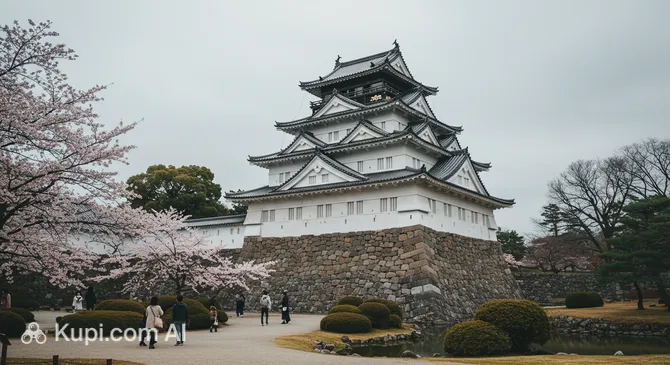
Saga Castle History Museum
Saga Castle History Museum. Иллюстрация. Источник: Kupi.com AI

This structure is considered one of the largest wooden reconstructions in the country. Once inside, you will be amazed by the sense of space: the museum floors are covered with more than 700 tatami mats, whose scent fills the halls. Although the building is relatively new, it perfectly captures the aesthetics of 1838 — the end of the Edo period.

The museum is surrounded by historical elements of the castle complex, including the foundation of an ancient watchtower and an authentic stone watercourse. This place is not just a repository of antiquities, but an architectural masterpiece that allows guests to literally step through time and find themselves in the residence of Japanese feudal lords.

Contacts

For planning your visit, it is useful to have the official details at hand. While entry to the museum is free, visitors can leave a voluntary donation to support the development of the exhibition.

How to contactContact
Address2-chōme-18-1 Jōnai, Saga, 840-0041, Japan
Phone+81 952-41-7550
Websitesaga-museum.jp

What to Do

The first thing you will need to do upon entering is follow Japanese tradition and take off your shoes. Walking across the cool and soft tatami mats in your socks immediately sets a contemplative mood. Inside, you will find themed zones featuring authentic samurai armor, old maps, letters, and detailed models of the castle.

Special attention should be paid to the halls that tell of the city's role in Japan's technological revolution. You will learn how the local domain mastered the production of Western weaponry and steam engines. For a deeper immersion, we recommend using the English audio guide, which explains the significance of each important exhibit in detail.

If your trip is planned for December, be sure to stay until evening. At this time, the Saga Light Fantasy festival takes place nearby, when the museum grounds and surrounding streets bloom with thousands of lights, creating a truly magical atmosphere in the heart of old Saga.

Getting There

Getting to this cultural center is easy. The museum is located at 2-18-1 Jonai, Saga City. If you are arriving at JR Saga station, you have several convenient travel options.

The easiest way is to take a bus. Regular services depart from the station's bus center (Exit #3); you need to get off at the Sagajo-ato stop. The trip takes about 10 minutes and costs approximately 150 yen. If you prefer comfort, a taxi ride from the station will take the same amount of time and cost around 1,000 yen.

For those who enjoy walking, the route from the station is about 2 km. It’s a pleasant 25-minute stroll through city blocks, allowing you to gradually immerse yourself in the atmosphere of the prefecture. For those traveling by rental car, it is recommended to check the parking map on the museum's official website in advance.

Ближайший город: Saga

History & Facts

The history of this place dates back to the 16th century when the original castle was founded. However, the building we see today is a brilliant reconstruction of the main palace (honmaru), built in 1838 by order of Nabeshima Naomasa, the tenth ruler of the Saga domain. This was a time when Japan stood on the threshold of great change.

Interestingly, during the Edo period, a strict Tokugawa shogunate law was in effect: "one province — one castle." This rule was introduced to limit the military power of local feudal lords. Later, during the Meiji Restoration, many castles were destroyed as symbols of a bygone feudalism. As a result, only twelve Japanese fortresses have survived to this day in their original form.

Although the main part of Saga Castle did not survive the whirlwinds of history, the palace reconstruction was carried out with incredible precision. Builders used traditional woodworking methods to recreate the spirit of the 19th century. Today, the museum serves as a living reminder of how Saga became one of the centers of technological progress and modernization for the entire country.

Time Needed

To leisurely explore the palace interiors, study the historical exhibits, and enjoy the atmosphere of old Japan, most travelers need between 1.5 and 2 hours. This is enough time to walk through all the tatami halls and listen to the audio guide.

If you also plan to walk through the adjacent park, explore the castle moat, and the massive stone foundation of the watchtower, you should allow a bit more time in your schedule. A walk around the museum grounds is especially pleasant in clear weather, when you can admire the building's exterior architecture in detail.

Working Hours

The museum welcomes visitors daily during convenient daytime hours. The schedule remains stable throughout the week:

Monday — Sunday: 09:30 – 18:00

Please note that the museum is closed during the New Year holidays — from December 29 to 31. Otherwise, it is open to tourists, except for rare maintenance days, which are usually announced in advance.

9:30 – 18:00

Nearby

A walk around the museum complex allows for a deeper understanding of the region's historical context. The area surrounding the castle has been transformed into a picturesque park, where every stone and moat holds memories of the Nabeshima clan's former greatness.

Exploring nearby sites will help you get a complete picture of what a daimyo's residence looked like in different periods of history. Here is a list of interesting places in the immediate vicinity:

NameDistance
Saga Castle Ruins0 km
Saga Castle Park0.1 km
Saga Prefectural Art Museum0.3 km
Okuma Shigenobu Memorial Museum0.6 km
Saga Shrine0.7 km
Saga Balloon Museum0.8 km
Hakusan Bunga1.1 km

Reached the end of the page?

That means the route is fully explored