Support

Okuma Shigenobu Memorial Museum

About

You can explore the history of one of the East's most prominent reformers at an extraordinary site located in the city of Saga. The Shigenobu Okuma Memorial Museum is a modern cultural center dedicated to the life and legacy of the great statesman Japan gave to the world. The museum's snow-white building, with its clean, minimalist lines, immediately catches the eye of visitors.
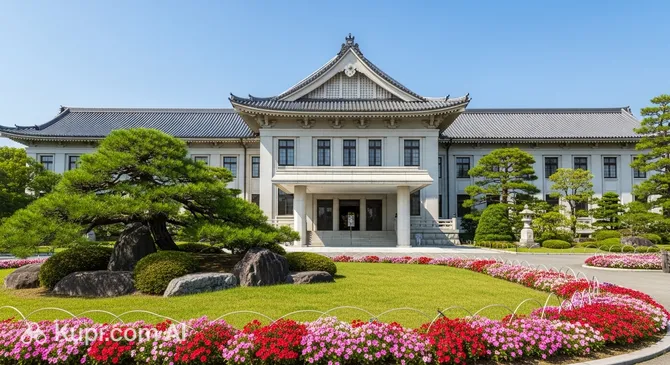
Okuma Shigenobu Memorial Museum
Okuma Shigenobu Memorial Museum. Иллюстрация. Источник: Kupi.com AI

One of the museum's primary architectural features is the magnificent red stained glass designed by Dr. Kenji Imai. This specific shade, known as "ebichu," symbolizes the official color of Waseda University, which was founded by Okuma. The stained glass is officially recognized as a National Cultural Property and creates a unique play of light within the halls.

The complex also includes the Former Residence of Shigenobu Okuma, preserved from the samurai era. Here, visitors can see the authentic setting where the future prime minister lived before the era of change. The combination of an ultra-modern museum and a historic residence makes this a landmark site for understanding Japan's path toward modernization.

Contacts

To confirm current information about exhibitions and special events, you can contact the museum administration directly. It is also recommended to check the official website before your trip for any schedule updates. Basic contact details are provided below.

How to contactContact
Address2-chōme-11-11 Mizugae, Saga, 840-0054, Япония
Phone+81 952-23-2891
Websitewww.okuma-museum.jp

What to Do

Inside the museum halls, visitors can explore the milestones of Okuma’s biography in detail, from his service as Finance Minister to the establishment of Japan's first railway. The exhibits include archival documents, personal effects, and materials highlighting his contribution to the founding of Waseda University. Particular attention should be paid to the red stained glass, which fills the space with deep, warm hues.

A tour of the former residence is a must. This is a classic example of 19th-century samurai architecture, where you can see unique interiors. Notably, the living room in the house was designed so that important political discussions remained secret from anyone outside.

When planning your visit, take note of the dates: the second floor of the historic house is open to guests only on the 5th, 15th, and 25th of each month. A walk through the museum grounds offers a rare chance to feel the quiet dignity inherent in old Saga and to realize the impact of a man whose influence on modern Japan is still felt today.

Getting There

The memorial complex is located in the historic Mizugae district, just a few kilometers from the city center. From the main Saga Station, it is most convenient to take a city bus or a taxi—the journey takes about 10–15 minutes.

For travelers arriving from other cities on the island of Kyushu, Saga is a major transportation hub. A trip on the JR lines from Fukuoka takes approximately 40 minutes. From the station, you can also enjoy a stroll to the museum, soaking in the peaceful atmosphere of the Japanese countryside.

If you are traveling by rental car, parking is provided in the immediate vicinity of the attraction. The quiet neighborhood and easy access make a visit to the Shigenobu Okuma Memorial Museum a convenient addition to any travel itinerary.

Ближайший город: Saga

History & Facts

Shigenobu Okuma was born in 1838 into a samurai family of the Saga Domain, which was renowned at the time for its interest in Western technology. It was in this province that Japan's first model steam locomotive was created, which largely shaped Okuma's lifelong passion for progress. After the Meiji Restoration, he became a key architect of the financial and industrial reforms of the new Japan.

His contribution to the country's development was immense: he served twice as Prime Minister and founded the prestigious Waseda University. As Finance Minister, Okuma actively promoted the construction of the nation's first railway, drawing on the innovative spirit of his home clan. His close ties with business leaders, such as the founders of Mitsubishi, helped lay the foundations of the state's industrial power.

The memorial complex was opened in 1967 to commemorate the 125th anniversary of his birth. The museum's architectural design, featuring its famous red stained glass, was developed by a Waseda University professor to honor the memory of its great graduate and founder. Today, this site serves as a reminder of how one person's ideas can change the destiny of an entire nation.

Time Needed

Most visitors will need about 1–2 hours for a thoughtful tour of the main museum exhibition and a walk around the grounds of Okuma’s former residence. This is sufficient time to explore the politician's personal belongings, historical documents, and the unique architecture of the buildings.

If your visit coincides with the days when the second floor of the historic house is open to the public (the 5th, 15th, and 25th of each month), or if you wish to study the architectural nuances of the red stained glass in detail, your stay may be longer. The museum's tranquil atmosphere also invites a short period of reflection in the garden.

Working Hours

The museum is open to visitors daily from Tuesday to Sunday. Opening hours are from 09:00 to 17:00, with the last entry allowed no later than 16:30. The museum is closed on Mondays; if a Monday falls on a public holiday, the museum remains open and closes the following Tuesday instead.

The complex is also closed during the New Year holidays (December 29 to January 3). We recommend checking the official website before planning your visit to stay informed about temporary exhibitions or any schedule changes.

DayWorking hours
понедельникЗакрыто
вторник09:00–17:00
среда09:00–17:00
четверг09:00–17:00
пятница09:00–17:00
суббота09:00–17:00
воскресенье09:00–17:00

Nearby

The area surrounding the museum is rich in historical monuments that allow for a deeper immersion into the atmosphere of old Japan. Exploring these locations will help you better understand the context of samurai life and the region's modernization process.

NameDistance
Saga Castle Ruins0.6 km
Saga Castle Park0.6 km
Saga Castle History Museum0.6 km
Saga Shrine0.7 km
Saga Prefectural Art Museum0.9 km
Saga Balloon Museum0.9 km
Hakusan Bunga1.2 km

Reached the end of the page?

That means the route is fully explored