Support

Tsuboigawa Koen

About

Imagine a quiet green oasis stretching along the winding riverbanks in the northern part of Kumamoto. Tsuboigawa Park is more than just a place for a walk; it is a unique space where modern flood protection engineering meets the traditional Japanese pursuit of harmony with nature. In a fascinating country like Japan, even functional structures become picturesque landmarks.
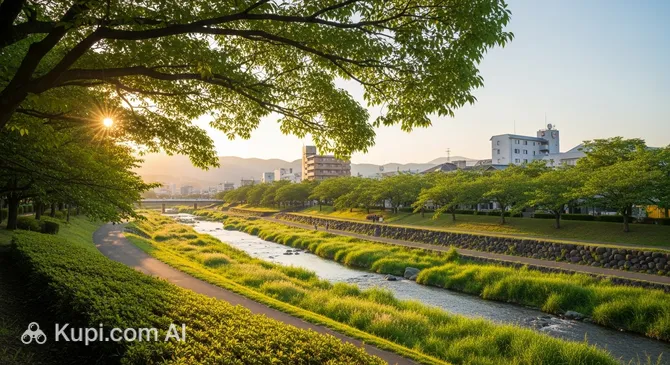
Tsuboigawa Park
Tsuboigawa Park. Иллюстрация. Источник: Kupi.com AI

This park, also known as Tsuboigawa Green Space, is well-loved by locals and tourists alike, boasting a high rating of 4.3. It combines open lawns for relaxation, well-maintained paths, and proximity to important historical sites, such as the ancient Kofun burial mounds. It is the perfect place to feel the calm rhythm of city life and take a break from the hustle and bustle of the central streets.

The park's atmosphere is enhanced by its proximity to the Tsuboi River, with pedestrian routes running along its banks. Here, you can see how the functionality of riverbank protection blends with landscape aesthetics, creating wonderful conditions for family leisure and slow contemplation of the changing seasons.

Contacts

To find out the latest information about events or visiting rules for Tsuboigawa Park, you can use the official contact details.

How to contactContact
Address25-1 Uchigoshimachi, Kita Ward, Kumamoto, 860-0863, Япония
Phone+81 96-344-8600
Websitewww.city.kumamoto.jp

What to Do

The main charm of Tsuboigawa Park lies in the opportunity for leisurely outdoor relaxation. Visitors can enjoy strolling through green alleys, watching the river flow, or relaxing on spacious lawns. In spring, the park is transformed by delicate cherry blossoms, while in autumn, it is painted in vibrant shades of gold and crimson, providing a perfect backdrop for photos.

For active travelers, there are convenient paths suitable for cycling or morning jogging. Families with children often choose the nearby Tsuboigawa Central Park for play, while history buffs can head to the ancient Inariyama Kofun burial mound to touch the region's archaeological heritage. Panorama enthusiasts will appreciate the proximity to the famous Naga-Bei wall of Kumamoto Castle, whose stark black-and-white contrast looks magnificent from the river side.

An interesting feature of the park is its educational role: here you can see the water level control system in action, demonstrating the Japanese approach to natural resource management. On hot summer days, the dense tree canopies offer welcome shade, inviting you to settle down with a book or organize a cozy picnic with loved ones.

Getting There

Reaching Tsuboigawa Park by public transport is easy: Tsuboigawa-kōen Station on the Kamoto-sen (Hohi Main Line) is located right at the entrance. The journey from central Kumamoto takes only 5–10 minutes, and tickets are easy to purchase at station terminals.

For those who prefer a car or taxi, the site is located in the immediate vicinity of Japan National Route 3. The drive from the airport takes about 30–40 minutes. Free parking is available for visitors, and the Tsuboi River shoreline serves as a convenient landmark.

If you enjoy walking, you can reach the park from the famous Kumamoto Castle in 20–30 minutes. The route follows picturesque paths along the river, allowing you to view the historic Naga-Bei wall along the way. For the most accurate navigation, using the park's GPS coordinates is recommended.

Ближайший город: Kumamoto

History & Facts

The history of this area is inextricably linked to the development of Kumamoto as a castle town. During the Edo period, powerful defensive structures were built along the banks of the Tsuboi River. A vivid testament to that time is Naga-Bei — the longest surviving castle wall (242 meters), built by the famous daimyo Kato Kiyomasa by 1607.

The more ancient layers of history are represented by the nearby Inariyama Kofun. This burial mound dates back to the Kofun period (3rd–7th centuries AD) and is recognized as a cultural heritage site of the prefecture. The presence of such a monument suggests that the park area has been a significant location for local residents for many centuries.

The modern appearance of Tsuboigawa Park is the result of a harmonious blend of engineering and environmental care. The green zone was created as part of a flood control program, which is an important part of Japanese urban planning traditions. The railway station, opened in 1995, finally established the park as an accessible and popular recreation area.

Time Needed

For a quick look around and a short walk along the river, 1–2 hours is sufficient for most visitors. This is enough time to take beautiful photos, enjoy the peace, and appreciate the park's landscape design.

If you plan to combine your visit with a tour of the Naga-Bei wall or nearby historic residences, it's better to set aside about 3 hours. Tsuboigawa Park is great for slow-paced relaxation, so you can easily spend more time here by having a small picnic on one of its lawns.

Working Hours

Tsuboigawa Park welcomes visitors daily except Monday, when the area is closed for maintenance. On other days, the park gates are open from 08:30 to 17:00.

Since the schedule may change depending on the season or special events, it is recommended to check the official Kumamoto city parks website Kumamoto for the latest information before your trip.

DayWorking hours
понедельникЗакрыто
вторник08:30–17:00
среда08:30–17:00
четверг08:30–17:00
пятница08:30–17:00
суббота08:30–17:00
воскресенье08:30–17:00

Nearby

The park's location makes it easy to include in a broader sightseeing route through the city. Its proximity to historic quarters and cultural monuments makes a walk in this part of town especially rewarding.

NameDistance
Tsuboigawa Ryokuchi Park0 km
Ichinosoko2 km
Katō Shrine2.3 km
Kumamoto Castle2.4 km
Kumamoto Castle Inari Shrine2.4 km
Contemporary Art Museum Kumamoto2.5 km
Kumamoto City Museum2.6 km

Reached the end of the page?

That means the route is fully explored