Support

Kumamoto City Museum

About

The Kumamoto City Museum invites you to immerse yourself in the centuries-old history of Kyushu island. This modern cultural hub is located in the heart of Kumamoto. This site serves as a bridge between the past and the present, offering guests a unique opportunity to see rare artifacts and learn about the destinies of the great samurai clans that shaped this region of Japan.
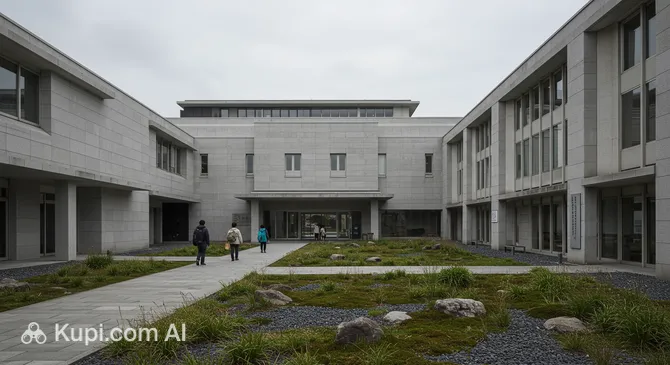
Kumamoto City Museum
Kumamoto City Museum. Иллюстрация. Источник: Kupi.com AI

The museum building is an elegant example of modern architecture that stands in harmony with the ancient walls of the famous Kumamoto Castle. The museum's exhibitions cover a wide range of topics, from archaeological finds to decorative and applied arts of the Edo period. Special attention is given to the city's role as an important administrative and military hub, making the museum a must-visit for anyone who values authenticity and a deep dive into cultural context.

Among the most impressive exhibits are authentic samurai armor, ancient weapons, and detailed scale models of fortifications. Thanks to its interactive approach and high-quality exhibition design, the museum is popular with both history researchers and regular tourists wishing to touch Japan's heritage in a peaceful and educational atmosphere.

Contacts

To plan your visit to this cultural space, it is helpful to know the exact address and contact details of the administration. We have prepared a table with all the necessary contact information to help you find your way and check current events.

How to contactContact
Address3-2 Furukyōmachi, Chuo Ward, Kumamoto, 860-0007, Japan
Phone+81 96-324-3500
Websitekumamoto-city-museum.jp

What to Do

An exciting journey through the ages awaits guests in the halls of the Kumamoto City Museum. You can examine in detail the famous samurai armor and swords that belonged to the influential Kato and Hosokawa clans. The large-scale dioramas and models of Kumamoto Castle are of great interest, as they clearly demonstrate the ingenious engineering techniques used to defend the city in the Middle Ages.

Beyond viewing antiquities, the museum offers many interactive opportunities. Here, you can look into masterfully recreated interiors of traditional houses, study archival documents through multimedia screens, and even participate in themed workshops, such as calligraphy or an introduction to the region's traditional crafts. It is an excellent way not just to see history, but to "feel" it firsthand.

Special attention should be paid to the halls dedicated to local ceramics and lacquerware—these exhibits reveal the aesthetic side of life in old Japan. The museum is ideal for a family outing: information is presented in an accessible and engaging way, and the nearby park areas allow you to continue your day with an outdoor stroll immediately after viewing the collection.

Getting There

Finding the Kumamoto City Museum is easy, as it is located in the heart of the city, right next to the famous castle complex. The exact address is 3-2 Furukyōmachi, Chuo Ward. If you are in the city center, a pleasant walk to the entrance will take about 20–30 minutes, allowing you to enjoy views of the historic quarters along the way.

The most convenient way to get there by public transport is to use the city tram or bus. You need to get off at the Sakuramachi stop, which is just a few minutes' walk from the museum. If you are arriving in the city via Aso Kumamoto Airport, it is most convenient to take an express bus to the central station (the journey takes about 45 minutes) and then transfer to local transport or take a taxi.

For those who prefer to travel by car, there are parking areas nearby, although it should be noted that traffic in the central part of the city can be quite heavy. Navigation is easy via Google Maps. The area around the museum is predominantly pedestrian-friendly, making it ideal for combining your visit with a tour of the adjacent parks.

Ближайший город: Kumamoto

History & Facts

The history of this site is inextricably linked to the development of Kumamoto as a powerful political and military center. The first fortifications on the Chausuyama plateau appeared as early as the mid-15th century, but the region's true heyday began in 1607. It was then that the legendary daimyo Kato Kiyomasa completed the construction of one of the country's most formidable fortresses, laying the foundation for the city's future appearance.

During the Edo period, administration passed to the influential Hosokawa clan. This period was marked not only by military stability but also by a rapid development of arts and culture. The museum carefully preserves artifacts from those times, allowing visitors to trace how a rugged garrison town gradually transformed into a thriving administrative center of Japan. Here, you can learn about unique engineering solutions, such as the famous curved mushagaeshi walls, which were considered impregnable to enemies.

Notably, it was in Kumamoto that the greatest swordsman Miyamoto Musashi spent his final years. The museum's exhibitions reflect the spirit of that era, presenting not only weapons and armor but also everyday items that surrounded samurai and townspeople for centuries. After partial destruction in the 19th century and subsequent reconstructions, the museum has become the primary guardian of the heroic and cultural memory of the Kyushu region.

Time Needed

Most travelers need about 1.5–2 hours to explore all the themed halls at a leisurely pace and delve into the details of the historical exhibits. This is enough time to view both the permanent collection and the temporary exhibitions frequently held within the museum walls.

If you plan to actively engage with the interactive zones or are a deep admirer of samurai culture, we recommend setting aside a bit more time. Given its proximity to the castle complex, a visit to the museum is conveniently planned as part of a longer half-day walk through the city's historical center.

Working Hours

When planning your cultural itinerary, please take note of the Kumamoto City Museum's operating hours. The museum is open to visitors from Tuesday to Sunday, welcoming guests from 9:00 to 17:00. It is important to remember that the ticket office stops selling tickets and the entrance closes 30 minutes before the official closing time.

Please keep in mind that Monday is a day off. If you are traveling during public holidays, we recommend checking the official website for additional information, as the schedule may change slightly.

DayWorking hours
ПонедельникЗакрыто
Вторник9:00 – 17:00
Среда9:00 – 17:00
Четверг9:00 – 17:00
Пятница9:00 – 17:00
Суббота9:00 – 17:00
Воскресенье9:00 – 17:00

Nearby

Visiting the museum is just one part of discovering the historical heritage of this area. Thanks to its location in the city's cultural center, you can easily complement your itinerary with other iconic sites within walking distance.

The museum's surroundings are literally steeped in the atmosphere of old Japan. A walk through the adjacent parks and visits to the former residences of great writers will allow you to feel the spirit of the times more deeply and see how history intertwines with modernity.

NameDistance
Kumamoto Prefectural Museum of Art Main Building0.2 km
Kumamoto Castle Park (Ninomaru Square)0.3 km
Katō Shrine0.6 km
Kumamoto Castle0.7 km
Sakura-no-baba Josaien0.7 km
Kumamoto Castle Inari Shrine0.9 km
Kumamoto Roynet Hotel1 km

Reached the end of the page?

That means the route is fully explored