Support

Shimada Museum

About

Nestled within the lush greenery of a bamboo forest, the Shimada Museum of Art is a unique space where the history of the samurai class comes to life. Located in the western part of Kumamoto, this private museum in Japan invites guests on a journey through eras from the Middle Ages to modern times, revealing the intricacies of the warrior spirit and aesthetics.
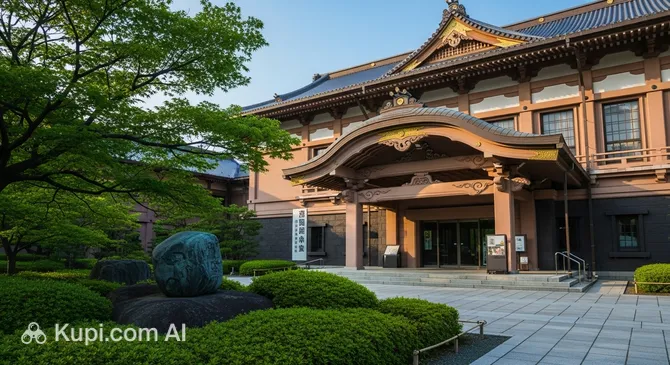
Shimada Museum of Arts
Shimada Museum of Arts. Иллюстрация. Источник: Kupi.com AI

The collection was founded by the renowned historian Matomi Shimada, who dedicated his life to studying antiques. Today, it houses around 1,000 exhibits, including ancient weapons, exquisite armor, calligraphy scrolls, and everyday items. The museum's particular pride is the largest collection of artifacts related to the life of the legendary swordsman Miyamoto Musashi.

This place is ideal for those seeking solitude and a deeper understanding of the Land of the Rising Sun's cultural code. Beyond the main exhibition, a small gallery and a cozy cafe await visitors, where traditional art harmoniously sits alongside works by contemporary artists.

Contacts

To plan your visit to this cultural center, it is worth checking its location and contact details in advance. The Shimada Museum of Art is located in a quiet neighborhood, and having the exact coordinates will help you easily plan your route.

How to contactContact
Address4-chōme-5-28 Shimasaki, Nishi Ward, Kumamoto, 860-0073, Япония
Phone+81 96-352-4597
Websitewww.shimada-museum.net

What to Do

Immersion into the world of ancient warriors begins with exploring the rich collection of samurai weapons and protective gear. Visitors can examine the personal belongings of Miyamoto Musashi in detail, including his swords and literary works. Since many paper-based exhibits are extremely sensitive to light, the museum uses a rotation system—the most precious items are often displayed in May, marking the anniversary of the great master's death.

After strolling through the halls, it's worth visiting the annex, which houses a gallery for temporary exhibitions by contemporary masters. The surrounding bamboo forest creates an atmosphere of tranquility, perfect for leisurely walks and contemplation. In the local cafe, you can relax over a cup of tea while admiring modern artworks in a peaceful setting.

For those looking for the ultimate experience, it's recommended to combine the museum visit with a trip to Reigando Cave. This is where Musashi spent his final years working on the famous "Book of Five Rings." This combination allows you to fully feel the path of the legendary ronin in these parts and gain a deeper understanding of Japanese antique history.

Getting There

Reaching this cultural gem in the Nishi district is easy. The most comfortable way is to take a taxi from central Kumamoto or Kumamoto Station. The ride takes about 15–20 minutes and saves you the trouble of finding the right turn in the quiet residential neighborhoods.

For those who prefer public transport, local buses run from the station toward the Shimazaki area. You should get off at the nearest stop and walk for a few minutes toward Ishigamiyama Park. For travelers arriving by car, there is a small parking lot at the museum, and the route passes through the picturesque western outskirts of the city.

Ближайший город: Kumamoto

History & Facts

The history of the museum is inextricably linked with the name of its founder, Matomi Shimada. The institution opened its doors in 1977—the same year the collector himself passed away, leaving behind a priceless legacy. Shimada sought to preserve not just objects, but the spirit of samurai culture that flourished in this region for centuries.

The key figure of the exhibition is Miyamoto Musashi, who spent the last five years of his life in Kumamoto. Under the patronage of the Hosokawa clan daimyo, he not only honed his martial skills but also engaged in painting and philosophy. Thanks to the efforts of the museum's founder, it now houses about a third of all surviving items in the world directly related to Musashi's life.

The museum's collection spans the Edo and Meiji periods, demonstrating the evolution of Japanese society through the prism of daily life and military affairs. Here, you can see not only deadly blades but also exquisite sumi-e ink drawings, which reveal the delicate artistic nature of the stern warriors of the past.

Time Needed

A thoughtful exploration of the main collection and a walk through the museum grounds usually takes 1 to 2 hours. This is plenty of time to view the artifacts dedicated to Miyamoto Musashi, visit the art gallery, and enjoy the silence of the bamboo grove.

If you decide to complement your visit with a trip to Reigando Cave or plan a long break at the museum cafe, it's better to set aside a good half-day, considering travel time and a leisurely tour of the natural surroundings.

Working Hours

The doors of the Shimada Museum of Art are open to visitors from 10:00 to 17:00. The museum welcomes guests on Monday, as well as from Thursday through Sunday.

Please note that Tuesday and Wednesday are the closing days—the museum is closed then. Since the schedule may change on holidays, it is recommended to check the current information on the official website before your trip.

DayWorking hours
понедельник10:00–17:00
вторникЗакрыто
средаЗакрыто
четверг10:00–17:00
пятница10:00–17:00
суббота10:00–17:00
воскресенье10:00–17:00

Nearby

Exploring the museum's surroundings can significantly enrich your experience of visiting this region. Kumamoto is a city with a rich historical past, and a visit to the Shimada Museum can easily be complemented by seeing other iconic sites nearby.

Below are the closest attractions to help you build a more complete picture of the city's cultural heritage:

NameDistance
Kumamoto City Museum1.2 km
Kumamoto Prefectural Museum of Art Main Building1.4 km
Kumamoto Castle Park (Ninomaru Square)1.5 km
Sakura-no-baba Josaien1.8 km
Katō Shrine1.8 km
Kumamoto Castle1.9 km
SAKURA MACHI Kumamoto2 km

Reached the end of the page?

That means the route is fully explored