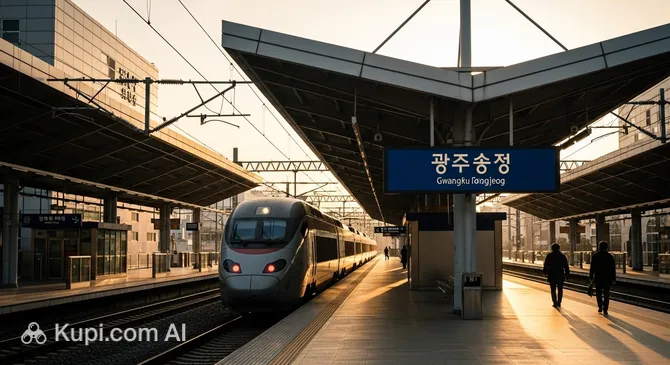
Songjeong (Gwangju) Railway Station is the main transport gateway to the city of Gwangju and a crucial hub for high-speed lines in the southwest of South Korea. The modern and spacious terminal serves KTX and SRT trains, connecting the region with the capital and other major cities in the country. Thanks to easy navigation and developed infrastructure, the station ensures a comfortable start to the journey for thousands of tourists every day.
It is important for passengers to know that the station is integrated with the urban transport system: you can descend directly from the building to the Subway Line 1 station (Gwangju Songjeong Station), which significantly simplifies the journey to the city centre. The terminal has several entrances, but the main façade faces the square with bus stops. To board KTX and SRT trains, follow the signs to the platforms located on the upper level, where electronic boards duplicate information in English.
Contact Information
Official website: letskorail.com (available in English)
Helpline: +82-1544-7788 (Korail general line, English-speaking operators available)
Address: 201 Sangmu-daero, Gwangsan-gu, Gwangju, South Korea
Opening hours: Daily from 05:00 to 00:00 (depending on the first and last train schedule)
Luggage storage: Automatic lockers are located on the 2nd floor, available 24/7
Accessibility: The station is fully equipped with elevators, ramps, and special restrooms for passengers with reduced mobility; the Korail Help assistance service is available.
How to Get There
The easiest way to get to Songjeong Station from central Gwangju is by subway. Gwangju Songjeong Station is on Line 1; the trip from the city's cultural centre (Culture Complex station) will take about 25–30 minutes. The subway exits lead directly to the square in front of the station.
If you prefer ground transport, use the city buses. Routes No. 160, No. 02, No. 19 and many others stop right at the entrance. For those travelling by taxi, a trip from the Dong-gu district will cost approximately 15,000 – 20,000 KRW and take about 30–40 minutes depending on traffic. Walking is only relevant if you are staying in the Gwangsan-gu district, as the station is located at a distance from the historical centre.
Services and Amenities
Songjeong Station offers a wide range of services for a comfortable wait. The main hall houses ticket counters and ticket vending machines with an English interface. Spacious waiting lounges with air conditioning and televisions are provided for relaxation. Free Wi-Fi is available throughout the premises, and power outlets for charging gadgets can be found in rest zones and coffee shops.
For the convenience of travellers, there are automatic luggage lockers of various sizes, clean restrooms, and a nursing room. Special attention is paid to accessibility: there are elevators to all platforms, tactile paving, and wheelchair rental services. The building also houses a tourist information centre where you can pick up city maps.
Where to Eat
There is no shortage of food at the station. For a quick snack, convenience stores such as Storyway are suitable, selling sandwiches, kimbap, and beverages. If you have time for coffee and dessert, chain coffee shops and bakeries offering fresh pastries operate on the second floor. The average bill for a coffee and a bun is around 8,000 KRW.
However, a true culinary experience awaits you right across the road. Be sure to visit the 1913 Songjeong Station Market. This is an atmospheric place where historical charm combines with modern street food. Here you can try famous local dishes, buy souvenirs, and have a full lunch in cosy restaurants before your train departs.
Station History
The history of the station dates back to 1913, when it was opened as a regular stop on the Honam line. For a long time, it played a secondary role compared to the central Gwangju Station. However, the situation changed dramatically with the development of high-speed rail connections in South Korea.
The key moment was the large-scale reconstruction and the opening of the new KTX Honam line in April 2015. The old building was replaced by a modern glass terminal capable of handling a huge passenger flow. From that moment on, Songjeong Station became the city's main railway hub, taking on the bulk of KTX and SRT high-speed train traffic, which gave a powerful impulse to the development of the Gwangsan-gu district.
Passenger Tips
When planning your trip, try to arrive at the station at least 20–30 minutes before the train departs, especially on weekends and public holidays when passenger flow increases. Tickets for popular destinations, such as Seoul or Busan, are best booked in advance via the Korail Talk app, as seats sell out quickly.
The station is safe at any time of day, but please keep an eye on your luggage in crowded places. If you have an overnight wait, note that after the last train departs (around midnight), the building may close for a technical break. When transferring to other trains, watch the information boards carefully: platforms for KTX and regular Mugunghwa trains may differ.