Support

Jeonil Building 245

About

Jeonil Building 245 is more than just an architectural structure; it is a living witness to history located in the heart of Gwangju. Built in 1968, it was the first ten-story skyscraper on Geumnam-ro and defined the district's skyline for many years. Today, it holds the status of an official historical monument, transformed into a modern cultural and exhibition center.
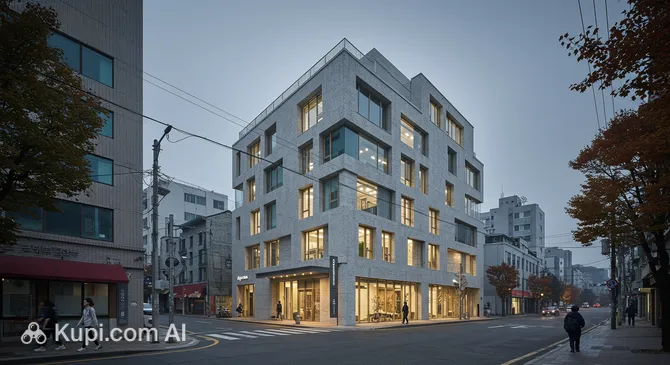
Jeonil Building 245
Jeonil Building 245. Иллюстрация. Источник: Kupi.com AI

For those visiting South Korea, this site is of particular interest as a symbol of resilience and memory. Following an extensive renovation completed in 2020, the building was transformed into a multifunctional space where the past meets the future through interactive exhibitions and digital archives. Its name "245" symbolically refers to the number of traces discovered during restoration, which became important documentary evidence of past times.

Beyond its historical value, the structure attracts tourists with its architecture and its location directly across from Democracy Square. It is an iconic landmark that allows city guests to better understand the region's cultural code and explore its rich heritage in a comfortable, modern setting.

Contacts

To plan your visit, it is helpful to have the center's current contact details on hand. Jeonil Building 245 is an active cultural hub and is always open to city guests.

How to contactContact
Address245 Geumnam-ro, Dong-gu, Kwangju, Южная Корея
Phone+82 62-225-0245
Websitewww.518.org

What to Do

Once inside, the first thing to notice is the **building's walls and columns**. Traces of the past have been carefully preserved here, including bullet marks that now serve as silent witnesses to historical events. These details turn a regular walk through the premises into a profound immersion into the city's history.

A modern cultural space awaits visitors on the first four floors: you will find a **digital library**, a regional tourism center, and cozy lounge areas. This is a great place to explore media archives or learn more about travel routes. The building regularly serves as a venue for themed exhibitions dedicated to art and city history.

The **eighth floor** is particularly noteworthy, as it houses a multipurpose hall and the so-called "sky lounge." It offers impressive views of the central districts. You can conclude your visit with a walk through the surrounding area: right outside the building, you will find many authentic Korean cafes and shops, where it is pleasant to discuss what you've seen over a cup of tea.

Getting There

Finding **Jeonil Building 245** in the cityscape is quite easy, as it is located at 245 Geumnam-ro, Dong-gu, in the heart of the historical and business center. The building is situated in the immediate vicinity of **Democracy Square**, making it an excellent landmark for walking tours along the city's main streets.

The most convenient way to get here is by using the city subway. The nearest station is just a few minutes' walk away, allowing you to quickly reach the site from any district. Numerous bus routes also pass through **Geumnam-ro**, connecting the center with the outskirts.

If you prefer comfort, you can take a taxi by giving the driver the address or the building's name. Thanks to its central location, a ride from most tourist zones will take very little time. The surrounding area is well-suited for pedestrians, so a visit to the landmark can be easily combined with a break at a nearby cafe or some shopping.

Ближайший город: Gwangju

History & Facts

The history of this site began in **1968**, when the building was erected as a modern office center. For decades, it played a key role in the region's information landscape: for 37 years, it housed the editorial offices of the influential newspapers Gwangju Ilbo and Jeonnam Ilbo, and served as the home of the Jeonil Broadcasting station. The remaining floors were occupied by financial organizations, making the building a major business hub.

Over the years, the structure underwent four stages of large-scale renovation and expansion, gradually adding new floors and acquiring adjacent land. However, due to media reforms in the 1980s, the creative teams were forced to vacate their offices. The building eventually fell into disrepair, and by the early 2010s, it faced a real threat of demolition.

A turning point came in 2011 when municipal authorities took control of the site. During preparatory work for a potential reconstruction, **unique historical evidence** was discovered preserved on the facade and internal structures. This discovery completely changed the building's fate: instead of demolition, it was decided to perform a careful restoration and transform the former office center into a modern exhibition space.

Time Needed

To leisurely explore all the exhibits and soak in the atmosphere of the site, **1–2 hours** is sufficient for most travelers. This is enough time to visit the main exhibition halls, view the historical artifacts, and relax in the panoramic area.

If you plan to study the materials in the digital library in detail or stay for one of the cultural events, you may want to set aside a bit more time. Visiting the building is conveniently combined with lunch or a stroll through the nearby streets, which are rich with interesting establishments.

Working Hours

The doors of the exhibition center are open to visitors **daily from 09:00 to 18:00**. If you would like more than just a self-guided tour and want to hear a professional account of the building's history, we recommend arriving between 10:00 and 18:00, when tours with cultural commentators are available.

Please note that the complex is closed on major national holidays, such as New Year's Day, Lunar New Year (Seollal), and Chuseok. It is advisable to check the official website before your visit to ensure there are no schedule changes due to special events.

09:00–18:00

Nearby

The building's location in the historical city center allows tourists to explore more than just one site. A walk through the surroundings will help you dive deeper into the atmosphere of this district, where the modern pace of life blends harmoniously with commemorative landmarks.

Below is a list of interesting places and sites located nearby that can be visited as part of a single sightseeing route.

NameDistance
May 18 Democracy Square0.1 km
Asia Culture Center0.2 km
First Nepal Curry Story0.4 km
Wave Chungjang Branch0.5 km
Penguin Village0.9 km
Gwangju Park0.9 km
Gwangju Sajik Park Observation Tower1 km

Reached the end of the page?

That means the route is fully explored