Support

Wonju Hanji Theme Park

About

A unique world of tradition opens up to everyone who visits the Wonju Hanji Theme Park. Located in the city of Wonju, this themed space is entirely dedicated to Hanji — the famous handmade Korean paper that has been a symbol of durability and elegance for centuries, a source of pride for South Korea.
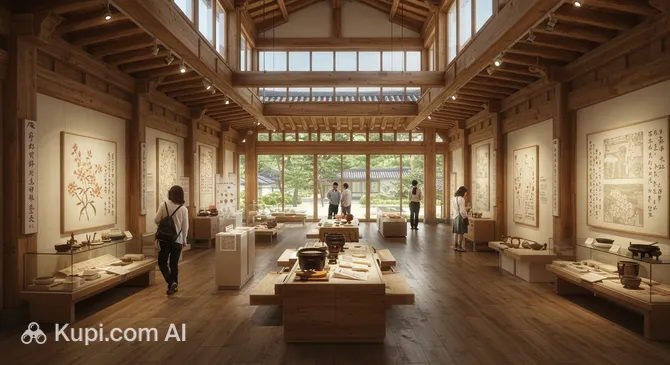
Wonju Hanji Theme Park
Wonju Hanji Theme Park. Иллюстрация. Источник: Kupi.com AI

The park is a harmonious blend of a museum complex and a creative laboratory. Here, visitors can not only see rare historical exhibits and learn about the cultural significance of mulberry paper but also discover modern ways this material is used in art and design. Wonju is rightfully considered the birthplace of Hanji, and this park serves as the primary guardian of ancient production secrets.

Thanks to interactive programs and educational exhibitions, this place has become a key destination on the region's tourist map. Here, you can witness ancient craftsmanship come to life in the hands of professionals and understand why a simple sheet of paper is considered a true treasure of Korean culture.

Contacts

If you are planning a visit to this center of traditional art, it is useful to have the latest contact information handy. The park administration is always ready to answer questions regarding workshop schedules or group tours.

How to contactContact
AddressЮжная Корея, Gangwon-do, Weonju, 무실동 Hanjigongwon-gil, 151 KR
Phone+82 33-734-4739
Websitewww.hanjipark.com

What to Do

The highlight of visiting the park is the opportunity to try your hand at traditional paper crafts. During special interactive workshops, you can go through the main stages of creating a Hanji sheet and feel the material's texture. Visitors are invited to make their own souvenirs: from simple postcards and bookmarks to decorative lamps and boxes adorned with traditional patterns.

In the exhibition halls, you can spend hours admiring unique artifacts. On display are historical tools, ancient scrolls, and even clothing made from paper fibers. Of particular interest are the themed zones featuring models of old mills, which clearly show how paper production evolved in Gangwon Province. In summer, the park often hosts festivals and shows, transforming the area into a vibrant cultural space.

After your creative activities, it's pleasant to stroll through the well-kept park grounds, enjoying the peace and quiet. The local gift shop offers exclusive handmade products that make excellent gifts. This place is perfect for those seeking not only knowledge but also inspiration through contact with living art.

Getting There

Getting to the cultural center, located in the Musil-dong district, won't take long. If you are coming from Seoul, the most convenient way is to take the KTX high-speed train to Wonju Station (about 1.5 hours). From the station, you can quickly reach the park by taxi or city buses No. 35 or 36, which take about 20 minutes.

For those coming from Incheon International Airport, the KTX train is also a good option, although the journey will take a bit longer — from 2 to 3 hours. Within Wonju, bus routes conveniently connect the park to other significant sites, including Chiaksan National Park.

Travelers with rental cars will be pleased to know that free parking is provided on-site. Using navigation systems will help you easily find your way through the city and locate the turn onto Hanjigongwon-gil.

Ближайший город: Wonju

History & Facts

Traditional Korean paper, Hanji, made from the bark of the mulberry tree, has a rich history spanning over 1,500 years. The city of Wonju has long been famous as one of the main centers of this craft, thanks to its ideal climate for growing raw materials and its access to clean natural water sources. It was here that techniques were refined for centuries, making this paper nearly eternal.

Classic Hanji production is an incredibly labor-intensive process consisting of 12 main stages. The park carefully preserves this knowledge, demonstrating how rough wood is transformed into a delicate yet surprisingly strong canvas. In ancient times, this material was versatile: it was used not only for writing but also as a window covering, a material for clothing, and even for making light combat armor.

The opening of the theme park marked a new phase in preserving this national treasure, recognized by UNESCO. Today, it is more than just a museum; it is a living cultural hub where modern artisans revive ancient methods. Thanks to the foundation's efforts, Hanji traditions continue to thrive, evolving from a utilitarian item into an object of high art.

Time Needed

For a standard tour of the exhibition halls and an introduction to the history of paper, 1–2 hours is usually enough for most tourists. During this time, you can leisurely explore the exhibition, see ancient tools, and admire contemporary Hanji products in the gallery.

However, if you want to fully immerse yourself in the process and participate in an interactive workshop, we recommend setting aside about 3–4 hours for your visit. Creative paper-making requires time and precision, and the resulting unique souvenir will be a worthy reward for your time.

Working Hours

The park welcomes visitors from Tuesday to Sunday, opening at 09:00 and closing at 18:00. Please note that Monday is a day off, when the exhibition halls and workshops are closed to the public.

Operating hours may change depending on public holidays or special festivals. Before planning your trip, it is recommended to check the official website to ensure the availability of specific workshops at your chosen time.

DayWorking hours
понедельникЗакрыто
вторник09:00–18:00
среда09:00–18:00
четверг09:00–18:00
пятница09:00–18:00
суббота09:00–18:00
воскресенье09:00–18:00

Nearby

A visit to the park can easily be combined with a walk through other interesting parts of the city, making your journey even more fulfilling. Near Musil-dong, there are educational venues as well as family recreation areas where you can spend time after exploring the art of Hanji.

Exploring local attractions will allow you to better experience the atmosphere of Gangwon Province. Below is a list of nearby points of interest:

NameDistance
Wonju Treasure Island Water Playground0.7 km
Sweet Oak0.7 km
Gangwon Gamyeong Provincial Office2 km
Wonju Jungang Market2.1 km
Eomeoni Son Kalguksu2.2 km
Pak Kyongni House and Literary Park2.5 km

Reached the end of the page?

That means the route is fully explored