Support

Palgongsan National Park District Eunhaesa

About

Located in the picturesque surroundings of the city of Daegu lies one of the most impressive natural wonders for which South Korea is famous. Palgongsan National Park is a majestic mountain range that draws travelers with its grand landscapes, deep canyons, and rich cultural heritage. The Eunhaesa area is known for its special atmosphere of tranquility, where ancient temples are harmoniously integrated into the landscape of the ancient mountains.
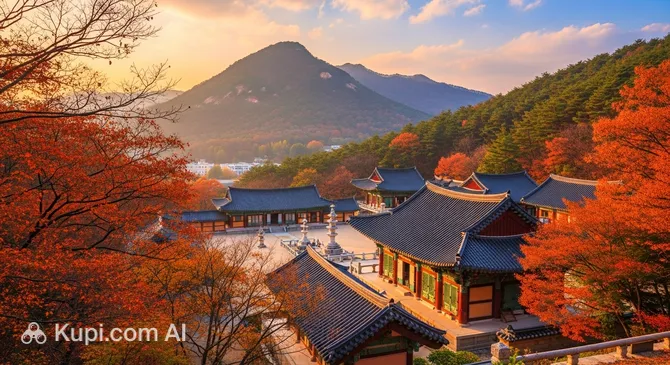
Palgongsan National Park (Eunhaesa District)
Palgongsan National Park (Eunhaesa District). Иллюстрация. Источник: Kupi.com AI

This park is a popular destination for active recreation and spiritual renewal. Tourists can enjoy various hiking trails that wind through dense forests and lead to panoramic viewpoints. Thanks to well-developed infrastructure and informative signage, a walk through the park is interesting and comfortable for visitors of all ages.

Palgongsan Park is considered an ideal location for those who want to escape the city bustle and enjoy unique natural beauty. It becomes particularly busy during the spring blossom season and the "danpung" season, when autumn foliage paints the mountains in brilliant fiery colors, creating incredible conditions for photography and contemplation.

Contacts

To get the latest information on opening hours, visiting conditions, and tour program details, it is recommended to contact the park administration by phone. Since no official website or email is provided, telephone communication remains the primary contact method.

How to contactContact
Address422-1 Chiil-ri, Cheongtong-myeon, Yeongcheon, Gyeongsangbuk-do, Южная Корея
Phone+82 54-335-8031

What to Do

The main activity in the park remains hiking along the numerous trails laid out across the mountain range. The routes vary in difficulty, allowing you to choose anything from an easy path for a family walk to a serious challenge for experienced hikers. One of the most recognizable locations is the "Twelve Signs of the Zodiac Sculpture Zone," an interesting open-air art composition.

A mandatory part of the itinerary is a visit to Eunhaesa Temple—the jewel of this area. Here, you can get acquainted with traditional Buddhist architecture, observe monastery life, and feel the profound tranquility of this sacred place. The temple complex is surrounded by ancient trees, making a visit especially atmospheric at any time of year.

For those who prefer a more relaxed vacation, the park offers excellent spots for picnics and nature watching. You can spend hours doing landscape photography or simply enjoying the silence by the mountain streams. After an active day in the fresh air, it's worth stopping by the local restaurants nearby to try traditional Korean snacks.

Getting There

Palgongsan National Park is located in Gyeongsangbuk-do Province, near the city of Yeongcheon, about 30 kilometers from central Daegu. The park entrance is accessible by private car or public transport. For those planning to travel by bus, international tourists are recommended to use the Naver Map navigation app, which provides the most accurate routes in Korea.

If you prefer more comfort, you can take a taxi from the city center or the nearest metro station. The journey from central Daegu takes approximately 45–60 minutes, though potential traffic congestion on weekends and holidays should be taken into account. The exact address for navigation is: 422-1 Chiil-ri, Cheongtong-myeon, Yeongcheon.

Ближайший город: Daegu

History & Facts

The Palgongsan mountain range holds immense historical and spiritual significance for Korean culture. For many centuries, these slopes served as a pilgrimage site for Buddhist monks and believers, helping the park evolve into a true center of religious practice and philosophy.

The area's key attraction is the ancient Eunhaesa temple. Founded many centuries ago, it remains one of the most important Buddhist monasteries in the region. Its name, which can be translated as "Temple of the Silver Sea," reflects the poetic perception of the thick mists that often shroud the mountain peaks, creating the illusion of an endless expanse of water.

Beyond its architectural wonders, the park preserves Korean religious traditions that are still practiced today. Palgongsan is considered not just a natural recreation area, but a living open-air museum, where every stone and trail tells a story of spiritual quest and Korea's cultural heritage.

Time Needed

To fully enjoy the nature and visit the key shrines, visitors are recommended to set aside 4 to 8 hours for their trip. The duration of the visit largely depends on whether you plan to limit yourself to exploring the temple complex or decide to hike the mountain trails.

The optimal choice for most tourists is a 5–6 hour walk: this provides enough time to see Eunhaesa Temple and leisurely walk the main scenic paths. If you wish to explore remote corners of the park or have a long picnic, it's better to plan for a full day to avoid being rushed by transport schedules.

Working Hours

At present, the exact opening hours of the park are not officially fixed; however, it is generally recommended to plan your visit for daylight hours. For the safety of tourists, access to mountain trails may be restricted during evening hours or in unfavorable weather conditions.

To confirm the current schedule, as well as information on possible seasonal changes or holiday closures, it is recommended to call +82 54-335-8031 before planning your trip.

Nearby

Exploring the surroundings of Palgongsan National Park will significantly enrich your experience in the Daegu area. After walking the mountain trails, you can visit modern entertainment centers or scenic parks located within a 30-kilometer radius.

NameDistance
Palgongsan Cable Car8.9 km
Bullo-dong Ancient Tomb Park15.7 km
Esiapolis Outlets16 km
Outlet Mall Daegu16.3 km
Trampoline Park Daegu18.9 km
Daegu Aquarium19.4 km
Samseonghyeon Historical and Cultural Park20.9 km

Reached the end of the page?

That means the route is fully explored