Support

Daegu Yangnyeongsi Museum of Oriental Medicine

About

Imagine a place where the air is filled with the aromas of dried roots, bark, and rare flowers, and centuries-old healing traditions come to life in modern interactive halls. This is the Yangnyeongsi Museum of Oriental Medicine — a unique cultural center in Daegu, which is considered the heart of traditional pharmacology in South Korea. Founded in 1993, the museum is dedicated to preserving the legacy of a 350-year-old medicinal herb market that has become a true legend of the region.
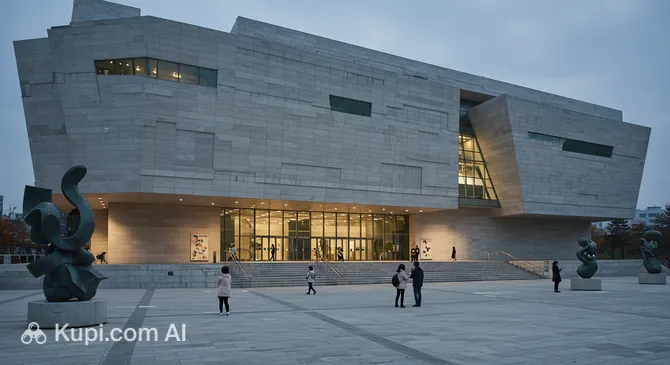
Daegu Yangnyeongsi Museum of Oriental Medicine
Daegu Yangnyeongsi Museum of Oriental Medicine. Иллюстрация. Источник: Kupi.com AI

Located in the Jung-gu district, the museum occupies three floors, each revealing a new facet of the ancient art of healing. It is not just an exhibition of dusty artifacts, but a living space where the history of Yangnyeongsi harmoniously blends with interactive zones for adults and children. Here, you can not only see rare medical records and prescriptions but also touch the process of creating medicines used back in the days of the Joseon Dynasty.

One of its main features is its location on the famous Apothecary Alley. An active wholesale herb market still operates on the first floor of the building, where sellers from all over the country gather every five days. Entry to the museum is free, making it a must-visit for every traveler wanting to understand the philosophy and culture of Korean longevity.

Contacts

For more information before your visit or to book group tours, you can use the museum's official contact details.

How to contactContact
Address49 Dalgubeol-daero 415-gil, Jung-gu, Daegu, South Korea
Phone+82 53-253-4729
Websitewww.daegu.go.kr

What to Do

A visit to the museum is a full immersion into the practice of Korean healers. It is best to start on the second floor, where the interactive stations are located. Here, guests can observe life-sized figures of doctors demonstrating the intricacies of pulse diagnosis, tongue examination, and acupuncture sessions. For children, there are play areas where they can try their hand at being an ancient apothecary by weighing herbs on special scales.

Be sure to pay attention to the section dedicated to herb processing. You will learn how the famous Korean ginseng is prepared and how local treatment methods differ from Chinese counterparts. In the museum's souvenir shop, you can purchase rare herb blends, medicinal patches, and natural cosmetics based on ancient recipes.

On the ground floor, a real medicinal plant market awaits you. This is the perfect place to feel the spirit of old Daegu: you can see hundreds of types of roots, mushrooms, and dried fruits collected from all over the country. A walk along the adjacent Apothecary Alley will complete the experience — the specific, pungent aroma of this street is impossible to mistake for anything else.

Getting There

The museum is located in the heart of the historic Jung-gu district at 49 Dalgubeol-daero 415-gil. Thanks to its central location, it is easily accessible from any part of the city. The most convenient way is to use the Daegu Metro. You should get off at Jungangno Station (Line 1) or Banwoldang Station (transfer station for Lines 1 and 2). From either station, the museum is a 10–15 minute walk away.

If you prefer buses, many routes passing through the city center stop in the Jung-gu district. From the nearest stops, the path to the museum leads through colorful shopping streets where you can already catch the scent of medicinal herbs.

For those traveling by taxi, simply show the driver the museum's name in Korean (대구약령시 한의약박물관). The trip from Daegu Central Station will take very little time. If you are arriving by car, there are parking areas nearby, although spaces may be limited on weekends.

Ближайший город: Daegu

History & Facts

The history of this site is inextricably linked to the Yangnyeongsi Market — the oldest medicinal herb market in Korea, founded in 1658 during the Joseon Dynasty. For 350 years, Daegu remained a key hub where healers and merchants from across the country gathered. Originally, the market was located near the city walls, but in the early 20th century, it moved to its current location in the Yakjeon-gol (Apothecary Alley) area.

The museum's exhibits reflect an important stage in the development of Korean medicine — the transition to a unique system distinct from Chinese traditions. Here, you can learn about the works of the famous physician Lee Je-ma, who introduced the Sasang typology to the world in 1894. This concept divides people into four body types, each requiring a specific approach to treatment and diet.

The museum carefully preserves about 300 unique exhibits, including rare medical books, ancient herb-grinding tools, and recreated interiors of pharmacies from the past. Special attention is paid to the cult of ginseng — the "root of life" which for centuries was supplied from here to the royal court, highlighting Daegu's status as the "pharmacy of the entire nation."

Time Needed

For a standard tour of the museum's exhibits, 1–2 hours is usually sufficient. During this time, you can leisurely walk through the three floors, study the historical artifacts, and take photos in the themed zones.

If you plan to participate in interactive programs, workshops, or visit the wholesale herb market on the ground floor, we recommend setting aside half a day for your visit. This will allow you to soak in the atmosphere of Apothecary Alley without rushing and perhaps try some traditional herbal tea in the museum garden.

Working Hours

The museum welcomes visitors from Tuesday to Sunday. Monday is the official day off.

Opening Hours:
Tuesday – Sunday: 9:00 AM – 6:00 PM.
Please note that the last entry to the building is allowed no later than 30 minutes before closing.

DayWorking hours
ПонедельникЗакрыто
Вторник9:00 – 18:00
Среда9:00 – 18:00
Четверг9:00 – 18:00
Пятница9:00 – 18:00
Суббота9:00 – 18:00
Воскресенье9:00 – 18:00

Nearby

After immersing yourself in the world of ancient recipes and healing herb aromas, it is worth spending some time exploring the surroundings. The museum is located in an area rich in history and vibrant modern energy, making it easy to create a diverse tourist itinerary.

Modern entertainment centers and quiet recreation zones are located nearby. For instance, you can go shopping or simply stroll through the lively city streets, getting to know the local culture and gastronomy.

NameDistance
Cheongna Hill0.4 km
Doma 290.6 km
Navilera Dongseongro0.7 km
Hyangchon Cultural Center0.7 km
Spark Land0.8 km
Seomun Market0.8 km
Hello Foreign Pocha0.9 km

Reached the end of the page?

That means the route is fully explored