Support

Gangwon Gamyeong Provincial Office

About

The Gangwon-do Provincial Office is a significant historical monument located in South Korea. The site is a carefully preserved administrative complex that once served as the "heart" of regional power and governance.
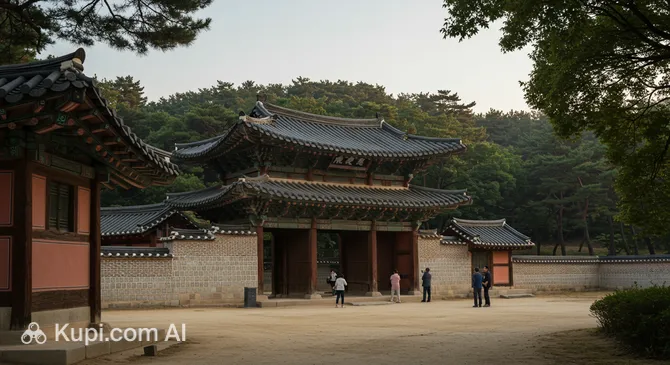
Gangwon Gamyeong Provincial Office
Gangwon Gamyeong Provincial Office. Иллюстрация. Источник: Kupi.com AI

The office's location in the city of Wonju is no accident: during the Joseon Dynasty, this city was the capital of Gangwon-do province. The building complex served as the official office for high-ranking officials and governors, acting as the primary decision-making center until the administrative capital was moved to Chuncheon.

Today, this site attracts travelers with its authentic Korean architecture. The wooden pavilions with signature tiled roofs and stately building forms provide a vivid glimpse into how Korea's state machinery functioned several centuries ago. It is an ideal stop for those who appreciate the history and cultural heritage of the East.

Contacts

To plan your visit to this historical site, it is helpful to have up-to-date contact information on hand. Below are the official details to help you find your way and clarify any visiting arrangements if necessary.

How to contactContact
Address77 Wonil-ro, Weonju, Gangwon-do, South Korea
Phone+82 33-747-2416

What to Do

The main reason to visit is the opportunity to experience traditional Korean architecture firsthand. Visitors can freely explore the exterior and interior elements of the Joseon era administrative buildings, studying the unique layout system that emphasized the status and hierarchy of ancient officials.

History buffs will find it interesting to look through informative materials detailing the governance of Gangwon-do since its founding in the late 14th century. Themed tours are often held on the grounds, where guides reveal the secrets of ancient architecture and talk about the daily life of the office's inhabitants.

Don't forget to have your camera ready: the classic lines of the Korean pavilions set against the modern city backdrop create stunning visual contrasts. This place is perfect for quiet contemplation and cultural enrichment away from the hustle and bustle of busy metropolises.

Getting There

The attraction is located in the heart of the city at 77 Wonil-ro. If you are traveling from Seoul, the journey takes about an hour and a half to two hours: the city of Wonju is connected to the capital by regular bus services and a railway line. Trains and intercity buses arrive at central terminals, from where the office is easily reached by local transport.

Within the city itself, the most convenient ways to get around are by taxi or city bus. Thanks to the well-developed infrastructure, the trip from the station to the historical center won't take long. For those who prefer precision, the coordinates (127.95037749999999, 37.347933) will help you map out the perfect route in your navigator.

Ближайший город: Wonju

History & Facts

The history of this site is inextricably linked to the formation of Gangwon-do Province in 1395, during the great Joseon Dynasty. The province's name was derived from the first syllables of its two largest cities — Gangneung and Wonju. It was Wonju that became the first capital and administrative core of the region for many centuries.

In the late 19th century, Korea's administrative map underwent significant changes. In 1895, the province was temporarily split into the Chuncheon and Gangneung districts, while Wonju became part of the neighboring Chungju district. However, just a year later, historical continuity was restored: the districts were reunited into a single Gangwon-do province, although the capital functions shifted to the city of Chuncheon from that point on.

The modern history of these lands is characterized by stable borders and a deep respect for heritage. In 1955, Wonju officially received city (si) status, marking a new stage in its development. Today, the Provincial Office serves as an important reminder of the times when the city was the political and cultural center of the entire eastern part of the country.

Time Needed

For a thorough tour of the architectural complex and its historical exhibits, most visitors will find 1 to 2 hours sufficient. This allows enough time to stroll through the grounds at a relaxed pace, observe the details of the traditional buildings, and take commemorative photos against the backdrop of the ancient structures.

Since the office is located in the central part of the city, its visit is easy to combine with other sightseeing or a walk through local markets. If you plan to participate in a tour or study the information boards in depth, it's worth setting aside a little more time for a quiet immersion into history.

Working Hours

The attraction is open to visitors daily, offering guests a flexible schedule. The office opens its doors at 9:00 AM and continues operating until 10:00 PM, which allows you to plan your visit during daylight hours or in the evening when the lighting gives the buildings a special charm.

This schedule (daily from 09:00 to 22:00) applies to all days of the week, including weekends, making the site convenient to visit even during short tourist trips.

9:00 – 22:00

Nearby

A stroll around the historical office allows you to dive deeper into the region's atmosphere and see life in a modern Korean city. Exploring nearby sites is a great addition to your main tour, revealing different facets of local life and culture.

Within walking distance of this site in Wonju, you will find quiet historical corners as well as modern entertainment zones. Below is a list of interesting locations to include in your itinerary.

NameDistance
Wonju Jungang Market0.2 km
Eomeoni Son Kalguksu0.3 km
Wonju Treasure Island Water Playground1.3 km
Wonju Hanji Theme Park2 km
Sweet Oak2.6 km
Pak Kyongni House and Literary Park3 km

Reached the end of the page?

That means the route is fully explored