Support

Jurmala

About

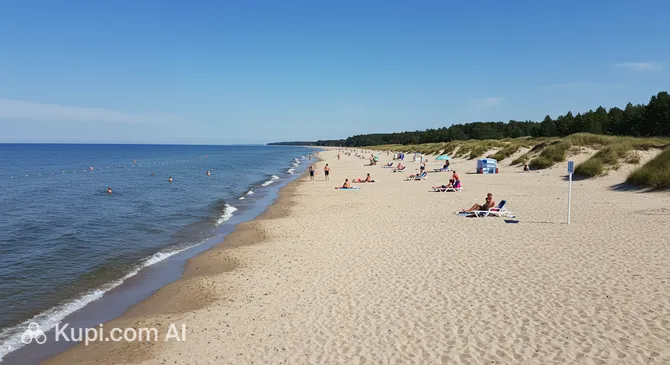
Jurmala is a true gem of Latvia, a charming resort city stretching for 30 kilometers along the coast of the Gulf of Riga in the Baltic Sea. Located just 25 kilometers from Riga, Jurmala attracts visitors with its unique atmosphere, combining the freshness of the sea breeze, the scent of ancient pines, and the charm of historic architecture. It is a place where time slows down, allowing you to enjoy the peace and beauty of nature.
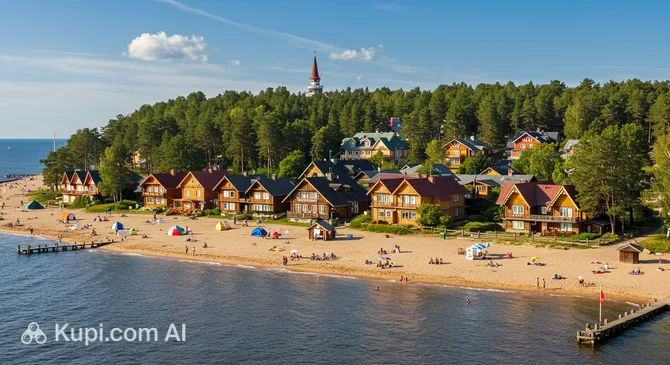
Jurmala. Illustration.
Source: Kupi.com AI

With a population of about 50,000, Jurmala maintains the cozy feel of a small town while proudly holding the title of one of the country's premier resorts. The city is unique because it consists of several former fishing villages, each with its own character—from the lively Majori with its famous pedestrian Jomas Street to more quiet and secluded areas like Bulduri or Dzintari. Jurmala's white sandy beaches, many of which have been awarded the prestigious Blue Flag for their cleanliness and amenities, are the city's signature feature.

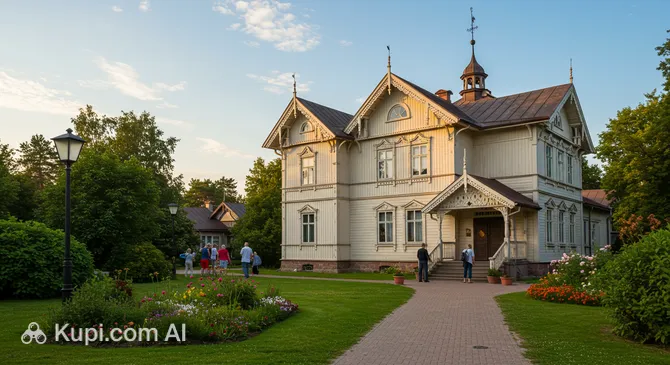
Jurmala's unique Art Nouveau wooden architecture—elegant villas and summer houses nestled in greenery—adds a special charm to the city. One of the main cultural attractions is the famous Dzintari Concert Hall, which hosts numerous festivals and concerts. Jurmala is the perfect destination for those seeking a relaxing seaside holiday, walks through pine forests, cultural experiences, or simply a chance to escape the hustle and bustle of the city. Come and experience the unique charm of this Baltic resort!

You can find more interesting facts on the Jurmala city history page.
Weather Overview

The weather in Jurmala is characterized by moderately warm summers and cool winters. In summer, especially in June, July, and August, the average temperature ranges from +17.4°C to +18.5°C, with maximum values reaching +21°C to +22°C. In winter, from December to February, the average temperature is between -1.2°C and +0.1°C, while the minimum can drop to -3°C.

Precipitation in Jurmala is distributed relatively evenly throughout the year, averaging 1-3 mm per month. The number of days with precipitation varies from 9 days in May to 15 days in January, October, and November. Generally, expect a warm summer with occasional rain and cool winters with frequent, but usually not too heavy, precipitation. For more detailed climate information and a current forecast, you can visit the weather in Jurmala page.

Average monthly temperature

Average monthly precipitation

Interesting Facts

Beyond its famous beaches and the lively Jomas Street, Jurmala holds many fascinating secrets and surprising stories ready to be revealed to the curious traveler. Here are just a few of them:

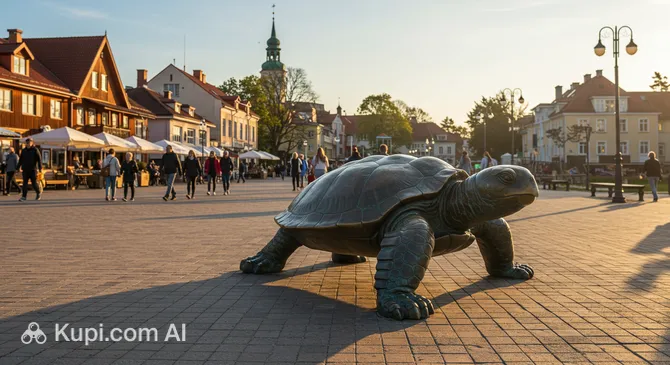
The Turtle Statue. Illustration.
Source: Kupi.com AI

Traveler photos:

  • Jurmala boasts a unique collection of wooden architecture. Many of the elegant Art Nouveau and Jugendstil villas that adorn the city were built in the early 20th century as summer houses for wealthy Rigans. Among them, the Morberg Mansion stands out with its picturesque botanical garden—a true architectural gem.

  • While walking through Jurmala, you can encounter very curious sculptures. One of the most famous is the bronze Turtle Monument, considered a symbol of longevity and wisdom. You can also see a statue of Lāčplēsis, the legendary hero of the Latvian epic, in the city.

  • For many years, the city has been and remains a source of inspiration for creative individuals. For instance, the famous Latvian poet Aspazija spent a significant part of her life here. Today, her former home, Aspazija's House, has been turned into a museum carefully preserving her legacy.

  • Among local legends, the story of the Ragakāpa dunes in the Lielupe area stands out. This place is called the "end of the world"—a secluded corner where sandy hills meet the sea waves and pine forest, creating an atmosphere of mystery and tranquility.

How to Get There

Getting to Latvia's main resort is easy, as the city is located in close proximity to the capital and major transport hubs. You can find all the details and plan your route by visiting the more details on how to get to Jurmala page. The majority of tourists arrive via Riga International Airport, from where they can quickly reach Jurmala's beaches by taxi, bus, or train.

The most convenient way to reach the resort is by flying into Riga International Airport (IATA: RIX). It is the largest aviation hub in the region, receiving flights from all over Europe. There is no airport in Jurmala itself, but you can fly into Riga, which is located only about 13 km from Jurmala. A taxi ride takes about 20–30 minutes, making this the preferred option for travelers.

If a direct flight to Riga is not possible, you can consider alternative routes through neighboring Lithuania. For example, Vilnius International Airport (IATA: VNO) is a major hub. However, keep in mind that it is located in Vilnius, approximately 276 km from Jurmala. The travel time from there by car or bus is over 4 hours. Another option is Kaunas Airport (IATA: KUN), located 224 km from Jurmala.

For convenience, here is a summary of the main airports:

AirportPassenger trafficDistance
Riga International Airport7.1 mln13 km
Siauliai International Airport25 000122 km
Kuressaare Airport42 490160 km
Pärnu Airport1 100167 km
Palanga International Airport378 000199 km

Regarding rail travel, there are usually no direct long-distance trains from other countries specifically to stations in the resort center; travelers most often transfer in Riga. There are stations in the database that are quite far away and can only serve as transit points or options for complex routes.

One of the closest major junction stations in the available list is Pechory-Pskovskiye. There is no such railway station in the city of Jurmala itself, but you can arrive at the Pechory-Pskovskiye station in the town of Pechory, which is about 251 km from Jurmala. From there, a long transfer by bus or car would be required. The Chernyshevskoye station in the town of Vilkaviškis is also mentioned (distance about 267 km from Jurmala), but using such distant stations is rarely convenient for tourists heading directly to the beaches.

Below is a table with information about the nearest railway stations from the available list:

StationPassenger trafficDistance
Pechory-Pskovskiye Station50 000251 km
Chernyshevskoye Railway Station150 000268 km
Nesterov Railway Station271 km
Miory Railway Station280 km
Pastavy Railway Station150 000281 km

Main Attractions

Jurmala, Latvia's famous resort city, offers its guests many interesting places to visit. Everyone will find something to their liking here: from magnificent beaches to unique museums and picturesque parks.

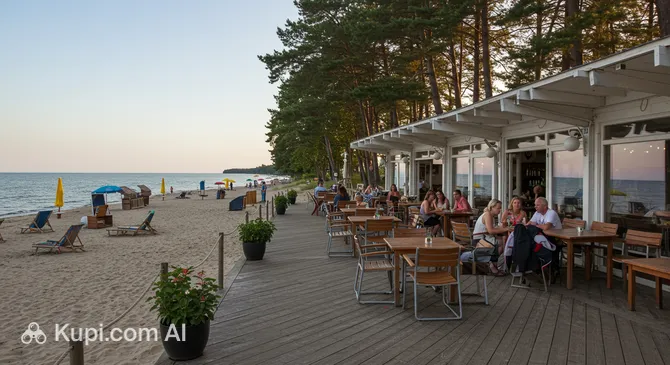
One of the main jewels of the city is undoubtedly Majori Beach. This wide sandy beach, stretching for many kilometers, is ideal for sunbathing, swimming in the Gulf of Riga, and leisurely strolls along the shore. Its golden sand and well-developed infrastructure, including cafes and sunbed rentals, make it a favorite spot for both locals and tourists. Nearby is the famous Dzintari concert venue, which adds cultural appeal to the area.

Majori Beach. Illustration.
Source: Kupi.com AI

Traveler photos:

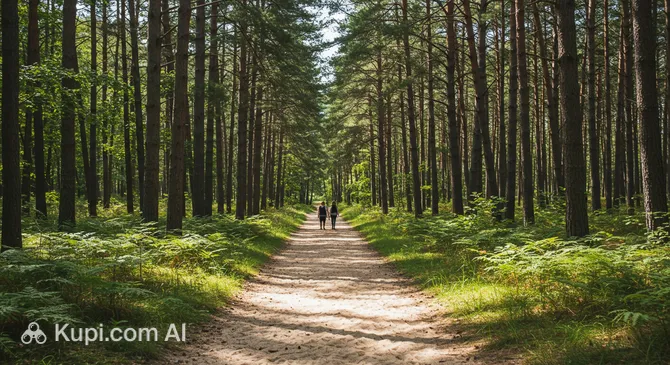
For lovers of active recreation and nature, Dzintari Forest Park is an excellent choice. This vast park offers well-maintained paths for walking and cycling among ancient pines, children's playgrounds, and even a viewing tower with a panoramic view of Jurmala and the gulf. It is a great place to enjoy the fresh sea air and the beauty of Baltic nature.

Dzintari Forest Park. Illustration.
Source: Kupi.com AI

Traveler photos:

You can learn about the resort's history and culture at the Jurmala City Museum. The museum's exhibitions tell the story of Jurmala's development as a resort, the famous figures associated with the city, and the traditions of local life. Here you can see vintage photographs, interior items, and swimwear from past eras, allowing you to dive deeper into the atmosphere of old Jurmala.

Jurmala City Museum. Illustration.
Source: Kupi.com AI

Traveler photos:

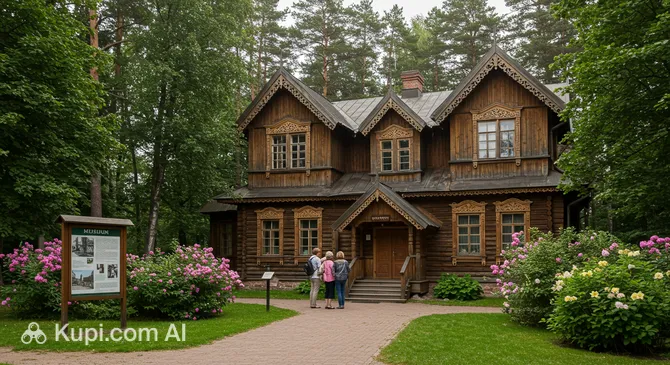
Another iconic site is Aspazija's House, a museum dedicated to the famous Latvian poet and playwright. This charming wooden house, where Aspazija spent the final years of her life, has preserved the atmosphere of the early 20th century. Visitors can tour the memorial rooms and learn about the poet's work and her contribution to Latvian culture. The museum also frequently hosts literary evenings and exhibitions.

Aspazija House. Illustration.
Source: Kupi.com AI

Traveler photos:

Fans of unusual sculptures and photo sessions will enjoy the Turtle Monument, located on the beach in Majori. This bronze sculpture has become one of Jurmala's symbols and a popular spot for photos. It serves as a reminder of the leisurely pace of resort life and longevity.

Local Cuisine

The gastronomic scene of Jurmala is a delightful blend of traditional Latvian cuisine, the freshness of the Baltic Sea, and the elegance of a resort city. The cornerstone of the local menu is undoubtedly fish in all its variety. Be sure to try smoked sea trout, delicate Baltic herring, spicy marinated sprats, and, of course, freshly caught eel. Many dishes are prepared according to ancient recipes, emphasizing simple yet rich flavors, making every meal a true discovery.

Particular attention should be paid to the famous Jurmala rye bread, often with caraway seeds, which perfectly complements fish soups and appetizers. For dessert, treat yourself to traditional Latvian curd pies with raisins or delicious sweet buns. For beverages, refresh yourself with local kvass or homemade fruit drink (mors) made from northern berries such as cranberries or lingonberries. These drinks are excellent thirst quenchers on a warm summer day.

The food culture in Jurmala offers diverse options: from cozy cafes and elegant restaurants to lively street markets and summer terraces where you can enjoy the seasonal gifts of nature. Locals and tourists alike appreciate the freshness of products—whether it's strawberries, cloudberries, or wild mushrooms, which are often sold at markets. To dive deeper into the local cuisine, you can visit a restaurant like Pikburg, where they offer both traditional and modern dishes. During the warmer months, Jurmala often hosts gastronomic festivals, turning the city into a true celebration of taste.

Picburg. Illustration.
Source: Kupi.com AI

Traveler photos:

Overall, Jurmala's gastro scene is characterized by an emphasis on fresh, high-quality ingredients, especially seafood, and a respect for culinary traditions. It is a place where simplicity and sophistication combine harmoniously, offering tourists unforgettable taste experiences.

Travel Tips

Welcome to Jurmala! To ensure your trip to this charming Latvian resort city goes as smoothly and pleasantly as possible, we have prepared some practical tips. They will help you navigate better and enjoy every moment of your holiday.

  1. Clothing and Essentials: Jurmala, with its changeable Baltic climate, requires a thoughtful approach to your wardrobe. In summer, bring light clothes, swimwear, sunscreen, and a hat, but don't forget a sweater or light jacket for cool evenings. In spring and autumn, layered clothing and a waterproof jacket will come in handy. In winter, bring warm clothes, a hat, gloves, and a scarf. Be sure to bring comfortable shoes for walking on the beach and around the city, as well as a European-type power adapter (Type F).

  2. Transport: Getting around Jurmala is convenient and varied. Local buses run throughout the city. The train is very popular—electric trains frequently run from the Latvian capital Riga and between Jurmala's districts (Majori, Dzintari, Bulduri, etc.); this is a fast and scenic way to travel. Taxis can be called by phone or via apps (e.g., Bolt). Renting a bicycle is a great option for leisurely rides along the sea. Car rental can be useful for exploring the surroundings, but keep in mind that during the summer season, there is a fee for entering Jurmala by car, and parking in popular areas can be difficult.

  3. Finances: The official currency in Latvia is the Euro (EUR). You can exchange currency at banks or exchange offices; avoid exchanging at the airport if you want a better rate. Bank cards (Visa, Mastercard) are accepted almost everywhere. ATMs are easy to find throughout the city. An approximate daily budget per person (excluding accommodation) can be 50-100 euros. Tipping in restaurants is welcomed (usually 5-10% of the bill if you liked the service); in taxis, you can round up the amount.

  4. Health and Safety: There are pharmacies (Aptieka) in Jurmala, but not all are open 24/7; check the location of the nearest duty pharmacy (dežūrapteka) in advance, especially if you might need it at night. For medical assistance, tourists from EU countries will find the European Health Insurance Card (EHIC) useful; others are strongly recommended to have travel insurance. The emergency number is 113. Jurmala is a very safe city. Follow standard precautions: watch your belongings in crowded places, especially during festivals or on the beach. Swim only in designated and guarded areas.

  5. Communication: The state language is Latvian. However, in Jurmala, as a popular resort, many people speak Russian, as well as English, especially young people and tourism workers. Learn a few simple phrases in Latvian: "Sveiki" (Hello), "Lūdzu" (Please/Here you go), "Paldies" (Thank you), "Jā/Nē" (Yes/No). A local SIM card can be bought at mobile operator stores or kiosks. Wi-Fi is available in many hotels, cafes, and some public areas.

  6. Local Etiquette: Latvians are usually polite and somewhat reserved, but friendly. A greeting like "Sveiki" is appropriate in most situations. Quiet behavior is valued in public places. If you are invited to visit, a small souvenir or flowers would be appropriate. Respect for local culture and traditions is always appreciated.

  7. What to Avoid: Try not to litter, especially on beaches and in parks—Jurmala is proud of its clean nature. Also, avoid excessively noisy behavior in residential areas, especially at night, to avoid disturbing local residents.

  8. Special Tip – Entry Fee and Wooden Architecture: Keep in mind that from April to September (exact dates may change, check current information), a special fee is charged for entering Jurmala by car. An entry pass can be bought at machines at the city entrance or online. Also, don't miss the chance to admire Jurmala's unique wooden architecture—stroll through the streets and look at the early 20th-century villas, many of which are architectural monuments.

We hope these tips help you fully enjoy your stay in beautiful Jurmala, discovering its unique atmosphere, magnificent beaches, and air filled with the scent of pines. Have a wonderful trip!

Entertainment & Nightlife

Jurmala, the famous resort on the shores of the Gulf of Riga, comes alive as evening falls, especially during the summer season. The epicenter of nightlife is traditionally the pedestrian Jomas Street (Jomas iela) and the surrounding blocks in Majori and Dzintari. This area concentrates most of the bars, restaurants, and clubs that attract both locals and tourists.

The atmosphere of Jurmala at night is quite relaxed and resort-like. In summer, many establishments open spacious terraces where you can enjoy a cocktail to the sounds of live music or DJ sets. You will find everything from casual bars to more respectable restaurants that stay open until late. Some beach cafes also host parties right on the sand. The dress code in most places is smart casual, though some clubs might require a more dressed-up look.

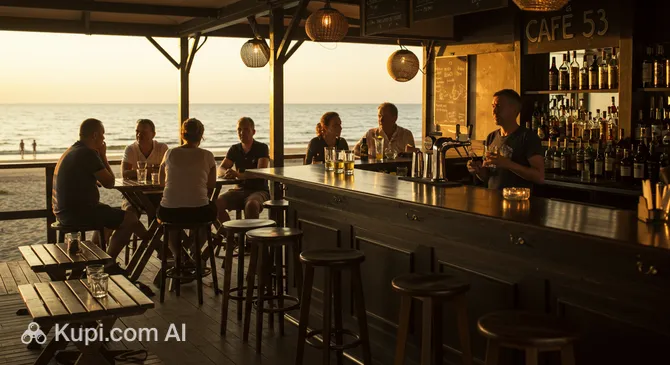
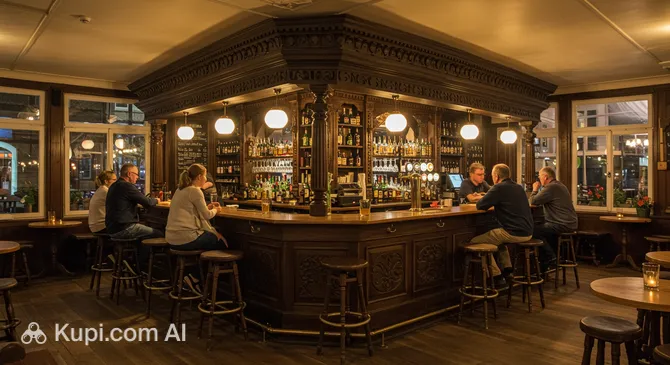
Among the popular spots for evening relaxation, several establishments stand out. For example, Cafe 53 is known for its cozy atmosphere and good selection of drinks. Another place worth visiting is the bar Alus Krodziņš, which offers traditional Latvian cuisine and beer. For those looking for a dinner spot where they can linger longer, restaurants like Pikburg are suitable, as they often stay open until the last guest leaves.

Cafe 53. Illustration.
Source: Kupi.com AI

Traveler photos:

Alus Krodzins. Illustration.
Source: Kupi.com AI

Traveler photos:

The best time to experience Jurmala's nightlife is undoubtedly during the summer months, especially on Friday and Saturday evenings when the city fills with vacationers. Prices in establishments on Jomas Street can be above average, but options for any budget can always be found. Most bars and clubs start their active hours after 10:00 PM or 11:00 PM. You can get to the center of the nightlife or back to your hotel by taxi, which is easy to call via mobile apps or find at designated stands.

Jurmala is generally considered a safe city for nighttime walks, especially in central areas like Majori and Dzintari, where the main tourist infrastructure is located. Nevertheless, it is always wise to take standard precautions: stay on well-lit streets and do not leave personal belongings unattended. For taxis, it is better to use official services or trusted apps to avoid inflated fares.

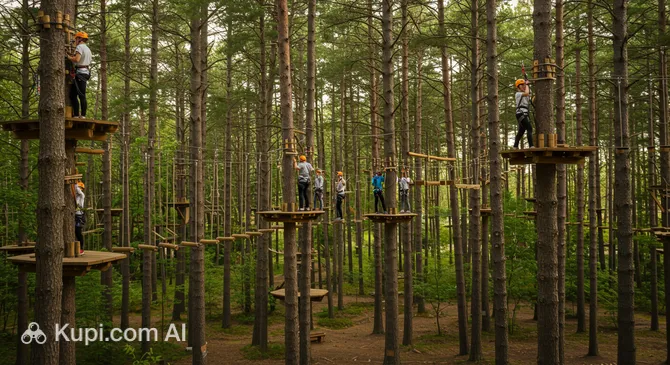
During the day, Jurmala also offers plenty of entertainment. Active recreation enthusiasts can visit the Jurmala Adventure Park or take a walk through the picturesque Dzintari Forest Park. For cultural leisure, the doors of the Jurmala City Museum and the unique Dubulti Art Station are open. These places provide a better understanding of the resort's history and culture before you dive into its evening life.

Jurmala Adventure Park. Illustration.
Source: Kupi.com AI

Traveler photos:

Parks & Museums

Jurmala is not just about famous beaches; it is also a city with a rich cultural heritage and many green areas where you can relax your mind and body, as well as get acquainted with the history and art of this unique resort.

Jurmala offers its guests the chance to enjoy not only the sea breeze but also the peaceful atmosphere of its parks. One of the most favorite spots for walking is Dzintari Forest Park, where ancient pines create a unique aura, and paths, playgrounds, and even an observation tower are provided for active recreation. You can walk here for hours, enjoying the clean air and silence. Of course, the famous Majori Beach cannot be overlooked; it is a natural attraction in itself, perfect for long strolls along the shore. For more secluded relaxation and walks among the greenery, Melluži Park is perfect, offering a calm atmosphere and beautiful scenery.

Dzintari Forest Park. Illustration.
Source: Kupi.com AI

Traveler photos:

You can immerse yourself in the city's history and culture by visiting its museums. The Jurmala City Museum tells the story of the resort, its development, and its famous residents. The museum's exhibits cover the period from the 19th century to the present day. A special place in Jurmala's cultural life is held by Aspazija's House—a memorial museum dedicated to the outstanding Latvian poet and playwright. Here you can dive into the atmosphere of the early 20th century and learn more about her life and work. For connoisseurs of modern art, the Dubulti Art Station is of interest—a unique exhibition space located in a historic railway station building, where exhibitions of contemporary artists are regularly held.

Jurmala City Museum. Illustration.
Source: Kupi.com AI

Traveler photos:

Aspazija House. Illustration.
Source: Kupi.com AI

Traveler photos:

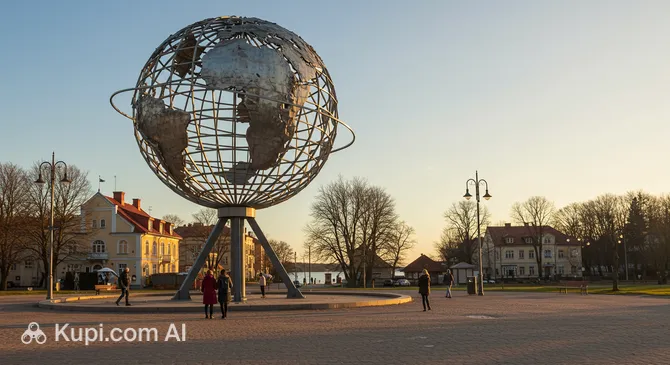
Strolling through Jurmala, it is impossible not to notice interesting architectural objects and monuments. Among them, the famous Jurmala Globe stands out, having become one of the city's symbols, as well as the whimsical Turtle Monument, which serves as a reminder of the leisurely pace of resort life. These objects perfectly complement the city's appearance and are popular spots for photographs.

Globe of Jurmala. Illustration.
Source: Kupi.com AI

Traveler photos:

For those looking for off-the-beaten-path routes, it is worth paying attention to the Aspazija's Dunes. This picturesque spot, associated with the poet's name, is ideal for peaceful walks and enjoying nature away from busy tourist trails. Also, don't miss the chance to simply wander through the quiet streets of Jurmala, admiring the unique wooden architecture of the villas, many of which are true works of art and preserve the spirit of old Jurmala.

Getting Around

Getting around Jurmala is quite convenient thanks to several types of transport. The backbone of public transport consists of city buses, which run on several routes, connecting different areas of the city from Lielupe to Kemeri. This is a good way to get to beaches, parks, and other places of interest.

The train plays an important role in Jurmala's transport system. Although it is a suburban train connecting Jurmala with Riga, it is also very convenient for moving between Jurmala's districts, as the city is stretched along the coast and railway stations (e.g., Majori, Dzintari, Bulduri) are located at key points. Trains run quite frequently.

The payment system for buses usually includes the possibility of buying a ticket directly from the driver. Fares for city buses are affordable. For train travel, tickets can be purchased at station ticket offices, at ticket machines, or online via the Latvian Railway website or mobile app. Various types of tickets exist, including single trips and season passes.

Practical tips for tourists: it's best to buy bus tickets from the driver upon boarding. For trains, you must have a ticket before boarding or buy one from the conductor (sometimes with a small surcharge). Be sure to keep your ticket until the end of the trip. Bus schedules can be found at stops or on the local carrier's website. Trains run on a clear schedule, which is also available online and at stations. Public transport operating hours usually cover the whole day, but intervals may increase in the evening and during the low season.

Among alternative ways of moving around Jurmala, taxis are popular and can be called by phone or through mobile apps. In the summer season, bicycle rental is in high demand—it's a great way to explore the resort while enjoying the fresh air and picturesque views, especially along the beach or on specially equipped bike paths. Many areas of Jurmala, particularly the central part around Jomas Street, are perfect for walking.

Accommodation

Jurmala offers a wide range of accommodation options to suit the needs of all types of tourists. You can find everything from cozy guest houses and apartments for independent living to mid-range hotels, luxury spa resorts, and villas. Thanks to its popularity as a resort city, Jurmala features options for every taste and budget.

The most sought-after areas for tourists to stay are traditionally Majori and Dzintari. These districts attract visitors with their proximity to the main beaches, concert halls, restaurants, and shops. Staying here provides easy access to all the resort's infrastructure. Coastal options are also popular, offering picturesque views and quick access to the sea.

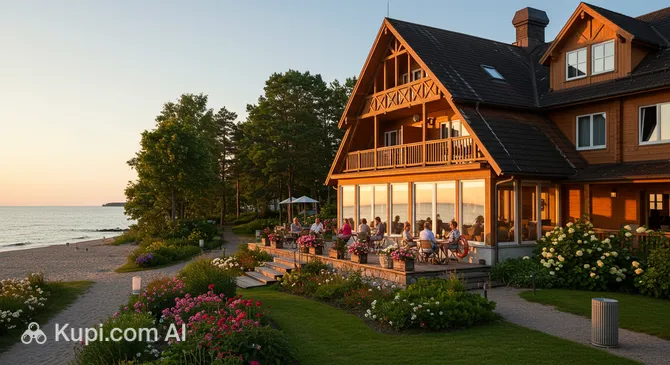
Pegasa Pils. Illustration.
Source: Kupi.com AI

Traveler photos:

Among the well-known hotels, one can highlight, for example, Pegasa Pils or the Dubulti Beach resort hotel, which offer comfortable stays and quality service. However, the choice of hotels and apartments in Jurmala is quite diverse, and everyone will be able to find something suitable.

Price ranges vary from budget options to luxury offerings, especially during the summer season. It is recommended to book your accommodation in advance, particularly if your trip falls during the peak season (June-August) or during major events. Booking is easy to do through popular online platforms or directly on hotel websites.

Nearby Cities

For those who want to explore the surroundings, Jurmala serves as an excellent starting point for day trips. Several interesting cities and towns are nearby, each with its own unique charm.

A particularly popular destination is Riga (only 20 km away), the capital of Latvia, where historical sights, lively streets, and a rich cultural program await you. For a quieter getaway, you can head to Marupe (18 km), which offers green areas and a peaceful atmosphere. Also worth noting is Jelgava (35 km), known for its Baroque palace and parks.

A full list of some nearby cities with their population and distance from Jurmala is presented in the table below:

CityPopulationDistance
Marupe17 79618 km
Riga920 64320 km
Olaine10 32423 km
Ulbroka3 10231 km
Kekava5 16032 km

These nearby destinations provide an insight into the region's diverse culture and landscapes.

Shopping & Souvenirs

Jurmala, being a popular resort, offers its guests pleasant shopping opportunities, although it is not comparable to major European capitals in terms of the scale of shopping centers. Here, the focus is shifted toward souvenirs, local goods, beach items, and small boutiques. The city is not famous for any specific types of stores, but you can find unique items to remember your trip by.

The main place for strolling and shopping in Jurmala is the famous pedestrian Jomas Street (Jomas iela). Along it are many small shops, souvenir stalls, galleries, as well as cafes and restaurants. Here you can find amber jewelry, linen clothing, ceramics, works by local artisans, and beach accessories. The atmosphere here is relaxed, conducive to a leisurely choice of gifts and souvenirs.

There are no large shopping centers in the classical sense in Jurmala. Shopping here has a more boutique character. Instead of giant malls, you will find individual shops and boutiques scattered around the central part of the city, primarily on Jomas Street and its surrounding side streets. Some hotels may also offer small shops with essential goods and souvenirs.

During the summer season, small markets or fairs may appear in Jurmala, where local craftsmen and farmers offer their products. These can include fresh berries, fruits, honey, as well as handmade items. It's best to check for information about such markets locally, as they are often seasonal or temporary.

As souvenirs from Jurmala and Latvia in general, people traditionally bring back amber products—beads, bracelets, earrings, and various decorative items. Also popular are linen products (tablecloths, clothes, towels), ceramics with national patterns, wooden toys, and, of course, the famous Riga Black Balsam. In souvenir shops, you can also find postcards with views of Jurmala, magnets, and other trifles.

Most shops in Jurmala, especially on Jomas Street, are open daily, particularly during the tourist season. Standard opening hours are usually from 10:00 AM to 6:00 PM or 7:00 PM; some souvenir stalls and shops may stay open longer during the peak season. Bank cards are accepted almost everywhere, but having some cash in euros is also useful, especially for small purchases or at markets.

For tourists from non-EU countries, a value-added tax refund system (Tax Free) is available in Latvia. If you make purchases of a certain amount in stores participating in this system, you can fill out special checks and get a partial refund when leaving the EU. Look for the Tax Free Shopping logo on store doors or at checkouts and be sure to clarify the terms with the seller.

Nearby cities

Reached the end of the page?

That means the route is fully explored