Support

Kaadedhdhoo

About

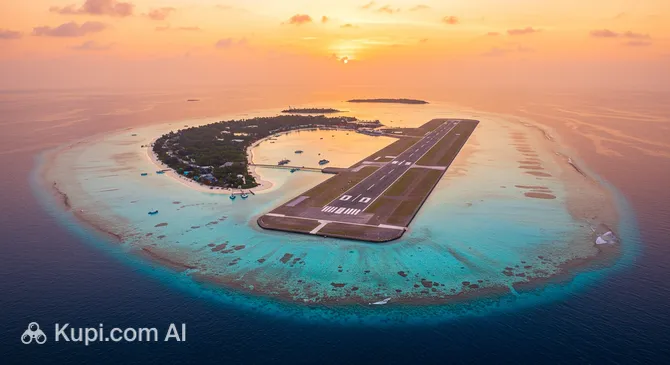
Kaadedhdhoo is a tiny and cozy island city lost among the azure waters of the Indian Ocean. It is a place where time seems to slow down, allowing travelers to enjoy pristine nature and a secluded atmosphere. The island is an important part of the Gaafu Dhaalu Atoll and attracts those who want to see the authentic Maldives away from crowded resort zones.

Kaadedhdhoo. Illustration.
Source: Kupi.com AI

Despite its modest size, it is home to about 1,300 people, forming a close-knit community where a spirit of sincere hospitality reigns. Its geographical location in the southern part of the archipelago ensures a mild equatorial climate, perfect for year-round vacations. Curious tourists will also find the history of Kaadedhdhoo interesting, as this island plays a significant role in the region's life, serving not just as a settlement but as a vital link for local residents.

Kaadedhdhoo's main treasures are its endless white-sand beaches fringed by green coconut palms and the incredibly rich underwater world of the coastal reefs. It is worth coming here for fantastic sunsets, peaceful snorkeling, and the chance to get acquainted with the islanders' way of life. This city will be a wonderful discovery for romantics and inspiration seekers dreaming of harmony with the ocean.

Weather Overview

The climate in Kaadedhdhoo is a classic example of equatorial weather, featuring eternal summer and minimal temperature fluctuations. The air warms up consistently: average thermometer readings stay at the 27–28°C mark year-round, while nights bring only a slight coolness, rarely dropping below 26°C.

However, when planning your trip, it is important to consider humidity and the likelihood of rain. The weather in Kaadedhdhoo is characterized by alternating sunny and rainy periods. According to statistics, May and November are the wettest months, when it can rain almost daily (up to 27 days with precipitation), while March and August are considered drier and more favorable for beach holidays. Expect a consistently warm atmosphere year-round with a high probability of tropical downpours during transitional seasons.

Interesting Facts

In addition to its picturesque landscapes, Kaadedhdhoo holds many fascinating secrets that allow you to look at the Maldives from a completely new perspective. This island is not just a point on the map, but a place where nature and traditions create a unique pattern of impressions.

  • Unique Marine Fauna. The waters around the island are famous for their pristine reefs. Here, divers and snorkelers can encounter rare hammerhead sharks and reef sharks, as well as observe the steady life of sea turtles in their natural habitat.

  • Magic of the Night Ocean. The beaches of Kaadedhdhoo are known for an amazing natural phenomenon. Sometimes at night, you can observe a mesmerizing blue glow in the water—this is bioluminescent plankton, turning the shoreline into a literal "sea of stars."

  • An Atmosphere of Authenticity. Unlike typical resort areas, the spirit of real island life prevails here. Traditional wooden boats—dhonis—can be seen in the harbor, and locals carefully preserve their legends and host colorful festivals that guests can also participate in.

  • Life Without the Gloss. The surroundings of Kaadedhdhoo offer excellent opportunities for ethnographic tourism. From here, excursions are organized to neighboring villages, where travelers learn about traditional crafts and the islanders' way of life, discovering the country as the residents themselves see it.

How to Get There

When planning a trip to this secluded island in the Gaafu Dhaalu Atoll, it is worth thinking through the logistics in advance, as the journey may require transfers. You can find out more about how to get to Kaadedhdhoo by studying all available routes and transport combinations currently relevant.

Since direct connections are not always available, many tourists use nearby air hubs in neighboring cities. One of the most convenient options is Maavarulu Airport (RUL). This airport is located in the town of Maavarulu, about 59.9 km from Kaadedhdhoo. It is a small regional hub, and the estimated travel time to the final destination is about 1 hour and 50 minutes.

Another significant transport hub is Gan Airport (GAN), which has international status. It is located in the city of Gan, at a distance of about 131.9 km from the destination. This is a major airport with developed infrastructure that handles many flights; however, the journey to Kaadedhdhoo will take longer—approximately 3 hours and 40 minutes.

For convenience, here is a summary of the main airports through which you can plan your route:

AirportPassenger trafficDistance
Faresmathoda20 00040 km
Maavarulu35 00060 km
Gan International Airport149 896132 km
Thimarafushi35 000191 km
Dhaalu Airport80 000241 km

Main Attractions

Despite its modest size, Kaadedhdhoo offers guests several locations that allow them to experience the true atmosphere of the Maldives. There are no noisy entertainment centers here, but that is precisely the island's charm—the attractions are natural and cultural, encouraging slow contemplation.

The Beachfront and Lagoon are the island's signature features. The local beaches surrounding the island remain almost deserted, making them ideal for secluded walks and meditation. The white sand here is exceptionally soft, and the azure waters of the lagoon remain calm thanks to the protection of the outer reef. It is the best place to watch the sunrise or have a picnic on the ocean shore, enjoying the silence broken only by the sound of the surf.

For lovers of the underwater world, the Kaadedhdhoo House Reef will be a real discovery. It is located very close to the shore, allowing for snorkeling without the need to rent a boat. The coral gardens are full of life: among the branching corals, you can spot schools of colorful tropical fish, and if you are lucky, you might encounter sea turtles and small reef sharks, which are completely harmless to humans.

An important cultural center is the Kaadedhdhoo Mosque. It is not just a religious building but the heart of the islanders' social life. The building is designed in a restrained traditional style characteristic of the region's coral mosques and provides a sense of peace. Tourists can view the mosque from the outside, appreciating the simplicity and harmony of the local architecture, which has adapted to the tropical climate over centuries.

The Kaadedhdhoo Airport Park is also worth mentioning. This is a small but well-maintained green area that has become a popular relaxation spot for both locals and travelers waiting for their flights. Here, you can take cover in the shade of the trees and observe island life, where modern aviation technology exists alongside the steady pace of tropical rural life.

Local Cuisine

Maldivian cuisine on the island of Kaadedhdhoo is a real treat for lovers of the freshest seafood and spicy aromas. The basis of the diet here is fish, caught by local fishermen in the coastal waters of the atoll. A gastronomic introduction to the island should start with a traditional breakfast—mas huni. This is an appetizing salad of tuna mixed with grated coconut, onion, and chili pepper, which is usually eaten with thin unleavened flatbreads called roshi. This dish energizes you and makes you feel like a true islander.

At lunchtime, garudhiya often appears on the table—a clear and aromatic fish broth served with boiled rice, lime, and hot pepper. Those who love richer flavors should definitely try the piquant fish curries, generously seasoned with local spices and herbs. For a hearty snack, Maldivian fish cakes called kukiurushi are popular, and for dessert, they offer bondiba—sweet coconut rolls that perfectly complement tea time.

The beverage culture on Kaadedhdhoo reflects the traditions of a Muslim country. Alcohol is not sold or consumed on the residential island, but you can enjoy plenty of natural non-alcoholic drinks. The main hit is fresh coconut water (kurumba), drunk directly from the nut. Locals also love black tea, which is often served strong and sweet, sometimes with milk, accompanying long conversations after sunset.

There are no large restaurants or noisy food markets on the island, which gives the local gastro-scene a special homely feel. Residents often hold small fairs where you can buy fresh tropical fruits and homemade delicacies. Tourists enjoy trying street food: fried fish, sweet banana fritters, and other snacks. On festive days, real gastronomic feasts take place on Kaadedhdhoo, where dinner is accompanied by traditional songs and dances to the sound of the ocean.

Travel Tips

A trip to Kaadedhdhoo is an opportunity to see the authentic Maldives without the frills, but such a trip requires preparation and respect for the local way of life. To ensure your vacation on this cozy island goes as smoothly as possible and without surprises, we have gathered the most important recommendations to help you easily blend into the rhythm of life in the Gaafu Dhaalu Atoll.

  1. Clothing and Dress Code. Since Kaadedhdhoo is a residential island rather than a private resort, strict Muslim traditions apply. Within the village, both women and men are advised to wear clothing that covers their shoulders and knees. Swimsuits and trunks are appropriate only at the designated "bikini beach" or during excursions to uninhabited islands. For footwear, flip-flops or sandals that are easy to remove are ideal.
  2. Transport Accessibility. The island is quite compact, so the primary way to get around is by walking. There is no public transport in the usual sense (buses), nor is it needed. To transport luggage or travel to the other end of the island, you can arrange a ride with locals who have pickups or motorbikes, but most of the time you will be walking and enjoying the views.
  3. Finances and Cash. On small islands, cash remains "king." Although many guesthouses and diving centers accept US dollars, it's better to have the local currency—Maldivian Rufiyaa—for small purchases in shops. Exchange money in advance at Male airport or withdraw cash from an ATM upon arrival, as the banking infrastructure on the island itself can have interruptions. Please note: only new dollar bills without marks or damage are accepted.
  4. Health and Protection. The tropical sun at the equator is very intense, so high SPF sunscreen (50+) and a hat are mandatory even in cloudy weather. It is also worth bringing repellents: mosquitoes may be active in the evening. There are pharmacies on the island, but their stock is basic, so it's better to bring specific medications with you. Drink only bottled water.
  5. Connectivity and Internet. Wi-Fi is usually available in guesthouses and cafes, but the speed can be unstable. For reliable connectivity, we recommend buying a local SIM card (Dhiraagu or Ooredoo) immediately upon arrival at the international airport. 4G coverage on Kaadedhdhoo is fairly reliable. The main language is Dhivehi, but tourism staff and many young residents speak English reasonably well.
  6. Local Etiquette. Be sure to remove your shoes when entering a mosque or a private home—this is a sign of respect. You can greet locals with the universal Muslim greeting "Assalamu Alaikum" or simply a smile. Remember that the left hand is considered "unclean," so you should pass money, food, or gifts exclusively with your right hand.
  7. Strict Prohibitions. The most important rule that must not be broken: alcohol and pork products are completely prohibited on residential islands, including Kaadedhdhoo. Attempting to bring alcohol into the country or find it on the island can lead to serious legal issues. Also, avoid public displays of affection (kissing and hugging) in public areas of the village.
  8. Consider the Friday Schedule. Friday in the Maldives is a holy day of rest. Most shops, cafes, and government offices are closed until lunch or only open after 14:00, following the main Friday prayer. Plan your purchases and activities in advance so you aren't left without essentials in the morning.

Following these simple rules will not only help you avoid awkward situations but also earn the respect of the local residents, who are famous for their hospitality. Kaadedhdhoo is a place for those seeking peace and sincerity, and by showing a little attention to traditions, you will discover the wonderful world of island life.

Entertainment & Nightlife

Nightlife in Kaadedhdhoo is fundamentally different from what tourists are used to seeing at popular European or Asian resorts. There are no noisy nightclubs, neon-lit discos, or bar streets where music doesn't stop until morning. Since Kaadedhdhoo is a local residential island, strict laws and traditions apply: the sale and consumption of alcohol are completely prohibited, and there are no entertainment venues. Evening leisure here is about immersion in silence, contemplation of nature, and warm conversation.

The center of evening activity is invariably the Harbor Area. It is here, by the water, that locals and tourists gather to discuss the day's events. Instead of bars, there are traditional tea houses and small cafes that stay open late. The atmosphere in these places is extremely relaxed and friendly. Patrons engage in slow conversations, play board games, or simply enjoy the sea breeze. The dress code is casual but modest: even in the evening, you should not appear in swimwear or overly revealing clothing.

The island's main "nightclub" can be considered the Indian Ocean itself. The most popular entertainment after sunset is night fishing. Locals organize trips on dhoni boats, where you can catch red snapper or barracuda under the starry sky. The catch is usually cooked right there over coals, creating an impromptu picnic on the shore. This is a unique experience that surpasses any restaurant dinner: the sound of the waves, the freshest fish, and myriads of stars overhead, which seem especially bright at the equator.

Another option for evening leisure is beach walks in search of bioluminescence. During certain seasons, the coastal waters begin to glow with a neon blue light thanks to plankton. This magical sight is completely free and available at any unlit part of the shoreline. For romantics and nature lovers, this spectacle beats any laser show.

Practical tips for evening walks:

  • Safety: Kaadedhdhoo is a very safe place. The crime rate is close to zero, so you can walk without fear at any time. However, street lighting can be dim or non-existent, so be sure to bring a flashlight or a charged phone.
  • Transport: It is difficult to find a taxi or a ride at night, but the island is small, and any place can be easily reached on foot in 15–20 minutes.
  • Prices: Evening gatherings in cafes are very budget-friendly. A cup of tea and a plate of traditional snacks (hedhika) will cost only a few dollars. Remember that cards are rarely accepted, so carry cash in Rufiyaa.

As for daytime entertainment, it is, like the nighttime activities, inextricably linked with nature. There are no theaters or museums in the classic sense on the island. The main "stages" are the coral reefs for snorkeling, and the "amusement parks" are the sandbanks where you can go for a picnic. During the day, life revolves around the pier and small shops, where you can observe the measured daily life of the islanders.

Parks & Museums

Kaadedhdhoo can hardly be called a city of museums and parks in the classic European sense. Here, you won't find fenced botanical gardens with paid admission or galleries with paintings under glass. This entire island is one big natural park under the open sky, and its cultural heritage is woven into the daily lives of the locals. A journey here is a chance to see the Maldives as they were before the era of mass tourism: green, authentic, and alive.

Green Zone of the Airport and Surroundings. One of the most remarkable natural features of Kaadedhdhoo is its dense vegetation, which was preserved even after the construction of the runway. The area around the airport resembles a well-kept tropical garden, where tall coconut palms stand next to breadfruit trees and flowering bougainvillea bushes. This place is perfect for your first walk after arrival: here you can hide from the equatorial sun and breathe in the scent of tropical flowers mixed with the sea breeze.

Beach "Park" Areas. The role of city parks here is played by natural sections of the coast where the jungle meets the ocean. The western parts of the island are particularly picturesque, where the strip of white sand transitions into shady groves. Locals often come here with their families to have a picnic in the shade of takamaka trees. There are no benches or paved paths, but it is this pristine nature that makes walks here truly relaxing and meditative.

Architectural Heritage as a Museum. Since there are no specialized museums on the island, old buildings serve as the keepers of history. The main focus of attention is the Friday Mosque (Hukuru Miskiy). Although it is an active religious site, its architecture serves as a visual aid to the history of Maldivian building. Note the skillful stone carving and the use of coral blocks in the masonry—techniques passed down by masters from generation to generation for centuries.

The Harbor as an Ethnographic Gallery. Another point of attraction for culture lovers is the port area. It is a kind of "living museum" of maritime affairs. Here you can see masters repairing or building traditional dhoni boats using tools and methods that have changed little over the last hundred years. Observing their work will tell you more about the life of the islanders than any exhibit stand.

Insider Tip: Be sure to walk deep into the island to the agricultural plots. Kaadedhdhoo and the neighboring islands of Gaafu Dhaalu Atoll are known for their fertility. Local farms growing watermelons, chili peppers, and bananas are an interesting sight and allow you to see the "agrarian" side of the Maldives, which is rarely written about in guidebooks.

Getting Around

The public transport system in Kaadedhdhoo has its own unique specifics due to the size of the island and its status. Since the island is very compact (you can walk across it in less than an hour), it completely lacks the types of transport a city dweller is used to, such as subways, trams, trolleybuses, or route buses. The main traffic here consists of pedestrians and the occasional vehicles serving the airport.

The role of "ground taxi" on the island is usually performed by pickups and small trucks, as well as electric carts (buggies). They do not run on a schedule like minibuses but work by call or arrangement. Most often, this transport is used to transfer passengers with luggage from the airport terminal to the pier. You are unlikely to be able to hail a car "off the street," so it is worth arranging the trip in advance through your guesthouse or hotel representatives.

The real public transport in this region is water transport. Since Kaadedhdhoo serves as a transport hub for the entire Gaafu Dhaalu Atoll, speedboats and traditional dhoni boats regularly depart from the local pier to neighboring inhabited islands and resorts. This is the equivalent of intercity buses: they follow specific routes, connecting the airport with islands such as Thinadhoo, Gadhdhoo, and other settlements in the atoll.

The fare payment system here is as simple and conservative as it gets: there are no electronic passes, transport cards, or mobile apps. Payment is made exclusively in cash—in local currency (Maldivian Rufiyaa) or US dollars. Prices for water transfers are fixed but can vary depending on the type of vessel: a trip on a state ferry dhoni (if available) will cost very little, while a seat on a private speedboat will cost from $20-30 and up. Pickup services on the island usually charge a nominal fee or include it in the cost of accommodation.

The main advice for tourists is to always have small amounts of cash on hand to pay for fares. Bank cards are not accepted on board boats or in drivers' vehicles. If you plan to move to another island, it is critical to coordinate the transfer time with your flight schedule in advance, as navigation after dark can be limited, and regular ferries may run only a few times a day, adjusting for Friday prayers and weather conditions.

As an alternative to motorized transport, bicycle rentals are very popular. The terrain on Kaadedhdhoo is absolutely flat, which makes cycling easy and pleasant. Many guesthouses provide bicycles to their guests for free or for a small rental fee. This is the most convenient and eco-friendly way to explore the island, get to the beach, or go to the shop without depending on the availability of cars.

Accommodation

When planning a stay in Kaadedhdhoo, it is important to understand the specifics of this location. Since the island is a key transport hub for the Gaafu Dhaalu Atoll and home to the airport, accommodation options directly on it are extremely limited. Most travelers view Kaadedhdhoo as a starting point, preferring to stay on neighboring inhabited islands or resorts that can be reached by speedboat in just 10–20 minutes.

The primary format of accommodation in this region is guesthouses. These are small mini-hotels located on inhabited islands, most often on the neighboring island of Thinadhoo, which effectively serves as the "residential district" and cultural center for those arriving at Kaadedhdhoo Airport. Guesthouses offer comfortable air-conditioned rooms, Wi-Fi, and a homely atmosphere. This is an ideal option for those who want to save money and see the real life of the Maldives without overpaying for the luxury of private islands.

For those seeking a classic Maldivian vacation with overwater villas and all-inclusive systems, the region offers several resorts. They are located on secluded islands of the atoll but use Kaadedhdhoo Airport as a transfer hub. Staying here falls into the "luxury" category: guests are met by hotel representatives right in the terminal and transported to their vacation spot via speedboats. This is the choice for romantic trips and total seclusion.

Tips for Choosing an Area:

  • For Transit and Budget: Choose guesthouses on Thinadhoo Island. This is the nearest location with developed infrastructure, shops, and cafes. The transfer from Kaadedhdhoo Airport will take minimal time.
  • For a Beach Vacation: If your goal is a perfect beach and snorkeling away from prying eyes, book a stay at resorts located deeper within the atoll, away from the airport traffic.

Booking Specifics:

A critical point when booking accommodation in the Kaadedhdhoo area is organizing your transfer. Unlike the capital region, there are no 24-hour ferries here. Be sure to contact your hotel or guesthouse host in advance (at least 3–5 days before arrival) to coordinate the boat's meeting time with your flight. Without a prior arrangement, finding transport at the airport can be problematic.

The price range here varies from budget ($50–$80 per night in a guesthouse with breakfast) to high-end ($500 and up in resort hotels). It is better to book through major online platforms several months in advance, as the number of rooms in high-quality guesthouses is limited, especially during the high season (from December to March).

Nearby Cities

For those who want to explore the surroundings, Kaadedhdhoo serves as an excellent starting point for day trips to several interesting nearby locations:

One of the most attractive destinations is Thinadhoo. This city is considered an important regional center and is famous for its developed infrastructure compared to smaller islands. It is worth going here to see the contrast between the quiet seclusion of Kaadedhdhoo and the more dynamic rhythm of a larger settlement. Thinadhoo is known for its cafes, shops, and well-kept streets, making it a great place to get acquainted with the modern life and customs of Maldivians.

Lovers of unique nature and history will be interested in Hithadhoo. Located further south, this city is part of the unique ecosystem of Addu Atoll. It attracts travelers with its special cultural flavor, different from the rest of the country, and stunning natural parks with lakes and mangroves. This place offers a rare opportunity to see freshwater bodies and enjoy cycling along long causeways.

Also worth noting is Male, the capital of the nation. Thanks to the airport in Kaadedhdhoo, a trip to the country's main city becomes an accessible option for those who want to see historical mosques, visit bustling fish markets, and feel the pulse of the archipelago's business life.

CityPopulationDistance
Faresmathoda1 10431 km
Kooddoo56 km
Maavarulu061 km
Hithadhoo10 398121 km
Gan0132 km

These nearby destinations provide an insight into the diverse culture and landscapes of the region.

Shopping & Souvenirs

Shopping in Kaadedhdhoo has its own unique character and is fundamentally different from the usual resort experience. Since this is a small island with a population of just over a thousand people, you won't find large shopping centers, brand boutiques, or busy promenades with shop windows here. Local trade is primarily focused on meeting the daily needs of residents, so most outlets are small, cozy neighborhood shops selling food, household goods, and basics. For tourists, this is an opportunity to see the non-tourist side of the country and purchase authentic goods at fair prices.

The concept of "main shopping streets" here is quite relative. Commercial life is concentrated deep within the residential blocks of the village and in the harbor area. Walking along the sandy streets, you will encounter small shops with bright signs in the Dhivehi language. The selection is quite modest but colorful: bags of rice, exotic spices, beach slippers, and fishing gear sit side-by-side on the shelves. These are great places to buy cold drinks, ice cream, or try local snacks.

There are no large shopping centers or malls on the island. Kaadedhdhoo maintains the atmosphere of a quiet village untouched by globalization. If you need more serious purchases, electronics, or a wide selection of clothing, locals usually take a boat to the neighboring island of Thinadhoo, which is the regional center of the atoll and has a more developed commercial infrastructure.

Market culture on the island is informal. There is no specialized market building, but the most interesting place for gastronomic shopping is the harbor area in the morning hours. This is where fishermen bring their night's catch. You can see and—if you have the means to cook it—buy the freshest tuna, reef fish, or octopus. Small stalls with local fruits like bananas, papaya, and coconuts grown in home gardens are also sometimes found.

For souvenirs from Kaadedhdhoo, it's worth bringing back what the Maldives are famous for gastronomically. Be sure to look for tuna products: dried fish, the thick fish paste rihaakuru, or crispy tuna chips. In small shops, you can find locally produced natural coconut oil of high quality. In the airport area, there are sometimes small kiosks offering wood crafts, magnets, and T-shirts, though the selection there is generally limited.

When planning your shopping, it is important to consider the operating hours. Shops usually open early in the morning, around 8:00, and stay open until late in the evening (22:00–23:00). However, there is a strict rule: shops close for prayer times (for about 15–20 minutes, 5 times a day). The longest break occurs on Friday—the holy day for Muslims—when trade pauses from 11:00 to 14:00. The payment method in the vast majority of places is cash only. The local currency (Maldivian Rufiyaa) is preferred, although US dollars may be accepted, but change will likely be given in Rufiyaa at an unfavorable rate. Bank cards are very rarely accepted.

The Tax-Free system does not operate on the island. This is the prerogative of large shops in Velana International Airport or the capital, so you shouldn't count on a tax refund when buying from local shops.
Reached the end of the page?

That means the route is fully explored