Support

Cuernavaca

About

Cuernavaca is a true oasis and the "City of Eternal Spring," located in the heart of Mexico, just 85 kilometers south of the bustling capital, Mexico City. The city is nestled at an altitude of over a thousand meters above sea level, providing it with an amazingly mild and pleasant climate year-round. It is thanks to this that gardens bloom here constantly, and the air is filled with the scents of tropical plants, making Cuernavaca an ideal place for an escape from the urban hustle and bustle.
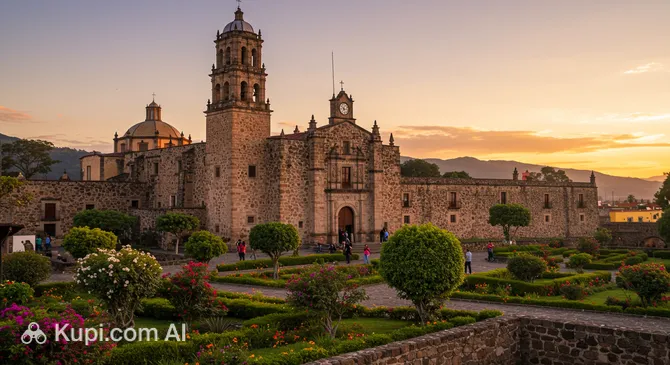
Cuernavaca. Illustration.
Source: Kupi.com AI

With a population of about 338,650 people, Cuernavaca is the capital of the state of Morelos and one of the most picturesque cities in the region. The city charms with its architectural diversity: here you can see majestic colonial palaces, ancient churches, and modern buildings harmoniously coexisting with each other. Narrow, paved streets lead to cozy squares where live music often plays and local life teems.

The atmosphere of Cuernavaca is unique—it is a place where history meets modernity, and centuries-old traditions intertwine with new trends. Tourists are attracted not only by historical monuments but also by numerous well-kept parks where you can relax in the shade of trees, as well as vibrant markets offering local delicacies and handmade crafts. The city is also famous for its museums, some of which are located in the open air.

If you are looking for a place for leisurely walks, cultural discoveries, and gastronomic pleasures, Cuernavaca is an excellent choice. This city wins you over with its relaxed rhythm of life, stunning views, and special Mexican flavor, inviting everyone to plunge into its unique atmosphere.

You can find more interesting facts on the history of Cuernavaca page.
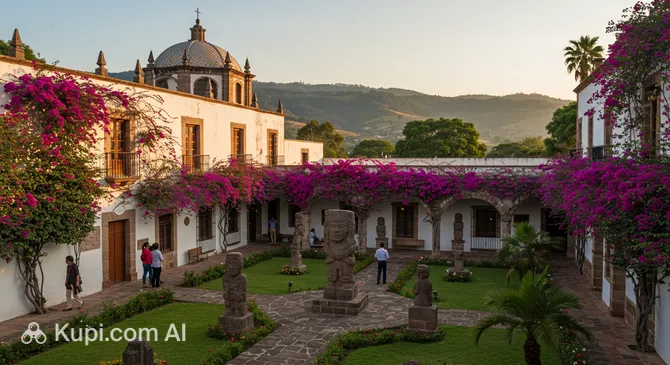
Weather Overview

In Cuernavaca, you can expect a predominantly warm climate throughout the year. The average annual temperature ranges from 15.3°C in December to 20.7°C in May. The warmest months are April and May, when maximum temperatures can reach 28.1°C and 27.5°C respectively. Winter months (December-February) are cooler, with minimum temperatures around 8-9°C. Rainfall is most likely from May to October, peaking in June-September when the number of rainy days can reach up to 30 per month. The winter and spring periods (November-April) are characterized by minimal rainfall. Overall, expect a warm summer with frequent rains and cooler, drier winters. To learn more, visit the Cuernavaca Climate page.

Average monthly temperature

Average monthly precipitation

Interesting Facts

In addition to its spring gardens and historic buildings, Cuernavaca hides many curious details and stories that not everyone knows. The City of Eternal Spring is ready to surprise even the most seasoned traveler with its little secrets.

Robert Brady Museum. Illustration.
Source: Kupi.com AI

Traveler photos:

  • Hernán Cortés himself chose Cuernavaca for his residence for a reason. Legend has it that he was attracted not only by its strategic position but also by its exceptionally mild climate and abundance of water sources, which cause the city to literally overflow with greenery. His famous palace, which now houses the Regional Museum of the Peoples of Morelos, remains one of the key attractions.

  • Cuernavaca unofficially holds the title of the "Mexican capital for learning Spanish." Every year, thousands of students from around the world come here to immerse themselves in the linguistic environment at one of the many local schools. This gives the city a special, lively, and cosmopolitan atmosphere.

  • The city is home to the amazing Robert Brady Museum, located in a former 16th-century monastery building. American collector and artist Robert Brady turned it into his house-museum, filling it with an eclectic collection of art from all over the world—from paintings by Frida Kahlo and Rufino Tamayo to African masks, colonial furniture, and exotic artifacts.

  • Without leaving the city limits, you can touch the deep past by visiting the Teopanzolco Archaeological Zone. These are the ruins of a pre-Columbian city where pyramids built by the Tlahuica people—a culture that preceded the Aztecs in these lands—are preserved. The name "Teopanzolco" translates from Nahuatl as "inside the old temple."

How to Get There

Getting to Cuernavaca, known as the "City of Eternal Spring," can be done in several ways; however, the most popular among tourists is flying to one of the airports serving Mexico City, followed by a ground transfer. Cuernavaca itself does not have its own commercial airport, so travelers should focus on the nearest major aviation hubs.

The main and most convenient way to reach Cuernavaca for most international travelers is to fly into Mexico City Benito Juárez International Airport (IATA: MEX), located in Mexico City. This is the largest airport in Mexico, serving millions of passengers annually. It is situated approximately 59 km north of Cuernavaca. A trip by taxi or a direct comfortable bus from here to the center of Cuernavaca usually takes between 1.5 to 2 hours, depending on traffic conditions.

Another popular option is Toluca International Airport (IATA: TLC), also located in the metropolitan region, about 58 km from Cuernavaca. This airport is somewhat smaller than MEX but also handles international and domestic flights. The travel time by car to Cuernavaca is comparable, taking about 1 hour 45 minutes. Choosing this airport can be convenient depending on your route and airline.

You may also consider flying into Felipe Ángeles International Airport (IATA: NLU), another major airport located north of Mexico City. The distance to Cuernavaca from here is about 95 km, and the journey can take approximately 2.5 - 3 hours. This option may be relevant if your flight arrives specifically at NLU.

From all the mentioned airports, express buses (such as those from the Pullman de Morelos company) run regularly to Cuernavaca, and taxi and car rental services are also available. It is recommended to check the schedule and cost of the transfer in advance, especially if you arrive late at night or early in the morning.

For convenience, here is a summary of the main airports through which you can reach Cuernavaca:

AirportPassenger trafficDistance
Toluca International Airport1.7 mln58 km
Benito Juarez International Airport45.4 mln59 km
Huejotzingo Airport790 93193 km
Felipe Angeles International Airport6.3 mln95 km
Queretaro Intercontinental Airport2.1 mln213 km

Main Attractions

Cuernavaca, known as the "City of Eternal Spring" due to its mild climate, offers tourists many interesting places. Among the main attractions that are definitely worth a visit are its historical and cultural sites.

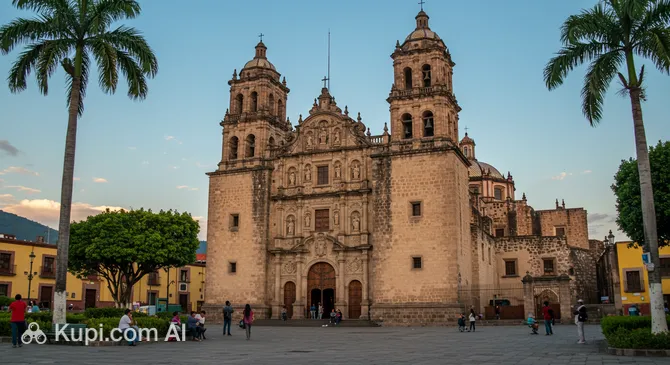
One of the main jewels of Cuernavaca is the Cuernavaca Cathedral. This impressive complex, founded in the 16th century, was originally part of a Franciscan monastery. Its massive walls and unique architecture, combining elements of Gothic and Plateresque styles, attract both believers and history buffs. Inside, you can see ancient frescoes and feel the spirit of the colonial era.

Cuernavaca Cathedral. Illustration.
Source: Kupi.com AI

Traveler photos:

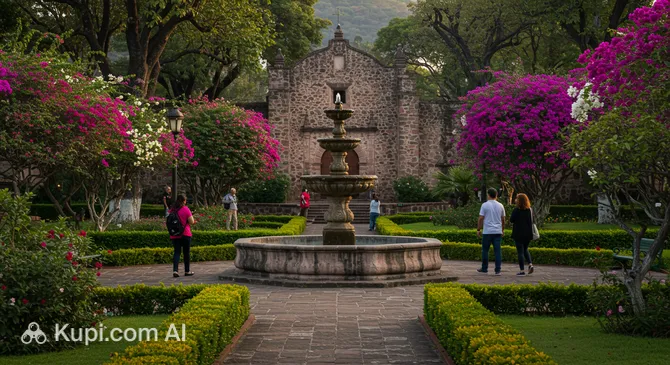
No less famous is the Borda Garden, created in the 18th century by the wealthy mine owner José de la Borda. This historical garden with its fountains, ponds, and lush vegetation once served as the summer residence for Emperor Maximilian and Empress Carlota. Today, it is a beautiful place for strolling and exploring the landscape art of the colonial period.

Borda Garden. Illustration.
Source: Kupi.com AI

Traveler photos:

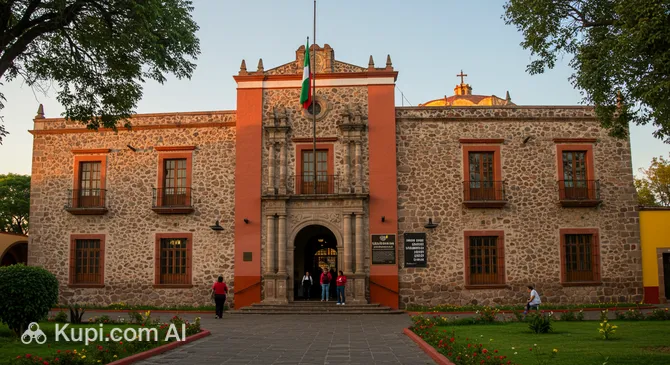
To immerse yourself in the region's history, visit the Regional Museum of the Peoples of Morelos, often called the Palace of Cortés. This is one of the oldest colonial buildings in the Americas, built on the ruins of an Aztec structure. Its walls house artifacts telling the story of pre-Hispanic cultures, the colonial period, and the modern history of the state of Morelos. Of particular interest are the murals by Diego Rivera decorating its walls.

Regional Museum of the Peoples of Morelos. Illustration.
Source: Kupi.com AI

Traveler photos:

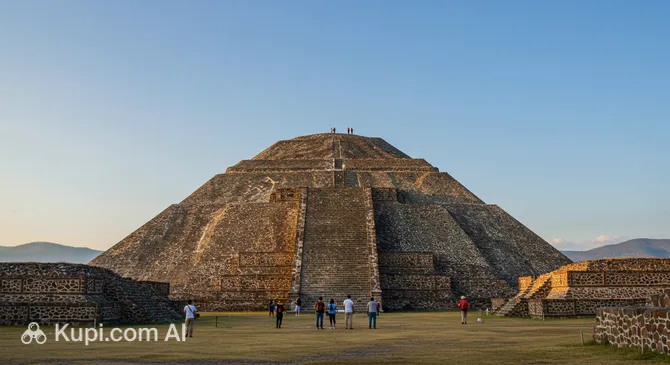
Ancient history lovers should visit the Teopanzolco Archaeological Zone. This pre-Hispanic city, whose name translates as "place of the old temple," was an important ceremonial center for the Tlahuica people. Here you can see the ruins of pyramids and other structures that testify to the region's rich past long before the arrival of the Spanish.

Teopanzolco Archaeological Zone. Illustration.
Source: Kupi.com AI

Traveler photos:

A unique collection of artworks from around the world can be found in the Robert Brady Museum. American collector Robert Brady bequeathed his home and the treasures he collected to the city. The exhibition includes paintings by Frida Kahlo and Rufino Tamayo, as well as decorative and applied art objects from different corners of the planet, housed in the authentic setting of a colonial mansion.

Robert Brady Museum. Illustration.
Source: Kupi.com AI

Traveler photos:

Local Cuisine

The gastronomic scene of Cuernavaca is a true immersion into the authentic flavors of Mexico, where traditions and modern culinary trends create a unique kaleidoscope. The city is famous for its unique dishes that every traveler should definitely try. One of the main culinary symbols is barbacoa—tender meat slow-cooked in an underground pit until incredibly soft, often served with aromatic spices. No less popular are tamales—a traditional dish made of corn dough (masa) with various fillings, steamed in corn husks or banana leaves.

A special place in Cuernavaca's cuisine is held by sauces, among which the famous mole stands out—a complex, thick, and spicy sauce that can include dozens of ingredients, including chocolate, nuts, and various chili peppers. Lovers of savory flavors should look for chiles en nogada—stuffed peppers under a delicate walnut sauce, garnished with pomegranate seeds, symbolizing the colors of the Mexican flag. Street food here is also noteworthy: stalls can be found everywhere with fresh tacos with various fillings, appetizing quesadillas with cheese and herbs, and, of course, freshly made tortillas.

To refresh on a hot day, locals and tourists choose aguas frescas—cool drinks made from seasonal fruits, water, and sugar. Horchata—a rice-based drink with cinnamon—is also popular. Coffee connoisseurs can enjoy the rich taste of coffee made from beans grown on local plantations. And for dessert, be sure to try paletas—traditional Mexican ice pops with a wide variety of flavors, from fruity to creamy and even spicy.

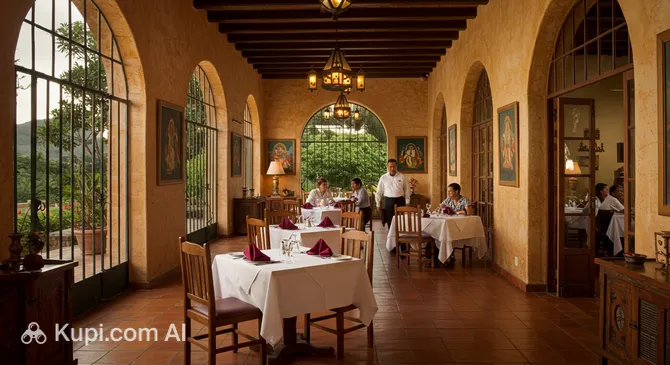
Hacienda de Cortés. Illustration.
Source: Kupi.com AI

Traveler photos:

The dining culture in Cuernavaca is diverse. You can find cozy family restaurants as well as fine dining establishments offering signature interpretations of traditional dishes. For example, to experience the atmosphere of old Mexico and try exquisite meals, you can visit the Hacienda de Cortés restaurant. Street food and lively markets are also an integral part of the city's gastronomic life, offering authentic flavors at affordable prices. Locals often prefer these places for a quick and tasty snack.

Cuernavaca's gastronomic scene attracts tourists with its diversity, authenticity, and vibrant flavors. Gastronomic festivals are regularly held here, where you can get acquainted with the region's best dishes and participate in culinary masterclasses. By trying such iconic dishes as tender barbacoa, aromatic tamales, or exquisite mole, you will truly feel the spirit of this hospitable Mexican city.

Travel Tips

Welcome to Cuernavaca, the "City of Eternal Spring"! To make your journey to this charming corner of Mexico as comfortable and pleasant as possible, we have prepared some practical tips. They will help you navigate better and enjoy every moment of your stay.

  1. Clothing and Essentials: Thanks to its mild climate, Cuernavaca allows you to wear light clothing year-round. Bring breathable fabrics, comfortable shoes for walking on paved streets, sunscreen, a hat, and sunglasses. It can be a bit cooler in the evening, so a light sweater or jacket will come in handy. If you plan to visit churches, such as the Cathedral, choose clothing that covers your shoulders and knees. Don't forget an adapter for electrical appliances (Mexico uses type A and B sockets, voltage 127V).
  2. Getting Around the City: The historical center of Cuernavaca is pleasant to explore on foot. For longer trips, you can use local buses ("rutas" or "combis")—this is the most economical option, although they can be crowded. Taxis are easy to find, but it is recommended to agree on the price in advance or ensure the meter is turned on. Ride-hailing apps like Uber or Didi may also be available. Renting a car can be useful for exploring the surroundings, but be aware that city traffic can be heavy.
  3. Financial Matters: The local currency is the Mexican Peso (MXN). You can exchange money at banks or exchange offices ("casas de cambio"); rates in the city are usually better than at the airport. Credit and debit cards (Visa, Mastercard) are accepted in many hotels, restaurants, and large stores. ATMs ("cajeros automáticos") are widespread; it is safer to use those located inside banks. Be sure to notify your bank about your trip. Tipping (propina) is common practice: 10-15% in restaurants if service is not included in the bill, and small amounts for porters and other service staff.
  4. Health and Safety: Pharmacies ("farmacias") are frequent, some open 24/7 or have a doctor's office ("consultorio") for basic consultations. For serious cases, contact private clinics; having travel insurance is highly recommended. As in any large city, observe basic precautions: keep an eye on your belongings, avoid displaying expensive jewelry and large amounts of cash, especially after dark and in less crowded areas. Drink only bottled water.
  5. Communication and Connection: The official language is Spanish. In tourist areas, hotels, and some restaurants, staff may speak English, but knowing a few phrases in Spanish will be very helpful and appreciated by locals. Try to learn: "Hola" – Hello, "Gracias" – Thank you, "Por favor" – Please, "No hablo español" – I don't speak Spanish. SIM cards from local operators (Telcel, AT&T, Movistar) can be bought at their offices or OXXO stores. Wi-Fi is available in most hotels, cafes, and some public spaces.
  6. Local Etiquette: Mexicans are generally very friendly and polite. It is customary to greet people ("Buenos días" – good morning, "Buenas tardes" – good afternoon/evening, "Buenas noches" – good night). A handshake is a common form of greeting. Be patient, as the pace of life here can be more relaxed. Using the words "por favor" (please) and "gracias" (thank you) is always appropriate.
  7. What to Avoid: Try not to drink tap water. Also, you should avoid getting into discussions on sensitive political topics or making negative comparisons that might offend locals. Be careful with street food if you have a sensitive stomach; choose trusted places.
  8. Special Tip for Cuernavaca: The city is famous for its magnificent gardens and spas. Be sure to visit Borda Garden (Jardín Borda) or set aside time for a relaxing treatment at one of the local spas. Cuernavaca is also a popular place for learning Spanish, with many language schools here.

We hope these tips make your stay in Cuernavaca even more memorable and worry-free. Enjoy the "eternal spring" and the hospitality of this beautiful city!

Entertainment & Nightlife

Cuernavaca, known as the "City of Eternal Spring," offers its guests not only a pleasant climate and beautiful gardens but also a fairly lively nightlife. As the sun sets, the city is transformed, opening up many opportunities for those looking for entertainment after a busy day.

The main centers of nightly activity are concentrated in the historical city center, as well as along some busy avenues such as Avenida San Diego and Avenida Rio Mayo. Here you will find a variety of bars, restaurants with evening programs, and clubs. The atmosphere in Cuernavaca's establishments is usually relaxed and friendly, especially on weekends when many residents of Mexico City visit. The dress code is most often casual or smart casual, though some trendier clubs may have their own requirements.

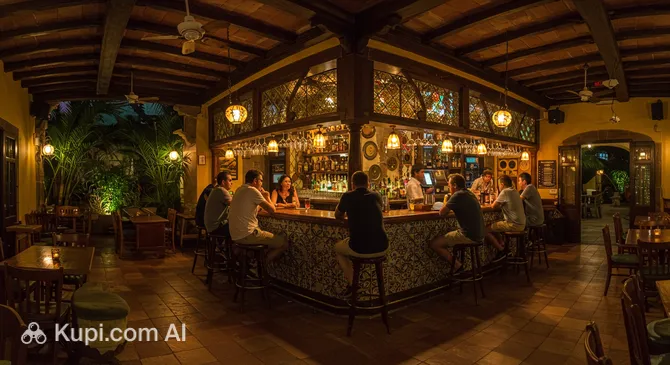
Anticavilla. Illustration.
Source: Kupi.com AI

Traveler photos:

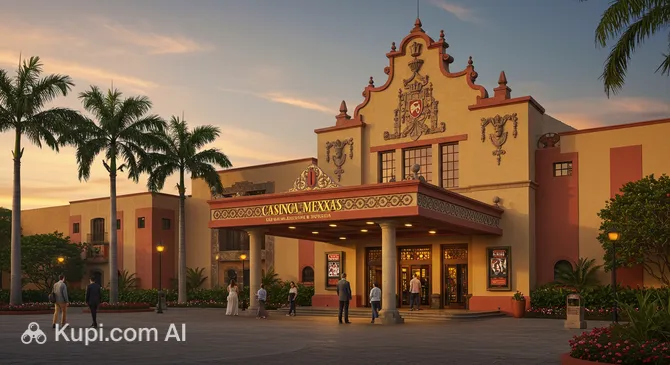
The choice of venues is wide: from cozy bars with local beer and tequila where you can chat with friends, to more energetic nightclubs with dance music. One of the popular places for evening relaxation is the Anticavilla bar, which offers a pleasant atmosphere. For those looking for gaming entertainment, the doors of Winland Casino Cuernavaca are open. Many restaurants also stay open late, offering not only dinner but also live music or special evening menus.

The best time to visit nightlife spots is Friday and Saturday evenings when the city comes alive. Most bars and clubs start filling up after 10:00 PM and stay open until the early morning. Prices in Cuernavaca's venues vary but are generally considered moderate. For moving around the city at night, it is recommended to use official taxis or popular ride-hailing apps. Central and well-lit tourist areas are usually safe for walking; however, you should always take reasonable precautions and avoid poorly lit or deserted streets.

Winland Casino Cuernavaca. Illustration.
Source: Kupi.com AI

Traveler photos:

During the day, Cuernavaca also offers plenty to do. The city is rich in cultural attractions and relaxation spots. You can visit the Juan Soriano Museum of Contemporary Art, stroll through the famous Borda Garden, or spend time with family at an amusement park like La Casa de los Guiris. It's also worth checking out the Regional Museum of the Peoples of Morelos to gain a deeper understanding of the region's history and culture.

Borda Garden. Illustration.
Source: Kupi.com AI

Traveler photos:

Parks & Museums

Cuernavaca, known as the "City of Eternal Spring," charms not only with its pleasant climate but also with its rich selection of green areas for relaxation and significant cultural sites that preserve the history and art of the region.

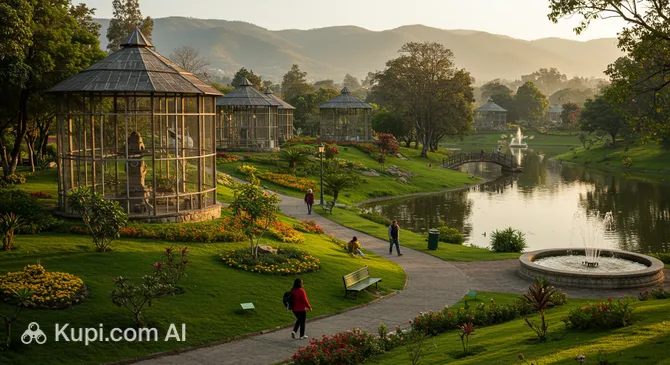
Among the parks and gardens of Cuernavaca, the Borda Garden stands out particularly. This historical 18th-century garden, which once served as the summer residence of Emperor Maximilian I, today attracts visitors with its fountains, lush vegetation, picturesque lake, and the unique atmosphere of a bygone era. It is an ideal place for leisurely walks and taking beautiful photographs.

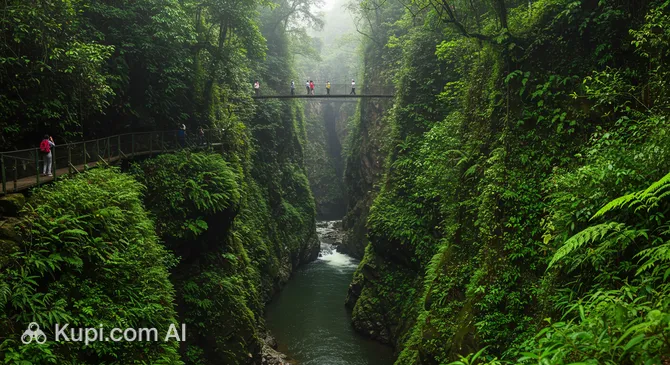
For nature lovers and outdoor enthusiasts, the Barranca de Chapultepec State Urban Park is a perfect fit. This impressive natural canyon offers shaded walking trails, cozy picnic areas, and a unique opportunity to see local flora and fauna right within the city limits.

Barranca de Chapultepec Urban State Park. Illustration.
Source: Kupi.com AI

Traveler photos:

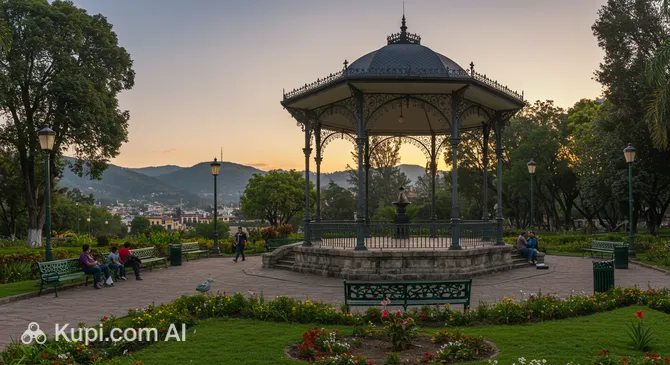
Equally popular is the Jardín Juárez, located in the very heart of Cuernavaca. This is a lively meeting place where locals and tourists relax by the kiosk, enjoy street food, or simply watch the flow of city life.

Juárez Garden. Illustration.
Source: Kupi.com AI

Traveler photos:

The main cultural center of the city is rightfully considered the Regional Museum of the Peoples of Morelos, housed in the majestic Palace of Cortés. This is one of the oldest colonial buildings on the American continent. In its halls, you can immerse yourself in the rich history of the state of Morelos, from pre-Hispanic times to the present, and see the famous murals by Diego Rivera, depicting key moments in the region's history.

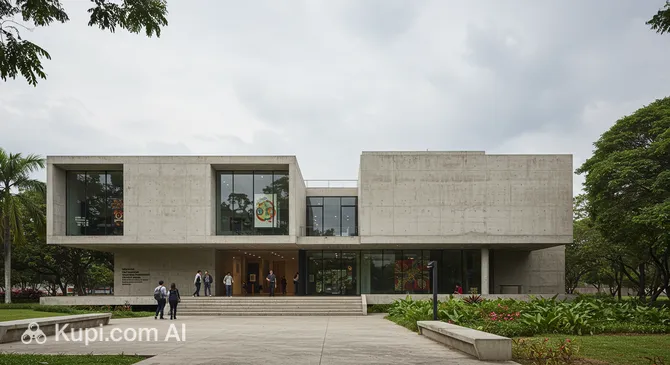
A unique collection of art and antiques from around the world can be seen at the Robert Brady Museum. The museum is located in a meticulously restored colonial mansion where every corner preserves a piece of the eclectic taste of its former owner, American collector Robert Brady. For lovers of monumental art, a mandatory visit is La Tallera—the former workshop and home of the famous Mexican artist David Alfaro Siqueiros. Today, it is an impressive museum and cultural center where you can see his monumental works and learn about his creative legacy.

La Tallera. Illustration.
Source: Kupi.com AI

Traveler photos:

Among the architectural and historical gems of the city, the Cuernavaca Cathedral stands out. This monumental cathedral is part of a 16th-century monastery complex included in the UNESCO World Heritage list. Its austere beauty and historical significance leave a lasting impression.

Near the city center is the Teopanzolco Archaeological Zone. Here you can see the ruins of an ancient city of the Tlahuica culture, including impressive pyramids that testify to the rich pre-Hispanic past of this region.

For those looking for a more peaceful rest in nature, away from the tourist crowds, the San Miguel Acapantzingo Ecological Park is an excellent choice. And to feel the authentic atmosphere of the city, take a stroll through the local markets, such as the colorful Mercado Adolfo López Mateos, where you can find fresh products, crafts, and sample local cuisine.

San Miguel Acapantzingo Ecological Park. Illustration.
Source: Kupi.com AI

Traveler photos:

Getting Around

Public transport in Cuernavaca consists mainly of buses and shuttle taxis, known as "peseros" or "combis." These are the most common and affordable ways to travel around the city and its surroundings. There is no metro, trams, or trolleybuses in Cuernavaca.

The payment system in buses and "peseros" is usually very simple: the fare is paid in cash directly to the driver upon entry. The fare is generally low and depends on the route and distance; it usually ranges from 8 to 15 Mexican pesos. Specialized transit cards or mobile apps for paying for public transport are not yet widespread in Cuernavaca, so it is recommended to carry small bills and coins.

Buses and "peseros" run along specific routes, which are often indicated on the vehicle's windshield. To stop a bus or minibus, simply signal with your hand. Transport usually runs from early morning until evening, but the frequency and finishing times can vary depending on the route. Tickets as such are not sold in advance; payment is made on the spot.

As an alternative to public transport, taxis are widely available in Cuernavaca. It is recommended to use official taxi services or call a car through well-known ride-hailing apps, if available in the city, for greater safety and predictable fares. For short distances, especially in the city center, you can get around on foot while sightseeing. Bicycle rentals may be available in some tourist zones but are not a primary transport system.

There are no unique historical forms of transport, such as an old metro or cable cars, in Cuernavaca's transport system. The main emphasis is on functionality and covering city districts with bus routes and "peseros."

Accommodation

In Cuernavaca, known as the "City of Eternal Spring," travelers will find a variety of accommodation options to suit every taste and budget. There are cozy boutique hotels and colonial-style guesthouses, as well as larger hotel complexes with pools and gardens. Apartments and houses for rent are also available, which can be a convenient option for families or long stays. Many tourists prefer to stay in the historical city center to be within walking distance of main attractions such as the Cuernavaca Cathedral or the Borda Garden. Other popular neighborhoods include those offering a quieter atmosphere with beautiful views, but still with good access to restaurants and shops.

Plaza de Armas. Illustration.
Source: Kupi.com AI

Traveler photos:

The price range for housing in Cuernavaca varies from budget options to luxury offers. You can find a suitable option on international online booking platforms as well as by contacting hotels directly. It is recommended to book your accommodation in advance, especially if your trip falls during the peak tourist season or holidays, to ensure the best choice and prices. The city has many charming places, and the right choice of accommodation will make your stay in Cuernavaca even more pleasant.

Nearby Cities

For those looking to explore the surroundings, Cuernavaca serves as an excellent starting point for day trips to several interesting nearby places:

CityPopulationDistance
Jiutepec215 3576 km
Temixco116 1437 km
Emiliano Zapata22 4699 km
Tepoztlan14 13015 km
Miacatlan26 71322 km

For instance, Jiutepec, located just a few kilometers away, attracts visitors with its spas and thermal springs, offering a relaxing getaway. Cuautla, a bit further away, has a rich historical heritage related to the Mexican War of Independence and is also famous for its balneological resorts. Temixco, also in close proximity, is known for its water parks and recreational areas, making it a great choice for family leisure.

These nearby destinations provide an insight into the diverse culture and landscapes of the region.

Shopping & Souvenirs

Cuernavaca offers a variety of shopping opportunities, from modern shopping centers to colorful local markets. The city is not famous for any highly specialized goods, but here you can find quality items from Mexican artisans, clothing, footwear, and, of course, souvenirs. Shopping in Cuernavaca is a pleasant addition to exploring the "City of Eternal Spring."

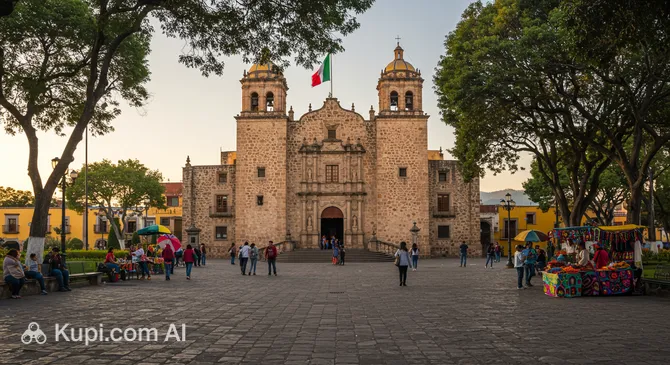
The main shopping areas in Cuernavaca are the central streets around the main square, Plaza de Armas, where many small shops, boutiques, and souvenir stalls are located. Lively trade also takes place on the streets adjacent to the large markets. A walk through the historical center will allow you to combine sightseeing with the search for interesting purchases.

For those who prefer comfortable shopping under one roof, there are several modern shopping malls in Cuernavaca. Among the most popular is Averanda, which offers a wide range of well-known brand stores, restaurants, and entertainment. Another noteworthy shopping complex is Plaza Cuernavaca, where you can also find various goods and services.

Averanda. Illustration.
Source: Kupi.com AI

Traveler photos:

An integral part of Cuernavaca's shopping scene is its markets. The most famous and largest is Mercado Adolfo López Mateos. It is a real labyrinth where you can buy fresh fruit, vegetables, meat, spices, flowers, as well as clothing, shoes, household goods, and, of course, handicrafts and souvenirs. An authentic atmosphere reigns here, and you can find unique items at affordable prices. Also, small flea markets and weekend fairs can be found in the city, where local artisans sell their creations.

As souvenirs from Cuernavaca, it is worth bringing back ceramic items, especially Talavera, painted clay pottery, handmade textiles (ponchos, shawls, tablecloths), silver jewelry, colorful masks, woven baskets, and sombreros. Local sweets and tequila or mezcal are also popular.

Most shops in Cuernavaca are open from 10:00-11:00 AM to 7:00-8:00 PM. Some small shops may close for siesta in the middle of the day (approximately from 2:00 PM to 4:00 PM). Large shopping centers usually work without a break and stay open longer, often until 9:00 PM or 10:00 PM. Mexican pesos (cash) are accepted for payment, and most shops and malls accept Visa and MasterCard credit cards. Cash is preferred at the markets.

In Mexico, there is a VAT (IVA) refund system for foreign tourists on certain goods purchased in stores participating in the Tax-Free program. To process a refund, you must make a purchase of a certain amount, obtain a special receipt (factura), and present it along with the goods and your passport at the airport when leaving the country. Check details and conditions directly in the stores.

Reached the end of the page?

That means the route is fully explored