Support

Zona Arqueológica Teopanzolco

About

Tucked away among the modern neighborhoods of Cuernavaca is an extraordinary piece of antiquity—the Teopanzolco Archaeological Zone. This majestic complex was built by the Tlahuica culture, which was an important part of Mesoamerican civilization. Today, this site is recognized as a significant historical monument managed by the National Institute of Anthropology and History of Mexico.
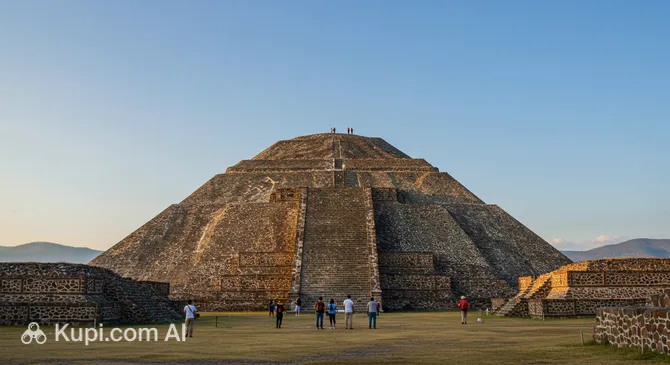
Teopanzolco Archaeological Zone. Source: Kupi.com AI

The centerpiece of the complex is occupied by two monumental structures: the Great Pyramid and the Calvario pyramid. A unique feature of the Great Pyramid is the presence of two shrines at its summit, oriented toward different cardinal points—an extremely rare architectural technique for the culture of that time. Perched on a hill, the complex offers visitors not only historical discoveries but also beautiful panoramic views of the city.

In recent years, Teopanzolco presented archaeologists with a real surprise: after the 2016 earthquake, a hidden underground temple was discovered beneath the base of the main pyramid. The combination of ancient ruins, authentic artifacts, and a peaceful atmosphere makes this place ideal for those who want to touch the mysteries of the pre-Hispanic past away from the usual crowds.

Contacts

To confirm details before your visit or to organize a group tour, you can use the official contact information for the archaeological complex.

Address Río Balsas S/N, Vista Hermosa, 62290 Cuernavaca, Mor., Mexico
Phone +52 777 314 1284
Official website inah.gob.mx
Google Maps Open map

What to Do

The main highlight here is the opportunity to climb to the top of the Great Pyramid. From its upper platform, you can enjoy a breathtaking panoramic view of Cuernavaca and the majestic mountain ranges surrounding the valley. It is the perfect spot to appreciate the scale of the ancient settlement and take impressive photos.

Special attention should be paid to the underground temple, which only recently became accessible to researchers. Inside, you can see fragments of ancient frescoes and altars dedicated to the goddess Coyolxauhqui. To ensure you don't miss important details and to understand the hidden meaning behind the temple symbolism, it is recommended to hire a certified guide who can explain the rituals performed on these stones hundreds of years ago.

Beyond exploring the pyramids, it is pleasant to simply wander around, observing the local flora and birds characteristic of the region. The archaeological zone is known for its peaceful atmosphere, perfect for reflection. For a comfortable visit, be sure to wear comfortable shoes with non-slip soles for climbing the steps, and don't forget to bring water, as it can get quite hot in the open areas.

Getting There

The archaeological zone is located at Río Balsas S/N, Vista Hermosa, making it easily accessible from any part of the city. If you are in the center of Cuernavaca, a trip by taxi or via Uber and Didi services will take about 10–15 minutes. The fare is usually between 100–150 Mexican pesos. You can also use local buses heading to the Vista Hermosa district.

For those traveling by car, parking is available on the complex grounds. From Mexico City, the archaeological zone can be reached in about an hour via highway 95D, following the signs for Cuernavaca and then taking the local roads leading to the Vista Hermosa area.

Travelers arriving from the capital by public transport can take buses from the Central de Autobuses del Sur terminal in Mexico City. Upon arrival at the Cuernavaca bus station, the easiest option is to take a taxi to reach the gates of the ancient city quickly and comfortably.

History & Facts

The history of this site began around 1350, when representatives of the Tlahuica culture, arriving from the north, founded their settlement here. The name Teopanzolco itself translates from Nahuatl as “Temple ruined on one side,” which adds an air of mystery to this ancient architectural monument.

In the 16th century, during the Spanish conquest, the region was under the rule of the Tlahuican leader Topiltzin Axayutl, who was an ally of the Aztecs. In 1521, the conquistadors of Hernán Cortés destroyed many buildings; however, archaeological finds indicate that some structures continued to be used even during the colonial period.

Modern science continues to uncover the secrets of this place in unexpected ways. In 2016, a powerful earthquake damaged the main pyramid but simultaneously helped reveal a hidden 12th-century circular temple beneath it. This structure was dedicated to the divine pair Ometeotl and Omecihuatl.

Today, archaeological work at Teopanzolco is ongoing. Scientists continue to find unique ceramics, figurines, and burials that help better understand the daily life and beliefs of the people of the Postclassic period (1200–1521 AD), as well as trace the influence of Aztec and Toltec cultures on local traditions.

Time Needed

To see all the main monuments without rushing, the average tourist will need between 1.5 and 2.5 hours. This is plenty of time to explore both pyramids, climb to the observation platforms, and take memorable photographs.

If you decide to use the services of a professional guide or are used to studying information boards in detail, you should allocate about 3 hours for your visit. Keep in mind that climbing the steps of these ancient structures requires some physical effort and time to rest in the shade.

Working Hours

The Teopanzolco Archaeological Zone welcomes visitors daily according to the following schedule:

  • Monday: 9:00 AM – 5:00 PM
  • Tuesday: 9:00 AM – 5:00 PM
  • Wednesday: 9:00 AM – 5:00 PM
  • Thursday: 9:00 AM – 5:00 PM
  • Friday: 9:00 AM – 5:00 PM
  • Saturday: 9:00 AM – 5:00 PM
  • Sunday: 9:00 AM – 5:00 PM

Please note that the ticket counters close 30 minutes before the complex closes, so plan your arrival in advance to have time to purchase your ticket and enter the grounds.

Nearby

A stroll through the surroundings of Teopanzolco allows you to dive deeper into the atmosphere of the state of Morelos and diversify your travel itinerary. Exploring the adjacent neighborhoods will reveal cozy corners of the city and modern entertainment venues.

Name Distance (km)
Pipilitzin 0.8
Villa Sibari 1.1
Veterinaria y Farmacia Mascotas del Centro 1.7
Acuario el Delfín de Cuernavaca 1.7
La Casa de los Guris 2.2
Barrio Frenesi 2.4
Aquario 2.4
PINGOS FunPark 2.5
SMASH 3.1
Waterfall Spa 3.2

Reached the end of the page?

That means the route is fully explored