Support

Museo de Historia Natural (MUHNA)

About

Imagine an elegant 19th-century historic manor in the style of a European chalet, surrounded by a lush park. This is the home of the Museum of Natural History (MUHNA) — a unique space where science meets art. Located in the picturesque city of Morelia, this museum invites visitors to dive into the wonderful world of nature and ancient fossils, for which Mexico is so famous.
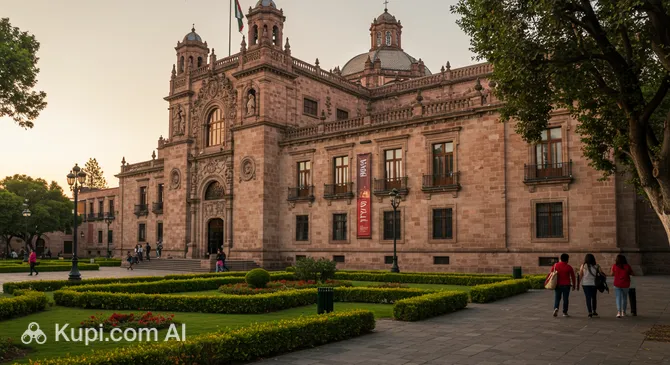
Museum of Natural History (MUHNA). Source: Kupi.com AI

The museum building itself is an architectural monument. Built for the Macuze family, the manor stands out with its medieval architectural elements, giving the exhibitions a special atmosphere. MUHNA is not just a series of exhibition halls, but an educational center dedicated to the study and preservation of the natural heritage of the region and the entire country.

The museum's collection features carefully conserved specimens, including rare insects, minerals, and seashells. The institution's main mission is to popularize knowledge about nature through recreation and education, making complex scientific facts accessible and interesting for visitors of all ages.

Contacts

To plan your visit to the Museum of Natural History, it is helpful to have current contact information at hand. You can contact the administration directly or check out announcements for temporary exhibitions and educational programs on their official resources.

Address Av. Ventura Puente, Bosque Cuauhtémoc 23, Centro, 58000 Morelia, Mich., Mexico
Phone +52 443 312 0044
Website facebook.com/MUHNA
Google Maps View location

What to Do

A stroll through the museum's halls turns into an exciting journey through the ages. Be sure to check out the Mammals Hall, which features specimens from around the world, and visit the fossil exhibition. The main pride of this section is the remains of the Michoacán mammoth, discovered by local university scientists and now one of the collection's most valuable exhibits.

For fans of the Mesozoic era, the outdoor area of the museum features the Sáurika. Guarida de Dinosaurios area. In this "dinosaur lair," you will find realistic sculptures of ancient lizards along with detailed information about their diet and habitats within modern-day Mexico. It is an excellent spot for educational fun with children and capturing vibrant photos against the backdrop of prehistoric giants.

Don't forget to pay attention to the temporary exhibitions. At MUHNA, you can see one of the country's largest collections of Michoacán's live fish, and study a variety of fungi, birds, and reptiles. The museum garden is also full of surprises: it features a collection of regional succulents and the "Alma de Piedra" stone sculpture exhibition, created by local craftsmen.

For those who want to delve deeper into the subjects, guided tours, thematic lectures, and ecological workshops are available. And if you prefer a modern format, you can take a virtual tour on the museum's official website to plan which halls are most interesting to you in advance.

Getting There

Getting to the museum is easy, as it is located in the eastern part of the historic city center. The main landmark is the picturesque Bosque Cuauhtémoc park. The exact address of the institution is Av. Ventura Puente 23. If you are in the central area, a walk to the museum will be a pleasant addition to your tour and will take about 15–20 minutes.

For those who prefer public transport, numerous buses and fixed-route taxis (combis) run along Ventura Puente Avenue or toward Cuauhtémoc Park. You can quickly reach it by taxi from any part of the city, and a ride from the center will be quite inexpensive. If you are planning a visit immediately after arriving at Morelia International Airport, the drive will take approximately 25–30 minutes.

History & Facts

The history of this scientific center began back in 1886, when Dr. Nicolás León Calderón founded the Michoacán Museum. Initially, the collection was housed within the walls of the Colegio de San Nicolás, but over time it grew and required more space. Thanks to the work of outstanding naturalists such as Melchor Ocampo and Nicolás León, a rich collection of exhibits dedicated to the region's nature was assembled.

The modern chapter of the museum opened on December 6, 1986. That was when biologists from the Michoacán University established MUHNA as an independent unit, choosing an old manor in Cuauhtémoc Park as its home. The museum was named after Manuel Martínez Solórzano — a renowned scientist whose contribution to the study of Mexico's flora and fauna is invaluable.

The building that houses the exhibitions today is a historical treasure in its own right. This 19th-century manor, built in the style of a European chalet, was constructed for the Macuze family. Its unusual architecture with medieval design elements creates a unique backdrop for the natural science collections, bridging human history and the history of the Earth.

Today, the museum celebrates nearly forty years of active operation. It remains an important part of the Michoacán University of San Nicolás de Hidalgo, focusing on the popularization of science and the preservation of valuable collections for future generations of researchers and students.

Time Needed

To leisurely explore all the exhibitions inside the building and stroll through the garden, it is recommended to set aside about 2–3 hours. This time is quite sufficient for visiting the permanent halls, viewing the fossil collection, and exploring temporary exhibitions.

If you plan to participate in educational workshops or decide to study the information stands in the dinosaur garden in detail, your visit time may increase slightly. Since the museum is located in a picturesque park, many visitors prefer to combine a trip to MUHNA with a long walk in the fresh air.

Working Hours

The museum follows a stable schedule and is open to visitors daily. You can plan your visit any day of the week: from Monday to Sunday, the doors are open from 10:00 to 15:30.

It is important to note that admission to the museum is free, making it one of the city's most accessible cultural sites. During holidays and vacation periods, operating hours may change slightly (sometimes the museum is open until 16:00), so it is worth checking their social media page for details before your visit.

Nearby

The museum's location in one of the city's main green zones offers excellent opportunities for further exploring the surroundings. A walk through the park and a visit to nearby sites will make your day rich and interesting.

Name Type Distance (km)
Bosque Cuauhtémoc Park 0.2
La Casa del Estanque Morelia Historical site 1.0
Fauna Acuario Aquarium 1.1
Acuario Azúl Aquarium 1.4
Acuario Poseídon Chedrawi Aquarium 1.8
Acuario Diversidad Marina Aquarium 2.1
Parque Zoológico Benito Juárez Zoo 2.4
Acuario Hábitat Aquarium 2.4
Tobogán Gigante Entertainment 4.5
Life Aquarium Morelia Aquarium 5.0

Reached the end of the page?

That means the route is fully explored