Support

Ixmiquilpan

About

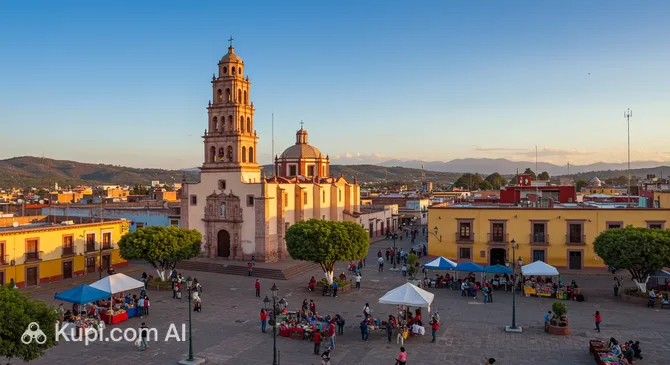
Ixmiquilpan is a colorful and authentic city nestled in the heart of the state of Hidalgo. Located in Mexico, this corner of the world attracts travelers with its picturesque surroundings of green hills and valleys, as well as a mild climate that makes any time of year comfortable for a visit. Thanks to its convenient location near the capital, the city serves as an excellent starting point for those wishing to experience the authentic life of the region.

Ixmiquilpan. Illustration.
Source: Kupi.com AI

Despite a population of around 98,000, the city maintains a lively atmosphere. The unique history of Ixmiquilpan is reflected in the intertwining of indigenous traditions and modern influences. Local residents carefully preserve their cultural heritage, which is felt in everything from the architecture to the daily way of life. The city is an important administrative center for the district, where trade and crafts are actively developed.

The streets of Ixmiquilpan are a true kaleidoscope of impressions: house facades are bursting with bright colors, and the air is filled with the aromas of spices from authentic markets. Tourists can expect not only colorful festivals and musical evenings but also genuine hospitality. A visit to this city is an ideal choice for travelers seeking vivid emotions and wanting to discover the little-known but charming facets of the country.

Weather Overview

The climate in this region is mild, making travel pleasant at almost any time of year. Spring is considered the warmest season: in May, the average temperature rises to 21.8°C, and during the day, the air often warms up to nearly 29°C. If detailed weather in Ixmiquilpan is important for choosing your travel dates, pay attention to the clear division of seasons.

Summer months and the beginning of autumn bring the rainy season. From June to September, the number of rainy days increases significantly, peaking in July (around 20 days with precipitation), although the temperature remains comfortable, averaging around 19–20°C. This time of year fills the city with freshness, however, an umbrella will be a necessary accessory in your luggage.

The winter period, conversely, is characterized by dry and cooler weather. In December and January, there is practically no precipitation, and the average temperature is about 14.6°C, while nights can be quite cool—down to 7.5°C. Expect a warm summer with frequent rains and cool, dry winters, allowing you to plan busy sightseeing itineraries without the fear of exhausting heat.

Average monthly temperature

Average monthly precipitation

Interesting Facts

In addition to its main architectural monuments, Ixmiquilpan hides many fascinating secrets and cultural features that reveal themselves only to the most curious travelers. Here are a few facts that will help you see this Mexican city from a new perspective:

  • Living Otomi Heritage. The city's history is rooted in the pre-Columbian era, and the spirit of that time hasn't vanished without a trace. In some areas of Ixmiquilpan, you can still hear the ancient language of the Otomi people, which residents carefully pass down through generations, preserving a unique linguistic environment.

  • Legend of the Healing Name. There is a beautiful urban legend about the origin of the city's name. It is believed to be inextricably linked to the natural wealth of the land—healing waters and springs. This is not just a myth: the surroundings are indeed famous for their thermal springs and mineral baths, which attract people from all over the country for wellness treatments.

  • Center of Folk Crafts. The city is rightfully considered the cradle of the region's talented artisans. Local weaving and ceramic masters create masterpieces that not only decorate residents' homes but are also regularly exhibited at prestigious national fairs, making Ixmiquilpan famous as an important artistic center.

  • Immersive Festivals. Annual holidays here are not just entertainment, but an opportunity to touch the roots. During festivals dedicated to harvest and crafts, anyone can try their hand as a craftsman and learn the basics of traditional art under the guidance of local experts.

How to Get There

When planning a trip to this colorful corner of the state of Hidalgo, it is important to think through the logistics in advance. Since Ixmiquilpan does not have its own airport, the main flow of tourists arrives through major transport hubs in neighboring cities. We recommend exploring all the ways to get to the city to choose the route that best fits your budget and schedule.

The closest airport to the city is Felipe Ángeles International Airport (NLU). It is located on the outskirts of Mexico City, approximately 83 km from your destination. This is a modern hub with high passenger traffic. The journey from here by taxi or rental car will take roughly 1.5–2 hours, depending on traffic conditions.

Another convenient option is Querétaro Airport (QRO), located in the neighboring state. The distance to Ixmiquilpan is about 102 km. This is a regional airport that handles a sufficient number of flights. Travel time by road will be approximately 2–2.5 hours.

Many travelers also choose the country's main aviation hub—Benito Juárez International Airport (MEX) in Mexico City. This is the largest airport, receiving flights from all over the world. It is located 117 km from Ixmiquilpan, and a trip from there usually takes 2.5–3.5 hours due to heavy traffic in the capital.

For clarity, here is a summary of the main airports:

AirportPassenger trafficDistance
Felipe Angeles International Airport6.3 mln83 km
Queretaro Intercontinental Airport2.1 mln102 km
Benito Juarez International Airport45.4 mln117 km
Toluca International Airport1.7 mln132 km
Huejotzingo Airport790 931171 km

As for rail connections, there are currently no direct passenger trains to Ixmiquilpan. The railway in Mexico is primarily used for freight or special tourist routes far from this region. Therefore, the main land-based ways to reach the city remain intercity buses and cars. Federal highways connect Ixmiquilpan with Mexico City and Pachuca, ensuring regular service.

Main Attractions

Ixmiquilpan offers tourists a wonderful blend of colonial architecture, unique monuments, and natural wealth. The city is famous for its thermal springs and a rich historical heritage carefully guarded by locals. Here are several places that should definitely be included in your travel itinerary.

The Temple and Former Monastery of the Archangel Michael is a true gem of the colonial era, built by Augustinians in the 16th century. From the outside, the building resembles an impregnable fortress, but the most interesting part is hidden inside. The temple walls are decorated with unique frescoes created by local indigenous masters. These images combine Christian motifs with pre-Hispanic symbolism and battle scenes, making this complex a one-of-a-kind monument of religious art in the country.

In the very heart of the city, in the main square, stands the majestic Diana the Huntress. Interestingly, this sculpture is not a copy, but the very original that once adorned a famous avenue in Mexico City. The statue of the goddess has become an unofficial symbol of Ixmiquilpan and a favorite spot for photos. In the evening, the fountain around the sculpture is beautifully illuminated, creating a pleasant atmosphere for strolling through the center.

For lovers of outdoor activities and nature, EcoAlberto Park is the perfect destination. Located in a picturesque canyon, it offers a variety of activities: from peaceful boat trips along the river to extreme ziplining. Here you can enjoy the silence, admire the majestic cliffs, and even spend the night in cozy eco-cabins to witness the sunrise in the heart of the wilderness.

You can't visit this region without stopping by the famous thermal water parks for which the entire Mezquital Valley is renowned. Thanks to natural geothermal activity, there are many complexes with hot springs, such as "Dios Padre" or "El Tephé." The water in the pools is rich in minerals and has a relaxing effect, making a visit to these recreation areas the perfect conclusion to a busy day of sightseeing.

Local Cuisine

A gastronomic journey through Ixmiquilpan is impossible to imagine without experiencing its main culinary pride—barbacoa. This dish is practically a cult here: tender meat, most often lamb, is slow-cooked in a traditional underground pit, wrapped in agave leaves, which gives it a unique smoky aroma and softness. Traditionally, barbacoa is prepared on weekends, and local families gather to enjoy this treat accompanied by warm handmade tortillas and spicy salsa.

While strolling through the city's lively streets, you should definitely try tacos al pastor. This is pork marinated in a complex blend of spices and chilies, which is roasted on a vertical spit and masterfully sliced into thin slivers directly onto a tortilla. The dish is usually served with pieces of sweet pineapple, fresh onion, and cilantro, creating a perfect balance of flavors. In local markets, the culinary palette is even richer: here you will find hearty enchiladas and rich soups made from local vegetables.

To quench your thirst on a warm Mexican day, travelers choose agua fresca—refreshing drinks based on fresh seasonal fruits, water, and sugar. For lovers of something more traditional and warming, especially in the morning hours at the market, atole is perfect. This thick drink made from corn flour is often brewed with aromatic cinnamon and vanilla, creating a cozy taste familiar to every local since childhood.

The food culture in Ixmiquilpan is inextricably linked to socializing and folk celebrations. The best places to get to know authentic flavors are the city markets and small family eateries, where recipes are carefully passed down through generations. Special attention should be given to gastronomic festivals, where competitions for the best sauce or workshops on meat preparation are often held, allowing tourists to not just eat, but to become part of a vibrant culinary celebration.

Travel Tips

To ensure your trip to the heart of the state of Hidalgo leaves only warm memories, it's worth considering a few local characteristics in advance. Ixmiquilpan is a welcoming and peaceful city, but like anywhere in Mexico, there are nuances that will significantly simplify a tourist's life and help avoid minor misunderstandings.

  1. Clothing and Gear. The main item in your suitcase should be swimwear, as the region is famous for its thermal water parks. The climate here is semi-desert: it can be hot during the day, so bring light clothing made of natural fabrics, a hat, and sunglasses. However, evenings can be cool, so a light jacket or sweatshirt is essential. For walking on the cobblestones of the city center, choose comfortable closed-toe shoes.
  2. Transport. There is no metro or tram in Ixmiquilpan. The main way to get around for locals is "colectivos" (minibuses), which run along main streets and go to the water parks; this is the most budget-friendly option. Taxis are available, but meters are rarely used: always agree on the price with the driver before boarding. Apps like Uber may be unstable or non-existent here, so rely on cash.
  3. Finances. The official currency is the Mexican peso. Cards are accepted in large supermarkets and hotels, but in small shops, markets, and on public transport, only cash is used. ATMs (cajeros automáticos) are concentrated around the main square (Jardín Principal). Keep small bills and coins for tips and fares.
  4. Health and Safety. Ixmiquilpan is a fairly safe city, but standard precautions apply: don't leave things unattended and avoid unlit outskirts at night. The sun is very active here due to the altitude, so high SPF sunscreen is necessary even in cloudy weather. Pharmacies (Farmacias) are easy to find in the center, and some are open 24/7.
  5. Communication. The primary language is Spanish. English is not widely spoken, so download an offline translator and learn basic phrases ("Hola", "Gracias", "Cuanto cuesta?"). A local SIM card (e.g., Telcel) can be bought at the ubiquitous OXXO stores—this will provide you with stable internet for navigation.
  6. Local Etiquette. Residents are very polite. When entering a shop or restaurant, it's customary to say hello ("Buenos días" or "Buenas tardes"). If you see someone eating, it's polite to say "Buen provecho" (enjoy your meal). Also, the Otomi culture is respected here, so show tact when visiting traditional communities.
  7. What to Avoid. It is strictly recommended not to drink tap water—buy bottled water even for brushing your teeth to avoid stomach upsets. Also, you should not take photos of local residents, especially elderly people in traditional clothing, without their prior permission.
  8. Useful Life Hack. Try to visit the city market (Mercado Municipal) on Monday—this is the main trading day when traders from all over the valley come to the city. It's the best time to buy the freshest fruit, try authentic barbacoa, and find unique handmade souvenirs from agave fibers at the lowest prices.

Following these simple recommendations will help you feel confident and comfortable in Ixmiquilpan. Locals appreciate a respectful attitude toward their way of life and are always ready to help a lost traveler or point the way to the best hot springs.

Entertainment & Nightlife

Nightlife in Ixmiquilpan is significantly different from the noisy parties of major resorts. You won't find massive nightclubs with world-famous DJs here; instead, you can immerse yourself in the authentic atmosphere of the Mexican province. Evening entertainment in the city is relaxed and friendly, centering around socializing, music, and local gastronomy. The main activity begins after sunset, when the heat subsides and locals take to the streets to spend time with friends and family.

The epicenter of evening life is the Historic Center (Centro Histórico) and the area around the main square, where the famous statue of Diana the Huntress is located. It is here, on the central streets, where the most popular bars, small pubs, and restaurants with open terraces are found. On weekends, the atmosphere becomes especially festive: the sounds of traditional banda or mariachi music drift from the venues, and the streets fill with the aromas of grilled meat and corn.

A special place in Ixmiquilpan's nightlife culture is held by micheladerias. These are establishments specializing in serving beer with various sauces, spices, lime juice, and even seafood or gummy sweets. For tourists, this is a must-try: order a signature "michelada" at one of the downtown bars to get a taste of local fun. The crowd here is diverse but always welcoming; there is no dress code—the style is completely casual and relaxed.

Prices in Ixmiquilpan's establishments will pleasantly surprise travelers with their affordability compared to Mexico City or Cancun. The average bill in a bar for a few drinks and a snack will be quite reasonable. The best time to visit bars is Friday and Saturday after 8:00 PM. On weekdays, the city goes to sleep quite early, and many places may close by midnight.

In terms of safety, the city center and well-lit tourist streets are quite suitable for night walks. However, as elsewhere, it's worth being vigilant: don't leave your belongings unattended and avoid dark alleys on the outskirts. To return to your hotel at night, it is highly recommended to use an official taxi. It's better not to hail a car on the street, but to take one from specialized stands (sitios) near the main square or ask a bartender to call a trusted driver.

If you're looking for things to do during the day before diving into the evening life, pay attention to the cultural sites. Although the selection isn't huge, it's worth visiting local museums that tell the story of the Otomi people or strolling through the shaded alleys of the city parks. During the day, the city lives at a measured pace, offering tourists a tranquil break and an introduction to colonial architecture.

Parks & Museums

Ixmiquilpan offers tourists a surprising balance between the natural beauty of the Mezquital Valley and the deep cultural heritage of the Otomi people. Although the city is best known for its thermal waters, there are cozy green areas for peaceful relaxation and museums that will help you better understand the rich history of this region.

Among the green zones, the Main Garden (Jardín Principal) holds a special place. This is the heart of city life, where you can escape the midday heat in the shade of century-old trees. The park is not just a place for walking, but a real social center: meetings are arranged here, and musical evenings and fairs are held. It is here that the famous fountain with Diana the Huntress is located, surrounded by well-kept flower beds and benches that create an atmosphere of comfort and tranquility in the middle of a busy city.

Nature lovers should pay attention to the natural canyon area where the Tula River flows. Although part of this territory is included in well-known eco-parks, the valley itself is of great interest for ecotourism. Here you can see typical semi-desert flora: giant cacti, agaves, and mesquite trees. A walk along the riverbank allows you to enjoy the silence and majestic views of rocky formations that contrast with the lush vegetation by the water.

To dive into the history and traditions of the region, be sure to visit the Museum of Hñähñu Culture (Museo de la Cultura Hñähñu). This is a key cultural institution dedicated to the indigenous Otomi people (self-named Hñähñu). The museum's exhibition tells of the thousand-year history of the ethnic group, their daily life, worldview, and art. On display are traditional costumes, musical instruments, craft items made from maguey fibers, and archaeological finds revealing the valley's pre-Hispanic past.

The interior of the San Miguel Monastery Complex serves as a unique kind of art gallery. Although it is an active temple, its walls represent a unique museum of 16th-century fresco painting. Unlike traditional Catholic imagery, the local paintings are filled with indigenous symbolism, scenes of jaguar and eagle battles, making them an invaluable monument of syncretic art with no parallels in the world.

Among the architectural monuments, the old Stone Bridge (Puente de Piedra), spanning the Tula River, stands out. Built back in the colonial era, it has preserved its grandeur and still serves as an important crossing connecting the city center with the La Otra Banda district. Its massive arches and stonework serve as an excellent backdrop for photos and remind us of the city's important trade significance in past centuries.

If you want a truly authentic experience, peek into the small chapels in the city's old quarters, such as Barrio del Carmen. Often these modest buildings house surprising examples of folk art and an atmosphere of sincere faith hidden from the eyes of the mass tourist. We also recommend visiting local workshops for processing ixtle (agave fiber)—these are "living museums" where you can see the process of creating craft masterpieces in real time.

Getting Around

Ixmiquilpan's transport system is significantly different from that of megacities: here you won't find subways, trams, or complex rapid transit schemes. The city is compact, and its infrastructure is simple and intuitively clear. The main means of transport for locals and tourists alike are colectivos—small shared taxis or minibuses that run throughout the city and connect the center with surrounding settlements and the famous thermal parks.

Navigating the minibuses is quite easy, even if you don't speak perfect Spanish. On the windshield of each minibus, the main destinations and names of the neighborhoods it passes through are written in large letters. There is usually no fixed schedule: transport departs as it fills up or at intervals of 10–15 minutes. There may not be designated stops as such—to board, simply wave your hand at an approaching vehicle, and to get off, you need to loudly ask the driver to stop at the desired spot (the phrase "bajan" or "la parada, por favor").

The payment system in Ixmiquilpan is exclusively cash-based. Transport cards, contactless payments, or mobile apps do not work here. The fare is fixed and very affordable, usually a small amount in pesos. It is customary to pay the driver directly upon boarding. We highly recommend always having change and small denomination bills, as the driver may not have change for large banknotes.

An alternative to minibuses are local taxis. They are easy to recognize by their characteristic colors. It's important to remember that most cars do not have taximeters. You should agree on the price of the ride before getting into the car. It is best to use official taxi stands (sitios) located near the main square, bus station, and large shopping centers. This guarantees safety and more predictable rates than trying to catch a car on the street.

As for modern services like Uber or Didi, you shouldn't rely on them in Ixmiquilpan. Coverage can be unstable, and waiting times long due to the small number of drivers connected to the platforms. For getting around the historic city center, transport is often not needed at all: main attractions, markets, and restaurants are within walking distance of each other, allowing you to enjoy the city's atmosphere during a leisurely stroll.

For tourists planning to visit the famous water parks (balnearios) in the outskirts, there are special public transport routes. Usually, they depart from central streets or the market area. These buses often have bright signs with the names of the parks, such as "Dios Padre" or "Te-Pathé." This is the most budget-friendly and colorful way to reach the thermal springs while immersing yourself in the local environment.

Accommodation

The choice of accommodation in Ixmiquilpan will pleasantly surprise travelers with its variety and affordable prices. The city doesn't claim to be a luxury resort, so cozy mid-range hotels, budget guesthouses, and colorful nature-based accommodation options prevail here. The main range of offers varies from simple city rooms for an overnight stay to full-scale resort complexes at thermal parks and eco-cabins (cabañas).

In terms of location, tourists are usually attracted to two main areas. Downtown (Centro) is ideal for those who want to be in the thick of things: close to the market, restaurants, and the historic monastery. Life is bustling here, and all major attractions are within walking distance. The second popular option is staying directly in the water park zone (Corredor de Balnearios). Many thermal complexes are located along the highway at the exit of the city and offer guests accommodation on their grounds, allowing them to enjoy the hot springs from early morning until late at night.

A unique feature of Ixmiquilpan is the possibility to stay in so-called eco-lodges and cabañas. These are small wooden or stone houses, often located in picturesque canyons or by the river, such as in EcoAlberto Park. This type of accommodation allows you to fully immerse yourself in the atmosphere of the Mezquital Valley and enjoy the silence and starry sky while being far from city noise.

The price range in the city can be described as budget and mid-range. It is difficult to find five-star global brand hotels here, but the level of service in local hotels is quite decent. Accommodation booking is available through popular online platforms; however, many small family-run hotels and campsites only accept reservations by phone or via social media. In some cases, especially for campsites, payment is made directly upon arrival.

An important planning tip: Ixmiquilpan is an extremely popular destination for residents of the capital and neighboring states. On weekends, and especially during national holidays and Semana Santa (Holy Week), the demand for accommodation is colossal. To guarantee a comfortable stay, it is highly recommended to book hotels in advance—at least a few weeks before your trip. It's also worth noting that in some hotels at the water parks, the room rate already includes entrance tickets to the pools, making this choice very cost-effective.

Nearby Cities

For those who want to explore the surrounding area, Ixmiquilpan serves as an excellent starting point for day trips to several interesting nearby locations. Its location in the Mezquital Valley allows for quick access to cities rich in history and natural beauty.

One of the most attractive destinations is Tula de Allende. This city is world-famous as the ancient capital of the Toltecs. The main reason to visit is the archaeological zone, where the famous "Atlantes" stand—giant stone warrior statues that once supported a temple roof. This place is steeped in the mysticism and history of the pre-Hispanic era.

Lovers of colonial architecture and gastronomy should visit Actopan. It is home to the impressive San Nicolás de Tolentino monastery, famous for its unique frescoes and architectural grandeur. Additionally, Actopan is often called the capital of barbacoa, making it the perfect place to experience the traditional cuisine of the region.

Also deserving of attention is Zimapán, which holds the honorary title of "Magical Town" (Pueblo Mágico). The town is located at the foot of the mountains and attracts tourists not only for its mining history but also for its stunning natural landscapes, including a majestic dam and canyons perfect for ecotourism.

CityPopulationDistance
Tasquillo17 45112 km
Alfajayucan16 85916 km
Chilcuautla15 28417 km
Cardonal15 87618 km
Mixquiahuala de Juarez37 74728 km

These nearby destinations provide an insight into the diverse culture and landscapes of the region.

Shopping & Souvenirs

Shopping in Ixmiquilpan is not about chasing world brands or high fashion, but an exciting immersion into the authentic culture of the Mezquital Valley. The city cannot boast of huge malls, but it more than compensates for this with the flavor of local markets and unique handicrafts. Trade here is traditional in nature: it is a place where you can buy goods created by the hands of local masters, the freshest products, and items you won't find anywhere else in Mexico.

Main shopping areas and streets are concentrated in the historic city center (Centro). A walk around the Main Garden (Jardín Principal) and the adjacent blocks will give you the best shopping experience. Here, in small shops and stalls located on the ground floors of colonial buildings, everything is sold: from clothing and footwear to jewelry and electronics. The Felipe Ángeles Avenue (Avenida Felipe Ángeles) is also a bustling commercial artery where the concentration of shops is particularly high.

As for shopping centers, in Ixmiquilpan they are represented by small commercial plazas oriented toward the daily needs of residents rather than tourist entertainment. The most notable area is around large supermarkets like Soriana or Bodega Aurrera. In these complexes, besides the grocery sections, there are usually small boutiques with clothing, pharmacies, and mobile phone stores. These are convenient places if you need to buy something forgotten at home or restock your food supplies.

The true heart of local trade is the markets. The main point of attraction is the José María Morelos Municipal Market (Mercado Municipal José María Morelos y Pavón). It is always noisy, bright, and smells deliciously of spices. However, the most important shopping event is considered the weekly tianguis, which traditionally takes place on Mondays. On this day, the city streets turn into a huge open-air bazaar where traders and artisans from all over the valley gather. This is the best place to see the real life of the region and find unique goods.

Speaking of souvenirs, Ixmiquilpan is famous for products made of ixtle—a durable fiber obtained from the maguey agave. Local craftsmen weave bags, wallets, bath sponges, and even clothes from it. Be sure to look for embroidery in the Tenango style (although it originates from a neighboring region, it is widely represented here): bright images of animals and flowers on white fabric. Also popular are miniature wooden musical instruments inlaid with mother-of-pearl or shells, and various ceramics.

Downtown opening hours are usually standard: from 9:00–10:00 AM to 8:00 PM. The market starts much earlier, at dawn, and closes towards evening. On Monday, the big trading day, activity starts from early morning. As for payment, cash reigns supreme in Ixmiquilpan. Credit cards are only accepted in large supermarkets, hotels, and some restaurants. In souvenir shops and at the market, you can only pay in pesos, so take care to have cash in advance.

The Tax Free system in Mexico exists for foreign tourists making purchases in authorized stores for a certain amount. However, in Ixmiquilpan, finding stores participating in the Moneyback program is extremely difficult. Most retail outlets here are small businesses operating under simplified schemes, so you shouldn't count on being able to process a VAT refund in this city.
Nearby cities

Reached the end of the page?

That means the route is fully explored