Support

Memory and Tolerance Museum

About

Located in the heart of vibrant Mexico City, there is a place that encourages every visitor to pause and reflect on what truly matters. The Memory and Tolerance Museum is a unique cultural and educational space in Mexico, designed to build a more humane future by learning from the lessons of the past. Its architecture and exhibits are dedicated to combating indifference and discrimination.
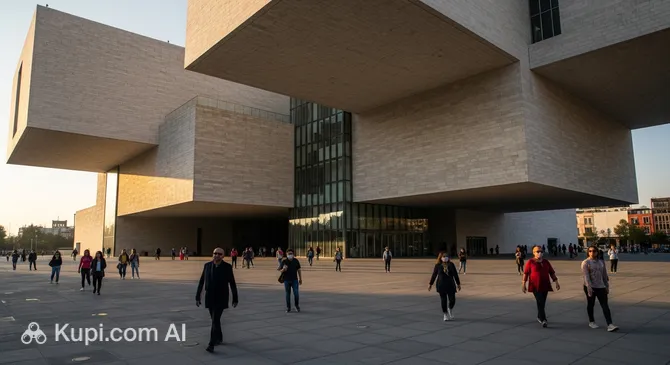
Museum of Memory and Tolerance. Source: Kupi.com AI

The exhibition is divided into two fundamental parts. The "Memory" section explores the tragic pages of world history in detail, including the Holocaust and other 20th-century genocides, as a reminder of the consequences of hatred. The "Tolerance" section focuses on positive values: human rights, the power of dialogue, and the benefits of cultural diversity in the modern world.

The museum is recognized as one of the best in the country due to its modern multimedia solutions and its deep emotional impact on visitors. It is not just an exhibition of artifacts, but an interactive journey toward understanding each individual's personal responsibility for peace in society.

Contacts

To clarify details before your visit or to book group tours, you can use the official communication channels. Museum staff are available to answer questions regarding current exhibitions and special educational programs.

Address Av. Juarez 8, Colonia Centro, Centro, Cuauhtémoc, 06010 Ciudad de México, CDMX, Mexico
Phone +52 55 5130 5555
Official Website http://www.myt.org.mx/

What to Do

A walk through the museum halls begins with the "Memory" section, where history comes to life through authentic artifacts, documents, and video testimonies. One of the most powerful exhibits is an original freight wagon from Poland, which was once used to transport people to death camps. Visitors can step inside, creating an incredible sense of connection and allowing for a more profound feeling of the tragedies of the past.

In the "Tolerance" section, you will interact with modern multimedia installations. Here, you can learn about the media's influence on public opinion, discuss human rights issues, and see how diversity enriches our lives. Interactive zones stimulate empathy and critical thinking, turning passive observation into an active educational process.

In addition to the permanent exhibitions, the museum frequently hosts temporary exhibits addressing contemporary social challenges. You can also attend thematic seminars or conferences, and there are special programs for younger guests that explain the importance of mutual respect and non-violence in an accessible way.

Getting There

Its location in the very heart of the historic center makes getting to the museum simple and convenient. The building is located at Plaza Juárez, in close proximity to iconic landmarks such as Alameda Central Park and the Palace of Fine Arts. If you are already exploring the central districts, the entrance is just a few minutes' walk away.

For those who prefer public transport, the most convenient option is the Metro (Line 2). You should get off at the Zócalo or Bellas Artes stations. Numerous buses and tourist trams running through the city center also stop nearby.

If you value comfort, you can use taxis or ride-sharing apps like Uber and Didi. Keep in mind that parking in the historic center is very limited, so a private car may not be the most practical choice for this trip.

History & Facts

Behind the creation of this unique space in Mexico lies an inspiring personal story. The idea for the museum was born when Sharon Zaga visited the Auschwitz memorial at the age of 16. Upon returning home, she was determined to create a place that would preserve historical memory and teach compassion to new generations.

Together with her partner Mily Cohen, she spent over 12 years bringing the project to life. They had to overcome many challenges, from raising private donations to finding a suitable plot of land in the heart of the capital. Finally, in October 2010, the museum officially opened its doors, becoming a vital non-profit organization supported by patrons.

The architectural design of the building, created by Arditti + RDT Architects, is a statement in itself. Its forms and materials symbolize the weight of human tragedies and, simultaneously, a striving for light and peaceful coexistence. Over the years, the museum has welcomed more than 5.8 million people, becoming one of the most visited and respected cultural venues in the country.

Time Needed

To fully immerse yourself in the complex themes of the exhibits and explore all the interactive installations, it is recommended to set aside 3–4 hours for your visit. This museum is not a place to rush, as each hall requires emotional reflection and a careful study of the documents presented.

If you also plan to view the temporary exhibitions or participate in one of the educational conferences, it is worth planning a half-day visit. This will allow you to journey from the memory sections to the zones dedicated to modern tolerance without any haste.

Working Hours

To ensure your visit goes smoothly, it is wise to check the institution's operating schedule in advance. The museum is open to the public from Tuesday to Friday, 9:00 AM to 6:00 PM, and on Saturday and Sunday from 10:00 AM to 7:00 PM. Please remember that the museum is closed to visitors on Mondays.

Since the schedule may change on holidays or during special events, it is a useful step to check the official website or confirm the information by phone before your trip.

Nearby

Exploring the central part of Mexico City is a wonderful opportunity to see the city in all its diversity. After visiting the museum, you can head to famous architectural monuments or spend time at one of the city's entertainment centers. The variety of options allows every tourist to create an itinerary to their liking.

Attraction Distance (km)
Aztlán Feria de Chapultepec 5.8
Pantitlán Olympic Resort 8.3
Granja Las Américas 8.6
Iztapasauria 14.2
¡Kataplum! 15.2
KidZania Cuicuilco 15.7
KidZania 16
Six Flags México 16.9
Xtreme Park Coacalco 22.2
Rancho Mágico 27.1

Reached the end of the page?

That means the route is fully explored