Support

Nuevo Casas Grandes

About

Nuevo Casas Grandes is a colorful city located in the northwestern part of the state of Chihuahua. For many travelers visiting Mexico, this town serves as a gateway to the world of ancient civilizations and unique cultural traditions. With a population of over 55,000, the city combines small-town charm with a sufficiently developed infrastructure necessary for a comfortable stay.
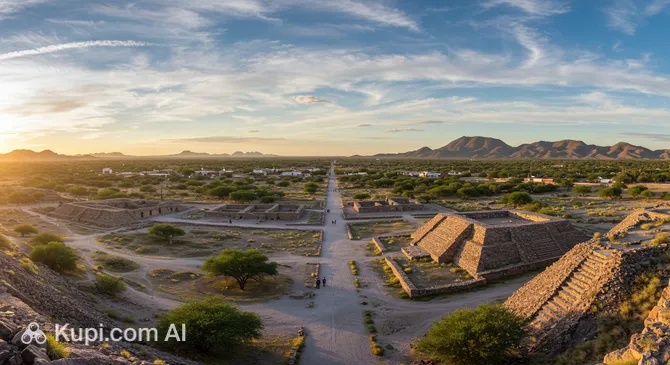
Nuevo Casas Grandes. Illustration.
Source: Kupi.com AI

The city lies in a picturesque valley surrounded by the foothills of the Sierra Madre, where the semi-desert climate brings hot days and cool evenings. Although the modern settlement developed thanks to the railroad and trade, the rich history of Nuevo Casas Grandes is inextricably linked to the heritage of pre-Columbian eras. Here, you can feel the connection of times, observing how modern rhythms of life coexist with centuries-old traditions.

The key attraction that brings guests from all over the world is the Paquimé (Casas Grandes) archaeological zone, located right nearby. This UNESCO World Heritage site impresses with its complex architecture of adobe structures. Additionally, the region is famous for its unique Mata Ortiz-style ceramics: local artisans create true masterpieces of pottery that make excellent souvenirs.

A visit to Nuevo Casas Grandes is an opportunity to immerse yourself in the authentic atmosphere of northern Mexico. The hospitality of the locals, delicious regional cuisine, and proximity to the mysteries of antiquity make this city a wonderful stop on any traveler's itinerary.
Weather Overview

The climate in this region features distinct seasonality, which should be considered when planning your trip. Expect hot summers with occasional rainfall and cool, dry winters. The hottest month is typically June, when daytime temperatures average 34.0°C.

From July to September, the chance of precipitation increases (peaking in July with 12 rainy days), which slightly tempers the summer heat. The winter period, by contrast, is characterized by dryness and significant temperature fluctuations: in January, the thermometer can drop to 0.6°C at night, though it warms up to a comfortable 16.2°C during the day.

For those wanting to pick the perfect time for a visit and see an accurate forecast, we recommend checking the detailed weather in Nuevo Casas Grandes by month. Spring (especially April and May) and early autumn often provide tourists with the most pleasant conditions for strolling through local attractions.

Average monthly temperature

Average monthly precipitation

Interesting Facts

In addition to its main attractions, Nuevo Casas Grandes holds many fascinating secrets that reveal themselves only to the most curious travelers. This city is an amazing intertwining of eras, where the heritage of ancient civilizations meets the traditions of 19th-century settlers.
  • A name born from the railroad. The prefix "Nuevo" (New) did not appear by chance. When the Rio Grande – Sierra Madre railroad was being built in this region, the station was constructed a few kilometers from the old settlement of Casas Grandes. A new commercial center quickly grew around the station, which became the modern city, taking the baton of development from its historic neighbor.

  • A center for breeding tropical birds. Surprisingly, in this semi-desert area, scarlet macaws—birds that live in tropical jungles—were mass-bred in ancient times. Archaeologists discovered special aviary structures here. This proves that local residents maintained large-scale trade links with regions thousands of kilometers to the south hundreds of years ago.

  • The rebirth of a lost art. The region is known for the unique phenomenon of "Mata Ortiz pottery." A local resident, Juan Quezada, independently and without textbooks or teachers, rediscovered the forgotten technology of the ancient Paquimé people by studying potsherds found in the area. Today, this style of pottery is recognized worldwide, and the works of local masters are exhibited in top galleries.

  • Multicultural heritage. The city's surroundings are characterized by extraordinary cultural diversity. Here you will find historic colonies founded by Mormon settlers in the late 19th century (e.g., Colonia Dublán). Their well-kept orchards, which grow the region's best peaches and apples, and their distinctive architecture create a striking contrast with traditional Mexican landscapes.

How to Get There

When planning a trip through northern Mexico, it is important to think through the logistics in advance, as the city is located far from the capital and major tourist centers. You can find out more details on how to get to Nuevo Casas Grandes, but the primary way to reach the region is by flying to the nearest large cities followed by a transfer to ground transportation.

There is no airport in the city itself that accepts regular passenger flights. One of the most convenient options for arrival is Abraham González International Airport (CJS) in Ciudad Juárez. It is located about 196 km from the destination and is a major transport hub with active passenger traffic. The journey from here by bus or taxi will take several hours.

An alternative route lies through the state capital. You can fly into General Roberto Fierro Villalobos International Airport (CUU) in Chihuahua City, which is 267 km from Nuevo Casas Grandes. The highway journey from here will be longer compared to the trip from Ciudad Juárez. It is also worth mentioning El Paso International Airport (ELP) in the USA (213 km); however, this option requires crossing an international border, which may take additional time.

For clarity, here is a summary of the main airports within accessible range:

AirportPassenger trafficDistance
Abraham Gonzalez International Airport2.3 mln196 km
El Paso International Airport4.0 mln213 km
Grant County Airport18 000248 km
Gen Fierro Villalobos Airport1.9 mln268 km

Since direct rail service for tourists in this direction is poorly developed, intercity buses or rental cars become the primary means of travel after arriving at the airport. The bus network in the state of Chihuahua is quite extensive and comfortable, connecting Nuevo Casas Grandes with the region's key cities.

Main Attractions

Nuevo Casas Grandes and its surroundings offer travelers a unique combination of ancient history, natural beauty, and distinctive culture. The main point of attraction is undoubtedly the Paquimé archaeological zone, located in the neighboring settlement of Casas Grandes. This UNESCO World Heritage site is a labyrinth of adobe walls and ceremonial structures left by a sophisticated pre-Hispanic civilization. Here, you can see a complex water supply system and the famous T-shaped doorways.

For adventure and history buffs, it is worth heading into the Sierra Madre mountains to see Cueva de la Olla (Cave of the Jar). This impressive archaeological site features an ancient, massive jar-shaped granary hidden inside a shallow cave. The path here is scenic and allows you to enjoy the rugged beauty of northern Mexican nature.

Another important cultural stop is the village of Mata Ortiz. It is world-renowned for its potters who have revived ancient indigenous ceramic painting techniques. Visiting local workshops allows you not only to see the process of creating the finest vases but also to purchase unique souvenirs directly from the creators.

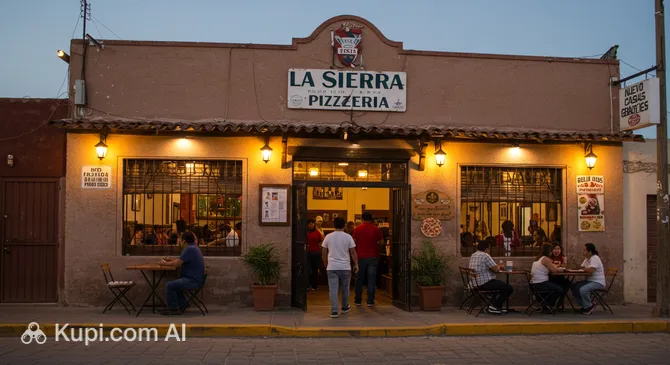
La Sierra Pizzeria. Illustration.
Source: Kupi.com AI

Traveler photos:

After busy excursions to ruins and natural parks, tourists will want to relax in a cozy setting. Pizzeria La Sierra is popular among locals and guests alike. It is a great place to recharge, enjoy delicious food, and discuss your impressions of the mysterious state of Chihuahua.

Also of interest are the historic Mormon colonies, such as Colonia Juárez and Colonia Dublán. They differ from typical Mexican settlements with their American-style architecture, manicured gardens, and fruit orchards, creating a striking cultural contrast in the heart of the region.

Local Cuisine

The gastronomic scene of Nuevo Casas Grandes is a vibrant reflection of northern Mexico's traditions, where the harsh climate and ranching culture have shaped a hearty and incredibly delicious cuisine. The foundation of the local diet is high-quality beef. Travelers should definitely try carne асада (grilled meat), which here is considered not just food but an important social ritual that brings families and friends together on weekends.

Flour tortillas (tortillas de harina) hold a special place in the region's culinary arts; here they are made thin and large, unlike the corn tortillas of the south. These are used to make real northern burritos—simple yet flavorful, often filled with stewed meat with red chili (chile colorado) or beans. You cannot leave the city without trying the famous Chihuahua cheese (or Mennonite cheese) produced in neighboring colonies. This soft, perfectly melting cheese is added to quesadillas and the traditional "chile con queso" (peppers with cheese) dish.

Among drinks, sotol is the king of the region. This strong alcoholic spirit, similar to tequila, is produced from the wild desert plant Dasylirion. It has a unique smoky, herbal flavor and a protected designation of origin, making it the pride of the state. Those who prefer non-alcoholic options should refresh themselves with traditional "aguas frescas" (fruit waters) or try local apple juices, as the region is famous for its fruit orchards.

The food culture in the city is democratic and diverse. Locals often start the day in small diners serving gorditas—thick tortillas with various fillings, ranging from omelets with machaca (dried meat) to pork stew. In the evening, life buzzes in asadero restaurants serving steaks and at street stalls offering elotes (corn with mayo, cheese, and chili) and tacos. It is the perfect opportunity to immerse yourself in the authentic atmosphere and experience the real taste of borderland Mexico.

Travel Tips

A trip to Nuevo Casas Grandes promises to be rewarding and memorable, but like any journey through northern Mexico, it requires some preparation. To ensure your visit is as comfortable as possible and free of unpleasant surprises, we have gathered several important recommendations to help you feel confident in this colorful region.

  1. Clothing and equipment. The climate here is semi-desert, so your suitcase contents will depend heavily on the season. In summer (June to August), you need light, breathable clothing made of natural fabrics, a hat, and sunglasses—the sun is very strong here. In winter, temperatures can drop to freezing, so be sure to bring a warm jacket and sweater. For visiting the Paquimé archaeological zone and cave dwellings, choose closed, comfortable shoes with flat soles suitable for walking on uneven terrain.
  2. Transport logistics. Local buses and taxis run within the city, but they are not always convenient for fully exploring the region. Major attractions, such as the potters' village of Mata Ortiz or Cueva de la Olla, are located outside the city. Renting a car is the best solution, providing freedom of movement. If you don't drive, arrange round-trip taxi rides in advance or look for local guides with transfers.
  3. Financial matters. The local currency is the Mexican peso (MXN). While large supermarkets, hotels, and some restaurants in Nuevo Casas Grandes accept bank cards, cash is absolutely necessary here. This is especially true for buying souvenirs from artisans in Mata Ortiz or paying at small taquerias. ATMs are available in the city center and shopping zones. It is customary to leave a tip of 10–15% of the bill if you enjoyed the service.
  4. Health and safety. Nuevo Casas Grandes is a calm city, but basic precautions should be followed. Avoid driving on rural highways after dark. Drink only bottled water to avoid digestive issues. Pharmacies (Farmacias) are widespread, and many basic medications are available without a prescription, but it's better to bring specific medications with you.
  5. Language and connectivity. The main language of communication is Spanish. In tourist spots and hotels, staff may speak English, but not everyone in shops or on the street knows it. Download an offline translator and learn a few basic phrases—this will greatly simplify communication. A local SIM card (e.g., Telcel) can be bought at OXXO stores; coverage in the city is good, but signal may drop in the mountains and remote areas.
  6. Local etiquette. People from the north of the country (norteños) are known for their hospitality and directness. When entering a shop or restaurant, it's customary to greet everyone present (using phrases like "Buenos días" or "Buenas tardes"). If you are invited over or offered a treat, refusing might be seen as disrespectful. Politeness and a smile are highly valued in communication.
  7. Things to avoid. Do not try to bargain aggressively when buying Mata Ortiz pottery. Remember that each pot is a handmade work of art that takes weeks to create, not a mass-produced souvenir. Also, avoid taking photos of locals, especially in traditional communities, without their explicit permission.
  8. Gastronomic advice. While in the region, be sure to buy local Mennonite cheese (Queso Menonita). It is produced in nearby colonies and is famous throughout the country for its quality. It is not only a tasty picnic item but also an excellent edible souvenir that travels well.

By following these simple tips, you can avoid everyday difficulties and fully focus on the amazing history and nature of the state of Chihuahua. Nuevo Casas Grandes is a place that reveals itself to those who show it respect and genuine interest. We wish you a safe and inspiring journey!

Entertainment & Nightlife

Nightlife in Nuevo Casas Grandes is not about noisy metropolitan raves but rather an immersion into the authentic atmosphere of northern Mexico. The "norteño" culture prevails here: venues often feature live music in the banda or mariachi style, and locals gather in large groups to talk business, watch sports broadcasts, and enjoy socializing. Most activity is concentrated in the city center and along major transport arteries, particularly on Benito Juárez Avenue (Avenida Benito Juárez).

The evening should start with dinner at one of the popular local spots. A great option for a kickoff is Pizzeria La Sierra. This place is loved by tourists and residents alike for its cozy atmosphere and the opportunity to have a hearty meal before a long night. Here you can not only dine but also spend time chatting in the relaxed setting characteristic of this region.

After dinner, the epicenter of entertainment shifts to bars and pubs. Cervecería 19 (a well-known chain in the state of Chihuahua) is popular in the city, offering a wide selection of drinks and snacks at very affordable prices. Young people also often choose places like Habaneros Wings or other sports bars serving wings, where the bar atmosphere is combined with excellent food. In such places, the dress code is usually casual, but you will often meet locals in cowboy hats and boots—it is part of the regional style, not a costume.

If you are looking to try local drinks, look for establishments offering sotol. This traditional spirit of northern Mexico is valued here more than tequila. In most bars, you will be offered it neat or as part of cocktails. Prices in the city are very moderate: the average bill for an evening with drinks will be significantly lower than in tourist hubs like Cancun or Mexico City.

As for daytime entertainment, the city offers a relaxed pace. You can visit local cinemas (usually chains like Cinépolis) or stroll through Plaza Grande, where small fairs and performances by local artists often take place on weekends. Culture lovers should stop by the House of Culture (Casa de la Cultura), which periodically hosts exhibitions of regional artists.

Safety and Transport Tips:

  • It is better to get around by taxi at night. Radio taxis and local call services operate in the city. It is not recommended to hail a car on dark streets; instead, ask the bar or restaurant staff to call a trusted vehicle for you.
  • Central areas and zones around Benito Juárez Avenue are considered safe for evening walks, but you should not venture into the outskirts on foot after sunset.
  • Most establishments close around 1:00 or 2:00 AM, so plan your evening in advance.

Parks & Museums

Despite the semi-desert landscape of Chihuahua state, Nuevo Casas Grandes and its surroundings offer tourists picturesque green zones and a rich cultural program. The city carefully preserves its heritage, offering guests a chance to immerse themselves in the region's history through unique museum exhibits and to relax in natural oases.

Among the natural attractions, Laguna Fierro holds a special place. This vast artificial reservoir is a favorite holiday spot for locals and tourists. Here you can have a picnic on the shore, go fishing, or enjoy water sports. The lagoon is especially beautiful at sunset, when the sun paints the water and desert hills in fiery tones, creating perfect conditions for photography.

In the heart of the city lies Plaza Benito Juárez, also known as "Plaza Grande." This is a classic Mexican plaza with well-kept paths, shade-providing trees, and a traditional kiosk (gazebo) in the center. In the evenings, life is in full swing here: families go for walks, and street vendors offer local sweets and snacks.

The region's main cultural treasure is the Museum of Northern Cultures (Museo de las Culturas del Norte), located on the grounds of the Paquimé archaeological zone. This world-class institution features unique architecture; the building is partially buried underground so as not to disturb the historic landscape. Its halls display thousands of artifacts telling the story of the life, trade, and art of the ancient civilizations of the Gran Chichimeca.

For those interested in more recent history, the Cultural Center, located in the old railway station building, is of interest. The railroad played a key role in the city's founding, and this historic building now serves as a venue for exhibitions by local artists, photography displays, and cultural events reflecting the spirit of the northern frontier era.

Wildlife enthusiasts should note the proximity of the Janos Biosphere Reserve. Although it is some distance from the city, it is one of the few places in Mexico where you can see herds of wild bison in their natural habitat, making a trip there an unforgettable adventure.

Insider tip: If you find yourself in the city over the weekend, be sure to catch a local baseball game. Baseball is incredibly popular in this region, and attending a game at the city stadium will allow you not only to see a sporting spectacle but also to feel the true excitement and unity of the local residents.

Getting Around

The transport system of Nuevo Casas Grandes reflects the size and pace of life of this small city of about 55,000 people. You won't find a metro, trams, or high-speed trains here. Public transport is simple and functional, primarily catering to locals, but tourists will find it easy to navigate as well.

The main form of public transport is city buses, often called "rutas" (routes) or "camiones" (buses) by locals. These are usually mid-sized buses or minibuses. They ply the main streets, connecting the city center, residential neighborhoods (colonias), and shopping areas. There is no precise minute-by-minute schedule; buses run at intervals ranging from 15 to 30 minutes depending on the route and time of day.

The fare payment system is very traditional. Contactless cards, mobile apps, or travel passes do not work here. Payment is made exclusively in cash (in local currency) directly to the driver upon boarding. The fare is fixed and very affordable. Tourists are strongly advised to carry small bills and coins, as the driver may not have change for large banknotes.

The most popular and convenient alternative to buses for travelers is the taxi. The city has a system of "Sitios"—official taxi stands located near plazas, large stores, and bus stations. You can take a car from a stand or call one by phone. An important detail: taximeters are rarely used. You should agree on the price of the trip with the driver in advance, before getting into the car. Ask "¿Cuánto cuesta?" (How much does it cost?) while naming your destination to avoid misunderstandings.

As for modern services like Uber or Didi, their presence in small towns in the region can be unstable. Apps might work, but the number of available cars is often limited, especially at night or in remote areas. Therefore, you shouldn't rely solely on aggregators; always have a local radio-taxi number or cash for a regular taxi ready.

For those planning to visit nearby attractions like the Paquimé ruins or the village of Mata Ortiz, the best solution is to rent a car. Traffic in the city is calm, navigation is simple, and having your own car provides freedom of movement independent of bus schedules. Rental agencies are generally local, so it's better to book a car in advance.

The central part of Nuevo Casas Grandes is quite compact, and many distances are easily covered on foot. A walk along Benito Juárez Avenue or around the main plaza will help you better feel the city's atmosphere. Bike rentals as an organized urban transport system are not developed here, so bicycles can only be found at private rental points if they happen to be open during the season.

Accommodation

Accommodation in Nuevo Casas Grandes focuses primarily on functionality and hospitality rather than pompous luxury. You won't find huge all-inclusive chain resorts here. The hotel stock mainly consists of mid-range hotels, small family posadas, and motels convenient for road travelers. This makes the city accessible and comfortable for tourists with various budgets looking for a base to explore the region.

The most convenient area to stay is the city center and the vicinity of the main transport artery, Benito Juárez Avenue (Avenida Benito Juárez). Staying here puts you within walking distance of restaurants, shops, and banks. Hotels located on the exit toward the historic settlement of Casas Grandes are also popular: this is a strategically advantageous location for those whose primary goal is visiting the Paquimé archaeological zone.

Although the tourist flow here is moderate compared to seaside resorts, we strongly recommend booking your accommodation in advance. This is especially relevant if your trip falls during Easter week (Semana Santa) or during regional fairs and festivals. During these periods, demand increases sharply due to domestic tourism, and the best rooms fill up quickly.

The price range in the city can be described as budget and mid-range. The cost of living here is significantly lower than in Mexico's popular tourist centers. Most large hotels are available for booking through standard international online aggregators, though some small, authentic posadas may require direct booking by phone or through their social media pages.

Nearby Cities

For those wanting to explore the surroundings, Nuevo Casas Grandes serves as an excellent starting point for day trips to several interesting nearby locations:

First and foremost, it is worth visiting the historic town of Casas Grandes, located just a few kilometers away. This settlement, which holds the honorary title of "Pueblo Mágico" (Magic Village), is the historic predecessor of the modern city. Here you can stroll through the ancient central plaza and visit the 17th-century San Antonio de Padua Mission, feeling the contrast between colonial tranquility and the rhythm of commercial Nuevo Casas Grandes.

The state capital, Chihuahua, is perfect for a longer trip. The journey takes about three hours, but the city rewards travelers with magnificent Baroque architecture, the famous Pancho Villa Museum, and the majestic Cathedral. It is an ideal destination for those who want to dive deeper into the history of the Mexican Revolution and enjoy urban culture.

Another important destination is Ciudad Juárez, located on the US border. This is a major industrial and cultural center with a rich history, where you can visit interesting museums and parks and enjoy the unique gastronomy of the border region.

CityPopulationDistance
Ascension13 45676 km
Ahumada8 575136 km
Madera15 447137 km
Nacozari de Garcia14 369170 km
Agua Prieta91 029186 km

These nearby destinations provide insight into the diverse culture and landscapes of the region.

Shopping & Souvenirs

Shopping:

Shopping in Nuevo Casas Grandes is an opportunity to get acquainted with the commercial life of a true Mexican province. The city serves as the main commercial center for the entire northwestern region of Chihuahua state, so residents of surrounding settlements and farmers come here to shop. You won't find huge galleries with luxury global brands here, but you can purchase high-quality authentic goods that are hard to find in other parts of the country.

The heart of trade is the city center (Zona Centro), especially the streets adjacent to the main transport artery, Benito Juárez Avenue (Avenida Benito Juárez). Strolling here, tourists will find many clothing stores, shoe salons, and home goods shops. This is a lively area where modern storefronts coexist with traditional Mexican shops, creating a colorful atmosphere.

The city doesn't have the giant shopping and entertainment complexes common in megacities, but there are several convenient shopping zones. Most activity is often concentrated around large supermarket chains like Soriana or Alsuper. These locations usually house small shopping passages with boutiques, electronics stores, and cafes where you can buy everything needed for your journey.

To immerse yourself in local life, it's worth checking out the city markets or visiting temporary street bazaars called "tianguis". They usually operate on weekends in certain areas of the city. Here they sell the freshest seasonal fruits, vegetables, and spices, as well as inexpensive clothing and household smalls. This is a great place to practice your Spanish and see the non-tourist side of city life.

The selection of souvenirs in Nuevo Casas Grandes deserves special attention. The pride of the region is Mata Ortiz pottery. These elegant, hand-painted vessels are recognized worldwide as works of art. Buying them here is much more profitable than in galleries in the US or Europe. You should also definitely purchase real Mennonite cheese (Queso Menonita), produced in neighboring colonies, and a bottle of sotol—the traditional alcoholic drink of northern Mexico. Western aesthetic fans will enjoy the local shops selling high-quality cowboy boots and hats.

Shops are typically open from 10:00 AM to 8:00 PM; some close for lunch, though large chains operate without breaks. Supermarkets and large stores accept bank cards without issues, but for purchases at the market, in souvenir shops, or small family-run stores, it is highly recommended to have cash pesos on hand.

Regarding the Tax Free system (VAT refund for foreigners), it exists in Mexico and is called Moneyback. However, it mainly works in large tourist centers and airports. In smaller cities like Nuevo Casas Grandes, finding stores that issue tax-free forms can be problematic, so it's best not to rely on this option when planning your budget.

Reached the end of the page?

That means the route is fully explored