Support

Tijuana Cultural Center

About

The Tijuana Cultural Center, known as CECUT (Centro Cultural Tijuana), is one of the main and most recognizable landmarks of Tijuana and all of Mexico. This large cultural and educational complex opened on October 20, 1982, and has since become the heart of the region's cultural life, attracting more than a million visitors annually.

The center's building stands out for its modern and original architectural style, which is unmistakable. Its futuristic shapes, especially the spherical IMAX cinema popularly known as "La Bola" (The Ball), have become a true symbol of the city and a popular spot for photos.
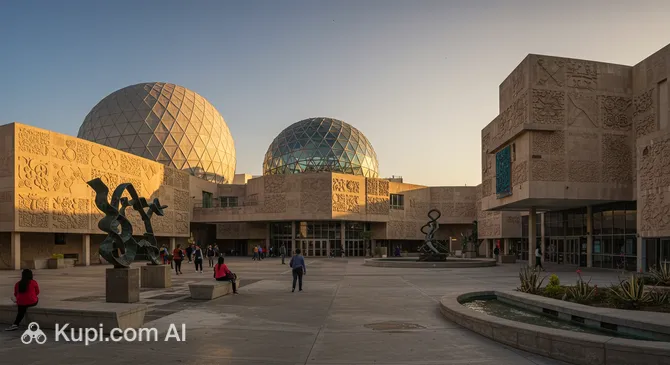
Tijuana Cultural Center. Illustration.
Source: Kupi.com AI

Traveler photos:

Life is buzzing inside CECUT, with various art exhibitions, theatrical performances, concerts, and film screenings taking place. The complex also serves an important educational function, offering programs for children and adults, making it interesting for visitors of all ages. Additionally, the grounds host the Museum of the Californias, which tells the history of the region, and a picturesque botanical garden.

Visiting the Tijuana Cultural Center is a wonderful opportunity to immerse yourself in the region's art and culture, learn something new, and enjoy the unique atmosphere of this iconic site. It symbolizes the importance of creativity in city life and is rightfully considered its greatest pride.

Contacts

To get more information about upcoming events, ticket prices, and opening hours, you can contact the Tijuana Cultural Center administration. Current contact details, including a phone number and the official website, are listed below.

How to contactContact
AddressP.º de los Héroes 9350, Zona Urbana Rio Tijuana, 22010 Tijuana, B.C., Mexico
Phone number+52 664 687 9600
Websitewww.cecut.gob.mx

What to Do

A visit to the Tijuana Cultural Center promises a rich and varied leisure experience. Inside the complex, there are exhibition halls with regularly changing displays dedicated to both classical and contemporary art, as well as the region's history. Performing arts enthusiasts can visit the theater, which hosts plays, concerts, dance festivals, and vibrant performances showcasing rich folk traditions. Additionally, the center's video halls screen documentaries and feature films, broadening your cultural knowledge.

For travelers with children, the Cultural Center offers special interactive zones and educational programs that make the visit engaging for young guests. After immersing yourself in the world of art, you can relax in one of the cozy on-site cafes or stop by the bookstores. There, you'll find literature on Mexican culture, art albums, and unique souvenirs to remember your trip.

One of CECUT's unique features is its botanical garden, where you can escape the hustle and bustle of the city. Here, among rare tropical plants, large open-air sculptures are installed, turning a walk into a true aesthetic pleasure and harmoniously blending nature with art. This place is perfect for leisurely strolls and photo sessions.

Getting There

The Tijuana Cultural Center is conveniently located in the Zona Rio district, very close to the city center, making it easily accessible for tourists. A trip from downtown Tijuana by taxi, public transport, or car will take just a few minutes, allowing you to quickly reach one of the city's main symbols.

For travelers arriving from the USA via the San Ysidro border crossing, the journey to the cultural center is also straightforward. The trip by taxi or bus takes approximately 10–15 minutes. If you are traveling by private car, there is convenient parking available at CECUT where you can leave your vehicle during your visit.

Visiting the center is also easy for those who prefer to get around the city by public transport. There are city bus stops located near CECUT, making it easy to reach from various parts of Tijuana without needing a taxi or a rental car.

Nearest city: Tijuana

History & Facts

The history of the Tijuana Cultural Center (CECUT) began on October 20, 1982, when its grand opening took place. This event was a major breakthrough for the cultural life of not only Tijuana but the entire northwestern region of Mexico, as the center was one of the first major institutions of its kind. The incredible interest in the new space is confirmed by an impressive fact: more than a million people visited it in its first year alone, proving its immense popularity from the very start.

From the beginning, CECUT was envisioned not just as a venue for exhibitions and entertainment, but as an important platform for preserving and promoting the country's rich cultural heritage. It is home to major international festivals, innovative educational projects, and events dedicated to the history and traditions of the region's indigenous peoples. This makes the center a living organism that actively participates in cultural dialogue and introduces visitors to the diversity of Mexican art.

One of the notable facts about the Tijuana Cultural Center is its constant drive for development. It hasn't stood still in time but continues to evolve, actively introducing new formats and modern technologies to attract a wide audience. As a result, CECUT remains a relevant and dynamic space that is interesting to both locals and tourists seeking a deeper understanding of the soul of this border city.

Time Needed

To fully explore the Tijuana Cultural Center (CECUT), it is recommended to set aside 2 to 4 hours. This is enough time to leisurely browse the main exhibition halls, walk through the picturesque botanical garden, and appreciate the complex's unique architecture, including the famous spherical IMAX cinema. Such a visit will provide a comprehensive impression of the city's main cultural symbol.

If your time is limited, you can spend about 1–1.5 hours at the center, focusing on what interests you most—for example, visiting the Museum of the Californias or one of the temporary exhibitions. However, for a deeper immersion into the local cultural life, it is worth planning more time. Attending a theatrical performance, a concert, or participating in one of the many workshops can easily turn your visit into a fascinating half-day or even full-day adventure.

Working Hours

The Tijuana Cultural Center welcomes guests from Tuesday to Saturday, operating during convenient hours from 10:00 AM to 10:00 PM. It is important to note that, according to some reports, Sunday and Monday are days off. While the center is open year-round, it is recommended to check the official website before your visit for any schedule changes, especially on national holidays, as opening hours may vary.

For a standard tour of the exhibitions and a walk around the grounds, advance booking is usually not required. However, if you plan to attend a popular event, a theatrical performance, or a screening at the famous IMAX cinema, it is worth getting tickets in advance. This will help avoid queues and ensure you have a seat at the event you're interested in.

DayOpening hours
MondayClosed
Tuesday10:00 – 18:15
Wednesday10:00 – 18:15
Thursday10:00 – 18:15
Friday10:00 – 18:15
Saturday10:00 – 18:15
Sunday10:00 – 18:15

Nearby

A visit to the Tijuana Cultural Center is just the beginning of exploring the vibrant and dynamic Zona Rio district. To fully experience the city's atmosphere, it is worth taking a stroll through its surroundings. Just a few steps from the center, you'll find cozy restaurants, unusual museums, and lively streets that will help you better understand the character of this amazing place.

Exploring the nearby attractions will enrich your experience and give you a more complete picture of the cultural and daily life of Tijuana. A short walk will reveal hidden gems, whether it's a spot with authentic Mexican cuisine or a unique museum collection located right nearby.

NameDistance
Menealo Nightclub0.2 km
Lion Fish0.5 km
Tijuana Collector's Museum1.2 km
Caesar's Restaurant Bar1.3 km
Mexican Wrestling Museum1.3 km
Sticky Social Savage Club1.3 km
Tijuana Arch1.4 km

Have you reached the end of the page?

So the route has been studied inside and out