Support

Tlaquepaque

About

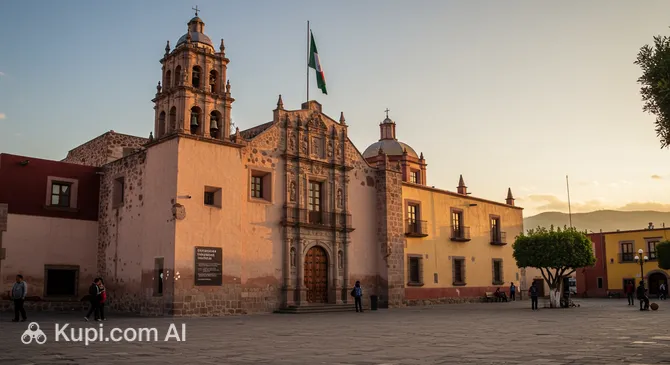
Tlaquepaque is a charming city that captivates you from the first moment with its authentic atmosphere. It is nestled within the Guadalajara metropolitan area, the country's second-largest metropolis, serving as a picturesque suburb in the heart of the state of Jalisco. With a population of about 664,000 people, Tlaquepaque presents itself as an energetic yet homey and warm city where everyone will find something to their liking.
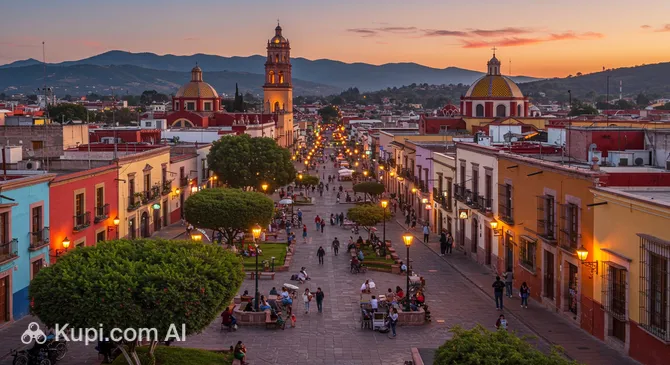
Tlaquepaque. Illustration.
Source: Kupi.com AI

The atmosphere of Tlaquepaque is permeated with joy, art, and music. This city is considered one of Mexico's main centers of handicraft art and is famous for its numerous workshops, art galleries, and vibrant street exhibitions. A walk through its streets turns into a real journey into the world of creativity.

Key features attracting tourists include unique handmade products: from painted ceramics and textiles to glass and leather goods. At every step here, you can encounter playful sculptures and colorful souvenirs. In the evenings, many restaurants resonate with the fiery songs of mariachi, creating an unforgettable mood. You should definitely visit El Parian — a famous complex with restaurants and bars under a massive roof where you can enjoy local cuisine and music, as well as the Regional Museum of Ceramics.

Tlaquepaque is worth visiting for its unique combination of Mexican authenticity, hospitality, and creative inspiration. It is a city where you can not only purchase the best works of folk craftsmen but also feel part of a large and vibrant Mexican culture. Come and immerse yourself in its unique flavor!

You can find more interesting facts on the Tlaquepaque city history page
Weather Overview

The climate in Tlaquepaque is warm year-round. The spring months, from March to May, are the hottest and driest, with maximum temperatures sometimes reaching 33°C. Summer, spanning from June to September, is characterized by the rainy season, while average temperatures remain a comfortable 22-25°C; July and August stand out as the wettest months with the most precipitation and up to 29 rainy days. Winter, from December to February, is mild and mostly dry here, with average temperatures around 17-19°C. Thus, tourists can expect a hot and dry spring, a warm and rainy summer, and a mild and dry winter. You can find more detailed information on weather conditions by month on the Tlaquepaque climate page.

Average monthly temperature

Average monthly precipitation

Interesting Facts

In addition to its colorful streets and welcoming atmosphere, Tlaquepaque holds many surprising stories and facts that make it truly unique. Ready to learn a few of them?

Regional Museum of Ceramics, Tlaquepaque. Illustration.
Source: Kupi.com AI

Traveler photos:

  • Tlaquepaque proudly bears the title of one of Mexico's "Magical Towns" (Pueblos Mágicos). This status is awarded to towns that have preserved their authenticity, rich cultural traditions, and a special atmosphere. The city is famous for its artisans who create incredible pieces of ceramics, leather, glass, and textiles right before the eyes of amazed tourists.

  • Tlaquepaque is home to "El Parian" – the largest cantina in all of Mexico! It's not just a bar, but a real open-air cultural center where you can enjoy traditional drinks, live mariachi music, and fiery dances. The atmosphere here is always festive and incredibly hospitable.

  • The streets of Tlaquepaque often turn into a real open-air museum. Festivals, exhibitions of sculptures, installations (like the famous painted pigs), and other art objects regularly take place here. To get a deeper look at ceramic art, visit the Regional Museum of Ceramics, which features both historical and contemporary masterpieces by local artisans.

  • Local legends and tales of Tlaquepaque are full of special humor and kindness. Residents happily share funny stories with guests about their traditions, crafts, and even the origin of the city's name, which, according to one version, means "place over clay land."

How to Get There

There are several ways to get to charming Tlaquepaque, known for its crafts and colonial architecture, but an air flight is the most convenient for most tourists, especially those coming from afar.

The main airport serving Tlaquepaque is Miguel Hidalgo y Costilla International Airport (IATA: GDL). It is located in the neighboring city of Guadalajara, just 9.3 km from the center of Tlaquepaque. This is a major international hub receiving flights from many countries around the world. A taxi or bus ride from the airport to your hotel in Tlaquepaque will take approximately 30-40 minutes, depending on traffic.

Although Tlaquepaque does not have its own airport, travelers can consider other options, though they are at a significant distance. These include Aguascalientes International Airport (IATA: AGU), located in the city of Aguascalientes, about 161.6 km from Tlaquepaque. The journey from there by car or bus will take about 4-4.5 hours. Another option is Colima Airport (IATA: CLQ) in the city of Colima, located at a distance of about 148.9 km. The path from this regional airport to Tlaquepaque will require about 4 hours.

For clarity, here is summary information on the main airports that can be used for travel to Tlaquepaque:

AirportPassenger trafficDistance
Don Miguel Hidalgo y Costilla International Airport17.7 mln9 km
Colima Airport201 243149 km
Aguascalientes International Airport961 800162 km
Tepic Airport244 531181 km
Licenciado y General Ignacio Lopez Rayon Airport173 005190 km

Besides air travel, Tlaquepaque can be reached by car, especially if you are traveling through Mexico or neighboring regions. The city has good road connections with Guadalajara and other major towns. It is also worth considering the bus service, which is well-developed in the country and offers comfortable trips between cities.

Main Attractions

Tlaquepaque, the jewel of the state of Jalisco, attracts travelers with its unique culture, skillful crafts, and unforgettable festive atmosphere. This city offers many interesting places to get acquainted with Mexican traditions and art. Here are just a few of the attractions you shouldn't miss:

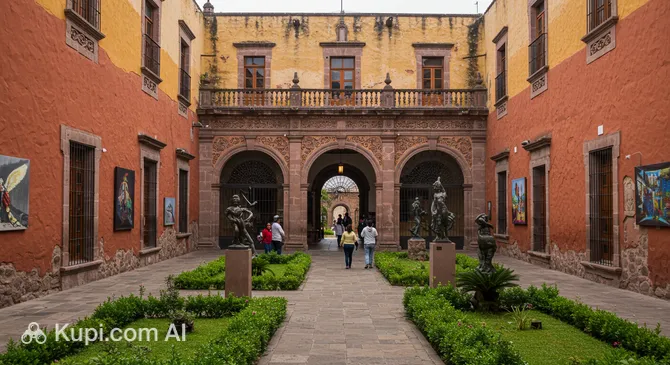
A mandatory stop for visitors is the Regional Museum of Ceramics, Tlaquepaque. It houses a rich collection of pieces demonstrating the history and development of ceramic art in the region, from traditional techniques to contemporary works. This is a wonderful opportunity to immerse yourself in the world of the craft that made Tlaquepaque famous worldwide.

Regional Museum of Ceramics, Tlaquepaque. Illustration.
Source: Kupi.com AI

Traveler photos:

Fans of contemporary art are strongly recommended to visit the Sergio Bustamante Gallery. It features unique sculptures and jewelry by this world-renowned Mexican artist, whose fantastic and surreal images fascinate and inspire. Every piece here is a whole story full of symbolism.

Sergio Bustamante Gallery. Illustration.
Source: Kupi.com AI

Traveler photos:

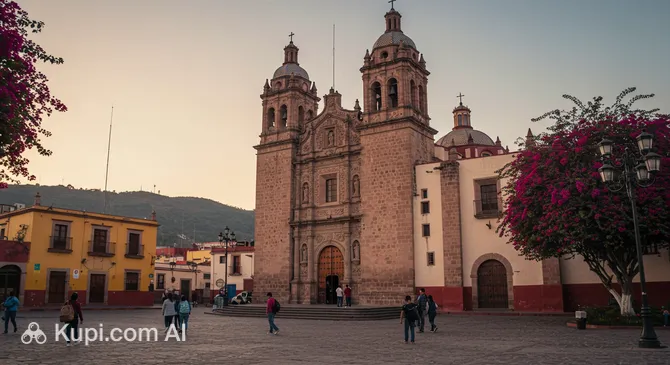
The spiritual heart of the city and its architectural landmark is the Parish of Saint Peter the Apostle. This beautiful colonial-era church impresses with its grandeur and interior decoration. It is not only an active temple but also an important historical monument reflecting the rich history of Tlaquepaque.

Saint Peter the Apostle Parish. Illustration.
Source: Kupi.com AI

Traveler photos:

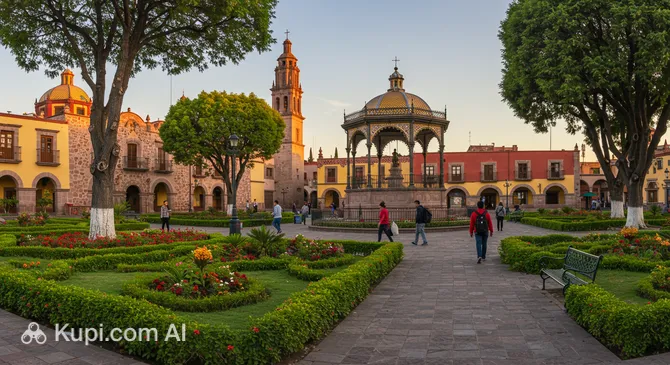
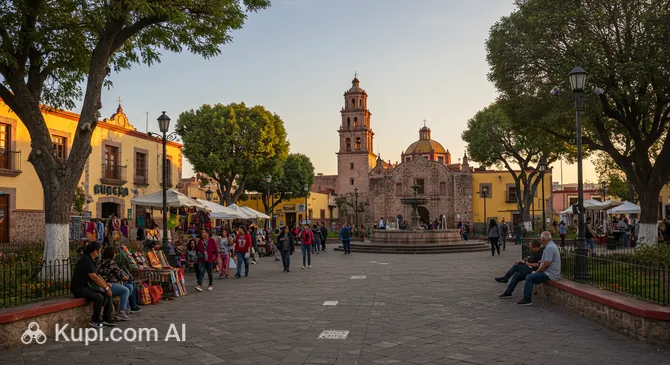
The center of social life and a favorite spot for relaxation for both locals and tourists is Jardín Hidalgo. This picturesque square with a fountain and cozy benches is surrounded by colorful buildings, numerous craft shops, cafes, and restaurants. It’s a pleasant place to stroll, enjoy the atmosphere, and watch the slow pace of local life.

Hidalgo Garden. Illustration.
Source: Kupi.com AI

Traveler photos:

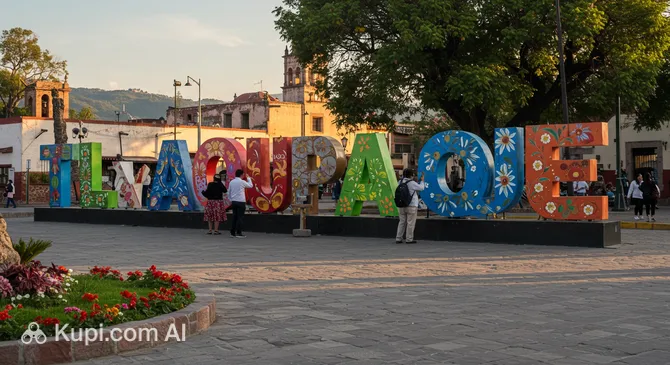
Don't forget to take a souvenir photo by the Giant Tlaquepaque Letters! This bright and colorful installation of the city's name has become one of its symbols and a popular spot for selfies. It's a great way to capture your journey to this amazing corner of Mexico.

Giant Tlaquepaque Letters. Illustration.
Source: Kupi.com AI

Traveler photos:

Local Cuisine

The gastronomy of Tlaquepaque is a true immersion into the heart of Jalisco's culinary traditions. A kaleidoscope of flavors awaits you here, from hearty main courses to refreshing drinks and aromatic street food. Be sure to try the region's classic dishes, such as tamales (steamed corn dough with filling wrapped in corn husks), enchiladas (filled corn tortillas covered in chili sauce), and chilaquiles (fried corn tortilla pieces topped with sauce). Don't miss the chance to taste signature meat stews with vegetables and aromatic soups, among which locals especially highlight mushroom soup with white sauce.

Street food in Tlaquepaque is a separate chapter of the gastronomic journey. In busy squares and markets, you will find the freshest tacos with various fillings, crispy tostadas, appetizing grilled corn (elotes) with spicy sauce and lime, and many local sweets. The city's farmers' markets offer an abundance of fresh produce, local cheeses, and spices. This is where you can experience the auténtico (authentic) taste of the region.

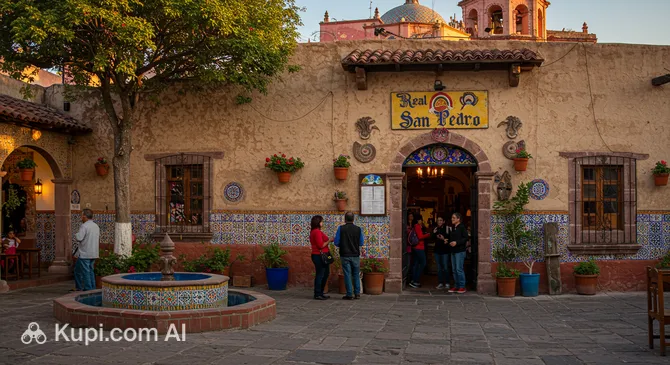
Real San Pedro. Illustration.
Source: Kupi.com AI

Traveler photos:

To quench your thirst, choose from a variety of local drinks. Popular are refreshing aguas frescas – natural waters made from fruits, flowers, or seeds. On a cool day, a cup of aromatic warm chocolate prepared according to traditional recipes will warm you up. And, of course, being in Jalisco, you must try the famous tequila – the pride of the region. Many establishments will offer you tastings of various types of this iconic drink.

The food culture in Tlaquepaque is very vibrant and welcoming. Locals and tourists love to gather in restaurants, whose interiors are often decorated with colorful ceramics and works by local craftsmen. One such place where you can enjoy traditional cuisine in an authentic atmosphere is Real San Pedro. In many restaurants, the meal is accompanied by live mariachi music, turning an ordinary lunch or dinner into a real celebration. Street food is just as popular and can be found at every turn, especially near the central square.

The gastronomic scene of Tlaquepaque attracts tourists with its authenticity and diversity. Among the dishes you must try are birria (aromatic meat stew, usually goat or lamb, in a spicy sauce) and torta ahogada (a sandwich "drowned" in spicy tomato sauce) – hallmarks of Jalisco cuisine. The city often hosts gastronomic festivals where you can not only taste the best dishes but also learn the secrets of their preparation. A visit to Tlaquepaque is an opportunity to dive into a world of bright tastes and unforgettable culinary experiences.

Travel Tips

Welcome to Tlaquepaque, a gem of Mexican art and culture! To make your trip to this colorful city as comfortable and memorable as possible, we have prepared a few practical tips.

  1. Clothing and Essentials:

    A warm climate prevails in Tlaquepaque. In summer (June-September), it can be hot and humid with possible rain, so bring light, breathable clothing made of natural fabrics. In winter (December-February), days are warm, but evenings can be cool – a light jacket or sweater will come in handy. Be sure to bring comfortable shoes, as many streets are paved with cobblestones. Don't forget sunscreen, a hat, and sunglasses. You will need an adapter for electrical appliances (in Mexico, Type A and B plugs are used, voltage is 127V). When visiting churches, such as the Parroquia de San Pedro Apóstol, it is advisable to cover your shoulders and knees.

  2. Transport:

    You can get around Tlaquepaque and travel to neighboring Guadalajara by public buses, although the system might seem a bit confusing for tourists. Taxis and ride-hailing apps like Uber or Didi are more convenient options and are widely available. When using a regular taxi, agree on the price in advance or ensure the meter is running. Renting a car might not be the best choice for getting around Tlaquepaque itself due to narrow streets and limited parking, but it can be useful for exploring the surrounding state of Jalisco.

  3. Finance:

    The local currency is the Mexican Peso (MXN). You can exchange currency at banks or authorized exchange offices (casas de cambio); the rate at the airport is usually less favorable. Credit and debit cards (Visa, Mastercard) are accepted in many hotels, restaurants, and large shops. However, it is always useful to have cash on hand for small purchases, markets, and tipping. ATMs (cajeros automáticos) are available; it is safer to use those located inside banks. Tipping culture (propina) is common: 10-15% in restaurants if service is not included, and it's also customary to tip porters and housekeepers.

  4. Health and Safety:

    Pharmacies (farmacias) are numerous in Tlaquepaque, with some open 24/7. In case of a need for serious medical care, there are good private clinics in Guadalajara. It is strongly recommended to take out travel insurance. Tlaquepaque is generally considered safe for tourists, especially its central areas like El Parian and the Independencia pedestrian street. However, take usual precautions: watch your belongings, don't display expensive jewelry, and be attentive in crowded places. After dark, avoid poorly lit and deserted streets outside tourist zones.

  5. Communication:

    The official language is Spanish. In tourist zones, staff often speak English, but knowing a few basic phrases in Spanish (e.g., "Hola" – hello, "Gracias" – thank you, "Por favor" – please, "¿Cuánto cuesta?" – how much does it cost?) will be very helpful and warmly received by locals. SIM cards can be purchased at local operator stores (Telcel, AT&T) or at OXXO stores. Wi-Fi is available in most hotels, cafes, and restaurants.

  6. Local Etiquette:

    Mexicans are very friendly and hospitable. It is customary to say hello ("Hola", "Buenos días/tardes/noches"). A handshake is a standard form of greeting. Show respect for local traditions and elders. In public places, despite the lively atmosphere, especially in El Parian, try not to be excessively loud. Patience and a smile will help in making connections.

  7. What to Avoid:

    Do not drink tap water – always buy bottled water. Also, try not to photograph people without their prior permission, especially if you decide to visit more remote or traditional areas outside Tlaquepaque. In the city itself, especially with artisans or street performers, it's better to ask politely.

  8. Special Tip for Tlaquepaque:

    Tlaquepaque is the heart of folk art and mariachi music in Mexico. Be sure to spend an evening in El Parian – a complex of restaurants and bars under one roof where you can enjoy live mariachi performances and try local cuisine and tequila. Don't hesitate to politely haggle in markets and craft shops; it's part of the local culture.

We hope these tips help you feel more confident and get the most out of discovering the unique charm of Tlaquepaque, its rich culture, art, and the hospitality of its residents!

Entertainment & Nightlife

As the sun sets, Tlaquepaque transforms, offering its guests various options for evening and night leisure. The city, known for its color and traditions, comes alive in the lamplight, inviting you to dive into an atmosphere of celebration and fun. The nightlife here combines authentic Mexican entertainment with modern leisure formats.

Main evening activity is concentrated around the historic center, especially on the Independencia pedestrian street and in the area of the famous El Parian — a complex of restaurants and bars under one roof where live mariachi music often plays. The atmosphere here is usually very lively and welcoming, gathering a mixed crowd of locals and tourists. Establishments range from traditional cantinas with long histories to stylish bars and lounges. The dress code in most places is quite casual to smart-casual, especially in trendier clubs. Many bars and restaurants are open until late at night, and some clubs stay open until morning.

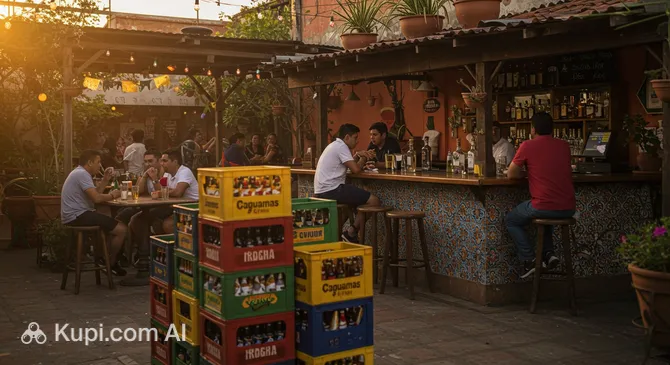
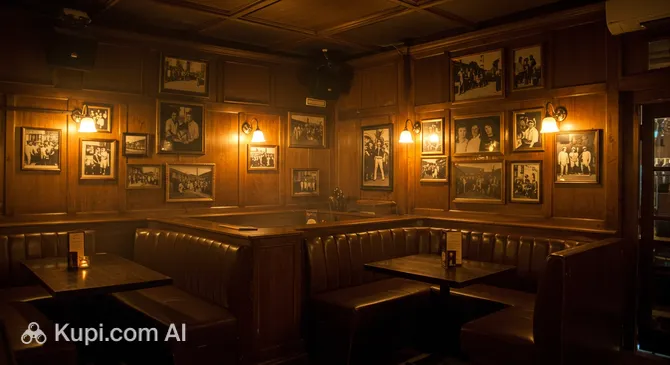
Among popular spots for evening pastimes, several establishments stand out. If you're looking for an authentic Mexican bar with a wide selection of drinks, look into 1000 Caguamas Tlaquepaque. For those who prefer a clubbier atmosphere with modern music and dancing, Riff Pub Tlaquepaque might be a good fit. Another interesting option is Dirty Jack Bar, known for its relaxed setting.

1000 Caguamas Tlaquepaque. Illustration.
Source: Kupi.com AI

Traveler photos:

When planning an evening out, it's best to head to popular areas after 9:00-10:00 PM, when venues begin to fill up. Average prices for drinks and food vary but generally remain affordable, especially compared to large tourist hubs. For night travel, it is recommended to use official taxis or popular ride-hailing apps. This is not only more convenient but also safer.

Riff Pub Tlaquepaque. Illustration.
Source: Kupi.com AI

Traveler photos:

Regarding safety, the central and tourist areas of Tlaquepaque are considered safe enough for evening walks, but common precautions should always be taken: stay on well-lit streets, watch your belongings, and avoid deserted places late at night. You can call a taxi from your hotel, a restaurant, or via an app.

During the day, Tlaquepaque offers plenty of cultural entertainment. You can visit the Regional Museum of Ceramics to learn about the city's main craft, or stop by the Sergio Bustamante Gallery to see unique sculptures. Take a stroll through the picturesque Jardín Hidalgo or relax in Liberation Park. The city is also famous for its numerous shops and workshops where you can buy handmade goods.

Thus, Tlaquepaque offers a rich program for both day and night leisure, allowing every tourist to find entertainment to their taste and fully enjoy the hospitality of Mexico.

Parks & Museums

Tlaquepaque, known for its handicraft traditions and colonial architecture, offers guests not only a rich cultural program but also pleasant green corners for relaxation. This city in the Mexican state of Jalisco harmoniously combines historical heritage with opportunities for peaceful walks in the fresh air.

Among the city's green zones, Jardín Hidalgo stands out. It is a central place for meetings and relaxation, surrounded by historical buildings. Here you can enjoy the shade of trees, sit on benches, and observe the daily life of the townspeople. Another popular spot is Liberation Park, offering space for walking and active recreation. It serves as a great place to take a break from the city bustle and enjoy nature.

Liberation Park. Illustration.
Source: Kupi.com AI

Traveler photos:

The cultural life of Tlaquepaque is rich and diverse. Be sure to visit the Regional Museum of Ceramics, which presents an impressive collection of traditional and modern Mexican ceramics. This place allows for a deep dive into one of the region's main crafts. No less interesting is the Sergio Bustamante Gallery, a famous Mexican artist and sculptor. His surreal and fantastic works exhibited here attract art lovers from all over the world.

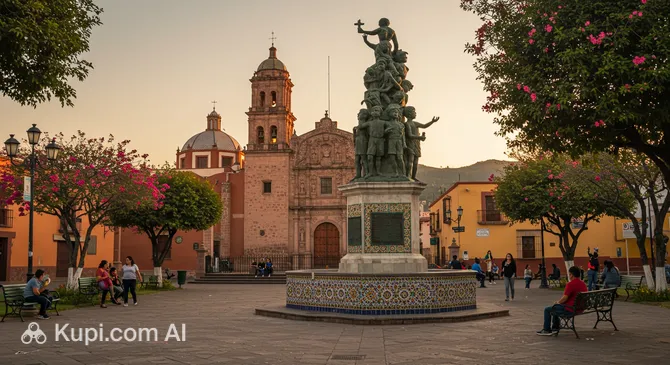
In addition to museums, Tlaquepaque has other significant attractions. The Parish of Saint Peter the Apostle is an important religious and architectural center of the city; its beautiful colonial architecture deserves attention. Nearby, you can find other interesting objects, such as the Monument to the Heroic Children, dedicated to important historical events. The Giant Tlaquepaque Letters, which have become a popular tourist object, are perfect for souvenir photos.

Monument to the Heroic Children. Illustration.
Source: Kupi.com AI

Traveler photos:

For authentic experiences, stroll through the less busy streets branching off from the central squares. That's where you can discover small craft workshops where local masters create unique products right before your eyes, and cozy family cafes offering traditional dishes.

Getting Around

Getting around Tlaquepaque and its surroundings is quite convenient thanks to a public transport system that is closely integrated with the transport network of neighboring Guadalajara. This allows tourists to easily explore not only Tlaquepaque itself but also other parts of the metropolitan area.

The main types of public transport in Tlaquepaque are buses (locals call them "camiones") and the light rail system (Tren Ligero). Buses run on numerous routes, connecting various parts of the city and suburbs. There is also a system of express buses, such as Mi Macro Periférico, which runs on a ring route around the metropolitan area and can be useful for longer trips. Line 3 (Línea 3) of the modern Tren Ligero passes directly through Tlaquepaque, offering a fast and comfortable way to reach downtown Guadalajara and other key points.

To pay for fare on the Tren Ligero and most bus routes, including Mi Macro, a single rechargeable transport card called "Mi Movilidad" is used. This card can be purchased and topped up at Tren Ligero stations, as well as in some convenience stores (e.g., OXXO). On some regular bus routes, cash payment to the driver is still possible, but it is recommended to have small change as drivers may not always have it. The cost of a single trip on the Tren Ligero and most buses is usually around 9.50 Mexican pesos.

The "Mi Movilidad" card must be tapped against the readers at the Tren Ligero station turnstiles or when entering the bus. Public transport usually starts working early in the morning (around 5:00-6:00 AM) and finishes late in the evening (around 10:00-11:00 PM), but exact schedules can vary depending on the route and day of the week. For route planning and real-time transport tracking, it's convenient to use mobile apps like Google Maps or Moovit.

In addition to public transport, taxis are widely available in Tlaquepaque. A more modern and often more cost-effective alternative is using ride-hailing apps such as Uber or DiDi, which are very popular. To explore the historic center of Tlaquepaque with its many craft shops, galleries, and restaurants, many tourists prefer to get around on foot, as the main attractions are compactly located. Guadalajara has a public bike-sharing system called MiBici Pública; it's worth checking current information on the availability of stations and this service directly in Tlaquepaque if you prefer this mode of travel.

Accommodation

In Tlaquepaque, travelers will find various accommodation options to suit different preferences and budgets. The city offers a wide choice: from charming boutique hotels reflecting its rich culture and handicraft traditions and cozy guest houses (posadas) to more standard hotels and apartments available for short-term rent. Many hospitality establishments here stand out with their unique design and local flavor.

The most popular area for tourists to stay is the historic center of Tlaquepaque. Staying here provides easy access to many attractions, such as the Regional Museum of Ceramics, craft shops, galleries (such as the Sergio Bustamante Gallery), and restaurants centered around the charming Jardín Hidalgo. Many hotels in this part of the city are located in beautifully restored colonial buildings, offering a unique atmosphere.

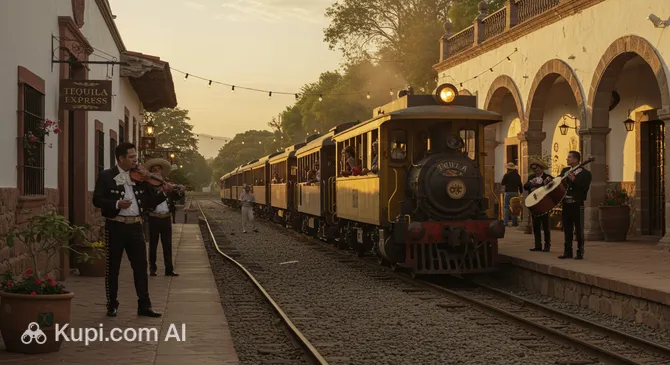
Tequila Express. Illustration.
Source: Kupi.com AI

Traveler photos:

It is recommended to book accommodation in advance, especially if your trip falls during the peak tourist season or during major festivals for which Tlaquepaque is famous. For searching and booking, it's convenient to use popular online platforms such as Booking.com, Expedia, or Airbnb. Direct booking through hotel websites is also an option, which sometimes allows you to get better offers or special conditions.

The price range for accommodation in Tlaquepaque varies. You can find both budget options and mid-range hotels with a good price-quality ratio. There are fewer luxury resorts in Tlaquepaque itself; the emphasis is on authenticity and comfort in a traditional Mexican style. Overall, the city offers options for budget travelers and those looking for more refined accommodation.

Nearby Cities

For those looking to explore the surroundings, Tlaquepaque serves as an excellent starting point for day trips to several interesting nearby locations:

CityPopulationDistance
Guadalajara5 525 0008 km
Tonala569 91310 km
Zapopan1 476 49111 km
Tlajomulco de Zúñiga727 75018 km
El Salto24 24119 km

These nearby destinations provide a glimpse into the diverse culture and landscapes of the Mexico region. Each trip promises new discoveries, whether it's getting to know the lively atmosphere of large cities or the charm of small settlements.

Shopping & Souvenirs

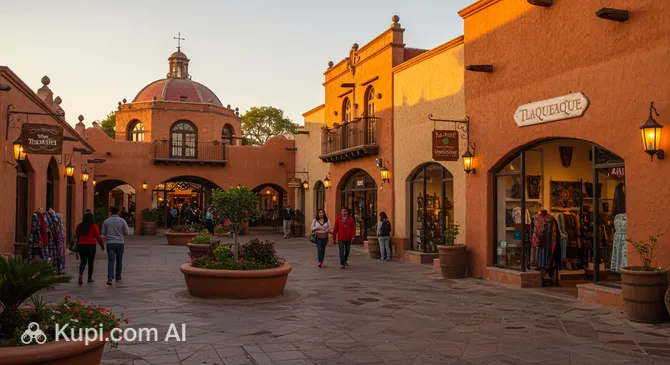
Tlaquepaque is a true paradise for lovers of Mexican art and crafts, offering unique shopping opportunities. The city is famous for its ceramics, blown glass, leather goods, and high-quality art pieces. Here you will find many galleries, workshops, and shops where you can purchase authentic souvenirs and decor items.

The main magnet for shoppers is the Independencia pedestrian street. Along this picturesque street and its adjacent alleys, countless shops, boutiques, and galleries are concentrated, offering everything from traditional ceramics and textiles to modern sculptures and paintings. A walk along Independencia is a fascinating activity in itself, allowing you to immerse yourself in the creative atmosphere of Tlaquepaque.

Although Tlaquepaque is better known for its craft shops, there are also modern shopping centers here. One such place is Plaza Fontana, where you can find famous brand stores, restaurants, and entertainment. This is a good option if you are looking for a more familiar shopping format or want to take a break from the street bustle.

Plaza Fontana. Illustration.
Source: Kupi.com AI

Traveler photos:

For those who want to feel the local flavor, it's worth visiting the Mercado Municipal. This is a typical Mexican market selling fresh produce, spices, flowers, and some handicrafts at more affordable prices. Another iconic spot is El Parian, which is a large courtyard with restaurants and bars surrounded by arcades, where you can also find souvenir stalls. In the evening, mariachis often play here, creating a unique atmosphere.

The main souvenirs from Tlaquepaque are, undoubtedly, ceramics and clay pottery. You will find items for every taste: from traditional painted plates and jugs to avant-garde sculptures. To better understand this art, you can visit the Regional Museum of Ceramics. Also popular are blown glass products, leather goods, textiles with national embroidery, and works by local artists, such as the surreal sculptures seen in the Sergio Bustamante Gallery. Don't forget to bring home some tequila or mezcal from the state of Jalisco, the birthplace of these drinks.

Regional Museum of Ceramics, Tlaquepaque. Illustration.
Source: Kupi.com AI

Traveler photos:

Most shops and galleries in Tlaquepaque operate from approximately 10:00-11:00 AM to 7:00-8:00 PM; some may close for a siesta in the middle of the day (usually from 2:00 PM to 4:00 PM), especially smaller shops. Large stores and shopping centers usually operate without a break. Most tourist locations accept credit cards (Visa, MasterCard), but in markets and small workshops, it's better to have Mexican pesos in cash.

Tourists from other countries may be eligible for a VAT (IVA) refund on certain purchases. Check the Tax-Free program conditions in participating stores and keep your receipts. Usually, this requires making a purchase of a certain amount and correctly processing the documents upon leaving Mexico.

Reached the end of the page?

That means the route is fully explored