Support

Japanese Garden

About

The Japanese Garden in Zapopan, Mexico, is an island of serenity and beauty created in the best traditions of Japanese garden art. This is not just a park, but a place where every element is designed to achieve harmony and peace, allowing visitors to escape the daily hustle and bustle and immerse themselves in contemplation.
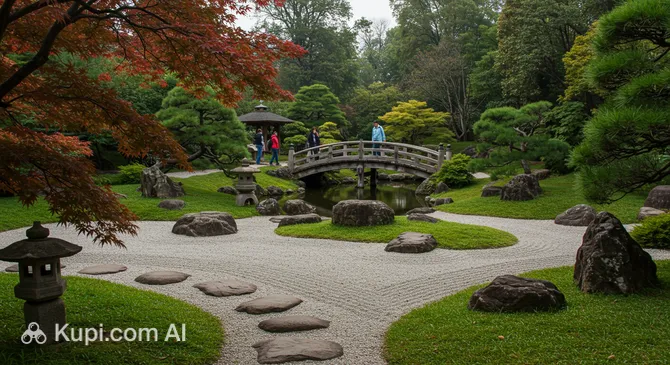
Japanese Garden. Illustration.
Source: Kupi.com AI

Traveler photos:

The history of Japanese gardens spans many centuries, with their organizational principles forming in Japan from the 8th to the 18th century. Such gardens are a deep reflection of Japanese philosophy and aesthetics, striving to convey the beauty and essence of a natural landscape in miniature. They are created as spaces for meditation, quiet reflection, and finding inner balance.

When visiting the Japanese Garden in Zapopan, you can appreciate the elements typical of this style of garden. Expect to see skillfully placed stones symbolizing mountains or islands, water features such as ponds or streams, elegant bridges, perhaps small pavilions for relaxation, and, of course, carefully selected plants. All these details merge into a single, harmonious composition that invites a leisurely stroll and the enjoyment of silence.

Contacts

Unfortunately, detailed contact information for the Japanese Garden in Zapopan is not always available from public sources. For the most up-to-date information regarding opening hours, visiting conditions, or contact methods, we recommend checking the official tourism resources of Zapopan or confirming details on-site.

Useful information can often be found on information boards directly at the attraction or at local tourist information centers.

How to contactContact
AddressPJ45+23, Colinas de San Javier, 44660 Guadalajara, Jalisco, Mexico

What to Do

The Japanese Garden in Zapopan (Mexico) invites visitors to immerse themselves in an atmosphere of tranquility and contemplative beauty, so characteristic of traditional Japanese garden aesthetics. This place seems designed to escape the city's hustle, engage in quiet reflection, and enjoy the harmony of nature in its most refined form. Every element of the landscape is meticulously planned, creating ideal conditions for meditation and restoring peace of mind.

The main activity in the Japanese Garden is a leisurely walk along the winding paths, allowing guests to fully appreciate the skill of its creators. Visitors can admire the expertly crafted compositions of stones and carefully chosen plants that symbolize natural landscapes in miniature. If there are artificial ponds in the garden, watching the fish glide smoothly within them adds another touch of calm. Of course, the garden's picturesque corners provide a beautiful backdrop for memorable photos.

Often, traditional tea houses or graceful pavilions can be found in Japanese gardens. These structures serve not only as decoration but also provide visitors with a cozy place to rest, shelter from the sun, catch their breath, and enjoy the garden views once more, soaking up its special energy. Such elements allow for a deeper understanding of the philosophy of Japanese garden art.

Getting There

The Japanese Garden, a quiet and beautiful spot for relaxation, is located in an area adjacent to Zapopan, likely within the City Forest (Bosque Los Colomos) or Colomos Forest, in the northwestern part of the Guadalajara metropolitan area. Since precise information on public transport routes leading directly to the garden may be limited, it is advisable to research your route options in advance.

One of the most convenient ways to reach the Japanese Garden is by using a taxi or popular ride-sharing apps. A trip from central Zapopan or nearby areas of Guadalajara to the specified forest zone usually doesn't take much time, depending on traffic conditions. You can also consider public transport: check local bus routes heading towards the City Forest or Colomos Forest. You might need to take a short walk from the nearest stop to the garden itself.

To get the most accurate and up-to-date directions to the Japanese Garden, we suggest contacting the tourist information centers in Zapopan or Guadalajara. Staff can provide detailed instructions and possibly maps. Additionally, modern online map services and navigation apps will help you find the best route from your location to the garden, taking into account both roads and walking paths within the park.

Nearest city: Zapopan

History & Facts

The Japanese Garden in Zapopan is a corner of Eastern harmony, offering visitors a chance to immerse themselves in an atmosphere of tranquility and contemplation. While the specific details of this garden's creation in Mexico may not be widely known, the tradition of Japanese garden art dates back many centuries and is full of deep symbolism.

The history of Japanese gardens is rooted in ancient times, with the first ones created at Buddhist temples. These gardens served not only as a place for monks to meditate but also as a reflection of philosophical ideas regarding the connection between humans and nature. A significant milestone in the development of Japanese garden art was the year 794, when the capital of Japan moved from Nara to Kyoto. During this period, gardens often became venues for various festivals, games, and open-air concerts.

Early Japanese gardens were notably decorative. They were filled with flowering trees, such as plum and cherry, whose blossoms symbolized the fleeting nature of beauty and life. Bright azaleas and elegant wisterias were also popular, creating a unique palette of colors. Elements like water, stones, and plants were carefully selected and arranged to create a miniature idealized landscape.

Over time, Japanese garden art evolved, giving rise to various styles. For example, the famous rock gardens, or "karesansui," appeared, where gravel and stones symbolize water and islands, creating abstract compositions conducive to reflection. Visiting the Japanese Garden in Zapopan allows you to experience this ancient tradition and appreciate its calming beauty, even far from the Land of the Rising Sun.

Time Needed

When planning a visit to the Japanese Garden in Zapopan, consider how much time you'd like to dedicate to contemplation and peace. While there is no specific data on the recommended visiting time for this particular garden, general practice for similar places suggests setting aside some time to fully appreciate its beauty and atmosphere.

Generally, visitors need between 1 and 2 hours to leisurely walk the paths, admire the landscaping and traditional elements, and enjoy the tranquility. This is usually enough time to see the main parts of the garden, take photos, and soak in its special energy.

If you plan more than just a quick tour and want to meditate, dive deeper into the atmosphere, or simply relax away from the city noise in silence, you might need a bit more time. In any case, the Japanese Garden is a place where time flows differently, allowing everyone to find their own pace to explore it.

Working Hours

Unfortunately, precise information regarding the opening hours of the Japanese Garden in Zapopan is currently unavailable. Since schedules can change and there may be special visiting conditions, such as the need for advance ticket booking or tour registration, it is highly recommended to check for current information.

For the latest details on opening hours, potential schedule changes, and whether the garden is open year-round or only during certain seasons, please refer to the Japanese Garden's official website (if available) or check with local tourist information centers upon your arrival in Zapopan.

9:00 – 17:00

Nearby

Visiting an attraction like the Japanese Garden is a highlight in itself. However, to make your trip to Zapopan even richer and more complete, it's worth noting what else is nearby. Exploring the surrounding area often reveals unexpected and interesting spots, allowing you to dive deeper into the city's atmosphere and the culture of Mexico.

There are many other notable sites around the Japanese Garden that can complement your experience. Whether it's other cultural attractions, lively venues, or shopping spots, a short walk or drive can lead you to new discoveries. Below is a list of some interesting places located nearby.

NameDistance
Porfirio's Guadalajara1.7 km
Lobby 331.9 km
Layla2.1 km
Galeria del Calzado3 km
Towering Fly Trampoline Park3.3 km
Porter Bar4.5 km
Rotunda of the Illustrious People of Jalisco5.6 km

Have you reached the end of the page?

So the route has been studied inside and out