Support

Zonneberg Caves

About

The Zonneberg Caves (Zonneberg) are an amazing and mysterious site located in the southern part of Maastricht, in the Netherlands. These caves are not a natural wonder, but the result of centuries of human activity—they are an extensive system of man-made underground catacombs and tunnels carved into limestone (marl). The Zonneberg Caves are one of the most famous and visited parts of the renowned Maastricht underground, also known as the catacombs of Mount Saint Peter (Sint-Pietersberg).
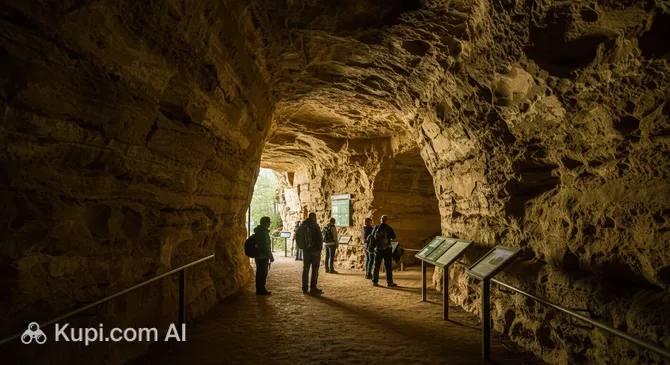
Zonneberg Caves. Illustration.
Source: Kupi.com AI

Traveller photos:

The history of these man-made labyrinths dates back to the 13th century, when active stone mining began to provide materials for building in the region. Over time, the excavations grew to incredible sizes—the total length of all the tunnels in the Maastricht caves today exceeds 320 kilometers. Of course, only a small but very impressive part of this underground network is open for tourist tours.

Visiting the Zonneberg Caves is an immersion into a completely different world. Absolute darkness reigns here, broken only by the light of the guide's lanterns, creating a unique and incomparable atmosphere. The walls of the tunnels hold traces of the past: numerous historical inscriptions, drawings, and even entire murals, some of which were created as early as the 17th century. These "rock" testimonies tell the stories of the people who worked here, hid during wars, or simply sought inspiration in the mysterious depths.

Contacts

To get the most up-to-date information on opening hours, ticket prices, and available tours at the Zonneberg Caves, it is recommended to visit the attraction's official website or contact the Maastricht tourist information center. Often, such sites offer organized tours, information about which can also be found on-site or on the Netherlands travel portals.

How to contactContact
AddressSlavante 1, 6212 NB Maastricht, Netherlands
Websitewww.maastrichtunderground.nl

What to Do

A visit to the Zonneberg Caves is a fascinating immersion into the underground world of Maastricht, which is best experienced accompanied by an experienced guide. During a tour through the branching labyrinth of tunnels, you can see firsthand the traces of the centuries-old history of this place. Guides will explain the geological features of the region and the marl mining process, which was used for building construction for centuries.

The main highlight of the caves is the numerous wall drawings, inscriptions, and even sculptures left here by workers, artists, and locals over the centuries. You will see everything from simple miner's marks to more complex artistic compositions. Special attention is drawn to traces of the caves being used as shelters during wars, including remains of infrastructure and evidence of the daily lives of people who sought refuge here.

In addition to standard sightseeing tours, the Zonneberg Caves often host themed tours. For example, some focus on the military history of the caves, telling how works of art were hidden here, including Rembrandt's famous "The Night Watch," or how they served as a refuge for thousands of citizens. Other programs may focus on educational aspects, introducing visitors to the unique underground ecosystem or geological processes.

Walking through the mysterious corridors of the Zonneberg Caves leaves an unforgettable impression. The cool air, dimmed light, and the guide's stories create a special atmosphere, allowing you to feel like a time traveler and take a fresh look at the rich history of Maastricht and the Netherlands.

Getting There

The Zonneberg Caves are located approximately 4 kilometers south of the center of Maastricht, on the picturesque slope of Mount Saint Peter (Sint-Pietersberg). This makes them easily accessible for visitors traveling by car, bicycle, or even those who prefer a walk from the city while enjoying the views of the surroundings.

Most excursions and hiking trails through the famous catacombs start from the information point and café Slavante, located at Slavante 1. This spot serves as a convenient starting point for exploring the underground world of the Zonneberg Caves, so it is recommended to check your group's meeting point in advance.

If you are coming from the center of Maastricht, one of the simplest ways is a drive along the Maasboulevard embankment. You can also use public transport, which will take you to the stop nearest to the caves. For those who prefer maximum comfort, a taxi is always an option to quickly reach the destination.

Additionally, many tourist offices in Maastricht offer organized excursions to the Zonneberg Caves, which often include transfers from the city center. This can be a particularly convenient option for those who want to get the most out of their visit without worrying about the logistics of traveling to this unique attraction.

Nearest city: Maastricht

History & Facts

The Zonneberg Caves in Maastricht are not just a geological formation, but a true man-made labyrinth with a rich history. Their origins date back to the 13th century, when active marl mining began in the region. This limestone was a valuable building material and was also used to fertilize fields. Over the centuries, the tireless work of miners led to the creation of an extensive network of underground galleries and halls that today stretch for many kilometers beneath Mount Saint Peter (Sint-Pietersberg).

Over time, these underground spaces took on a different significance. Starting from the era of the Napoleonic Wars, the Zonneberg caves repeatedly served as a reliable refuge for local residents and their livestock during sieges and military conflicts. Their role became especially significant during World War II. During this difficult period, more than 6,000 people found safety here. Additionally, the catacombs became a storehouse for priceless works of art evacuated from museums. The most famous "guest" of the caves was Rembrandt’s painting "The Night Watch," which was specially prepared for storage in the unique underground conditions to protect it from destruction.

After the end of World War II, part of the cave system was even considered as a potential bomb shelter in case of new conflicts, highlighting its strategic importance. Marl mining, which gave life to these amazing labyrinths, continued until recently and was only fully ceased in 2018. Today, the Zonneberg Caves are a unique historical monument and a popular tourist attraction, allowing visitors to touch the centuries-old history of the Netherlands.

Time Needed

To explore the Zonneberg Caves in Maastricht, travelers are usually recommended to set aside 1 to 2 hours. This time frame allows for a fairly complete impression of this amazing man-made labyrinth and its rich history. Standard guided tours typically fit within this timeframe.

The duration of your visit may vary depending on the type of tour chosen and the depth of your interest in the details. Some tours offer a more concise overview, while others may include visits to additional sections or a more detailed narrative from the guide. If you are particularly passionate about history, geology, or simply want to take a closer look at the numerous inscriptions and drawings left on the walls over the centuries, your exploration might take a bit longer. In any case, it is a fascinating journey into the past that is worth planning in advance.

Working Hours

When planning a visit to the Zonneberg Caves, it is important to note that opening hours may vary depending on the season and the current excursion schedule. Generally, access to the caves is only possible as part of an organized group, and advance booking is required. This is due to the nature of the site and the need to ensure visitor safety.

To get the most accurate and up-to-date information about opening hours and to book a tour, it is highly recommended to visit the official Zonneberg Caves website or contact the Maastricht tourist information center. There you can find out about available time slots, ticket prices, and any seasonal changes in the schedule.

Nearby

A visit to such a unique place as the Zonneberg Caves is an unforgettable experience in itself. However, to make your trip to Maastricht even more rewarding and complete, it is worth paying attention to nearby attractions. Exploring the surroundings will allow you to dive deeper into the city's atmosphere and discover new interesting spots.

There are several noteworthy sites near the Zonneberg Caves that can complement your cultural program. From historical fortifications to picturesque parks and museums—everyone will find something to their liking, expanding their understanding of Maastricht and its rich heritage.

NameDistance
Sint Pietersberg Viewpoint0.6 km
North Caves Maastricht1.4 km
Fort Sint Pieter1.4 km
Bonnefanten Museum1.9 km
Château Neercanne2.1 km
Stadspark2.1 km
Helpoort2.2 km

Reached the bottom of the page?

Looks like you know this route inside out