Support

Isle of Pines

About

Often referred to as the "Jewel of the Pacific," the Isle of Pines is a breathtaking destination known for its stunning turquoise lagoons and white sandy beaches. This enchanting island offers a serene escape from the hustle and bustle of modern life, captivating visitors with its unique blend of tropical beauty and distinct vegetation. Located just south of the main island of New Caledonia, it is a place where time seems to slow down, allowing travelers to fully immerse themselves in the natural splendor of the South Pacific.
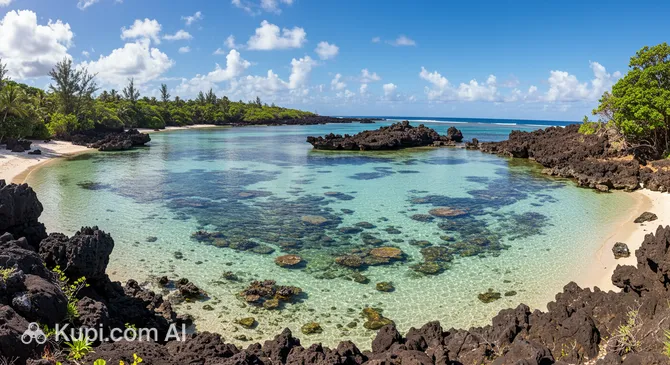
Isle of Pines. Source: Kupi.Binoculars

Geographically, the island is part of the Province Sud and is characterized by its moderate tropical climate, making it a pleasant destination year-round. Despite its fame, the Isle of Pines maintains a cozy and intimate atmosphere with a population of approximately 2,000 inhabitants. While enjoying the pristine environment, visitors can also delve into the rich history of the Isle of Pines, which includes the heritage of the indigenous Kanak people and the remnants of its past as a 19th-century settlement.

The island is named after the distinctive columnar pine trees (Araucaria columnaris) that line its shores, creating a striking contrast against the blue waters. One of the most iconic attractions is the Natural Pool in Oro Bay, a crystal-clear lagoon protected by coral reefs that is perfect for snorkeling. Nearby, the twin bays of Kuto and Kanumera offer some of the finest soft sands and swimming spots in the region.

Whether you are looking to explore underwater wonders, hike to the top of N'Ga Peak for panoramic views, or simply relax under the sun, the Isle of Pines promises an unforgettable experience. We invite you to discover this slice of paradise and let the island's tranquil charm rejuvenate your spirit.

Weather Overview

The Isle of Pines enjoys a mild and pleasant climate year-round, characterized by comfortable temperatures that rarely become oppressive. Generally, the weather remains warm and inviting, with average temperatures fluctuating between 20°C and 26°C depending on the season. For travelers planning their trip, checking the detailed weather in Isle of Pines can help in selecting the perfect time to visit.

The warmest months are typically January and February, where average temperatures hover around 26°C. This period also coincides with a higher frequency of wet days, with up to 19 days of precipitation recorded in April. Conversely, the cooler season from July to September brings average temperatures down to approximately 21°C and significantly fewer rainy days, making it an excellent time for outdoor activities like hiking and cycling.

Interesting Facts

Beyond the postcard-perfect beaches and turquoise waters, Isle of Pines holds fascinating secrets rooted in deep history and unique local traditions. This island is not just a scenic wonder but a place of intriguing legends and rare natural phenomena that set it apart from the rest of New Caledonia.
  • A Historic Open-Air Prison: In the late 19th century, the island served as a penal colony for thousands of political prisoners exiled from France, known as the "Communards." Today, visitors can explore the haunting ruins of the prison buildings and the old water tower located in Kuto, which are slowly being reclaimed by the surrounding vegetation.

  • The Totems of Saint Maurice: The monument at Saint Maurice Bay offers a striking visual representation of religious syncretism. It commemorates the arrival of the first Catholic missionaries in 1848 but is encircled by a palisade of carved wooden totems, representing the indigenous Kanak clans standing guard around the Christian statue.

  • A Royal Hiding Spot: Hidden within a lush rainforest is a majestic cavern known as Queen Hortense's Cave. Legend states that Queen Hortense, the daughter of a grand chief, took refuge here for several months during inter-tribal wars in 1855, sleeping on a natural stone ledge that is still visible to visitors today.

  • Giant Endemic Snails: The island is one of the few places in the world where you can find the Bulime (Placostylus fibratus), a large species of land snail. These endemic creatures are considered a local delicacy and are harvested under strict regulations, making them a rare culinary experience for travelers.

How to Get There

Reaching this tropical paradise is relatively straightforward, with air travel being the fastest option. The island is served by its own local hub, Ile Des Pins Airport (ILP), which welcomes domestic flights daily. Located just 3.9 km from the center of the island, it offers quick access to local accommodations. The journey by taxi or hotel shuttle is a short drive, allowing you to start your vacation almost immediately upon landing.

Most international visitors will first arrive at Tontouta Airport (NOU), located in the city of Nouméa on the main island, about 146 km from Isle of Pines. From there, travelers generally transfer to the domestic Noumea Magenta Airport (GEA), also in Nouméa, to catch a connecting flight. For a complete overview of travel options, including boat transfers, you can read more about how to get to Isle of Pines.

For clarity, here is a summary of the main airports:

Airport Name City Passenger Traffic Km from City
Tontouta Airport Nouméa High 146.7
Noumea Magenta Airport Nouméa High 111.1
Lifou Airport Lifou Medium 205.3
Ile Des Pins Airport Isle of Pines Medium 3.9
Mare Airport Mare Low 138.0

There are no railway stations on the Isle of Pines, as the island's infrastructure relies primarily on road and maritime transport. Visitors who prefer not to fly can opt for the popular Betico high-speed ferry, which connects Nouméa to the Isle of Pines. The ferry ride offers a scenic journey across the lagoon, taking approximately two and a half hours.

Main Attractions

The Isle of Pines offers a spectacular array of natural sites, ranging from secluded lagoons to panoramic peaks. Visitors are often captivated by the island's untouched beauty, where the vibrant colors of the lagoon meet the lush greenery of the Araucaria pines. Exploring these attractions provides a perfect mix of relaxation, adventure, and cultural immersion.

One of the most famous spots on the island is the Natural Pool (Piscine Naturelle) located in Oro Bay. This sheltered basin is separated from the open sea by a coral reef, creating a calm, aquarium-like environment filled with crystal-clear turquoise water. It is a paradise for snorkelers, who can swim alongside colorful tropical fish in complete safety, surrounded by the majestic pine trees that give the island its name.

For those seeking the quintessential tropical beach, Kanumera Bay is a must-visit. Known for its powdery white sand and shallow, warm waters, it is ideal for swimming and relaxing. A distinctive feature of the bay is the Rocher Sacré (Sacred Rock), a large coral formation connected to the beach by a sandbar. While the rock itself is sacred to the locals and should not be climbed, the waters around it offer excellent snorkeling opportunities.

A journey to Upi Bay offers a different kind of scenic wonder, often compared to a miniature Ha Long Bay due to the large coral rocks scattered across the water. The best way to experience this serene location is by taking a traditional outrigger canoe (pirogue) tour. Gliding silently over the glassy water allows visitors to fully appreciate the tranquility and perhaps spot turtles or dolphins in the lagoon.

Active travelers looking for a rewarding challenge should hike to the top of Pic N'Ga, the island's highest point at 262 meters. The trail takes about an hour to ascend and leads through changing vegetation before opening up to a rocky summit. The effort is paid off with a breathtaking 360-degree panoramic view of the entire island, the surrounding islets, and the various shades of blue in the lagoon.

Local Cuisine

The culinary landscape of the Isle of Pines is a delightful fusion of traditional Melanesian flavors and refined French influence, heavily reliant on the bounty of the surrounding ocean and fertile soil. Dining here is less about an abundance of commercial restaurants and more about authentic, fresh experiences. The food scene is characterized by its simplicity and quality, with seafood playing the starring role on almost every menu, often caught just hours before being served.

A visit to the island would be incomplete without trying the iconic Kanak dish known as Bougna. This traditional feast involves a combination of chicken, fish, or lobster mixed with root vegetables like taro, yams, and sweet potatoes. The ingredients are marinated in freshly squeezed coconut milk, wrapped tightly in banana leaves, and slow-cooked over hot stones in an earth oven. The result is a tender, aromatic meal that offers a true taste of the local culture and is often the centerpiece of communal gatherings.

For adventurous gourmets, the Isle of Pines offers a unique delicacy found nowhere else: the Bulime (Placostylus fibratus). These large, endemic land snails are harvested locally and are typically prepared in a classic French style, sautéed with garlic and parsley butter. Another seafood highlight is the renowned Isle of Pines lobster (langouste), which is celebrated for its sweet, firm flesh. It is most often served simply grilled to let the natural flavors shine, usually accompanied by a side of coconut rice or papaya salad.

When it comes to beverages, the French connection ensures that a good bottle of wine is never hard to find, pairing perfectly with the seafood-heavy diet. For a more casual local option, visitors often enjoy Number One, the popular lager brewed in New Caledonia. Non-alcoholic options are equally refreshing, with fresh coconuts available at roadside stalls and vibrant fruit juices made from locally grown mangoes, passion fruit, and citrus.

Dining on the island offers a distinct change of pace from busy city life. While there are a few snack bars near popular beaches like Kuto, most formal dining takes place within the resorts and guesthouses (gîtes). For a truly immersive experience, travelers are encouraged to seek out a table d'hôte, where locals open their homes to serve homemade meals. This not only provides an opportunity to taste authentic home cooking but also to connect with the warm and welcoming residents of the island.

Travel Tips

Planning a getaway to the Isle of Pines is the first step toward an idyllic vacation, but a little preparation goes a long way in this secluded paradise. To help you make the most of your time on the "Jewel of the Pacific," we have compiled some essential practical advice to ensure a smooth and respectful journey.

  1. Clothing and Gear: Given the tropical climate, pack lightweight, breathable clothing and plenty of swimwear. High-SPF sunscreen, a hat, and sunglasses are non-negotiable protections against the strong sun. Crucially, bring reef shoes or sturdy sandals; they are essential for protecting your feet from sharp coral at the Natural Pool and other swimming spots. While beachwear is perfect for the coast, remember to dress modestly when visiting the village of Vao or entering religious sites.

  2. Transportation: Public transport options like buses or metros do not exist on the island. The best way to explore is by renting a car or scooter, which gives you the freedom to visit remote bays at your own pace. Bicycles are also a popular and eco-friendly option for shorter distances. Transfers from the airport or ferry wharf are typically arranged in advance by your hotel or guesthouse, as you cannot simply hail a taxi on the street.

  3. Finances: The local currency is the CFP Franc (XPF). While major resorts and some restaurants accept credit cards, cash is king for small shops, local snack bars, and market stalls. There is only one bank with an ATM on the entire island, located in the main village of Vao, so it is highly advisable to withdraw sufficient cash in Nouméa before you arrive. Tipping is not customary in New Caledonia, but a smile and a genuine thank you are always appreciated.

  4. Health and Safety: The Isle of Pines is generally very safe, but it is wise to bring a basic travel first-aid kit. There is a pharmacy and a medical dispensary in Vao, but opening hours can be limited, especially on weekends. Tap water is generally safe, but bottled water is recommended for those with sensitive stomachs. Be mindful of mosquitoes; use repellent, particularly at dawn and dusk, to prevent bites.

  5. Communication: The official language is French, and the locals also speak their indigenous Kanak language. English is understood at major hotels and tourist attractions, but less so in small village shops. Learning a few basic French phrases like "Bonjour" (Hello) and "Merci" (Thank you) will go a long way in breaking the ice. Wi-Fi is available in hotels, but coverage can be spotty elsewhere; consider buying a local SIM card (OPT) at the airport in Nouméa if you need constant connectivity.

  6. Local Etiquette: The Kanak culture places high value on respect and community. Always greet people you pass with a friendly nod or "Bonjour." When entering tribal areas or specific cultural sites, it is polite to respect the custom known as "La Coutume"—a gesture of exchanging a small gift (often a piece of fabric or a small amount of money) to the chief or landowner, though this is mostly relevant for deeper cultural immersions or staying in tribal homestays.

  7. What to Avoid: Never climb on the Rocher Sacré (Sacred Rock) in Kanumera Bay; it is a taboo site for the locals, and climbing it is considered highly disrespectful. Additionally, topless sunbathing is frowned upon on public beaches and is offensive to local sensibilities, so please keep your swimwear on.

  8. Shopping Hours: Be aware that "island time" is a real concept here. Shops and services, particularly in Vao, often close for a midday break (siesta) from around 11:30 AM to 2:00 PM and shut down early in the evening. Plan your grocery runs and errands for the morning to avoid finding closed doors.

By keeping these practical tips in mind, you will be well-equipped to navigate the island with ease and cultural sensitivity. We hope your visit to the Isle of Pines is filled with relaxing moments, warm encounters, and unforgettable natural beauty.

Entertainment & Nightlife

Nightlife on the Isle of Pines is defined by tranquility and romance rather than high-energy partying. Travelers expecting neon-lit nightclubs, thumping discos, or bustling party districts will find a very different, yet equally enchanting, experience here. The evening entertainment focuses on relaxation, fine dining, and enjoying the serene natural environment. The island slows down significantly after sunset, with social life centering almost exclusively around the major hotels and resorts, particularly those located near the twin bays of Kuto and Kanumera.

The atmosphere is sophisticated yet laid-back, often characterized by "resort casual" dress codes and quiet conversations under the stars. Instead of hopping between bars, visitors typically settle into a seaside venue to watch the sunset with a cocktail in hand. Le Méridien Ile des Pins in Oro Bay is a prime example, offering an upscale setting where guests can enjoy refined drinks at its lounge bar, often accompanied by the gentle sounds of the lagoon. It is the perfect spot for a romantic evening or a quiet nightcap in a luxurious environment.

For those staying closer to the main village or the ferry wharf, the Oure Tera Beach Resort on Kanumera Bay provides a wonderful setting for evening relaxation. Its bar and restaurant offer stunning views of the bay, making it a popular spot for both guests and visitors to enjoy fresh seafood and local French wines. Similarly, the Hotel Kou-Bugny on Kuto Bay is a favorite for its proximity to the beach, allowing travelers to transition seamlessly from a day of swimming to an evening of dining and light social interaction.

Practical planning is essential for enjoying the evening hours here. Most venues close relatively early compared to international standards, with dinner service typically wrapping up by 9:00 PM or 9:30 PM. Prices for food and alcohol can be on the higher side, reflecting the island's remote location and import costs. Since there is no public transport and hailing a taxi on the street at night is impossible, it is crucial to arrange your transportation in advance. If you plan to dine at a resort other than your own, ensure you have a confirmed transfer back to your accommodation.

Safety is rarely a concern on the Isle of Pines, as the island is incredibly peaceful and crime rates are very low. Walking along the beaches at night is generally safe and offers a spectacular view of the Milky Way due to the lack of light pollution. However, the roads are unlit and can be pitch black, so carrying a torch or using your phone's flashlight is highly recommended if you are walking between nearby venues. Always stay on marked paths to avoid tripping on coral or roots.

During the daylight hours, entertainment remains nature-centric. You will not find movie theaters, shopping malls, or amusement parks on the island. Instead, the "entertainment" consists of immersing yourself in the local culture and landscape. Visitors spend their days exploring the lagoons, visiting the small local markets in Vao (usually held in the early mornings on Wednesdays and Saturdays), or discovering the island's heritage, proving that on the Isle of Pines, the beauty of the environment is the greatest show of all.

Parks & Museums

The cultural and natural heritage of the Isle of Pines is seamlessly integrated into its landscape, offering visitors an immersive open-air experience rather than traditional enclosed exhibitions. Instead of manicured city parks and glass-walled galleries, the island presents its history and botanical wonders in their raw, authentic settings, allowing travelers to explore the stories of the past amidst the beauty of the present.

One of the most enchanting natural areas that functions much like a botanical garden is the lush sanctuary surrounding Queen Hortense's Cave. Before reaching the majestic cavern itself, visitors walk through a dense, verdant rainforest path teeming with tropical ferns, towering banyans, and the island's signature pines. This short but spectacular nature walk offers a cool, shaded retreat and a chance to observe the island's diverse flora up close, making it a favorite spot for nature lovers and photographers.

Another significant site that blends natural beauty with cultural expression is Saint Maurice Bay near Vao. While it opens onto the lagoon, the area is famed for its palisade of carved wooden totems that encircle a statue of Jesus. This site effectively serves as an outdoor sculpture gallery, where the intricate craftsmanship of the Kanak clans stands in harmony with the religious history of the island. It is a peaceful place for contemplation, offering a unique visual narrative of the island's dual heritage against a backdrop of turquoise waters.

In terms of museums, the Isle of Pines does not have a formal indoor institution; rather, the Ruins of the Penal Colony in Kuto serve as a sprawling, atmospheric open-air museum. Visitors can wander freely among the remnants of the 19th-century convict settlement, including the overgrown walls of the prison cells and the old water tower. Walking through this site provides a hauntingly tangible connection to the island's history as a place of exile, offering a poignant glimpse into the lives of the "Communards" who were sent here from France.

The cultural heart of the island is undoubtedly the Church of Notre-Dame de l'Assomption in the village of Vao. Built by the convicts themselves between 1860 and 1960, this architectural landmark is more than just a place of worship; it is a testament to the island's colonial and missionary history. The church features a striking red roof and a beautifully decorated interior with local wood carvings. It remains the focal point of village life, especially during Sunday mass when the community gathers in vibrant traditional dress.

For a quieter, more reflective experience, seek out the Cemetery of the Deported (Cimetière des Déportés), located a short distance from the Kuto ruins. Hidden away in a serene, park-like clearing, this site contains the graves of political prisoners and offers a somber yet peaceful atmosphere that contrasts with the island's resort lifestyle.

Getting Around

Navigating the Isle of Pines is a unique experience largely defined by its serene and undeveloped nature. Unlike bustling cities, this island does not possess a formal public transport system such as a metro, tram network, or scheduled public bus service for tourists. The absence of heavy traffic and complex transit maps is part of the island's charm, allowing visitors to slow down and explore at their own rhythm without the pressure of timetables.

Since there are no municipal buses or trains, the primary method of transport for visitors is private rental vehicles. Renting a car or scooters is widely considered the most practical way to see the island's scattered attractions, from the natural pools in the north to the bays in the south. Several rental agencies operate on the island, typically located near the airfield or the ferry wharf. Due to the limited number of vehicles available, it is highly advisable to book your transport well in advance, especially during peak tourist seasons.

For those who prefer a slower pace or wish to enjoy the fresh air, bicycles are a popular and eco-friendly alternative. The island's terrain is relatively flat with only a few gentle hills, making cycling a pleasant option for reaching nearby beaches or the village of Vao. Many hotels and guesthouses offer bike rentals directly to their guests. While there are no dedicated cycle lanes, the roads are generally quiet and safe, though riders should always remain attentive to occasional vehicle traffic.

Regarding payment and tickets, the lack of a public network means there are no travel passes, smart cards, or transport apps to worry about. All transport services, including rentals and transfers, operate on a pay-per-service basis. Transactions are typically conducted in the local currency, and while major rental agencies may accept credit cards, it is essential to carry sufficient cash for smaller operators or impromptu needs. There is no validation system for tickets; you simply pay for your rental period or your transfer service directly.

It is important to note that traditional taxi services operate differently here than in major metropolitan areas. You cannot hail a taxi on the street, and there are no taxi ranks waiting at tourist spots. Instead, transport must be pre-arranged. Most accommodations provide shuttle services for airport and ferry transfers, which should be confirmed prior to your arrival. If you plan to dine out at a restaurant away from your hotel, be sure to organize a return transfer with the venue or your host beforehand, as walking on unlit roads at night is not recommended.

Ultimately, the "transport system" of the Isle of Pines is designed around independence and pre-planning. Whether you choose the freedom of a rental car, the breeze of a scooter, or the simplicity of a hotel shuttle, getting around is straightforward as long as you make arrangements ahead of time. This lack of commercial transit infrastructure preserves the island's tranquility, ensuring that your journey between beaches is as peaceful as the destination itself.

Accommodation

Accommodation on the Isle of Pines is defined by its quality and integration with nature rather than sheer volume. Visitors will not find sprawling high-rise hotel chains here; instead, the island offers a curated selection of lodging options that range from luxurious five-star resorts to authentic, locally-run guesthouses known as "gîtes." The typical accommodation style features standalone bungalows or traditional huts nestled within tropical gardens or perched along the beachfront, ensuring a sense of privacy and immersion in the serene environment.

The most convenient and popular area for tourists to stay is around the twin bays of Kuto and Kanumera. This region serves as the island's subtle hub, offering easy access to some of the best swimming beaches, the ferry wharf, and a few local dining spots. Staying here allows for a balance of relaxation and accessibility. Alternatively, for those seeking complete seclusion and high-end luxury, the area around Oro Bay in the northeast provides a more isolated retreat, close to the famous Natural Pool but further from the main village amenities.

For travelers looking for comfort and excellent amenities, the island boasts a few renowned establishments. Le Méridien Ile des Pins is the premier luxury option, located on Oro Bay, offering upscale bungalows and direct access to the lagoon. In the Kuto and Kanumera area, the Oure Tera Beach Resort is a favorite for its stunning location and romantic atmosphere, while Hotel Kou-Bugny offers a relaxed, mid-range experience directly facing the white sands of Kuto Bay. These hotels typically provide the highest standard of service on the island.

When planning your stay, it is crucial to book your accommodation well in advance. The Isle of Pines is a highly sought-after destination with a limited number of rooms, and the best properties often sell out months ahead, particularly during school holidays and the peak summer season (December to February). Securing your booking early not only guarantees your spot but also helps in arranging necessary airport or ferry transfers, which are usually managed by the hotels.

The price range for accommodation generally leans towards the higher end, reflecting the island's remote location and exclusivity. While luxury resorts command premium prices, mid-range options are available but can still be more expensive compared to other Pacific destinations. For budget-conscious travelers, the local gîtes offer a more affordable alternative, often providing simple camping grounds or basic huts. Most bookings can be made via major online travel platforms, though contacting gîtes directly is often required for the smaller, family-run establishments.

Nearby Cities

For those looking to explore the surroundings, Isle of Pines serves as an excellent base for day trips or short visits to several interesting nearby locations. The bustling capital, Nouméa, offers a vibrant mix of French elegance and island charm, featuring museums, chic boutiques, and the famous Place des Cocotiers. For nature enthusiasts, Mont-Dore provides a stunning contrast with its red earth landscapes and the vast Blue River Provincial Park, perfect for hiking and outdoor adventures. Further afield, Lifou, the largest of the Loyalty Islands, invites travelers to discover its dramatic cliffs, deep caves, and long stretches of pristine white sand.

City Population Distance (km)
Nouméa 182,341 114
Dumbea 35,873 118
Mont-Dore 27,620 102
Paita 24,563 128
Lifou 9,000 187

These nearby destinations offer a glimpse into the diverse culture and landscapes of the region, allowing visitors to experience the broader beauty of New Caledonia beyond the Isle of Pines.

Shopping & Souvenirs

Shopping:

Shopping on the Isle of Pines is a modest and authentic experience, reflecting the island's laid-back lifestyle and small population. Travelers should not expect bustling commercial districts, luxury boutiques, or extensive retail therapy opportunities here. Instead, the shopping scene is focused primarily on essential supplies, fresh local produce, and unique artisanal crafts. It is a place to find meaningful souvenirs that carry the spirit of the island rather than mass-produced goods.

The commercial heart of the island is the village of Vao, located in the south. This is the only area that resembles a town center, housing the main general store (supermarket), a bakery, and a few smaller shops. Visitors staying in self-catering accommodations will find basic groceries and daily necessities here. Outside of Vao, shopping options are extremely limited, mostly consisting of small convenience stands or gift shops attached to the larger hotels and resorts.

There are no shopping malls or department stores on the Isle of Pines. The retail infrastructure is intentionally minimal to preserve the island's natural charm. Those accustomed to large-scale shopping complexes will find a refreshing change of pace, where commerce is driven by community needs rather than consumerism. For extensive shopping, including fashion and electronics, one would need to visit Nouméa on the main island of New Caledonia.

The highlight of the local shopping experience is undoubtedly the Vao Market. Typically held on Wednesday and Saturday mornings near the village church, this market is a vibrant gathering spot for locals. Here, visitors can purchase freshly caught fish, tropical fruits like papayas and bananas, and root vegetables such as yams and taro. It is also an excellent place to find locally made handicrafts, including woven baskets, shell jewelry, and the colorful "Mission dresses" worn by Kanak women.

When looking for souvenirs to bring home, focus on products that highlight the island's natural resources. Sandalwood products are particularly popular, as the wood is native to the region; look for essential oils, soaps, and small carvings. Other excellent keepsakes include hand-painted pareos (sarongs), local honey, and vanilla beans. Many artisans sell their wares directly from small stalls near major tourist sites like Oro Bay or the Kuto wharf when cruise ships are in port.

Practicality is key when planning to shop. Store hours operate on "island time," with many businesses closing for a long midday break (siesta) between 11:30 AM and 2:00 PM. Most shops close for the day by 5:00 PM or 6:00 PM and are often closed on Sundays. Regarding payment, cash (CFP Franc) is essential. While the main supermarket in Vao and hotel boutiques may accept credit cards, market stallholders and small roadside vendors deal exclusively in cash. A tax refund scheme is generally not applicable to the small-scale purchases made on the island itself.

Reached the end of the page?

That means the route is fully explored