Support

Nouméa

About

Welcome to Nouméa, the vibrant capital and largest city of New Caledonia. Often referred to as the "Paris of the Pacific," this cosmopolitan city offers a fascinating blend of French elegance and warm Melanesian hospitality. Situated on a peninsula in the Southern Province of the main island, Grande Terre, Nouméa is surrounded by picturesque bays and rolling hills, creating a stunning backdrop for an unforgettable vacation.

With a population of approximately 182,000 residents, the city serves as the economic and cultural heart of the archipelago. The climate here is generally pleasant and sunny, making it an ideal destination for outdoor enthusiasts year-round. Visitors can explore the history of Nouméa through its colonial architecture and diverse neighborhoods, which tell the story of its transformation from a small settlement into a bustling modern hub.
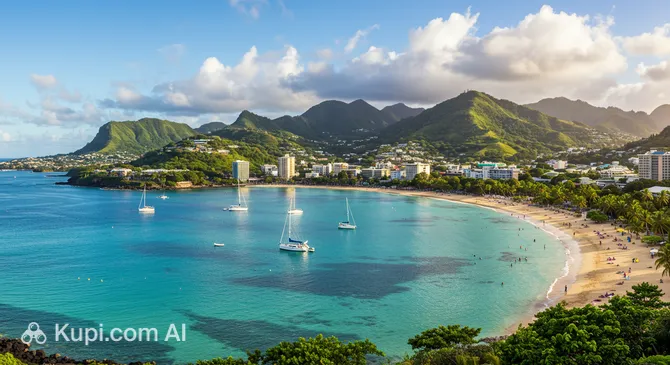
Nouméa. Source: Kupi.Binoculars

Travelers are drawn to the city's unique attractions, such as the renowned Tjibaou Cultural Centre, an architectural masterpiece dedicated to Kanak culture. Nature lovers will appreciate the Aquarium des Lagons, which showcases the region's rich marine life, while beachgoers can relax on the golden sands of Baie des Citrons or Anse Vata. Whether you are looking for gourmet French cuisine, vibrant markets, or water sports in the world's largest lagoon, Nouméa has something special to offer.

Experience the captivating mix of European sophistication and island charm in this Pacific gem. We invite you to discover the many treasures of Nouméa and enjoy a relaxing and enriching getaway in this beautiful corner of the world.

Weather Overview

Planning a trip to this Pacific destination requires understanding the local climate to make the most of your stay. The weather in Nouméa is generally pleasant and subtropical, offering warm days and mild nights that are suitable for travel year-round.

The warmest months are typically from December through March, where average temperatures sit around 24°C to 25°C, with daily highs reaching up to 27°C. This period is also characterized by a higher frequency of rainfall, particularly in February, which can experience around 20 wet days. However, these showers often bring a refreshing break from the warmth.

From June to September, the city experiences its cooler season. During these months, average temperatures drop to approximately 19°C to 20°C, with minimums occasionally falling to 17°C. This time of year is generally drier, with fewer wet days compared to the summer months, making it an excellent time for exploring the city's outdoor attractions.

Overall, visitors can expect warm summers with frequent rainfall and mild, drier winters that are perfect for sightseeing.

Interesting Facts

Beyond the main attractions and beautiful beaches, Nouméa holds many fascinating secrets that reveal its rich history and unique ecological status. Dig a little deeper into the city's character to discover these surprising details about the "Paris of the Pacific."

Ouen Toro Cannons. Source: Kupi.Binoculars
  • The city played a strategic role during World War II. At the top of a prominent hill, you can still find the Ouen Toro Cannons. These massive historical guns were installed by the Australian army in 1941 to protect the vital lagoon passage from enemy ships, serving as a silent reminder of the island's military past.

  • Nouméa is home to a world-first in marine biology. The Noumea Aquarium was the very first facility on the planet to successfully display a tank of fluorescent corals, showcasing the glowing underwater wonders that make the local reefs so unique.

  • The heart of the city, Place des Cocotiers, serves as the official reference point for the entire island. The "Fontaine Céleste" (Celestial Fountain) located within the square marks "Kilometer Zero," the starting point from which all road distances on the main island of Grande Terre are measured.

  • The city sits on the edge of the world's largest enclosed lagoon. This massive body of water is not only a playground for water sports but is also part of a UNESCO World Heritage site, recognized for its exceptional biodiversity and the health of its coral reef systems.

How to Get There

Reaching the capital of New Caledonia is relatively straightforward, with air travel being the primary mode of entry for international and domestic visitors. Whether you are arriving from overseas or hopping over from one of the nearby islands, you can find more about how to get to Nouméa and plan your journey accordingly.

The main gateway for international travelers is Tontouta Airport (NOU). Located approximately 37 km northwest of the city center, it handles the vast majority of long-haul flights connecting the archipelago to the rest of the world. As the premier international hub, it offers various services for arriving passengers. The journey from the airport to downtown Nouméa typically takes around 75 minutes by shuttle bus or taxi, allowing you to enjoy the scenic drive along the coast.

For those traveling from other islands within New Caledonia, the Noumea Magenta Airport (GEA) is the most convenient option. Situated just 4 km from the city center, this domestic hub is perfect for quick island hops. Due to its proximity, a transfer to your hotel or the city center is very quick, taking only about 25 minutes by taxi. It is a bustling regional hub that connects the capital with the Loyalty Islands and the Isle of Pines.

For clarity, here is a summary of the main airports serving the region:

Airport Name City Passenger Traffic Km from City
Tontouta Airport Nouméa Medium 36.9
Noumea Magenta Airport Nouméa Medium 3.7
Lifou Airport Lifou Small 185.3
Ile Des Pins Airport Isle of Pines Small 110.3
Ouvea Airport Ouvea Small 181.1

Nouméa does not have a railway station, and there is no intercity train service available on the island of Grande Terre. Travelers typically rely on the well-maintained road network, utilizing rental cars, coaches, or shuttle services to navigate between towns and explore the diverse landscapes of the Southern Province.

Main Attractions

Nouméa boasts a variety of captivating sights that blend natural beauty with rich cultural heritage. From architectural marvels to bustling local hubs, the city's main attractions offer visitors a deeper insight into life in New Caledonia.

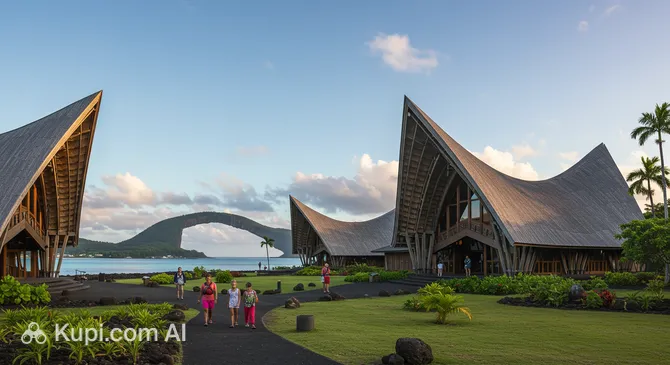
A visit to the city would be incomplete without exploring the Tjibaou Cultural Centre. Located on the Tina Peninsula, this stunning complex was designed by renowned architect Renzo Piano. It is famous for its soaring, modern structures that resemble traditional Kanak huts, rising elegantly from the surrounding mangroves. Inside, tourists can discover fascinating exhibitions of contemporary Melanesian art, learn about Kanak traditions, and stroll through the beautifully landscaped botanical gardens.

Tjibaou Cultural Centre. Source: Kupi.Binoculars

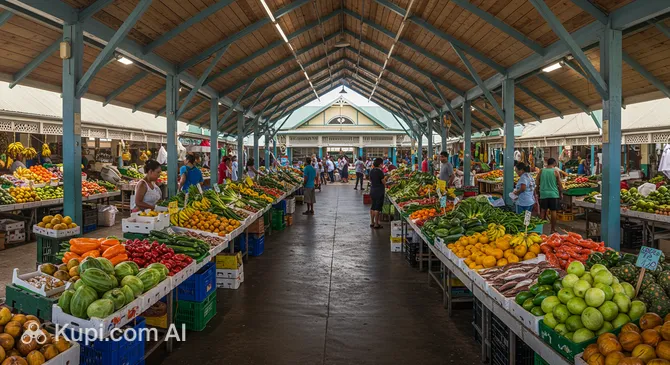
For a taste of local life, head to the Noumea City Market at Port Moselle. This vibrant covered market is a feast for the senses, best visited early in the morning. Here, you will find stalls overflowing with fresh tropical fruits, vegetables, and the catch of the day from the lagoon. It is also an excellent place to shop for authentic souvenirs, such as handmade jewelry and colorful fabrics, while mingling with friendly locals.

Beach lovers will find their paradise at Baie des Citrons Beach. Known for its inviting shoreline and calm, sheltered waters, it is one of the most popular spots in the city for swimming and snorkeling. The beach is lined with a lively promenade featuring numerous restaurants, bars, and cafes, making it the perfect destination to relax during the day or enjoy a meal while watching the sunset.

Baie des Citrons Beach. Source: Kupi.Binoculars

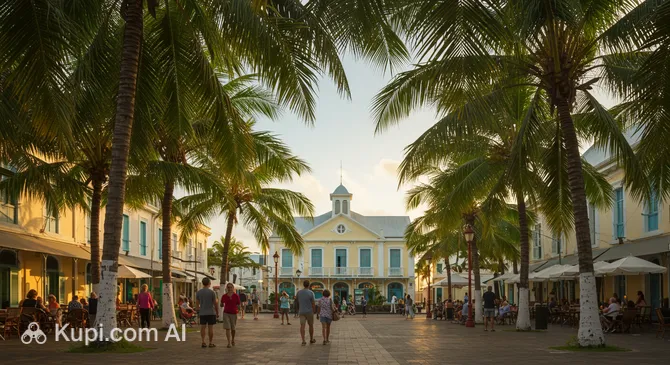
In the heart of the city lies the historic Place des Cocotiers. This sprawling square is a beloved meeting point for residents and a peaceful green oasis amidst the urban center. Visitors can admire the iconic music kiosk, the celestial fountain, and the lush gardens that date back to the late 19th century. It is a wonderful spot for a leisurely walk or to simply sit and soak up the charming atmosphere of the capital.

Place des Cocotiers. Source: Kupi.Binoculars

Local Cuisine

The culinary scene in Nouméa is a delightful reflection of its cultural heritage, offering a sophisticated fusion of French gastronomy and bold Melanesian flavors. Known as the culinary capital of the Pacific, the city invites visitors to indulge in a variety of dining experiences, from high-end bistros to casual waterfront eateries. The abundance of fresh local produce, combined with imported French delicacies, ensures that every meal is a journey of taste.

One dish that every traveler must try is the traditional Kanak Bougna. This hearty meal consists of chicken, fish, or lobster wrapped in banana leaves with yams, sweet potatoes, and taro, all slow-cooked in coconut milk for a rich and smoky flavor. For seafood lovers, the local lagoons provide an exceptional bounty, including the world-famous blue prawns (crevettes bleues) and fresh crabs. Another local specialty is venison, often served as a salad or in a rich stew known as civet de cerf, showcasing the diversity of ingredients available on the island.

The dining culture in Nouméa is vibrant and varied. For a truly local experience, look out for the roulottes (food trucks) that often set up near the beaches or city squares, offering affordable and delicious meals ranging from steak and fries to fresh sashimi. On the other hand, the city's French influence is evident in its numerous bakeries, where you can start your day with crisp baguettes and buttery croissants that rival those found in Paris.

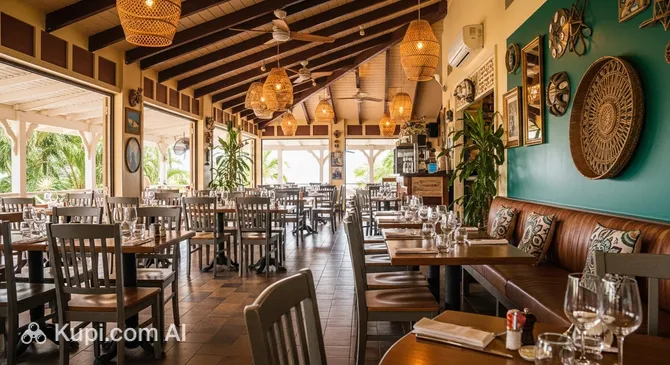
If you are looking for a sit-down meal that captures the essence of the region's cuisine, Marmite et Tire-Bouchon is a wonderful choice. This restaurant is well-regarded for its inviting atmosphere and a menu that expertly blends local ingredients with classic French cooking techniques.

Marmite et Tire-Bouchon. Source: Kupi.Binoculars

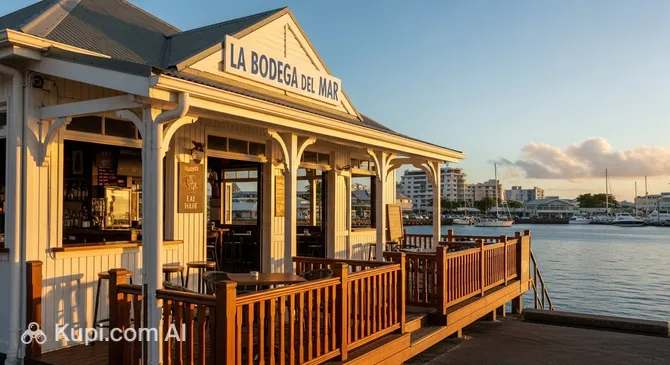
No culinary tour is complete without sampling the beverages. Wine lovers will appreciate the extensive selection of French vintages available throughout the city. For a more tropical refreshment, try the local beer, Number One, or relax with a fresh fruit juice. As the sun sets, many visitors head to the waterfront to enjoy a cocktail. La Bodega del Mar is a popular spot located right over the water, offering a fantastic setting to sip a drink while enjoying the ocean breeze and tapas.

La Bodega del Mar. Source: Kupi.Binoculars

For those with a sweet tooth, the city offers plenty of treats to finish your culinary adventure. You can stop by Gelato Café Sainte Marie to enjoy artisanal ice cream, a perfect way to cool down after a day of exploring the sunny streets of Nouméa.

Travel Tips

Preparing for a trip to Nouméa involves a bit of planning to fully enjoy its unique blend of French sophistication and Pacific relaxation. To help you navigate the capital of New Caledonia with ease and confidence, we have compiled a list of essential practical advice for your journey.

  1. Clothing and Gear: Given the subtropical climate, pack lightweight, breathable fabrics like cotton or linen. A hat, sunglasses, and high-SPF sunscreen are essential to protect against the strong Pacific sun. If you visit during the cooler months (June to September) or plan to dine in air-conditioned restaurants, bring a light sweater or jacket. While casual beachwear is perfect for the coast, smart-casual attire is recommended for evenings out in the city's French-influenced bistros.
  2. Transportation: The city has a modern public bus network known as Tanéo, which is an affordable way to get around the main districts and beaches. However, for more freedom to explore the surrounding Southern Province, renting a car is highly recommended. Taxis are available and reliable but can be expensive; it is often best to book them in advance or catch them at designated stands rather than hailing them on the street.
  3. Finances: The local currency is the Pacific Franc (XPF). While credit cards (Visa and Mastercard) are widely accepted in hotels, restaurants, and larger shops, it is wise to carry some cash for local markets, small kiosks, or bus fares. ATMs are plentiful throughout the city. Tipping is not mandatory or expected in New Caledonia, as service charges are usually included, but rounding up the bill for good service is appreciated.
  4. Health and Safety: Nouméa is generally a safe city for tourists, but standard precautions regarding personal belongings should be taken, especially at night. The tap water in the city is safe to drink. Pharmacies are easy to find, usually marked with a green cross, and offer high-quality French medical products. Be sure to use insect repellent, particularly at dawn and dusk, to protect against mosquitoes.
  5. Communication: French is the official language. While staff in major hotels and tourist attractions often speak English, it is not universally spoken in smaller shops or by the general public. Learning a few basic phrases like "Bonjour" (Hello) and "Merci" (Thank you) is considered very polite and will help you interact with locals. For mobile data, you can purchase a prepaid SIM card from the local provider, OPT, at the airport or post offices.
  6. Local Etiquette: Politeness is highly valued here. It is customary to greet shopkeepers and staff with a friendly "Bonjour" upon entering an establishment. In public places, the atmosphere is relaxed but respectful. If you venture outside the city to visit tribal areas, be aware of the "Coutume" (customary gesture of exchanging gifts), though this is less critical within the urban center of Nouméa itself.
  7. What to Avoid: Do not walk around the city center or enter shops wearing only swimwear. While acceptable on the beach, it is considered disrespectful in town. Cover up with a sarong, t-shirt, or dress when leaving the sand.
  8. Opening Hours: Be aware that many shops and businesses close for a "siesta" lunch break, typically between 11:30 AM and 1:30 PM or 2:00 PM. Additionally, many places may be closed on Sunday afternoons, so plan your shopping and errands accordingly.

By keeping these practical tips in mind, you will be well-equipped to experience the best of the city without any hassles. We hope this advice helps you settle into the island rhythm quickly so you can focus on creating wonderful memories in beautiful Nouméa.

Entertainment & Nightlife

As the sun sets over the lagoon, Nouméa transforms into a lively hub of entertainment, offering a nightlife scene that rivals its daytime beauty. The city's evening energy is concentrated primarily along the waterfront districts of Baie des Citrons and Anse Vata. These areas are bustling with activity, featuring a high concentration of bars, clubs, and restaurants that cater to both locals and international visitors looking to unwind after a day of exploration.

For those seeking a quintessential island party experience, La Bodega del Mar is an absolute must-visit. Perched on stilts over the water at Anse Vata, this iconic venue offers a festive atmosphere where you can dance to a mix of international hits and local rhythms while enjoying panoramic views of the ocean. It is a favorite spot for sunset cocktails that seamlessly turn into late-night dancing.

Château Royal Beach Resort & Spa. Source: Kupi.Binoculars

If you prefer a more sophisticated and relaxed setting, the bars within the Château Royal Beach Resort & Spa provide an elegant backdrop. Here, you can sip on expertly crafted drinks in a chic environment, often accompanied by live music or DJ sets on the weekends. The dress code in most of these establishments leans towards "island chic"—smart casual attire is recommended, and it is best to avoid beachwear like flip-flops or swimwear when heading out for the night.

Most bars are open until 1:00 or 2:00 AM, while nightclubs may stay open until dawn, particularly on Friday and Saturday nights. Prices for drinks are comparable to European cities, so it is wise to budget accordingly. Happy hours are common in the early evening and offer a great way to enjoy the sunset at a lower cost.

Regarding safety and transport, the main tourist areas like Baie des Citrons are generally well-lit and safe for walking in the early evening. However, as the night progresses, it is advisable to take a taxi to return to your accommodation. Taxis are not always easy to hail on the street, so asking a venue to call one for you or booking in advance is the most reliable option.

While the nights are vibrant, the city also offers plenty of daytime entertainment. Families and nature enthusiasts should not miss the Noumea Aquarium, which provides a fascinating look at the region's coral reefs. Additionally, the city features several museums and theaters that showcase the rich history and artistic talent of New Caledonia, providing ample cultural activities before the sun goes down.

Parks & Museums

Parks & Museums

Nouméa is a city where urban life seamlessly intertwines with nature and heritage. For travelers looking to delve deeper into the region's history or simply escape the bustling streets for a moment of tranquility, the capital offers an impressive array of museums and green spaces that showcase the unique environment of New Caledonia.

The crown jewel of the city's cultural offerings is undoubtedly the Tjibaou Cultural Centre. Situated on the Tina Peninsula, this architectural marvel designed by Renzo Piano is dedicated to the preservation and promotion of Kanak culture. Its ten soaring pavilions, inspired by traditional huts, house contemporary art exhibitions, artifacts, and a multimedia library. The center is surrounded by a landscaped path that introduces visitors to the mythic plants of the Kanak people, blending architecture with the natural landscape.

For a closer look at the island's underwater biodiversity without getting wet, the Noumea Aquarium (Aquarium des Lagons) is a must-visit. Located between Anse Vata and Baie des Citrons, it is renowned for being one of the few places in the world to display fluorescent corals. The facility takes guests on a journey through the various aquatic ecosystems of the archipelago, from fresh river waters to the depths of the ocean, featuring sea turtles, sharks, and the mesmerizing nautilus.

Noumea Aquarium. Source: Kupi.Binoculars

In the heart of the city, Place des Cocotiers serves as the capital's central lung. This historic square is more than just a meeting point; it is a beautifully maintained park divided into several distinct gardens. Visitors can stroll around the iconic Celestial Fountain, admire the vintage bandstand, or relax under the shade of the flame trees. It is a perfect spot for a midday break, offering a peaceful atmosphere amidst the city center's activity.

Nature enthusiasts should also explore the area around the Ouen Toro Cannons. Rising above the southern tip of the peninsula, this protected park preserves a significant patch of dry tropical forest. A network of walking trails leads to the summit, where visitors are rewarded with panoramic views of the lagoon and distant islets. The site is also historically significant due to the presence of two large guns installed by the Australian army during World War II to protect the harbor.

Another highlight for wildlife lovers is the Michel-Corbasson Zoological and Forest Park. Perched on the heights of the city, this sprawling reserve offers a chance to see the famous Cagou, the flightless bird that is the emblem of the country, as well as other endemic species in a lush botanical setting. It provides a wonderful opportunity to experience the terrestrial flora and fauna of the island just minutes from the city center.

Getting Around

Public transport in Nouméa has undergone significant modernization in recent years, offering tourists a reliable and comfortable way to explore the city. The backbone of the system is the Tanéo network, which covers the capital and the surrounding municipalities. While there is no underground metro or tram system, the city features a high-level service bus line known as the Néobus. This streamlined bus operates on dedicated lanes, functioning much like a tram on wheels, and connects the city center to the northern suburbs with high frequency and efficiency.

Complementing the Néobus are standard bus lines that weave through the various neighborhoods, including the popular tourist districts of Anse Vata and Baie des Citrons. For those looking to visit the nearby islets like Îlot Canard (Duck Island) or Îlot Maître, water taxis and shuttle boats are the primary mode of transport. These typically depart from Anse Vata beach or Port Moselle and offer a scenic, short commute across the lagoon.

To use the bus network, the most convenient option is the Pass Tanéo, a reloadable contactless smart card. You can purchase this card at "Tanéo" agencies or authorized retailers (often marked with a logo at local convenience stores and newsstands). Once you have the card, you can load it with credit or specific passes, such as a Day Pass (Pass Journée), which is ideal for tourists planning extensive travel within 24 hours. While it is possible to buy a single-trip ticket from the driver upon boarding, this "emergency ticket" (ticket de dépannage) is significantly more expensive than the fare paid with a pass. Always remember to validate your card or ticket at the terminal when entering the bus to avoid fines.

Travelers should be mindful of operating hours. The bus service is generally excellent during the day, running from early morning until the early evening. However, frequency drops significantly after 7:00 PM or 8:00 PM, and services are reduced on Sundays and public holidays. It is highly recommended to check the latest timetables on the official Tanéo app or website if you plan to stay out late.

For alternatives, taxis are available but operate differently than in many other major cities. You generally cannot hail them on the street; instead, you must find a designated taxi rank (often found at the central market or Place des Cocotiers) or book one by phone via the central radio taxi service. Taxis are metered, and while reliable, they can be costly for long distances. Car rentals remain a popular choice for visitors wanting total freedom to explore the wider Southern Province.

Cycling is becoming increasingly popular, with dedicated bike lanes appearing along the waterfront promenades. You can find rental shops offering both standard bicycles and e-bikes, which are perfect for navigating the city's hilly terrain without exhaustion. Finally, for a unique sightseeing experience, look out for the Tchou Tchou Train. This motorized tourist train offers guided tours around the city's major landmarks and coastal roads, providing a fun and relaxed way to orient yourself in Nouméa.

Accommodation

Finding the perfect place to stay in Nouméa is easy, as the city offers a wide spectrum of accommodation options to suit various travel styles and budgets. The selection ranges from luxurious waterfront resorts and serviced apartments to mid-range hotels and budget-friendly youth hostels. Whether you are looking for a romantic getaway with ocean views or a practical base for exploring the island, the capital has plenty to offer.

For most tourists, the coastal districts of Anse Vata and Baie des Citrons are the most popular areas to stay. These neighborhoods are conveniently located right next to the best beaches and are teeming with restaurants, cafes, and shops, creating a lively holiday atmosphere. Staying here means you are just steps away from the lagoon and water activities. Alternatively, the city center (Centre Ville) offers more business-oriented hotels and is closer to the ferry terminals and markets, though it is quieter in the evenings compared to the seaside suburbs.

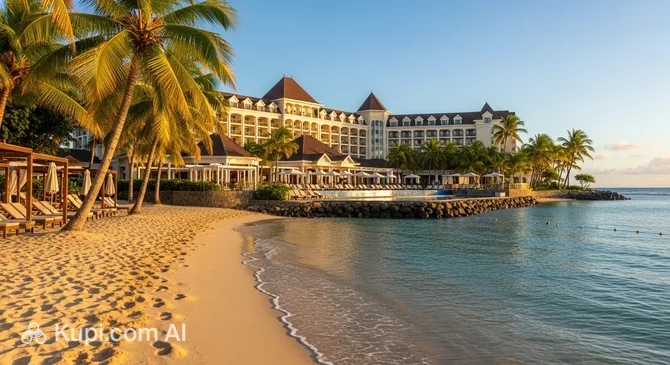
Travelers seeking a blend of comfort and prime location often look for establishments that provide direct access to the beach. A notable example is the Château Royal Beach Resort & Spa. Situated on the spectacular Anse Vata beach, this resort is well-regarded for its spacious apartment-style rooms and extensive facilities, making it a favorite for both couples and families who want a touch of luxury during their stay.

Regarding costs, accommodation in Nouméa is generally priced similarly to Europe or Australia, with options leaning towards the mid-to-high range. Budget travelers should plan accordingly, as low-cost options are limited and high in demand. It is highly recommended to book in advance, especially if you plan to visit during the peak summer season (December to February) or around French school holidays. Most hotels can be easily booked via major online platforms or directly through their websites.

Nearby Cities

For those looking to explore the surroundings, Nouméa serves as an excellent base for day trips to several interesting nearby locations. Just a short drive from the capital, Dumbéa offers a refreshing escape into nature with its lush valley and river, which is a popular spot for swimming and kayaking. To the southeast lies Mont-Dore, a region characterized by its stunning red earth landscapes and opportunities for hiking, including trails that offer panoramic views of the lagoon.

City Population Distance (km)
Dumbea 35,873 13
Mont-Dore 27,620 13
Paita 24,563 18
Lifou 9,000 169
Kone 8,144 209

These nearby destinations offer a glimpse into the diverse culture and landscapes of the region, ranging from the bustling suburbs of Greater Nouméa to the more remote charm of the islands and northern towns.

Shopping & Souvenirs

Shopping in Nouméa is a delightful reflection of the city's dual identity, offering a mix of high-end French fashion and authentic Pacific craftsmanship. Whether you are looking for the latest Parisian trends or unique local souvenirs, the capital provides a diverse range of retail experiences to satisfy every taste.

For a truly immersive experience, start your day at the Noumea City Market in Port Moselle. This bustling hub is not just for foodies; it is also a treasure trove for shoppers seeking handmade items. In the artisan section, you can find beautifully carved wood sculptures, woven baskets, and colorful "Mission dresses" that represent the local style. It is the perfect place to pick up gifts while soaking in the lively morning atmosphere.

Noumea City Market. Source: Kupi.Binoculars

If you prefer a more urban shopping spree, head to the city center, particularly the streets surrounding Place des Cocotiers. The area, especially along Rue de l'Alma and Rue de Sébastopol, is lined with chic boutiques offering imported French clothing, shoes, and luxury goods. Here, you can find renowned European brands and fine jewelry, making it easy to feel as though you are strolling through a district in France.

When searching for souvenirs, look out for the region's signature products. Niaouli essence, an oil derived from the native paperbark tea tree, is a popular purchase known for its healing properties. Vanilla from the Loyalty Islands and artisanal chocolates are also excellent choices for edible gifts. For a splash of color, pick up a manou (pareo), a versatile piece of fabric that is a staple of island life.

Keep in mind that many shops in the city center follow the traditional "siesta" schedule, closing for a few hours around midday. Additionally, most stores close on Saturday afternoons and Sundays, so it is wise to plan your shopping excursions for weekday mornings or early afternoons to ensure everything is open.

Reached the end of the page?

That means the route is fully explored