Support

Lifou

About

Lifou, known locally as Drehu, is the largest and most populous of the Loyalty Islands, offering a perfect blend of breathtaking natural beauty and rich cultural authenticity. This immense coral atoll, which has been uplifted over time, presents a landscape of dramatic cliffs, dense tropical forests, and immaculate white sandy beaches. As a destination, it invites travelers to slow down and immerse themselves in a serene island rhythm where community and nature coexist in harmony.

Geographically, the island is situated to the east of the main island of New Caledonia. Despite its size, Lifou maintains a peaceful atmosphere with a population of approximately 9,000 residents. The climate is tropical and pleasant, making it an ideal year-round getaway for those seeking sun and sea. The island's geography is unique, featuring a flat interior plateau surrounded by spectacular fossilized coral cliffs that drop steeply into the azure ocean.
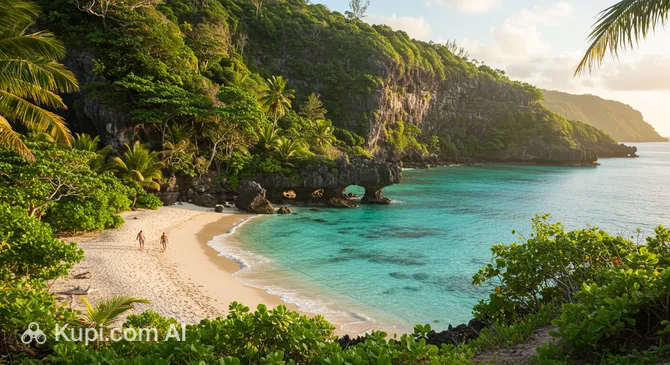
Lifou. Source: Kupi.Binoculars

The cultural heritage of the island is deeply rooted in Kanak traditions. Visitors interested in the past can explore the history of Lifou, which reveals a fascinating narrative of traditional tribal life and the arrival of missionaries in the 19th century. This blend of influences is visible in the local architecture, including the charming colonial-style churches that dot the landscape, and the warm hospitality of the local tribes.

For nature enthusiasts, Lifou offers unforgettable experiences. The Cliffs of Jokin in the north provide sweeping panoramic views of the ocean, while the crystal-clear waters of Jinek Bay are renowned as one of the best snorkeling spots in the Pacific, teeming with colorful coral and marine life. Another highlight is the stunning Luengoni Beach, famous for its blindingly white sand and turquoise lagoon.

Whether you are looking to explore underwater wonders, hike through lush forests, or simply relax on a secluded beach, Lifou promises a memorable escape. It is a place where you can truly disconnect from the busy world and reconnect with nature.

Weather Overview

Lifou enjoys a pleasant tropical climate that makes it a welcoming destination year-round. The island generally experiences warm temperatures, with averages fluctuating between 21.9°C in the cooler season and 26.7°C during the warmest months. Expect warm, humid summers with frequent rainfall and milder, drier winters perfect for exploring the outdoors.

The hottest period typically runs from January to March, where daily maximum temperatures can reach 28.0°C. This season is also characterized by higher humidity and frequent showers, with rain recorded on up to 22 days in March. In contrast, the months from June to September offer a refreshing change, with average temperatures dipping to around 22°C and the number of wet days dropping significantly to as few as 7 in August.

For travelers planning their activities, understanding these seasonal shifts is key to a successful trip. You can find more detailed information about the weather in Lifou to help choose the best time for your visit. Despite the variations, the climate remains mild enough to enjoy the island’s natural beauty at almost any time of the year.

Interesting Facts

Beyond the pristine beaches and turquoise waters, Lifou holds many fascinating secrets that distinguish it within New Caledonia. This island is not just a tropical paradise but a geological wonder with a unique history and ecosystem.

  • A Fossilized Lagoon: Lifou is technically an uplifted coral atoll, known geologically as a "makatea." The extensive flat interior of the island was once the bottom of a lagoon, while the towering limestone cliffs that line the coast were originally the surrounding coral reef, pushed upwards by tectonic forces millions of years ago.

  • The Mystery of the Water: You will not find a single river or surface stream on the entire island. Due to the highly porous limestone rock, rainwater filters immediately into deep underground caves and freshwater lenses, which have historically served as the primary water source for the local population.

  • Surprising Dimensions: Despite its relaxed, small-island atmosphere, Lifou is geographically substantial. It covers a land area larger than the famous island of Tahiti or Martinique, meaning there are vast stretches of dense tropical forest and untouched wilderness that remain largely uninhabited.

  • Home of "Brown Gold": While often overshadowed by other producers, Lifou has a thriving vanilla industry, particularly in the south around the Mou district. Introduced by missionaries in the 19th century, the vanilla here is cultivated entirely by hand and is renowned for its high quality and distinct aroma.

How to Get There

Reaching the idyllic shores of Lifou is a seamless part of the New Caledonia experience. While the journey involves a connection, the destination is well worth the effort. For a detailed breakdown of routes and logistics, you can consult our guide on how to get to Lifou. The island is served by Lifou Airport (LIF), located in Wanaham. It sits approximately 19 km from the island's center, and a transfer to the main villages or hotels is usually a short drive of about 20 to 30 minutes.

International visitors typically arrive at Tontouta Airport (NOU), the main gateway to New Caledonia. From there, a transfer to Noumea Magenta Airport (GEA) is required to catch a domestic flight to the Loyalty Islands. The domestic flight is short and scenic. Alternatively, a high-speed passenger ferry operates from Nouméa, offering a beautiful sea voyage for those who prefer maritime travel.

For clarity, here is a summary of the main airports serving the region:

Airport Name City Passenger Traffic Distance to Lifou (km)
Tontouta Airport Nouméa High 159.3
Noumea Magenta Airport Nouméa High 165.7
Lifou Airport Lifou Medium 18.8
Mare Airport Mare Low 101.9
Ouvea Airport Ouvea Low 77.3

Main Attractions

Lifou is a treasure trove of natural wonders, offering visitors a mix of dramatic landscapes, pristine marine environments, and cultural landmarks. While the island invites relaxation, its key sites provide unforgettable experiences for those eager to explore its unique geology and vibrant underwater life. Here are some of the most captivating places to visit.

Jinek Bay Marine Reserve is widely considered one of the premier snorkeling destinations in the South Pacific. Located near Easo, this "natural aquarium" is teeming with multicolored coral and a diverse array of tropical fish. It is particularly interesting for tourists because the water is shallow and crystal clear, making it accessible even for beginners. Access is regulated to protect the fragile ecosystem, ensuring an intimate and pristine encounter with nature.

For a spectacular change of scenery, a visit to the Cliffs of Jokin in the north of the island is essential. These towering fossilized coral cliffs drop approximately 40 meters vertically into the deep blue ocean, offering a stark contrast to the island's sandy beaches. Visitors flock here for the breathtaking panoramic views and the chance to spot sea turtles swimming in the waters below. A staircase carved into the rock allows adventurous travelers to descend closer to the water's edge to admire the geological layers.

Luengoni Beach is frequently cited as one of the most beautiful beaches in New Caledonia, and for good reason. Situated on the southeast coast, it features a long stretch of blindingly white, powdery sand bordered by coconut palms and an electric turquoise lagoon. It is the perfect spot for swimming and sunbathing in tranquility. Nearby, adventurous guides can lead you to hidden underwater caves and sinkholes, adding a touch of mystery to this paradise.

Overlooking Santal Bay, the Chapel of Notre Dame de Lourdes stands atop a promontory in Easo. Built in 1898, this small, historic church is reached by a short but steep path. It is a favorite stop for tourists not just for its history, but for the commanding 360-degree views it offers. From the top, you can see the sweeping curve of the bay and the lush green interior of the island, making it a prime location for photography, especially during sunset.

Local Cuisine

The culinary landscape of Lifou is a delightful reflection of its cultural heritage, blending traditional Kanak cooking methods with French influences and the abundance of the ocean. The food here is unpretentious, hearty, and incredibly fresh, relying heavily on root vegetables, tropical fruits, and the catch of the day. For visitors, dining on the island is not just about sustenance; it is an opportunity to connect with the land and its people.

The undisputed star of the local table is the traditional Bougna. This emblematic Kanak dish is a must-try for any traveler. It consists of chicken, fish, or lobster combined with yams, taro, sweet potatoes, and bananas, all marinated in freshly squeezed coconut milk. The ingredients are meticulously wrapped in banana leaves and slow-cooked in a ground oven powered by hot stones. The result is a meltingly tender, aromatic meal that captures the essence of the island's flavors.

Given its geography, Lifou is also a paradise for seafood lovers. The island is particularly famous for its succulent rock lobsters and the impressive coconut crab, a delicacy often served in local restaurants. Since Lifou is a producer of high-quality vanilla, you will frequently find these seafood dishes enhanced with a rich, fragrant vanilla sauce, creating a unique savory-sweet profile that is characteristic of the Loyalty Islands.

When it comes to dining culture, the most authentic experience is found at a table d'hôte. These are hosted meals provided by local families in their homes or small guest houses. Unlike standard restaurants, these venues offer a warm, communal atmosphere where you can taste home-cooked recipes passed down through generations. It is also common to find small snack stands near popular beaches and the market in Wé, offering quick bites like grilled fish or savory fritters.

To wash down these tropical feasts, fresh coconut water is the drink of choice, often sourced directly from the tree. Due to the abundance of fruit, freshly squeezed juices—such as papaya, passion fruit, and mango—are widely available and incredibly refreshing. For those looking for something stronger, local beers and French wines are readily available, but the true taste of Lifou remains in its natural, non-alcoholic refreshments.

Travel Tips

Visiting Lifou is a journey into a relaxed and traditional world, but a little preparation goes a long way to fully enjoy this island paradise. To help you navigate the local rhythm and customs, here are some practical tips to ensure your stay is smooth and respectful.

  1. Clothing and Gear: Pack lightweight, breathable fabrics for the tropical heat, but bring a light sweater for cooler evenings, especially from June to September. Crucially, bring reef shoes to protect your feet from sharp coral when swimming. While swimwear is fine at the beach, you must dress modestly (covering shoulders and knees) when entering villages or visiting customary sites out of respect for local traditions.

  2. Transportation: Public transport is virtually non-existent for tourists. The island is larger than it looks, so renting a car is the most practical way to explore. Book your vehicle well in advance, especially during peak seasons, as supply is limited. Hitchhiking is common among locals, but having your own car gives you the freedom to reach secluded spots.

  3. Finances: The currency is the Pacific Franc (XPF). While major hotels and car rental agencies accept credit cards, cash is essential for small shops, tribal accommodations, and markets. ATMs are mainly located in the administrative center, , so withdraw sufficient cash before heading to more remote areas. Tipping is not expected or customary.

  4. Health and Safety: Lifou is a very safe destination, but standard precautions apply. There is a medical center and pharmacy in Wé. Tap water is generally safe in the main villages, but bottled water is recommended elsewhere. Be sure to pack high-strength mosquito repellent and reef-safe sunscreen to protect against the strong tropical sun.

  5. Communication: The official language is French, and the local language is Drehu. English is spoken at major tourist facilities, but it is not widely understood in rural areas or small shops. Learning a few basic French phrases like "Bonjour" (Hello) and "Merci" (Thank you) will be greatly appreciated. A local SIM card can be purchased at OPT (post office) branches for internet access.

  6. Local Etiquette: Respect for "La Coutume" (custom) is vital. If you are visiting a specific tribal site or staying with locals, it is polite to present a small token (often a piece of fabric called a manou and a small monetary note) to the chief or host. Always ask for permission before taking photos of people or entering private lands.

  7. What to Avoid: Never walk through villages or towns in just your swimwear; this is considered offensive. Also, avoid loud or boisterous behavior in public places, as the local culture values calmness and discretion.

  8. Sunday Shutdowns: Be aware that almost everything on the island closes on Sundays, including shops and many restaurants. Plan your meals ahead by buying supplies on Saturday or booking a table at a hotel restaurant to avoid being caught without food.

By keeping these simple tips in mind, you will be well-equipped to enjoy the warm hospitality and stunning scenery of Lifou. Embrace the slower pace of island life, and you are sure to have an unforgettable adventure.

Entertainment & Nightlife

Lifou is a sanctuary of peace, and its nightlife reflects this tranquil rhythm. Travelers looking for neon-lit nightclubs, sprawling party districts, or thumping bass will not find them here; instead, the island offers a serene evening atmosphere centered around social connection, dining, and nature. The evening entertainment is primarily concentrated within the main hotels and guest houses, where visitors and locals mingle over drinks and fresh food in a laid-back setting.

The hub of social activity is often found in , the island's administrative center. Here, the bar at the Drehu Village Hotel is a popular gathering spot for both tourists and residents. Situated right on the stunning Chateaubriand Beach, it is the perfect location to enjoy a sunset cocktail or a local beer, often accompanied by live local music bands on weekends. Another notable venue is the Oasis de Kiamu in the Jozip district, nestled at the base of a cliff. Its restaurant and bar area offer a cozy, tropical setting for a relaxed evening meal and drinks under the stars.

For a truly authentic local experience, adventurous travelers might seek out a Nakamal. These are modest, often dimly lit venues dedicated to drinking kava, a traditional relaxing beverage made from pepper plant roots. Unlike a typical western bar, a Nakamal is a quiet place for hushed conversation and contemplation. The atmosphere is distinct and respectful; visitors should ask their accommodation hosts for recommendations and etiquette advice before visiting, as these are culturally significant spaces rather than standard party venues.

Practical planning is essential for a night out in Lifou. The island does not have a night taxi service, Uber, or public transport after dark. If you plan to dine out or visit a hotel bar away from your accommodation, you must have a rental car, and it is crucial to have a designated driver. The roads are generally unlit, and stray animals often wander onto the tarmac at night. In terms of safety, the island is very secure, but walking alone on dark rural roads is not recommended simply due to the lack of visibility.

During the daylight hours, entertainment on Lifou shifts from relaxation to cultural discovery. While you will not find large amusement parks or multiplex cinemas, the island offers engaging daytime activities. The Wé Market, typically held on Wednesday and Friday mornings, provides a lively atmosphere where you can shop for local crafts and fresh produce. Visitors can also explore the rich heritage of the island through guided tours of vanilla plantations or by visiting traditional Kanak huts to learn about the local architecture and way of life.

Parks & Museums

Unlike bustling metropolises filled with enclosed galleries, Lifou presents itself as an open-air museum where nature and culture are inextricably linked. The island does not rely on formal city parks or large historical institutions; instead, its "green spaces" are vast, untamed forests and dramatic coastlines, while its "museums" are the living villages and customary sites that preserve the Kanak way of life.

Among the most significant natural areas is the site surrounding the Cliffs of Jokin. While often visited for the view, the area itself serves as a rugged natural park where visitors can observe the raw geological history of the island. The fossilized coral layers, rising steeply from the ocean, are topped with dense vegetation that hosts local bird species, making it a prime spot for nature observation. Another remarkable natural site is the Grotte du Diable (Devil's Cave) in Tingeting. This site combines geological wonder with local legend, featuring a series of caves and rock formations nestled within a mysterious forest setting that feels worlds away from the sunny beaches.

In terms of cultural venues, the Maison de la Vanille (Vanilla House) acts as the island's key interpretive center. Located in the south, this facility functions as a living museum dedicated to Lifou's "brown gold." Visitors can tour the plantations and drying sheds, learning about the meticulous hand-pollination process and the history of vanilla cultivation introduced by missionaries. It provides a fascinating insight into the agricultural heritage that sustains many local families.

For a profound look at traditional architecture, the Grande Case of Nathalo is a masterpiece of Kanak engineering and one of the most impressive structures in the archipelago. This towering traditional hut, with its massive central pillar and intricate binding, serves as a symbol of customary power and social organization. While it is a place of active tradition rather than a static exhibit, viewing it offers a tangible connection to the island's ancestral roots and social structure.

Architecturally, the island is dotted with religious landmarks that tell the story of the 19th-century missionary arrival. The Temple of Qanono stands out as a significant historical building with its imposing coral-lime structure and distinct colonial style. Similarly, the Chapel of Notre Dame de Lourdes in Easo, perched on its promontory, is not just a viewpoint but a monument to the Catholic history of the north, offering a physical record of the spiritual shifts that shaped the modern identity of the Loyalty Islands.

For an authentic insider experience, seek out the hidden trail to Kiki Beach. Accessing this spot requires a short hike through a dense, pristine forest and usually a small customary fee paid to the local landowner. The walk itself is a botanical journey through the bush, rewarding intrepid explorers with one of the most secluded and pristine coves on the island, far removed from the more frequented tourist paths.

Getting Around

Navigating Lifou requires a shift in expectations, as the island does not possess the extensive public transport infrastructure found in major cities. There are no subways, trams, or trains here. instead, the transport network is modest and primarily designed to serve the local population's daily needs, such as getting children to school or residents to the main market. For tourists, relying solely on public means can be challenging due to infrequent schedules and limited routes.

The main form of collective transport consists of local buses, often referred to as coaches. These connect the various tribes and villages with the administrative center, Wé. However, the timetables are often aligned with school hours or market days (Wednesdays and Fridays), meaning services are scarce during the middle of the day, on weekends, and during school holidays. There is no complex ticketing system with travel passes or mobile apps; payment is simple and traditional. You pay the driver directly in cash (Pacific Francs) upon boarding. Fares are generally low, but it is essential to carry small change, as drivers may not always have enough to break large notes.

For visitors determined to use the bus, practical advice is key. Bus stops are not always clearly marked with signage, so you often need to wait at known gathering points in the villages or along the main road. Schedules are rarely available online; your best bet is to ask your accommodation host or check at the bus station in Wé for the most current departure times. Be prepared for a "island time" approach to punctuality, where flexibility is more important than rigid adherence to a clock.

Given the limitations of the bus service, most travelers opt for alternatives to explore the island freely. Renting a car is by far the most popular and practical solution, allowing you to reach secluded beaches and distant cliffs that public transport does not serve. Several rental agencies operate on the island, primarily based near the airport or in Wé. Scooter and bicycle rentals are also available for shorter trips, offering a breezy and scenic way to see the immediate surroundings, though the island's size makes cycling the entire perimeter demanding for casual riders.

Taxis exist but are few in number and do not cruise the streets looking for fares. They must be booked in advance by phone, and they generally do not operate with meters; instead, a fixed price is usually agreed upon before the journey begins. Another common and culturally accepted "transport" method on the island is hitchhiking. It is widely practiced by locals and is generally considered safe. Drivers are often happy to pick up pedestrians and share a ride, providing not just a lift but also a chance to chat with residents, though it requires patience and a comfortable level of adventurous spirit.

Accommodation

Accommodation in Lifou is distinct from typical tourist destinations; rather than high-rise resorts or international hotel chains, the island offers a more intimate and authentic selection of places to stay. The options generally fall into two main categories: traditional tribal stays (known as Accueil en tribu) and a small number of mid-range hotels. This limited but charming range allows visitors to choose between a fully immersive cultural experience and the comforts of modern amenities.

For those seeking a deep connection with the local culture, tribal stays are the most popular and affordable option. These are hosted by local families within their villages. Guests often sleep in traditional Kanak huts (cases) on mattresses or woven mats, though some offer simple bungalows. Facilities are usually shared, and the experience typically includes communal meals where you can taste home-cooked local cuisine. It is a unique opportunity to live according to the "island rhythm" and interact daily with residents.

Travelers looking for more conventional comforts, such as air conditioning, private bathrooms, and swimming pools, will find a few hotels scattered across the island. These properties are generally rated around 3 stars and offer bungalow-style accommodation set in lush gardens or by the sea. They are ideal for families or couples who prefer privacy and standard hotel services.

In terms of areas, the choice largely depends on your planned activities. , the administrative center on the east coast, is the most convenient location for logistics. It houses the main shops, the bank, and the medical center, making it a practical base for exploring the entire island. The south (around Jozip and Mou) offers a quieter, secluded atmosphere with access to beautiful white sand beaches. The north (near Easo and Jinek Bay) is perfect for snorkeling enthusiasts and those wanting to be close to the cliffs and the church of Notre Dame de Lourdes.

Among the few established hotels, the Drehu Village Hotel is perhaps the most well-known. Located in Wé, it sits directly on the magnificent Chateaubriand Beach and features a restaurant and pool, making it a central hub for tourists. Another notable option is the Oasis de Kiamu in the south, situated in the Jozip tribe area. It is nestled at the foot of a cliff and is appreciated for its calm environment and proximity to Luengoni Beach.

Booking tips are essential for a smooth trip. Because the number of hotel rooms on the island is very limited, it is highly recommended to book months in advance, especially if you plan to visit during school holidays or the peak season (September to December). While hotels can be booked via online platforms, tribal stays often require direct contact by phone or email, and arrangements can be more informal.

The price range varies significantly. Tribal stays are budget-friendly, often costing a fraction of the price of a hotel room. Hotels are priced in the mid-to-high range, reflecting the scarcity of supply and the remote location. When staying in tribes, remember to carry enough cash (Pacific Francs), as credit card facilities are rarely available outside of the main hotels and the town center of Wé.

Nearby Cities

While Lifou offers a serene escape, it is also part of a larger archipelago filled with diverse experiences. Visitors often combine their stay on the Loyalty Islands with visits to other popular destinations within the region or on the main island of New Caledonia, each offering its own unique atmosphere and attractions.

The most prominent destination is Nouméa, the vibrant capital situated on Grande Terre. A short flight connects travelers to a cosmopolitan city rich in museums, French boutiques, and diverse dining options, providing a lively contrast to the quiet island life. Nature lovers might prefer Dumbea, renowned for its lush river valley and provincial park, which are perfect for swimming and hiking. Alternatively, the region of Mont-Dore serves as a gateway to the Great South, featuring unique red earth landscapes and spectacular coastal views.

City Population Distance (km)
Nouméa 182341 169
Dumbea 35873 157
Mont-Dore 27620 162
Paita 24563 160
Kone 8144 244

These nearby locations offer a glimpse into the varied culture and geography that define New Caledonia beyond the shores of Lifou.

Shopping & Souvenirs

Shopping in Lifou is a low-key and authentic experience, distinctly different from the commercial bustle of large cities. Visitors should not expect sprawling shopping malls, designer boutiques, or high-end luxury brands. Instead, the island offers a modest selection of stores focused on daily essentials, alongside a vibrant scene of local craftsmanship. The shopping opportunities here allow you to support the local economy directly, purchasing unique artisanal products and fresh produce that reflect the island's culture and natural bounty.

The commercial heart of the island is undoubtedly , the administrative center located on the east coast. This is where the majority of retail activity is concentrated. Along the main road and near the waterfront, you will find the island's primary supermarkets, a pharmacy, hardware stores, and a few small clothing boutiques. For tourists, Wé is the go-to destination for stocking up on food, drinks, and basic supplies, as well as for browsing for local fabrics and gifts.

There are no shopping malls in Lifou. The closest equivalent to a "shopping center" are the larger supermarkets in Wé, such as the Korail or Super U affiliates, which stock a wide range of groceries and household items. These stores are vital for self-catering travelers but are functional rather than recreational shopping destinations. Outside of Wé, "shopping" is limited to small roadside stalls or village convenience stores known as "épiceries," which carry a very limited stock of dry goods.

For a truly local experience, the Wé Market is the most interesting place to visit. Typically liveliest on Wednesday and Friday mornings, this open-air market is a hub of social interaction. Here, local women sell freshly caught fish, tropical fruits like papaya and passion fruit, and root vegetables. It is also a fantastic spot to find handmade crafts, including woven mats, baskets, and shell jewelry. The atmosphere is colorful and friendly, offering a glimpse into the daily life of the Loyalty Islands.

When it comes to souvenirs, Lifou has several specialties that make for perfect gifts. The island is famous for its high-quality vanilla, particularly from the plantations in the Mou district; buying vanilla beans or essence directly from the producers is a must. Sandalwood oil and carvings are also prized local products. Additionally, visitors often purchase "Manous" (brightly colored fabrics used for custom ceremonies) or the traditional "Robe Mission" (colorful dresses), which are emblematic of New Caledonia fashion.

Store opening hours in Lifou follow a relaxed island schedule. Shops generally open early, around 7:30 AM or 8:00 AM, but almost all businesses close for a long lunch break, typically from 11:30 AM to 1:30 PM or 2:00 PM. They reopen in the afternoon until about 5:30 PM or 6:00 PM. Crucially, most shops and the market are closed on Saturday afternoons and all day Sunday. In terms of payment, cash (Pacific Francs - XPF) is king. While the main supermarkets in Wé accept credit cards, smaller stalls, the market, and village shops often only take cash.

Tax-free shopping is generally not a feature of the retail experience on Lifou itself. The tax refund scheme available to tourists in New Caledonia typically applies to purchases made in specific participating stores in the capital, Nouméa, which are then processed at the international airport upon departure. Visitors should not expect to find tax-free forms or procedures in the small local shops of the Loyalty Islands.

Reached the end of the page?

That means the route is fully explored