Support

Ouvea

About

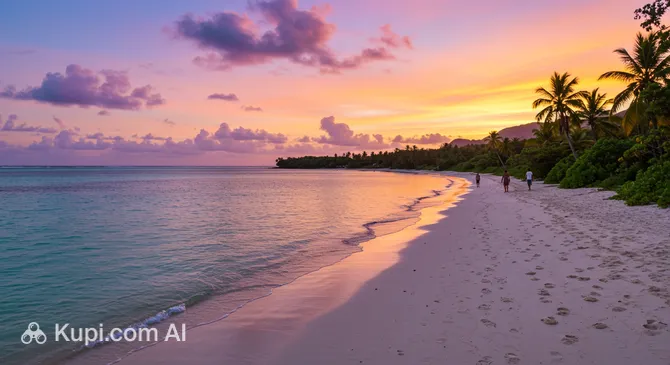
Welcome to Ouvea, a breathtaking atoll that is often affectionately called the "island closest to paradise." Located within the Loyalty Islands Province of New Caledonia, this destination is renowned for its spectacular beauty and serene atmosphere. The island is essentially a massive coral atoll, boasting a pristine lagoon that is part of a UNESCO World Heritage site, making it a dream location for nature lovers and those seeking absolute tranquility.

Geographically, the island forms a crescent shape, stretching from north to south with a landscape defined by endless beaches and coconut groves. With a modest population of approximately 3,400 residents, the community here is small and welcoming, preserving a distinct lifestyle that blends Melanesian and Polynesian influences. Visitors interested in the cultural evolution of this unique atoll can delve deeper into the history of Ouvea to understand the traditions that shape daily life here. The climate is generally tropical and pleasant, perfect for enjoying the outdoors year-round.

Ouvea. Source: Kupi.Binoculars

The island offers several unforgettable sights for travelers. The Mouli Bridge is perhaps the most iconic landmark, offering mesmerizing views of the water below where turtles, rays, and sharks can often be seen swimming in the crystal-clear channel. The Fayaoué Beach is another highlight, stretching for about 25 kilometers with uninterrupted white sand, while the dramatic Lekiny Cliffs provide a stunning contrast with their grey coral rock formations rising from the turquoise water.

Whether you are looking to disconnect from the world on endless beaches or explore vibrant marine life, Ouvea offers an idyllic escape. It is a place where time seems to slow down, inviting you to relax and soak in the natural splendor of the Pacific.

Weather Overview

Ouvea enjoys a pleasant tropical climate year-round, making it an inviting destination for beach lovers and outdoor enthusiasts. The temperatures remain fairly stable, creating a comfortable atmosphere for exploring the atoll's natural beauty. Generally, the island experiences a warmer, more humid season early in the year and a cooler, drier period from June to September.

The warmest months are typically February and March, where the average temperature reaches approximately 26.7°C. Travelers visiting during this time should be prepared for more frequent rainfall, as March can see up to 21 wet days. Conversely, the weather cools down slightly around August, with average temperatures dipping to about 22.0°C. This is also the driest time of the year, with August recording as few as 5 wet days, offering excellent conditions for uninterrupted sightseeing.

Expect warm temperatures with regular showers during the early months, transitioning to milder and significantly drier days in the middle of the year. For a more comprehensive breakdown of seasonal trends and to help plan your packing list, you can consult the detailed guide to the weather in Ouvea.

Interesting Facts

Beyond the postcard-perfect beaches and turquoise waters, Ouvea holds fascinating secrets that make it truly unique among the Loyalty Islands. This atoll is not just a scenic paradise but a sanctuary of rare biodiversity and a crossroads of distinct cultures.

  • Home to a Rare Green Parrot: The island is the only place on Earth where you can find the Ouvea Parakeet (Eunymphicus uvaeensis). This bright green bird with a distinctive crest is endemic to the island, and local conservation efforts have been crucial in protecting this vibrant symbol of Ouvea's wildlife.

  • A Polynesian Enclave: Unlike its neighbors, Ouvea has a strong Polynesian heritage interwoven with its Melanesian roots. Centuries ago, migrants from Wallis Island (known as Uvea) settled here, which is why two indigenous languages are spoken today: Iaai, a Kanak language, and Fagauvea, a Polynesian language.

  • The Secret to Crystal Clear Water: One of the reasons the lagoon is so incredibly transparent is the island's lack of rivers. Ouvea has no surface streams to carry sediment into the ocean; instead, fresh water is obtained from a natural underground lens that floats above the saltwater, keeping the surrounding sea pristine.

  • The Island of Coconut Oil: Ouvea is often referred to as the "copra capital" of the region due to its extensive coconut plantations. The island is home to a dedicated factory that processes coconuts into oil and soap, making these locally produced goods popular souvenirs for visitors.

How to Get There

Reaching the pristine shores of Ouvea is an adventure in itself, primarily involving a short scenic flight that offers your first glimpse of the stunning lagoon from above. Since the island is an atoll separated from the mainland, air travel is the most efficient and popular method for visitors. For a comprehensive guide on planning your journey, you can read more about how to get to Ouvea and the various transport options available.

The island is served directly by Ouvea Airport (UVE), which is conveniently located just 4.2 km from the center of the community. This small regional hub welcomes daily domestic flights, primarily from the main island of Grande Terre. Upon arrival, the transfer to most accommodations or the main village is quick and easy, taking approximately 25 minutes by shuttle or taxi. While the airport is small, handling around 70,000 passengers annually, it is the essential gateway for stepping directly onto this paradise.

For international travelers, the journey typically begins at Tontouta Airport (NOU) in Nouméa, which is the main international entry point for New Caledonia. Located about 154 km away from Ouvea, Tontouta does not offer direct flights to the Loyalty Islands. Instead, visitors must transfer to the domestic hub, Noumea Magenta Airport (GEA), also located in Nouméa. From Magenta, it is a spectacular 40-minute flight over the ocean to reach Ouvea. Tontouta is a large facility serving nearly half a million passengers a year, offering all major amenities before you head to the domestic terminal for your island hop.

For clarity, here is a summary of the main airports facilitating travel to the region:

Airport Name City Passenger Traffic Km from City
Tontouta Airport Nouméa Large 154.3
Noumea Magenta Airport Nouméa Large 177.7
Lifou Airport Lifou Medium 74.6
Mare Airport Mare Small 181.0
Ouvea Airport Ouvea Small 4.2

Main Attractions

Ouvea is a destination defined by its stunning natural features, from geological wonders to vibrant marine ecosystems. While the island is famous for its endless beaches, it also boasts specific landmarks that offer unique experiences for visitors. Here are some of the most captivating places to explore during your stay.

The Mouli Bridge is widely considered the jewel of the island. Connecting the main island of Ouvea to the smaller islet of Mouli, this bridge spans a pass where the lagoon's currents flow in and out. It serves as a natural, open-air aquarium where you can stand and observe an abundance of marine life without ever getting wet. Visitors flock here to watch sea turtles, majestic manta rays, and sharks swimming clearly in the turquoise waters below. It is also an exceptional spot to witness the sunset, as the colors of the sky reflect beautifully over the calm channel.

For a dramatic change in scenery, the Lekiny Cliffs (Falaises de Lékiny) offer a striking contrast to the island's flat landscape. Located in the south near the tribe of Lekiny, these towering grey coral limestone walls plunge directly into the lagoon. Over centuries, the ocean has carved caves and overhangs into the rock, creating a mysterious and photogenic coastline. The area is best explored with a local guide who can lead you to hidden grottos and explain the cultural significance of the site, or you can simply admire the view from the water while snorkeling in the nearby bay.

In the northern part of the island, near the village of Saint-Joseph, you will find the Hanawa Blue Hole (Trou Bleu d'Hanawa). This geological curiosity is a deep, circular sinkhole carved into the coral floor, filled with a mixture of sea and fresh water. The pool is renowned for its intense, deep blue color, which stands out vividly against the surrounding greenery and grey rock. It is a peaceful and intriguing spot that highlights the atoll's porous limestone structure, offering a perfect photo opportunity and a moment of quiet contemplation.

Another scenic highlight is the area of Tiberia, located at the northern tip of the island. A short walk here rewards travelers with a panoramic view over the "Pleiades," a chain of small islets and sandbanks that stretch out into the ocean. This viewpoint provides a different perspective of the atoll, showcasing the vastness of the lagoon and the intricate network of reefs that protect Ouvea from the open sea. It is an ideal location for a picnic or simply to breathe in the fresh Pacific breeze.

Local Cuisine

The gastronomy of Ouvea is a delightful reflection of its pristine environment, blending the fresh bounty of the lagoon with the island’s abundant agricultural resources. As you might expect from a destination often called the "island closest to paradise," seafood plays a starring role on almost every menu. The cuisine here is unpretentious yet incredibly flavorful, relying heavily on the catch of the day and organic produce grown in local tribal gardens. Since Ouvea is known as the "copra capital" of the region, coconut is a central ingredient that enriches nearly every dish with its creamy texture and sweet aroma.

A culinary journey here would be incomplete without trying the traditional Bougna. This emblematic Kanak feast consists of chicken, lobster, or fish combined with root vegetables like taro, yams, and sweet potatoes. The ingredients are generously bathed in fresh coconut milk, wrapped in banana leaves, and slow-cooked in a ground oven filled with hot stones, resulting in a tender and aromatic meal. Another local favorite is Salade Tahitienne, a refreshing starter made of raw fish "cooked" in lime juice and tossed with crunchy vegetables and coconut milk. You may also find the famous coconut crab (crabe de cocotier) served in local guesthouses, a rich and savory delicacy that is highly prized in the Loyalty Islands.

When it comes to beverages, the most authentic and refreshing option is undoubtedly fresh coconut water, often enjoyed straight from the nut just moments after it has been harvested. For those looking for alcoholic options, the strong French influence in New Caledonia ensures that good wine is readily available, often pairing excellent French vintages with fresh local seafood. You will also frequently encounter local beers such as Number One, a crisp lager that is a staple across the archipelago and perfect for sipping while watching the sunset over the lagoon.

The dining scene in Ouvea is intimate and community-focused rather than commercial. There are very few standalone restaurants or bustling markets; instead, most culinary experiences take place at gîtes (local lodgings) or tables d'hôte, where local families prepare meals for guests. This offers a wonderful opportunity to taste authentic home cooking and interact with residents in a relaxed setting. A crucial tip for visitors is the necessity to reserve your meals in advance—typically by the morning for that evening's dinner—to ensure hosts have enough time to catch or purchase fresh ingredients for your plate.

Travel Tips

Planning a trip to Ouvea is the start of an incredible adventure, but visiting a remote atoll requires a bit more preparation than a standard city break. To help you make the most of your time in this Pacific paradise, here are some practical tips to ensure your journey is as smooth and relaxing as the lagoon itself.

  1. Clothing and Gear: Pack lightweight, breathable clothing suitable for a tropical climate. While swimwear is essential for the beach, it is important to bring a sarong or cover-up, as walking around villages in swimwear is considered disrespectful. Reef shoes are highly recommended to protect your feet from sharp coral while swimming. Don't forget high-SPF, reef-safe sunscreen and a hat, as the sun can be very strong.
  2. Transportation: There is no public transport system like buses or metros on the island. The best way to get around is to rent a car, a scooter, or a bicycle. The single main road runs the length of the island and is flat, making cycling a pleasant option. However, rental vehicles are limited, so it is crucial to book your vehicle in advance before you arrive.
  3. Finances: The local currency is the Pacific Franc (XPF). While some hotels and larger guesthouses accept credit cards, cash is king on Ouvea. Small shops, snack bars, and local tours often only take cash. There is a limited number of ATMs (distributeurs), primarily located in the main village of Fayaoué, so it is wise to withdraw sufficient cash in Nouméa before flying to the island.
  4. Health and Safety: Ouvea is generally very safe, but medical facilities are limited to a dispensary in Fayaoué; serious cases are evacuated to Nouméa. Bring a basic first-aid kit and any personal prescription medications you need. Mosquitoes can be a nuisance, so pack effective insect repellent to protect against bites, especially in the evenings.
  5. Communication: The official language is French, and while locals also speak their indigenous languages (Iaai and Faga-Uvea), English is not widely spoken. Learning a few basic French phrases will go a long way. Wi-Fi is available in most lodgings but can be slow. For mobile data, consider buying a local SIM card (OPT) upon arrival in New Caledonia.
  6. Local Etiquette: Politeness is highly valued in Kanak culture. It is customary to greet everyone you pass with a friendly "Bonjour" or a wave. If you plan to visit specific tribal sites or camp on private land, you may need to perform a small gesture of "Coutume" (offering a small piece of textile and a nominal amount of money) to the tribal chief, though this is less common for casual tourists than on the main island.
  7. What to Avoid: Do not enter private properties or tribal lands without permission. Also, avoid taking photos of locals without asking first. It is important to respect the local lifestyle; for example, Sunday is a day of rest and worship, so avoid noisy activities near churches and villages.
  8. Dining Logistics: A unique aspect of travel in the Loyalty Islands is the need to plan your meals. Most guesthouses and small restaurants require you to reserve your dinner by the morning of the same day (or even the day before). If you don't book, you might find that no food has been prepared for you, as they cook based on the number of confirmed guests.

By keeping these simple tips in mind, you will be well-equipped to navigate the relaxed pace of island life. Ouvea is a place to disconnect and unwind, so embrace the "island time," respect the local traditions, and enjoy the unparalleled beauty of this unique corner of the world.

Entertainment & Nightlife

Travelers seeking a vibrant nightlife with pulsing nightclubs and neon-lit districts should be aware that Ouvea offers a very different kind of evening experience. The island is renowned for its tranquility, and when the sun sets, the pace of life slows down significantly. Nightlife here is not about loud music or crowded dance floors; rather, it is centered around quiet socialization, enjoying a meal under the stars, and sipping cocktails while listening to the gentle sound of the lagoon. The atmosphere is intimate and relaxed, perfect for couples and those looking to disconnect from the noise of the modern world.

The "entertainment scene" is almost exclusively found within the island's few hotels and guesthouses, which serve as the social hubs for both visitors and locals. Mouli and Fayaoué are the primary areas where you can find evening activity. The Paradis d'Ouvéa, located on the stunning Mouli point, is the most upscale venue on the island. Its bar offers a sophisticated yet laid-back setting where you can enjoy a glass of wine or a tropical cocktail while watching the sunset over the endless blue horizon. Another popular spot is Hôtel Le Beaupré in Fayaoué, which features a restaurant and bar area that often hosts a friendly mix of tourists and residents, providing a great opportunity to chat and learn more about local life.

Practicality is key when planning an evening out in Ouvea. Venues typically close early, often around 9:00 PM or 10:00 PM, so it is best to start your evening early. The dress code is universally casual; shorts, t-shirts, and sandals are the norm everywhere. Prices for drinks are comparable to mainland New Caledonia, with a beer costing around 600-900 XPF and cocktails slightly more. Since credit card machines can be unreliable due to connectivity issues, it is highly advisable to carry sufficient cash for your evening expenses.

Transportation and safety require special attention after dark. There are no taxis or public transport services available at night. If you plan to drink, you must have a designated driver or, ideally, stay at the venue where you are dining. Walking along the roads at night is safe in terms of crime, but the lack of street lighting makes visibility very poor. It is essential to carry a torch or use your phone's flashlight to avoid tripping or stepping on sharp coral. Additionally, be vigilant for stray dogs and horses that often wander onto the roads after sunset.

While the nights are quiet, daytime entertainment in Ouvea is centered around its spectacular natural environment. Visitors spend their days exploring the outdoors rather than visiting museums or amusement parks. Activities include snorkeling in the crystal-clear lagoon, organizing picnics on the immaculate white sands of Fayaoué, or taking guided tours to see the shark nursery near the Mouli Bridge. For a touch of culture, visiting the small local markets in the morning offers a glimpse into the community's daily rhythm before the peaceful evening sets in.

Parks & Museums

In Ouvea, the concept of a museum or a park is redefined by the island's geography and lifestyle. You will not find manicured city gardens or sprawling museum complexes here; instead, the entire atoll serves as an open-air sanctuary where nature is the exhibit and the culture is lived daily. The "green spaces" are wild, untouched coconut groves and beaches, while the "museums" are the living traditions and small community sites that showcase the island's heritage.

The most significant natural area is undoubtedly the Ouvea Lagoon, which is part of the lagoons of New Caledonia designated as a UNESCO World Heritage site. It functions as a vast marine park, protecting a rich diversity of coral and fish species. For those who prefer land-based exploration, the coconut plantations that cover much of the island act as a natural forest park. Walking or cycling through these shaded groves offers a peaceful retreat and a glimpse into the island's primary agricultural industry, copra production.

While traditional museums are scarce, the Coconut Oil Distillery (Huilerie d'Ouvéa) in the village of Wadrilla offers a fascinating industrial and cultural experience. This facility processes the island's abundant coconuts into oil and soap. Visitors can often see the transformation process and learn about the economic importance of the "green gold" to the local population. It is a unique stop that combines local history with practical craftsmanship, and the small shop on-site allows you to purchase authentic, locally made products.

For historical and architectural interest, the Mouli Church is a standout landmark. Built in the late 19th century, this charming stone edifice sits near the bridge and offers a glimpse into the missionary history of the Loyalty Islands. Its white facade contrasts beautifully with the tropical greenery and the blue of the nearby lagoon, making it a favorite subject for photographers. In the north, the Church of Saint-Joseph is another notable site, known for its unique wooden ceiling that resembles the hull of an overturned ship, reflecting the maritime connection of the islanders.

For a truly authentic experience, look out for the traditional Great Huts (Grandes Cases) located within the tribal villages. While these are private residences of the chiefs and not public museums, they are architectural masterpieces of Kanak culture, built with wood and straw in a conical shape. Viewing them from the road offers an appreciation of the traditional construction techniques that have been passed down for generations. Always remember to respect privacy and ask for permission if you wish to take photos near tribal lands.

Getting Around

Travelers arriving in Ouvea should immediately set aside expectations of a bustling urban transit network; there are no subways, trams, trolleybuses, or scheduled public bus fleets on this peaceful atoll. Due to the small population of approximately 3,400 residents and the island's remote nature, the "public transport" system is virtually non-existent for tourists. The infrastructure is designed for a quiet island lifestyle rather than mass transit, meaning visitors must rely on alternative methods to explore the stunning landscape.

While you may occasionally see buses on the road, these are almost exclusively reserved for school transportation or specific community events and do not operate on a timetable suitable for sightseeing. There are no bus stops, route maps, or transport apps to download. Consequently, there is no ticketing system, travel pass, or validation machine to worry about. The island operates simply, and the concept of a "zone" or "transfer ticket" does not apply here.

The most practical and popular alternative—and essentially the only way to explore independently—is renting a vehicle. Rental cars, scooters, and bicycles are the primary mode of transport for visitors. The island has one main road that runs from north to south, making navigation incredibly straightforward and impossible to get wrong. Bicycles are particularly favored given the flat terrain, allowing tourists to enjoy the ocean breeze at a leisurely pace. However, the supply of vehicles is limited, so it is highly advisable to book your rental well in advance of your arrival, ideally at the same time you book your accommodation.

For airport transfers, there is no public shuttle service. Instead, transport is typically arranged directly through your accommodation (gîte or hotel) or via private minibus operators who meet flights. These transfers are often shared with other guests. "Taxis" in the traditional sense are rare and do not cruise the streets looking for fares; any private transport must be pre-arranged by phone or through your host.

Regarding payment, cash is the absolute rule for transport services in Ouvea. Whether you are paying for a pre-booked shuttle, renting a bike for the day, or contributing to a shared ride, you will need Pacific Francs (XPF). Credit cards are rarely accepted for small transport transactions, and there are no digital payment platforms. Always carry sufficient change, as drivers may not have large amounts of cash on hand.

A unique "transport" feature of the Loyalty Islands is the widespread practice of hitchhiking, locally known as "le pouce." It is a common and socially accepted way for locals to get around. While not a formal system, friendly residents often pick up walkers trekking along the main road. If you choose to try this, it is polite to engage in conversation and perhaps offer a small coin or a simple "merci" for the driver's kindness, though it is never guaranteed as a reliable way to catch a flight or a tour.

Accommodation

Accommodation in Ouvea offers a peaceful and authentic experience, far removed from the high-rise developments of mass tourism. The options are relatively limited, preserving the island's natural charm. Visitors can primarily choose between a small selection of comfortable hotels or immerse themselves in local culture by staying in gîtes (tribal lodgings). These family-run establishments range from simple traditional huts and camping spots to comfortable bungalows, offering a unique opportunity to connect with the residents and experience the "real" Loyalty Islands lifestyle.

The choice of location largely depends on your budget and the type of experience you seek. The southern tip of the island, particularly Mouli, is the most picturesque and popular area, renowned for its breathtaking white sand beaches and the famous bridge. This area is ideal for those seeking postcard-perfect views and a touch of luxury. Alternatively, the central district of Fayaoué offers greater convenience, being closer to the airport, the few local shops, and the administrative center of the island, making it a practical base for exploring both the north and south.

For travelers seeking hotel-standard amenities, options are sparse but welcoming. The Paradis d'Ouvéa is widely considered the island's premier resort, located in Mouli. It features bungalows set directly on the beach or in the gardens, offering a blend of comfort and stunning scenery. Another well-known option is Hôtel Le Beaupré, situated in Fayaoué. This establishment provides a more modest but comfortable stay, convenient for those who want easy access to the center of the island and the main road.

Booking accommodation in Ouvea requires some foresight. Due to the limited number of rooms on the island, it is highly recommended to book well in advance, especially if you plan to visit during school holidays or the peak season. Prices tend to be on the higher side compared to the mainland, reflecting the remote location. While the main hotels may accept credit cards, many smaller gîtes and tribal accommodations only accept cash (Pacific Francs), so ensure you withdraw sufficient funds in Nouméa before your arrival. Additionally, always confirm your dining arrangements when booking, as meals are often prepared strictly on request.

Nearby Cities

While Ouvea offers a secluded escape, it is situated within a region rich in diverse landscapes and experiences. For travelers wishing to expand their journey, there are several fascinating neighboring destinations that contrast beautifully with the quiet atoll lifestyle.

Lifou is the closest neighbor in the Loyalty Islands archipelago and offers a captivating change of scenery. As the largest and most populous island of the group, it features a varied terrain of dramatic limestone cliffs, dense forests, and vanilla plantations. It provides a wonderful opportunity to experience a different facet of Kanak culture and explore impressive natural sites like the Jokin Cliffs and the pristine Luengoni Beach.

Nouméa, the capital, stands in stark contrast to the isolation of the outer islands. Known as the "Paris of the Pacific," it offers a vibrant urban experience with French-influenced architecture, chic boutiques, and a lively culinary scene. Visitors can explore the famous Place des Cocotiers, visit the Aquarium des Lagons to see the marine life found in the region, or discover the architectural marvel of the Tjibaou Cultural Centre.

City Population Distance (km)
Nouméa 182341 179
Dumbea 35873 167
Mont-Dore 27620 178
Paita 24563 165
Lifou 9000 80

These destinations highlight the diversity of the region, ranging from bustling urban centers to rugged island landscapes.

Shopping & Souvenirs

Shopping in Ouvea is a reflection of the island's laid-back, authentic lifestyle. Visitors should adjust their expectations before arriving: there are no shopping malls, luxury boutiques, or sprawling commercial districts here. Instead, the shopping experience is intimate and functional, focused primarily on daily essentials and unique, locally crafted souvenirs. It is an opportunity to engage with the community and purchase goods that directly support the local economy.

The main hub for any commercial activity is the village of Fayaoué, located in the center of the island. This is where you will find the few general stores, a gas station, and the post office. Stretching along the main road, these small shops, often referred to as "magasins," stock everything from food and beverages to basic beach gear and toiletries. While the selection is limited compared to the mainland, you can find all the necessary supplies for a comfortable stay, including French wines and fresh bread.

Travelers looking for large shopping complexes will not find them on this atoll. Ouvea does not have shopping malls or department stores. The retail landscape is dominated by small, family-run businesses and "superettes" that serve the local population. If you require specific brands, specialized equipment, or extensive pharmacy items, it is highly advisable to purchase these in New Caledonia's capital, Nouméa, before flying to the island.

Markets in Ouvea are less about formal structures and more about spontaneous, fresh offerings. You will often see small roadside stalls along the main road where locals sell seasonal fruits like papayas, bananas, and coconuts, as well as freshly caught fish. These stalls operate on an honor system or have the owner nearby. There is also a small market area in Fayaoué, particularly lively on Wednesday and Friday mornings, where you can buy fresh produce and occasionally prepared food. It is a colorful and friendly place to meet residents and taste the island's natural bounty.

When it comes to souvenirs, Ouvea offers some distinct local treasures. The island is famous for its coconuts, and the Coconut Oil Distillery (Huilerie d'Ouvéa) in Wadrilla is the best place to shop for gifts. Here, you can buy high-quality coconut oil and locally made soaps that are renowned throughout the archipelago. Other popular items include hand-dyed pareos (sarongs), woven baskets made from pandanus leaves, and intricate wood carvings created by local artisans. These items are typically sold in small stands near tourist sites or directly from the artisans' homes.

Store hours in Ouvea follow a traditional island rhythm. Shops typically open early, around 7:30 AM, but almost all close for a long lunch break (siesta) from approximately 11:30 AM to 2:00 PM or 3:00 PM. They then reopen until the early evening, usually closing by 6:00 PM or 7:00 PM. On Sundays and public holidays, most shops are closed or have very limited morning hours.

Regarding payment, cash is absolutely essential. While the main general store in Fayaoué may accept credit cards, the vast majority of roadside stalls, small souvenir stands, and tribal shops operate exclusively with the Pacific Franc (XPF). There is a limited number of ATMs on the island, primarily located at the post office and bank branch in Fayaoué, so carrying sufficient cash for your shopping needs is strongly recommended.

Tax-free shopping is not a relevant concept for the small-scale retail environment of Ouvea. The tax refund schemes available for tourists in New Caledonia are generally processed at the international airport in Nouméa for goods purchased in larger, registered stores on the main island. On Ouvea, prices are fixed, inclusive of all taxes, and bargaining is not a customary practice.
Reached the end of the page?

That means the route is fully explored