Support

Mare

About

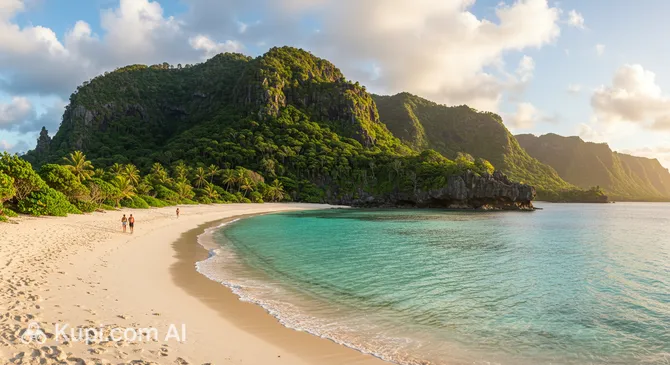
Mare is a captivating destination that offers a perfect blend of rugged natural beauty and serene landscapes. As the second-largest of the Loyalty Islands, it is often described as the most "wild" and authentic, featuring dramatic coral cliffs that plunge into the ocean and lush interior forests. Visitors are immediately drawn to its tranquil atmosphere, where the pace of life is dictated by nature rather than the clock.

Mare. Source: Kupi.Binoculars

Geographically, this raised coral atoll is situated in the eastern part of New Caledonia. With a population of approximately 5,600 inhabitants, the island maintains a close-knit community feel while offering vast open spaces for exploration. The climate is generally tropical and pleasant, making it an ideal year-round getaway for those seeking sun and sea.

The island is deeply rooted in tradition, and exploring the history of Mare reveals a rich tapestry of Kanak culture and legends. One of the most famous spots is the Warrior's Leap (Le Saut du Guerrier), a breathtaking gap in the cliffs associated with local folklore. Nature lovers will also be enchanted by the Natural Aquarium, a protected pool teeming with colorful fish and coral, and the stunning Yejele Beach, often cited as one of the most beautiful beaches in the archipelago.

Whether you are looking to snorkel in crystal-clear waters, hike through ancient coral forests, or simply relax on pristine white sands, Mare promises an unforgettable experience. It is a place where you can truly disconnect and immerse yourself in the raw beauty of the South Pacific.

Weather Overview

The climate in Mare is generally tropical and inviting, making it a comfortable destination for travelers throughout the year. To help you plan your activities around the local conditions, it is helpful to review the current weather in Mare before your arrival.

Temperatures remain fairly consistent, with the warmest weather occurring between January and March, where averages hover around 26°C and daily highs can reach 27.6°C. This period coincides with the rainy season, particularly in March, which can see up to 21 wet days. Conversely, the cooler months from June to September offer refreshing averages near 21°C and significantly drier skies, with August typically experiencing the lowest temperatures around 20.3°C.

Interesting Facts

Beyond the main attractions, Mare holds many fascinating secrets concealed within its raised coral landscape and deep forests. This "wild" island is not just about scenic views; it is a place of geological marvels and rich agricultural traditions that surprise many visitors.

  • The Avocado Capital: Surprisingly, this coral island is famous for producing the best avocados in New Caledonia. The fruit is so central to local culture that an annual Avocado Festival is held every May in the Nece tribe, attracting thousands of visitors to celebrate the harvest with giant markets and tastings.

  • A Land Without Rivers: Mare has no rivers or streams on its surface. The island is essentially a massive honeycomb of fossilized coral, so rainwater filters instantly into the ground. This geological quirk creates spectacular freshwater sinkholes like the Trou de Bone, a 40-meter-deep cavity where banyan roots stretch all the way down to drink from the underground lens.

  • The Natural Aquarium's Taboo: While the Natural Aquarium near Tadine looks like an inviting swimming hole, entering the water is strictly forbidden. It serves as a protected nursery for fish and sea turtles that get trapped during high tides, and the local ban on swimming ensures the ecosystem remains pristine and undisturbed.

  • A 7-Meter Leap of Faith: The legend of the Warrior's Leap (Le Saut du Guerrier) is based on a specific, terrifying feat. According to oral history, a warrior cornered by enemies escaped by jumping across a jagged gap in the cliffs that measures nearly 7 meters wide—a distance that leaves modern visitors dizzy just looking at it.

How to Get There

Reaching this serene island is an integral part of the adventure, offering travelers a chance to witness the stunning archipelago from above or across the sea. While the island feels wonderfully remote, it is well-connected to the main island of New Caledonia. For a comprehensive overview of schedules and transport options, you can read more about how to get to Mare.

The most direct and convenient way to arrive is by flying into Mare Airport (MEE). Located just 4.4 km from the center of the community, this small but efficient airport welcomes daily flights. Once you land, the transfer to your accommodation or the main village is very quick, typically taking about 15 to 25 minutes by taxi or hotel shuttle. With an annual passenger traffic of around 75,000 people, the airport is accustomed to visitors and offers a relaxed entry point to the island.

Since Mare is an outer island, most international travelers will first touch down in the capital and then transfer. You will likely take a domestic flight from Noumea Magenta Airport (GEA), located in the city of Nouméa, approximately 179 km away from Mare. As the primary domestic hub for the region, Magenta Airport handles the majority of inter-island traffic, making it the essential jumping-off point for your journey to the Loyalty Islands.

For clarity, here is a summary of the main airports serving the region:

Airport Name City Passenger Traffic Km from City
Noumea Magenta Airport Nouméa High 178.8
Lifou Airport Lifou Medium 111.8
Ile Des Pins Airport Isle of Pines Medium 133.6
Mare Airport Mare Medium 4.4
Ouvea Airport Ouvea Medium 175.5

Main Attractions

The Natural Aquarium (Aquarium Naturel) is arguably the most mesmerizing site on the island. Located just south of Tadine, this natural pool is carved into the coral rock and separated from the open sea by a rock wall that allows fresh seawater to cycle through with the tides. It is a sanctuary for a vibrant variety of fish and corals, offering visitors a crystal-clear view of marine life from the edge. While swimming is strictly prohibited to protect the ecosystem, the visual spectacle of the turquoise water against the dark coral makes it a photographer's paradise.

For those seeking dramatic landscapes, Warrior's Leap (Le Saut du Guerrier) near Wakone is an essential stop. This landmark features precipitous cliffs that drop 30 meters straight into the churning ocean below. The attraction is named after a legendary gap in the cliff edge, about seven meters wide, which a local warrior is said to have jumped to escape his enemies. The site offers breathtaking views of the coastline and the raw power of the Pacific waves crashing against the limestone walls.

Yejele Beach is widely considered the finest stretch of sand on Mare and one of the best in the entire archipelago. Famous for its blindingly white sand and calm, translucent blue waters, it is the perfect location for swimming and snorkeling. The beach is protected by a coral reef, ensuring gentle conditions that are ideal for families and relaxation. On days when cruise ships arrive, the area comes alive with local stalls selling fresh coconuts and island crafts, but it remains a serene escape on quieter days.

Nature enthusiasts looking for a rugged adventure should explore the Shabadran Terraces. Accessible only by a guided hike, this area showcases the island's wild beauty with a series of coral terraces that step down towards the sea. The landscape is a unique mix of sharp coral formations, blowholes, and fossilized structures, offering a stark contrast to the soft sandy beaches elsewhere. The trek provides a genuine connection to the island's geological history and offers spectacular, unobstructed views of the ocean.

Another geological marvel is the Trou de Bone, a massive limestone sinkhole that reveals the island's hollow interior. This circular chasm is filled with lush tropical vegetation and banyan trees that hang deep into the pit to reach the freshwater lens below. It is a quiet, almost mystical site that demonstrates the unique "gruyere cheese" structure of the island, where fresh water is found in underground caves rather than surface rivers.

Local Cuisine

The cuisine of Mare reflects its reputation as the "market garden" of the Loyalty Islands. The island's fertile soil produces an abundance of root vegetables and fruits, which form the backbone of local gastronomy. Visitors can expect hearty, organic meals where the ingredients are often harvested just hours before being served. The culinary style is a delightful blend of traditional Kanak methods and French influences, focusing on freshness rather than complex preparation.

The undisputed star of the local table is the Bougna, a traditional Melanesian feast that is as much a cultural ritual as it is a meal. It typically consists of chicken, fish, or lobster combined with yams, taro, and sweet potatoes, all marinated in fresh coconut milk. The ingredients are wrapped in banana leaves and slow-cooked over hot stones in an earth oven, resulting in tender, aromatic flavors. Seafood lovers should also seek out the island's renowned lobster and the impressive coconut crab, often prepared simply to highlight their natural sweetness. Additionally, Mare is famous for its exceptional avocados, known for their large size and buttery texture, which are a staple during the harvest season.

When it comes to beverages, the options are refreshing and tropical. Fresh coconut water is widely available and serves as the perfect thirst-quencher in the warm climate. For something stronger, the French influence is evident in the availability of wines and beers, which are commonly enjoyed with dinner. While kava is a significant part of Kanak custom and ceremonial life, casual visitors are more likely to encounter fresh fruit juices made from seasonal harvests like passion fruit, mango, or papaya.

The dining scene on Mare is intimate and community-oriented, differing significantly from typical tourist destinations with large restaurant strips. The best way to experience authentic local flavors is through a table d'hôte (hosted meal), where local families open their homes to serve traditional dishes to guests. This offers not only delicious food but also a warm connection with the residents. For a quick bite, small roadside stands known as "snacks" offer sandwiches and simple plates. Visitors should also explore the market in Tadine on Tuesday and Friday mornings to see the vibrant array of produce and pick up fresh fruit for a picnic.

Travel Tips

Welcome to Mare, a destination where raw natural beauty meets deep-rooted traditions. To help you navigate the "wild" island with ease and respect for the local way of life, here are some practical tips for your journey.

  1. Clothing and Gear: The climate is tropical, so lightweight, breathable fabrics are best. However, evenings can get cool, especially from June to September, so bring a light sweater or windbreaker. Reef shoes are absolutely essential here, as the coral can be sharp and many swimming spots are rocky. When visiting villages or tribes, modest dress is required; avoid walking around in swimwear outside of the beach.

  2. Transportation: There is no public metro or extensive bus network for tourists. The sights are scattered across the island, so renting a car or scooter is the most practical option to explore at your own pace. Hitchhiking is also very common and safe here, often leading to friendly encounters with locals. Be sure to book your vehicle in advance, as supply can be limited.

  3. Finances: The local currency is the Pacific Franc (XPF). While major hotels and car rental agencies accept credit cards, cash is king elsewhere. You will need cash for roadside stalls, local markets, and small snacks. ATMs are limited, primarily found in the main village of Tadine, so it is wise to withdraw sufficient funds upon arrival.

  4. Health and Safety: Mare is generally very safe, but medical facilities are limited to a dispensary/medical center in Tadine. Pharmacies are not open 24/7, so bring a personal first-aid kit with essentials like painkillers, antiseptics, and any prescription medication. Insect repellent is a must to protect against mosquitoes, especially in the evenings.

  5. Communication: French is the official language, and the local Kanak language, Nengone, is widely spoken. English is not commonly spoken outside of major tourist accommodations. Learning a few basic phrases in French, such as "Bonjour" (Hello) and "Merci" (Thank you), will go a long way. A translation app that works offline is a useful tool to have on your phone.

  6. Local Etiquette: Respect is paramount in Kanak culture. If you are visiting a tribe or a specific site located on tribal land, it is customary to perform "La Coutume"—a small gesture of offering a gift (usually a piece of fabric called a manou and a small amount of money) to the chief or landowner to ask for permission. Always ask before taking photos of people.

  7. What to Avoid: Never swim in areas marked as "Taboo," such as the famous Natural Aquarium. These bans are strictly enforced to protect the ecosystem and respect local beliefs. Additionally, do not wear hats or sunglasses when greeting a tribal chief or elder, as this is considered disrespectful.

  8. Planning Your Meals: Life on Mare moves at a relaxed pace. Shops and the few restaurants often close for a long lunch break (siesta) and shut early in the evening. On Sundays, almost everything is closed. It is a good idea to buy snacks and water beforehand or order your dinner at your guesthouse (table d'hôte) in advance.

By keeping these simple guidelines in mind, you will find that the people of Mare are incredibly welcoming and eager to share their island's magic with you. Embrace the slower pace, respect the customs, and enjoy the unique tranquility of this Pacific gem.

Entertainment & Nightlife

Travelers arriving in Mare with expectations of a bustling nightlife scene will quickly discover that the island marches to a different beat. The concept of evening entertainment here is defined by tranquility, connection with nature, and intimate social gatherings rather than neon lights or thumping bass. The nightlife is incredibly low-key, reflecting the peaceful lifestyle of the Kanak people. Most activity winds down shortly after sunset, making it the perfect destination for those who appreciate silence, stargazing, and early nights to prepare for the next day's adventures.

The hub of social activity, such as it is, can typically be found in Tadine, the island's main village and port area. However, do not expect a district of clubs or late-night pubs. Instead, the evening atmosphere is centered around a few local "snacks" (small eateries) that may stay open for an early dinner. The crowd is a mix of locals catching up and visitors soaking in the slow pace. The dress code is universally casual; shorts and sandals are the norm, though a light sweater is recommended for the cooler evening breeze.

For a more conventional evening out, the Nengone Village Hotel located in the Cheden area is the primary venue. As one of the island's main accommodation providers, its bar and restaurant serve as a gathering point for tourists and expatriates. Here, you can enjoy a glass of wine or a local beer in a comfortable setting, often accompanied by the sound of waves crashing nearby. Occasionally, the hotel hosts local music bands or traditional dance performances, offering a glimpse into the island's vibrant culture in a relaxed setting.

Another option for an authentic experience is to look out for community events. While there are no permanent nightclubs, the local tribes sometimes organize fundraising evenings, bingos, or kermesses (fairs) that welcome visitors. These events are sporadic but offer a warm, festive atmosphere with music and food. Asking your host or the reception desk about any "animations" happening during your stay is the best way to find these hidden gems.

Practical planning is essential for any night out in Mare. Transportation after dark is virtually non-existent. There are no night buses, and finding a taxi without a prior booking is impossible. If you plan to dine away from your accommodation, you must arrange a return transfer with your host or the restaurant in advance. Prices for drinks and food are comparable to mainland New Caledonia, with a beer or glass of wine costing around 500-800 XPF.

Safety is generally not a major concern for pedestrians, as the island is very safe. However, the lack of street lighting outside the main village means you should always carry a torch or use your phone's flashlight. Be cautious of stray dogs, which can be more active at night. It is advisable to stick to the grounds of your accommodation or designated venues rather than wandering the dark roads.

During the daylight hours, entertainment on Mare shifts focus to cultural and natural immersion. While you won't find amusement parks or large theaters, the Market in Tadine (Marché de Tadine) offers a lively spectacle on Tuesday and Friday mornings, serving as the island's social heart. For a dose of history and art, visitors can seek out the Cultural Center Yeiwene Yeiwene, which occasionally hosts exhibitions and events celebrating the heritage of the Loyalty Islands.
Parks & Museums

While Mare may not feature the manicured city parks or sprawling museum complexes found in major metropolises, the entire island serves as a magnificent open-air sanctuary of nature and living history. The "green spaces" here are wild, untouched forests and secluded coves, while the "museums" are the ancient archaeological sites and cultural centers that preserve the soul of the Kanak people.

One of the most enchanting natural areas is Pede Beach (Plage de Pede), located on the northern coast. Unlike the more famous Yejele Beach, Pede is often deserted, offering a sense of complete isolation amidst nature. Accessible via a short walk through a dense tropical path, the beach features powdery white sand flanked by coral cliffs. It is a perfect spot for a quiet picnic or snorkeling in the shallow, turquoise lagoon, where the marine life is abundant and undisturbed.

For a different perspective on the island's geology, the area around La Roche (The Rock) acts as a dramatic natural park. Dominated by a massive block of raised coral that towers over the sea, this site offers panoramic views of the coastline and the vast Pacific Ocean. The surrounding vegetation is a mix of hardy coastal shrubs and towering pines, providing a rugged backdrop for hikers and photographers who want to capture the raw power of the Loyalty Islands' landscape.

In terms of cultural institutions, the Yeiwene Yeiwene Cultural Center stands as the island's primary venue for artistic and historical expression. Located near the coast, the center is a hub for the preservation of local traditions, hosting exhibitions, workshops, and events that celebrate the Nengone language and Kanak heritage. It serves as a vital gathering place where visitors can learn about the social structure, customary arts, and the oral histories that define the community's identity.

Another site that functions as an impressive open-air museum is the Fortifications of Hnaenedre. These ancient coral block walls, dating back to pre-European times, are a testament to the island's warrior past. Walking through this archaeological site allows travelers to visualize the monumental efforts of early inhabitants who constructed these defenses without mortar. The site offers a fascinating glimpse into the centuries-old history of the archipelago and the complex social organizations of the ancient clans.

Among the historical and architectural landmarks, the Church of La Roche is particularly striking. Built entirely from cut coral blocks and lime, this architectural marvel was constructed by missionaries and local laborers in the mid-20th century. Its fortress-like appearance contrasts beautifully with the tropical surroundings, and it remains an active place of worship that symbolizes the intersection of local faith and colonial history.

For a truly authentic experience, visitors should seek out the Leper's Cave (Grotte des Lépreux) near the tribe of Tenane. While the name is somber, recalling a time when the sick were isolated here to prevent the spread of disease, the site is historically significant. Today, it is a peaceful spot that tells a poignant story of the island's past resilience. Additionally, exploring the interior forests often leads to wild vanilla plantations, where you can see how this "black gold" is cultivated in harmony with the natural undergrowth.

Getting Around

Navigating Mare requires a shift in mindset from typical urban travel, as the island does not possess a conventional public transport system. Visitors will not find subways, trams, or a scheduled municipal bus network designed for sightseeing. Instead, getting around is characterized by independence and planning, with the island's infrastructure reflecting its relaxed, rural nature rather than the needs of mass tourism.

While there are buses on the island, they primarily serve the local population and school children. These services operate on specific schedules aligned with school hours or market days and do not function as a reliable means for tourists to visit attractions. There are no travel passes, transport apps, or magnetic cards to purchase. If you do manage to catch a local shuttle, payment is strictly in cash, and the fare is nominal, usually a few hundred francs.

For most travelers, taxis and private transfers are a common way to move between the airport, accommodation, and major sites. However, these are not taxis that can be hailed on the street. You must book them in advance, usually through your hotel or guesthouse. Drivers often operate as tour guides as well, offering half-day or full-day island tours. It is highly advisable to arrange your airport transfer before you arrive, as there is no guarantee of finding a car waiting at the terminal.

The most popular and practical alternative for exploring the island is renting a vehicle. Several local agencies offer cars and scooters, allowing you the freedom to reach secluded beaches and distant cliffs at your own pace. Given the limited number of vehicles available on the island, booking your rental weeks or even months in advance is crucial, especially during holiday periods. Bicycles are also available for rent at some accommodations, offering an eco-friendly way to see the immediate surroundings, though the island's size makes cycling the entire perimeter a challenge for casual riders.

A unique and widely accepted "transport mode" on the island is hitchhiking, locally known as "la levée." It is considered a standard way to get around and is generally safe and culturally accepted. Locals are often happy to pick up pedestrians and share stories during the ride. If you choose this method, it is polite to offer a small coin or simply a warm conversation in exchange. Regardless of how you choose to travel, always carry sufficient cash (Pacific Francs), as electronic payment methods are rarely available for transport services.

Accommodation

Finding accommodation in Mare is less about browsing through hundreds of options on a booking site and more about choosing the type of experience you wish to have. The island does not feature high-rise luxury resorts or international hotel chains. Instead, the accommodation landscape is defined by its authenticity, ranging from a solitary established hotel to a variety of charming tribal homestays (accueil en tribu). This limited selection ensures that tourism remains sustainable and intimate, allowing visitors to connect deeply with the local environment and culture.

For travelers seeking modern comforts and amenities, the options are concentrated but high in quality. The primary hotel on the island is the Nengone Village, located in the Cheden area on the south coast. Nestled within a coconut grove overlooking the ocean, it offers private bungalows and hotel-style services, including a restaurant and swimming pool. This area is particularly popular for couples and families looking for a relaxing base with easy access to the sea, where the sound of the waves provides a constant, soothing soundtrack.

However, the true heart of Mare's hospitality lies in its tribal accommodations. Scattered across the island, often near major attractions like Yejele Beach or within the lush interior forests, these stays offer a unique opportunity to sleep in a traditional Kanak hut (case) or a simple bungalow. Staying within a tribe allows you to experience the local rhythm of life firsthand. These locations are not just places to sleep; they are cultural exchanges where you often share meals with your hosts and learn about their customs. While facilities in these lodgings are generally modest, with shared bathrooms and cold water being common, the warmth of the welcome makes up for the simplicity.

A crucial tip for booking accommodation on Mare, especially for tribal stays, is to plan your meals in advance. Most guesthouses and small lodgings are located far from restaurants or shops, and they typically cook dinner only upon request. It is highly recommended to reserve your "table d'hôte" dinner at the same time you book your room to ensure your hosts can prepare fresh local ingredients for your arrival.

In terms of pricing, Mare is generally affordable compared to the main island of New Caledonia, though costs can vary. Tribal stays fall into the budget to mid-range category, making them accessible for backpackers and adventurous travelers. The hotel experience is priced as a mid-range to upper-mid-range option. While the hotel can be booked via major online platforms, most tribal accommodations rely on direct bookings by phone or email. Furthermore, be prepared to pay in cash (Pacific Francs) for your stay at smaller guesthouses, as credit card facilities are rarely available outside the main hotel establishment.

Nearby Cities

For those looking to explore the surroundings, Mare serves as an excellent base for day trips to several interesting nearby locations:

City Population Distance (km)
Nouméa 182,341 183
Dumbea 35,873 176
Mont-Dore 27,620 170
Paita 24,563 184
Lifou 9,000 99

Lifou is the closest neighbor and the largest of the Loyalty Islands, making it a natural choice for an island-hopping adventure. Located just under 100 km away, it offers a landscape that rivals Mare in beauty but with its own distinct character. Visitors are often drawn to the spectacular Jokin Cliffs and the pristine expanse of Luengoni Beach. As the administrative center of the province, Lifou provides a slightly more bustling atmosphere while maintaining the relaxed island charm, allowing travelers to experience a different facet of Kanak culture.

For a complete change of pace, a trip to Nouméa brings you to the vibrant heart of the archipelago. As the capital city, it offers a cosmopolitan mix of French sophistication and Melanesian warmth. Travelers can spend the day exploring the renowned Tjibaou Cultural Centre, shopping in chic boutiques, or dining at fine French restaurants along the bays. The contrast between the wild, quiet nature of Mare and the urban energy of Nouméa makes for a fascinating comparison of lifestyles within the same country.

These nearby destinations offer a glimpse into the diverse culture and landscapes of the region.

Shopping & Souvenirs

Shopping:

Shopping in Mare is a reflection of the island's authentic and unhurried lifestyle. Travelers should not expect sprawling shopping malls, designer boutiques, or extensive souvenir strips. Instead, the retail experience here is intimate, local, and centered around fresh produce and traditional craftsmanship. It offers a unique opportunity to engage directly with the community and discover the island's natural bounty.

The heartbeat of local commerce is undoubtedly the Tadine Market (Marché de Tadine). Located near the port in the island's main village, this colorful market typically comes alive on Tuesday and Friday mornings from 6:00 AM to 11:00 AM. It is the best place to mingle with locals and purchase the freshest ingredients. The stalls are laden with seasonal tropical fruits, root vegetables like yams and taro, and freshly caught seafood, including the island's famous rock lobsters and crabs.

For visitors looking to take a piece of the island home, the market and small roadside stalls are excellent places to find local specialties. Mare is renowned throughout New Caledonia for its exceptional avocados, which are large, buttery, and abundant during the harvest season (usually around May). Other edible souvenirs include jars of rich local honey and aromatic vanilla beans cultivated in the island's interior forests. These items make for delicious and authentic gifts that support the local economy.

Handicrafts are another highlight of shopping on the island. Local artisans, particularly the women of the tribes, are skilled in weaving. You can find beautifully crafted bags, mats, and hats made from pandanus or coconut leaves. Sculptures carved from local wood, such as sandalwood or gaiac, are also popular, often depicting traditional Kanak totems or marine life. Additionally, visitors might find the colorful "Mission dresses" (Robe Mission), which are the traditional attire of Kanak women and represent a significant part of the local cultural identity.

For daily essentials, there are a few general stores (magasins) and small supermarkets located primarily in Tadine and La Roche. These shops stock basic groceries, toiletries, and beverages. It is important to note that opening hours can be limited, often pausing for a long lunch break (siesta) between 11:30 AM and 2:00 PM. Furthermore, cash is essential for almost all purchases outside of the main hotel. Very few market stalls or small shops accept credit cards, so ensure you have sufficient Pacific Francs (XPF) on hand before heading out to shop.

Reached the end of the page?

That means the route is fully explored