Support

Museum of Waitangi

About

On the picturesque coast where the fate of an entire nation was decided, you will find the Museum of Waitangi. Officially known as Te Kōngahu Museum of Waitangi, this modern cultural center is the heart of the historic grounds in the town of Waitangi. It is here in New Zealand that visitors can connect with the origins of the relationship between the indigenous Māori people and European settlers.
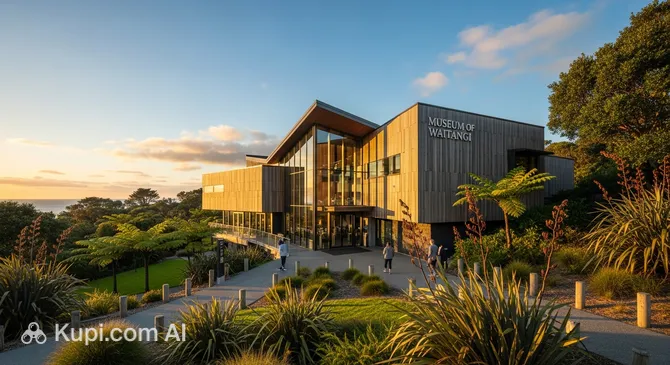
Waitangi Treaty Grounds Museum
Waitangi Treaty Grounds Museum. Иллюстрация. Источник: Kupi.com AI

The museum is a high-tech immersive space dedicated to the signing of the Treaty of Waitangi in 1840. This document laid the foundations of the country's statehood, and the museum masterfully reveals its significance through the lens of personal stories, artifacts, and modern technology.

Inside, guests will find a large-scale exhibition titled "Ko Waitangi Tēnei". It features more than 500 historical images and six unique audiovisual installations that literally transport you back in time. Thanks to interactive touchscreens, history ceases to be dry facts in a textbook and comes alive in a dynamic chronological narrative.

Contacts

To contact the museum administration or clarify visiting details, you can use the following contact information:

How to contactContact
AddressWaitangi Treaty Grounds (Bay of Islands, Tau Henare Drive, Waitangi 0293, Новая Зеландия
Phone+64 9 402 7437
Websitewww.waitangi.org.nz

What to Do

A visit to the museum becomes a truly interactive journey. Here, you don't just look at exhibits; you can actively engage with history: multimedia presentations, surround sound, and touchscreens allow you to literally hear the voices of the past. You will see rare Māori artifacts, early European tools, personal diaries, and detailed reconstructions of scenes from that era.

Strolling through the galleries, you will learn what Māori society was like before 1840 and follow the complex negotiation process. The exhibition is designed to maintain a perfect balance between Māori and European perspectives, giving guests the opportunity to see the complete historical picture.

Outside the main museum building, equally impressive sites await. Be sure to visit the Treaty House (the former residence of James Busby), take a look at the famous flagpole, and admire the grandeur of Ngātokimatawhaorua — a massive ceremonial war canoe. To fully immerse yourself in the local culture, don't miss the traditional Māori performances with songs and dances held right on the grounds.

Getting There

The museum is located at Tau Henare Drive in the picturesque Bay of Islands on the North Island. If you are traveling by car, the drive from the nearest major town, Kerikeri, takes about 20 minutes, while the journey from Auckland takes between 3 and 4 hours along the scenic state highway.

For those who prefer public transport, buses run regularly from Auckland and Kerikeri to the nearby town of Paihia. From Paihia, it is about 3 kilometers to the museum grounds — this distance can be easily covered by taxi, a local shuttle, or a pleasant walk along the coast.

Another popular and very beautiful way to reach the site is by ferry, which arrives in Paihia. This is particularly convenient for tourists staying in other parts of the bay who wish to combine their museum visit with a boat trip.

Ближайший город: Waitangi

History & Facts

The history of this site is inextricably linked to the birth of the modern nation. The museum provides a detailed account of the events leading up to 1840, when increasing European influence began to change the traditional Māori way of life. The exhibits shed light on the complex motives and hopes of both sides that led to the signing of the Treaty of Waitangi on February 6, 1840, between Māori chiefs and representatives of the British Crown.

Special attention is given to traditional Māori society. Visitors can learn about their unique social structures, deep spiritual beliefs, and sacred connection to the land. This knowledge helps to better understand why the Treaty of Waitangi remains a living and relevant document to this day.

Interestingly, the Waitangi Treaty Grounds themselves were saved for the nation thanks to a generous gesture by Lord and Lady Bledisloe. In 1932, they purchased and gifted these lands to the people of New Zealand. This act inspired many Māori tribes to donate their family heirlooms — taonga (treasured items) — which now form the basis of the museum's unique collection.

Time Needed

To thoughtfully explore all the interactive exhibits and soak in the historical atmosphere of the museum, most guests require about 2–3 hours. This is enough time to walk through the main galleries and watch the multimedia presentations.

However, we recommend setting aside half a day (3–4 hours) for your visit. The grounds surrounding the museum include many other iconic landmarks, such as the Treaty Tree and cultural shows, which definitely deserve your attention. By planning your visit in advance, you can enjoy all aspects of this unique site without rushing.

Working Hours

The museum is open to visitors daily from 09:00 to 17:00. This schedule applies throughout the week, including Saturday and Sunday, making it easy to fit a visit into your weekend plans.

Despite the steady schedule, it is recommended to check the museum's official website before your trip. This will help ensure there are no changes to opening hours on the day of your visit due to public holidays or special cultural events held on the Waitangi grounds.

09:00–17:00

Nearby

Exploring the surroundings of Waitangi will allow you to dive deeper into the atmosphere of the Bay of Islands and discover even more historical and natural treasures. A stroll through the grounds outside the museum halls will complement your understanding of Māori culture and the region's colonial past.

NameDistance
Waitangi Treaty Grounds0 km
Paihia Beach Resort & Spa1.4 km
Terra Restaurant1.8 km
Waitangi Mountain Bike Park1.8 km
Paihia Wharf1.9 km
Tipsy Oyster2.1 km
Paihia Beach2.2 km

Reached the end of the page?

That means the route is fully explored