Support

San Carlos

About

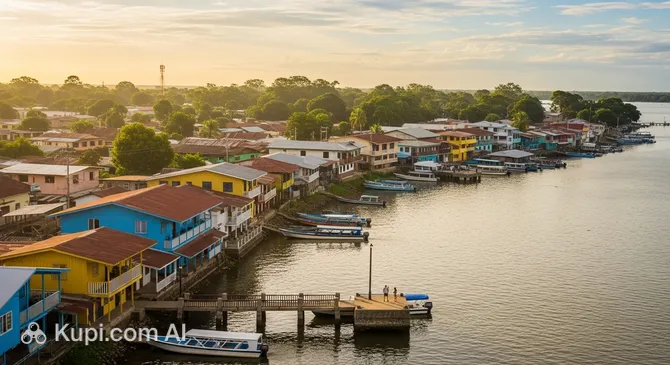
San Carlos is a bustling port city and the administrative center of the Río San Juan department, uniquely situated where the majestic Lake Cocibolca (Nicaragua) gives rise to the San Juan River. This city serves as a strategic gateway to the southern part of a country as colorful as Nicaragua and is an important transport hub for travelers heading to the border with Costa Rica or deep into the jungle.

San Carlos. Illustration.
Source: Kupi.com AI

While many use the city only as a transit point, it possesses its own unique charm. The history of San Carlos is closely intertwined with its colonial past and the defense of waterways, as it was once home to fortifications built to ward off pirates. Today, it is a peaceful city with a population of about 37,000, where life flows at a measured pace, following the rhythm of the river and the lake.

The heart of the city is the waterfront (Malecón), which was recently renovated and has become a favorite spot for strolls for both locals and tourists. From here, you can catch breathtaking views of sunsets over the lake and the lush islands. San Carlos is the perfect starting point for a trip to the Solentiname Archipelago, famous for its artist community and rich nature, or for an excursion to the Los Guatuzos Wildlife Refuge.

A visit to San Carlos offers a chance to see the authentic, non-touristy life of the region and enjoy the beauty of the vast waters. Be sure to linger here to try fresh fish at local restaurants and experience the hospitality of the people of this riverine land.

Weather Overview

The climate in San Carlos is typical for a tropical zone: it is warm and humid throughout the year. The temperature regime is remarkably stable, with averages ranging from +25°C to +27°C. The warmest months are April and May, when daytime temperatures often reach +30°C, while nights remain comfortable at around +24...+25°C.

When planning your trip, it is important to consider the high humidity and frequency of rainfall. Even in the relatively "dry" season, which falls in March and April, it can rain for 15 to 20 days a month. From June to October, rainfall becomes an almost daily occurrence, with the number of rainy days reaching a maximum of up to 31 days per month. The current weather in San Carlos will help you more accurately choose a time for your visit and prepare for the whims of nature.

Expect consistently warm weather year-round with a high probability of precipitation, so a light waterproof jacket will not be out of place in your luggage. Despite the frequent rains, the sun is a regular guest here, and the warm climate makes the city accessible for visiting at any time, provided you are prepared for tropical downpours.

Average monthly temperature

Average monthly precipitation

Interesting Facts

Beyond its role as an important transportation hub, San Carlos hides many surprising details in its history and geography that often escape the attention of hurried travelers.
  • Protection from Pirates. The city's fortress (La Fortaleza), rising on a hill, was built by the Spaniards for more than just aesthetics. In the 17th century, it served as a critical defensive line intended to stop pirates and corsairs attempting to penetrate from the Caribbean Sea deep into the country toward the wealthy city of Granada via the San Juan River.

  • Tarpon Fishing Capital. San Carlos is known among anglers worldwide for its annual International Tarpon (sábalo real) Fishing Tournament. Giant specimens of this "silver queen" of the rivers inhabit local waters, with weights sometimes exceeding 100 kilograms.

  • Geographical Phenomenon. The city is located at a unique hydrological point in Central America: this is exactly where the massive volume of water from Lake Cocibolca (Nicaragua) transforms into the swift current of the San Juan River, beginning its journey toward the Atlantic Ocean.

  • Gateway to Primitivism Art. Although the city itself appears modest, it is the only link to the Solentiname Archipelago. Its proximity to these islands has made San Carlos a transit point for admirers of the unique style of painting that originated in the local artist community.

How to Get There

Planning a trip to this picturesque corner requires attention to detail, as the city is located far from the main capital highways. You can explore all ways to get to the city in more detail to choose the optimal route. The main flow of tourists arrives here via airports in neighboring cities and even a neighboring country, using ground or water transport thereafter.

San Carlos itself does not have its own airport that accepts regular international flights. One of the most popular options is Juan Santamaría International Airport (SJO), located in the city of Alajuela. It is about 140 km from San Carlos. This is a major aviation hub with high passenger traffic. A journey from there by taxi or rental car will take approximately 3 hours and 50 minutes, though you should factor in time for border crossing if you are coming from Costa Rica.

An alternative is Liberia Airport (LIR), located in the city of Liberia, about 103 km from the destination. This is also an important transport hub for the region. The drive from here takes about 3 hours. For those looking for the shortest distance, Fortuna Airport (FON) in La Fortuna is worth noting. It is located only 76 km away but is a small airport for local flights. Travel time will be approximately 2 hours and 15 minutes.

For convenience, here is a summary of the main airports used to reach the region:

AirportPassenger trafficDistance
Fortuna Airport13 00076 km
Liberia Airport1.6 mln103 km
Juan Santamaria International Airport5.7 mln140 km
Costa Esmeralda Airport35 000141 km
Tambor Airport25 000156 km

Main Attractions

Although San Carlos is often perceived by travelers merely as a starting point for further adventures, the city itself and its surroundings have many places worth visiting. This is a colorful corner in the south of Nicaragua, where colonial history blends harmoniously with rich tropical nature.

La Fortaleza. This is the city's main historical landmark, perched on a hill. Built by the Spaniards in 1724 to protect against pirates, the fortress today serves as an excellent observation deck. It offers a magnificent panorama of the spot where Lake Cocibolca flows into the San Juan River. Inside the fort is a small but interesting museum with exhibits detailing the strategic importance of this outpost and the turbulent events of past centuries.

The Malecón (Boardwalk). The center of social life in San Carlos and an ideal place for an evening promenade. Following a recent reconstruction, cozy seating areas and viewpoints have appeared here. Tourists and locals come here to admire the famous Nicaraguan sunsets, watch the fishing boats, and enjoy the fresh breeze from the lake. Numerous nearby cafes offer dishes made from freshly caught fish.

The Solentiname Archipelago. San Carlos serves as the main gateway to this unique group of volcanic islands. The boat trip takes about an hour, but it is well worth it. The archipelago is known worldwide for its community of primitivist painters, whose vibrant works reflect the beauty of the local nature. Additionally, it is a significant birdwatching destination, home to many species of tropical birds.

Los Guatuzos Wildlife Refuge (Refugio de Vida Silvestre Los Guatuzos). Located on the southern shore of the lake, this reserve is easily accessible for a day trip from the city. It is a true paradise for ecotourism enthusiasts. Traveling across suspension bridges through mangrove forests allows you to see monkeys, caimans, turtles, and iguanas in their natural habitat. An excursion here is a great way to experience the region's wilderness without straying too far from civilization.

Local Cuisine

The cuisine of San Carlos is a true mirror of its geographical location. Since the city sits at the junction of the lake and the river, the local menu is based on fresh freshwater fish. The main gastronomic hit that every guest must try is guapote (rainbow bass). This fish, with its firm white meat, is usually served fried whole until golden brown, often accompanied by a "Tipitapa-style" sauce of tomatoes and onions, or simply with a wedge of lime.

Another regional delicacy is giant river shrimp (camarones de río). Their size can surprise even seasoned gourmets. Local establishments prepare them grilled or in a garlic sauce (al ajillo). As a side dish to fish and seafood, they invariably serve crispy tostones (fried green plantains), rice, and a fresh cabbage salad. This is simple, hearty, and incredibly delicious food, perfect for recharging after excursions.

Regarding drinks, in the hot climate of Nicaragua, natural fruit juices (refrescos) made from seasonal tropical fruits like passion fruit, pitaya, or tamarind are particularly popular. It is also worth trying the traditional pinolillo—a thick drink based on cornmeal and cacao, served here in characteristic bowls made from the fruit of the jícaro tree. Fans of something stronger will appreciate the local beer, Toña, or the famous Nicaraguan rum, Flor de Caña, which is considered the pride of the country.

The dining culture in San Carlos is devoid of pretension and full of soul. There are few expensive restaurants with white tablecloths; instead, life hums in small family cafes (comedores) and waterfront establishments. The best place for dinner is at a table overlooking the San Juan River or the lake. Here, you can not only enjoy a delicious meal but also savor the cool breeze and a magnificent sunset while watching the boats return with their catch.

Travel Tips

Welcome to San Carlos—the colorful gateway to a world of wilderness and vast waters! To ensure your journey along the San Juan River and its surroundings is as comfortable as possible, we have prepared a list of useful practical recommendations to help you enjoy the atmosphere of this unique port city.

  1. Clothing and Equipment. Given the hot and humid climate, opt for light clothing made of breathable fabrics (cotton, linen). Since rain can start suddenly at any time of year, be sure to bring a high-quality raincoat or poncho. For trips to the Los Guatuzos reserve, you will need rubber boots (often available for rent on-site) or trekking shoes that you don't mind getting dirty.

  2. Transport and Logistics. The city center is compact and easy to explore on foot. For trips around the outskirts, use taxis or triciclos. However, the main mode of transport here is by water. Public boats (lanchas) run on a schedule to the Solentiname Islands and El Castillo. It's best to buy tickets at the port office in advance, as seats fill up quickly, especially for morning trips.

  3. Finances and Cash. The official currency is the córdoba, but US dollars (small bills in perfect condition) are widely accepted. Although there are ATMs in San Carlos, they may not work or may run out of money. Important: if you plan to head further down the river or to the islands, withdraw enough cash here, as cards are practically not accepted in remote hotels and villages.

  4. Health and Safety. San Carlos is in a tropical zone by the water, so there are many insects. Stock up on strong repellent and apply it before every walk, especially in the evening. Drink only bottled water. The city is generally safe, but tourists are advised not to walk around unlit outskirts after dark.

  5. Communication. The main language is Spanish; English is rarely understood, mostly only by guides. Download an offline translator or learn basic phrases. For connectivity, it's best to buy a local SIM card (Claro or Tigo) in small shops (pulperías), as hotel Wi-Fi can be slow or unstable.

  6. Local Etiquette. Nicaraguans are very polite and appreciate friendliness. Always say hello (“Buenos días” or “Buenas tardes”) when entering a shop or boarding a boat. Life here moves slowly, so do not show impatience in lines or while waiting for an order in a cafe—it's part of the local pace of life.

  7. What to Avoid. It is strongly recommended not to swim in the lake or river directly within the city limits, near the Malecón or the port—the water here is polluted and there is heavy boat traffic. For swimming, it's better to head to the Solentiname Archipelago islands, where the water is cleaner and calmer.

  8. Planning Connections. San Carlos is often used as a transit point for crossing the border into Costa Rica (via Las Tablillas). Remember that the border crossing and bridge close in the afternoon (usually around 5:00 PM), so plan your departure with plenty of time to avoid getting stuck at the border overnight.

San Carlos is a place where nature dictates the rules and time slows down. By following these simple tips, you can avoid minor hassles and fully immerse yourself in exploring the amazing ecosystem of Lake Cocibolca and the San Juan River. Have a great trip!

Entertainment & Nightlife

The nightlife in San Carlos is fundamentally different from the boisterous parties of the capital, Managua, or touristy San Juan del Sur. Here, you won't find massive nightclubs with laser shows; instead, the city offers something more authentic—relaxed evenings on the riverbank to the rhythms of Latin American music. As the sun sets, the main center of attraction is the renovated Malecón (waterfront). This is where locals and travelers gather to enjoy the cool air after a hot day.

The atmosphere here is casual and easygoing. Most establishments are open terraces or bars with plastic tables set right out on the street. Sounds of bachata, salsa, and reggaeton drift from the speakers, and the air is filled with the scent of fried fish and river freshness. The crowd is diverse, ranging from fishermen discussing their catch to tourists waiting for the morning boat to the Solentiname Islands. There is no dress code—shorts and sandals are appropriate everywhere.

Among the specific places worth visiting, Bar Restaurante Kaoma stands out. It is one of the most popular spots on the Malecón, known for its panoramic view of the confluence of the lake and the river. In the evening, loud music often plays, and the venue turns into an impromptu dance floor. Another great spot is El Noah Noah, a lively bar where you can try local cocktails and beer at very affordable prices. Also popular is Bar La Avenida, where a vibrant atmosphere always reigns and it’s easy to strike up a conversation with the locals.

If you are planning an evening walk, keep a few practical points in mind. Safety in the Malecón area is high thanks to good lighting and a police presence; however, it is better to refrain from walking through dark alleys on the outskirts. Most bars accept only cash (córdobas), and the prices will pleasantly surprise you—an evening with drinks and snacks is quite inexpensive. It's best to move around the center on foot, and you can use a cheap local taxi for a trip back to your hotel.

Daytime leisure in the city is quieter and more educational. Be sure to visit the historical museum at La Fortaleza, which offers the best view of the city, or take a walk through the central park. For a bit of local flavor, head to the city market to witness the daily life of Nicaraguans before the city settles into its evening relaxation.

Parks & Museums

San Carlos offers travelers a harmonious blend of historical monuments and picturesque natural areas that provide a deeper understanding of the soul of this riverine land. Although the city is small and doesn't boast massive exhibition complexes, the museums and parks here possess genuine character and are closely tied to the rich nature and colonial past of Nicaragua.

The Malecón (Boardwalk). This is the city's main green artery and a favorite leisure spot for all ages. Following its renovation, the waterfront has turned into a well-maintained linear park with picnic areas, benches, and greenery. For tourists, this place is primarily interesting for its atmosphere: here you can find shade under the trees while watching port life or simply enjoy the fresh wind from Lake Cocibolca. It is an ideal spot for leisurely strolls, where nature and urban life merge into one.

Central Park (Parque Central). Located in the heart of the city, this square is a classic example of Latin American urban planning. Surrounded by important administrative buildings and a church, the park serves as a meeting place for locals. It is always bustling and cozy. For a traveler, it’s a great opportunity to observe the daily life of the townspeople, rest on a bench under the wide canopies of trees, and buy local sweets or cold drinks from street vendors.

Los Guatuzos Wildlife Refuge (Los Guatuzos). While technically a protected natural area located on the opposite bank of the river, it is inextricably linked to the city's ecosystem. These are the "green lungs" of the region, consisting of a vast network of wetlands and tropical forests. A visit to this wildlife park is a must for anyone wanting to see caimans, monkeys, and rare birds in their natural habitat, just a short boat ride from the city docks.

The Fortress Museum (Museo de La Fortaleza). This is the main and perhaps only official history museum within the city limits. It is located inside the ancient walls of an 18th-century defensive structure. The museum's exhibition is small but very informative, featuring old maps, cannons, soldiers' household items, and documents telling the story of pirate raids and the struggle for control over the San Juan River. Visiting the museum allows you to literally touch history and understand the strategic importance of this location.

House of Culture (Casa de Cultura). San Carlos is closely associated with a unique style of painting—primitivism—which originated on the neighboring Solentiname Islands. In the city, you can find small galleries and exhibition spaces (often in municipal buildings or souvenir shops) displaying the work of local masters. The bright colors depicting the region's flora and fauna make these paintings a kind of artistic mirror of the local nature.

Insider Tip: If you're interested in culture, pay attention to the small square near the city market early in the morning. This is a kind of "living museum" of trade and tradition, where farmers from the surrounding islands bring their goods by boat. Here, you can see the authentic, non-touristy life of the region and take colorful photos that tell more about the city than any guidebook.

Getting Around

The public transport system in San Carlos has its own characteristics due to the city's geographical location and size. Since the city is compact, it lacks the subways, trams, or extensive city bus networks common in metropolises. The main transport artery of the region is the water, so boats and launches perform the same role here as public transport does in large cities.

For moving directly through the city streets, the most popular and colorful form of transport is the triciclo (bicycle rickshaw). These are three-wheeled bicycles with a passenger seat in front, protected by a canopy from the sun and rain. They are ideal for short trips around the center, moving luggage from the bus station to the port, or a trip to the market. The fare is fixed and very affordable, usually a symbolic amount per person for a trip within the city limits.

Classic taxis are also available in the city. They can be found at designated stands near the market, by Central Park, or you can ask the hotel reception to call a car. In San Carlos, taxis often operate as "colectivos" (shared taxis), picking up other passengers along the way if they are heading in the same direction. Meters are generally not used, so the fare should be negotiated with the driver strictly before boarding.

The main "public transport" for connecting with the surroundings and neighboring settlements is water taxis and boats (lanchas and pangas). They depart from the municipal port (Terminal Portuaria). There are two main types of vessels: slow public boats, which are cheaper and often carry local cargo, and speedboats (pangas), which save time but cost more. This is the only way to reach many of the region's tourist locations.

The payment system in the city is exclusively cash-based. Contactless cards, transport passes, or mobile payment apps do not work here. All payments are made in local currency (córdobas) directly to the taxi or triciclo driver. Tickets for water transport must be purchased at the official ticket offices of the port terminal. It is recommended to always carry small bills, as drivers often do not have change for large banknotes.

Tourists should keep several important nuances in mind. Tickets for popular boat routes (especially morning departures to the islands or El Castillo) are best bought in advance, at least an hour before departure, or the day before during peak season. Ticket validation happens at the pier entrance: port staff check the ticket and passport details to enter passengers onto the manifest, which is a mandatory safety requirement.

As an alternative to public transport, car rentals (car sharing) are not developed within San Carlos itself; major rental agencies are absent here. Travelers usually arrive in cars rented in the capital or at the airport. Bicycle rentals can be found at some private hotels, but due to the short distances, walking combined with triciclo services remains the most convenient and authentic way to navigate the city.

Accommodation

The choice of accommodation in San Carlos fully reflects its status as a port city and transit hub. You won't find major international hotel chains or luxury five-star resorts here. The bulk of the accommodation consists of small family-run hotels, cozy mini-hotels, and budget hostels (hospedajes), offering basic comfort at very affordable prices.

The most attractive area for tourists to stay is along the Malecón and its adjacent streets. By staying here, you'll get a room with a picturesque view of the San Juan River or the lake, and you'll be within walking distance of the boat terminal, restaurants, and the main square. This is a strategically convenient location where refreshing breezes blow in the evenings, providing relief from the tropical heat. Accommodation near the market or the bus station may be cheaper, but those areas are significantly noisier and more hectic.

Price ranges vary from budget to mid-range. The simplest options with a fan and shared bathroom are suitable for backpackers and budget travelers. Mid-range hotels offer rooms with air conditioning (highly recommended in this humid climate), private bathrooms, cable TV, and stable Wi-Fi. In the outskirts of the city, closer to the river, you can find eco-lodges geared toward anglers and nature lovers, offering a more secluded atmosphere.

When planning your trip, consider a few booking nuances. While some popular hotels are already listed on international online platforms, many small guesthouses still operate through direct contacts (phone, messaging apps) or accept walk-in guests upon arrival. Finding a vacant room is usually easy, however, during the International Tarpon Fishing Tournament (usually in the fall) or during Easter week (Semana Santa), it is necessary to book accommodation in advance, as the city fills to capacity.

Nearby Cities

For those looking to explore the surroundings, San Carlos serves as an excellent starting point for day trips or short visits to several interesting nearby locations. Although the city is often seen as a transit hub, neighboring regions can surprise travelers with their variety of landscapes and culture.

One of the most accessible destinations is Nueva Guinea. Surrounded by lush tropical vegetation and rivers, this city is interesting for its agricultural way of life and natural beauty. A trip here allows you to see life in the Nicaraguan hinterland and enjoy tranquility away from the tourist trails.

For lovers of history and colonial architecture, Rivas is an attractive option. The city is strategically located on the isthmus between the lake and the ocean, serving as an important transport hub. Here, you can stroll through old streets, visit local churches, and feel the atmosphere of the past before heading to the Pacific beaches.

Also worth noting is Juigalpa, the administrative center of the Chontales department. This place is famous for its "cowboy" culture, rodeos, and livestock farming. Additionally, the city is known for an excellent archaeological museum featuring ancient statues and artifacts that tell the pre-Columbian history of the region.

CityPopulationDistance
Rio Frio11 km
Los Chiles13 26213 km
San Miguelito17 03133 km
Upala16 13937 km
El Castillo19 86443 km

These nearby destinations provide an insight into the diverse culture and landscapes of the region, making your journey through a country like Nicaragua more complete and enriching.

Shopping & Souvenirs

Shopping in San Carlos is significantly different from the typical shopping experience in major tourist centers. This is not a city of boutiques, fashion brands, or massive shopping galleries. Trade here is utilitarian and primarily focused on the needs of locals and travelers preparing for trips along the river or into the jungle. Nevertheless, this is precisely where you can find authentic goods that will serve as great reminders of your visit to Nicaragua and purchase everything necessary for further adventures.

Main shopping areas and streets are concentrated in the compact city center, very close to the port and Central Park. The main commercial activity bustles on the streets leading from the bus terminal to the waterfront. Here you will find small private shops (pulperías), pharmacies, clothing stores, and hardware shops. A walk through these blocks allows you to immerse yourself in the atmosphere of a provincial town, where trade is conducted at a leisurely pace and often accompanied by friendly conversation.

Shopping centers in the conventional sense are absent in San Carlos. You won't find multi-story malls with food courts and cinemas here. The role of large retail outlets is filled by supermarket chains such as Palí, where you can buy groceries, drinks, and basic goods at fixed prices. This is the best place to stock up on water and snacks before departing for the Solentiname Islands or the Los Guatuzos reserve.

The heart of local trade is the Municipal Market (Mercado Municipal). It is a colorful and noisy place located near the shore. The market is a labyrinth of stalls where farmers from surrounding villages sell fresh tropical fruits, vegetables, grains, and homemade cheese. The fish stalls deserve special attention, where you can see the day's catch from Lake Cocibolca. The market is not just a place for shopping, but a center of social life where you can experience the true taste of the region.

Regarding souvenirs, San Carlos serves as an excellent point for purchasing folk crafts. Since the city is the gateway to the Solentiname Archipelago, local shops often feature works in the primitivist style: vibrant paintings and painted balsa wood figures depicting local flora and fauna. High-quality Nicaraguan coffee, cigars, and, of course, the famous Flor de Caña rum are also popular with tourists and make excellent gifts.

Opening hours and payment have their own specifics. Shops open early, usually around 7:00–8:00 AM, and stay open until 5:00 or 6:00 PM. The market starts even earlier, at dawn, and activity there quietens down by midday. The primary method of payment is cash (córdobas). US dollars are accepted in many places, but change is often given in local currency at an unfavorable rate. Credit cards are only accepted in a few large stores and hotels, so always carry a sufficient supply of cash, especially small bills.

The Tax Free system (VAT refund) for tourists practically does not exist in San Carlos. This is a small commercial zone focused on the internal market, so you should not expect to process receipts for tax refunds. Prices here are already quite affordable, and bargaining is mainly appropriate at the market or when buying souvenirs from street vendors.
Reached the end of the page?

That means the route is fully explored