Support

Lillestrom

About

Lillestrøm is a modern and energetic city, nestled comfortably on the banks of the Nitelva River. Thanks to its location just 18 kilometers from the capital, it often serves as a "gateway" to the eastern part of the region. A trip here allows you to see how Norway skillfully combines urban comfort with proximity to picturesque nature.

Lillestrom. Illustration.
Source: Kupi.com AI

With a population of approximately 88,445 people, Lillestrøm is among the country's fast-growing cities. It is known for its developed infrastructure, the heart of which is the railway station—one of the main transport arteries connecting the city with Oslo Airport and other major centers. Despite its dynamic rhythm and modern residential quarters, a surprising harmony is preserved here: the city abounds with parks, well-maintained embankments, and green zones ideal for outdoor relaxation.

The unique atmosphere of Lillestrøm is formed by a combination of the tranquility of suburban life and a rich schedule of cultural events. Fairs, concerts, and large-scale exhibitions are regularly held here. By delving into the history of Lillestrøm, one can trace how it developed and acquired its current appearance while maintaining Scandinavian hospitality. This place is excellent for those who want to get acquainted with the authentic life of Norwegians outside the usual tourist routes.

Lillestrøm is definitely worth including in your itinerary for its openness and convenience for travelers. The city will be an excellent starting point for exploring the surroundings or a destination in its own right for those who appreciate a balance between active leisure and a peaceful atmosphere.

Weather Overview

The climate in this region can be described as moderate, with a clearly defined change of seasons. Expect a comfortable but not hot summer with occasional precipitation and a fairly cold winter. The warmest month is traditionally July, when the average temperature stays at 16.6°C, and maximum values reach 20.9°C. It's worth considering that rain is not uncommon in summer: up to 14 wet days are recorded in July and August.

The winter period requires serious wardrobe preparation. The coldest month is considered January with an average temperature of -3.9°C and night frosts down to -6.3°C. Although the volume of precipitation in winter is low (about 2-3 mm), cloudy and damp days happen frequently.

The shoulder seasons here are quite mild but changeable. May already pleases with spring warmth and maximums up to 16.0°C, while September maintains a pleasant coolness around 12.0°C. To make your trip as comfortable as possible, we recommend checking the detailed weather in Lillestrøm in advance and preparing for the whims of Scandinavian nature.

Average monthly temperature

Average monthly precipitation

Interesting Facts

Byloing the main attractions, Lillestrøm holds many fascinating secrets and stories that make it special for travelers. Here are a few curious facts that reveal the character of this Norwegian city:
  • Railway Origins: The history of the modern city began in the late 19th century specifically thanks to transport. Lillestrøm was founded as an important station on the railway line between Oslo and Trondheim, which gave a powerful boost to the development of what was once a small village.

  • Exhibition Capital: This is home to Norges Varemesse—one of the largest exhibition complexes in Norway. This venue regularly becomes a center of attraction for guests from all over Europe, hosting large-scale international fairs, concerts, and business events.

  • Sporting Glory: The city is incredibly proud of its sporting achievements. The local football club Lillestrøm SK has won the national championship title several times, and the atmosphere at the home stadium during matches is considered one of the most exciting in the league.

  • River Legends: An intriguing local legend is associated with the Nitelva River. They say a mysterious giant fish lives in its waters, which several generations of fishermen have unsuccessfully tried to catch. Additionally, the river serves as a stage for traditional boat festivals and colorful water parades.

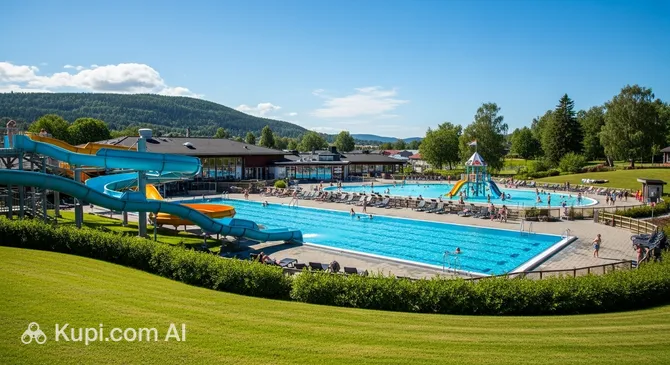
Nebbursvollen Outdoor Pool. Illustration.
Source: Kupi.com AI

Traveler photos:

How to Get There

Lillestrøm enjoys an incredibly advantageous location, being situated almost halfway between Norway's capital and its main air hub. This makes the city easily accessible for travelers arriving both by international flights and by land transport. You can find all ways to get to the city on a separate page, and below we will look at the main transport hubs nearby.

The main air gateway for a trip to Lillestrøm is Oslo Airport Gardermoen (IATA: OSL). It is Norway's largest international airport. There is no airport in the city of Lillestrøm itself, but you can fly into Gardermoen, which formally belongs to the Oslo city air hub and is located just 26.7 km from Lillestrøm. The journey by taxi or car will take about 60 minutes, however, it is worth noting that the Flytoget high-speed train covers this distance much faster—in just 10–12 minutes.

An alternative option, especially for those flying with budget airlines, could be Torp Sandefjord Airport (IATA: TRF). It also serves the Oslo region but is located significantly further away—approximately 96.7 km from Lillestrøm. A car trip from here will take about 2 hours and 45 minutes, so this option should be chosen if you plan to rent a car or have found very favorable tickets.

For clarity, here is a summary of the main airports:
AirportPassenger trafficDistance
Oslo Airport Gardermoen26.4 mln27 km
Torp Sandefjord Airport1.9 mln97 km
Karlstad Airport20 607141 km
Scandinavian Mountains Airport25 000166 km
Orebro-Bofors Airport80 694240 km

Regarding rail connections, Lillestrøm is an important hub through which many trains pass. Considering the major stations nearby, Oslo Central Station (IATA: XZO) is a notable one. The city of Lillestrøm has its own station, but Oslo Central Station, located 27.2 km away, is the key hub where trains from other regions and countries arrive. From there, you can reach Lillestrøm by taxi or bus in about 60 minutes, although a direct commuter train is the fastest and most popular method.

Below is information about the nearest major railway stations in the region:
StationPassenger trafficDistance
Nationaltheatret Station14.6 mln17 km
Oslo Central Station54.8 mln27 km
Leksand Railway Station235 km
Orebro Central Station2.5 mln247 km
Borlänge Railway Station800 000249 km

Main Attractions

Although Lillestrøm is often perceived as a business suburb of Oslo, there are excellent places here for relaxation, shopping, and getting to know the local culture. The city offers a balanced set of entertainment, from outdoor water activities to large-scale shopping centers.

In the summer season, the main point of attraction for residents and guests of the city is the Nebursvollen Open-Air Pool. This is a vast outdoor complex located in a picturesque green area. It features large swimming pools, water slides, and safe zones for children, while spacious lawns are perfect for picnics. Tourists value this place for the opportunity to relax by the water and enjoy sunny days in a comfortable setting.

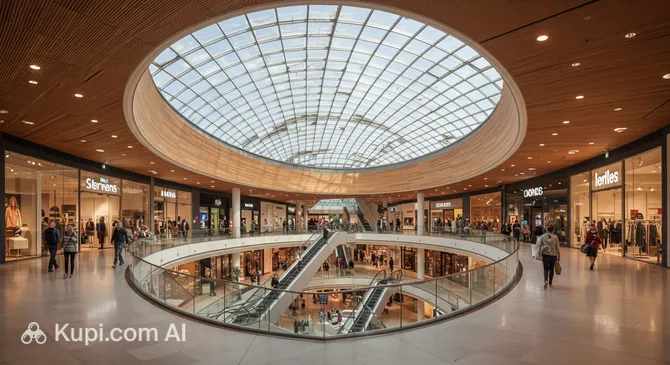
Fans of large-scale shopping should head to Strømmen Storsenter. This shopping mall, located very close to Lillestrøm, is considered one of the largest in Norway. A huge number of stores—ranging from mass-market to Scandinavian brands—allows you to find everything you need here. It is an excellent leisure option in rainy weather, where you can not only update your wardrobe but also enjoy a delicious lunch in one of the many cafes.

Strommen Storsenter. Illustration.
Source: Kupi.com AI

Traveler photos:

If you want to feel the atmosphere of the city at night, stop by Kulturpuben. This venue, located in a historical building, is the heart of Lillestrøm's social life. It regularly hosts live music concerts, stand-up shows, and other cultural events. Travelers enjoy this place for its authentic interior, good selection of drinks, and friendly atmosphere, making it easy to chat with locals.

Local Cuisine

Lillestrøm's gastronomic scene is a harmonious blend of Norwegian traditions and modern culinary trends. Travelers should definitely try the local fish delicacies, as product freshness is a top priority here. A signature dish is the delicate salmon stew and the famous "fiskeboller"—traditional fish balls served in a thick white sauce, a taste familiar to every Norwegian since childhood.

Meat lovers will enjoy treats made from game. In season, venison often appears on restaurant menus, served with wild mushrooms and lingonberry jam—gifts from the surrounding forests. If you want to take a piece of the flavor with you, stop by local farmers' markets, which sell homemade cheeses, fresh honey, and fragrant berries.

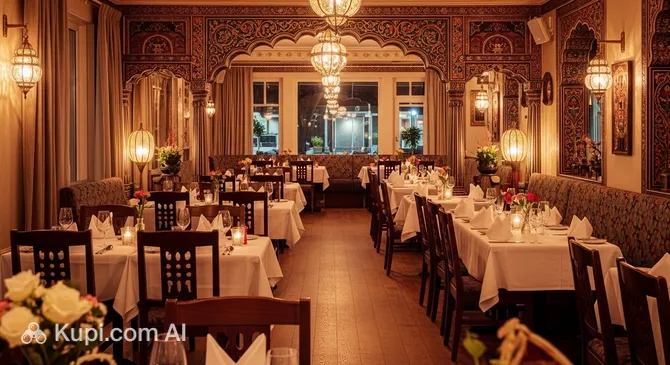
The Indian Flame. Illustration.
Source: Kupi.com AI

Traveler photos:

No lunch in Norway is complete without a coffee break. Locals love strong black coffee, which is perfectly complemented by fresh pastries: fluffy cinnamon or vanilla buns. At street festivals and fairs, it's impossible to pass by the stalls selling hot waffles and sausages—a popular and satisfying snack for long walks.

In the city, it's easy to find a venue for any mood: from family cafes to restaurants with international menus. For example, Indian Flame offers bright and spicy dishes that provide a great alternative to restrained Northern cuisine. Evenings here are typically spent in cozy bars, enjoying a relaxed atmosphere and conversation.

Travel Tips

Welcome to Lillestrøm! To ensure your trip is as comfortable and hassle-free as possible, we have gathered a list of practical recommendations that will help you easily navigate local specifics and feel confident in this cozy Norwegian city.

  1. Clothing and weather. Norwegian weather is changeable, so the main principle of your wardrobe here is layering. Even in summer, it's worth having a windproof jacket and waterproof shoes for walks along the river. In winter, thermal underwear, woolen items, and non-slip shoes are a must, as sidewalks can be covered with ice. Don't forget a power adapter (type F) if your devices differ from the European standard.
  2. Transport accessibility. Lillestrøm is an ideal transport hub. The fastest way to get to Oslo or the airport is by train (travel time is only 10–12 minutes). To move around the region, download the Ruter app: it allows you to plan routes and buy tickets for buses and trains. Taxis here are very expensive, and thanks to excellent public transport, they are rarely necessary.
  3. Finance and payment. Norway is a country where cash has practically gone out of use. Bank cards are accepted everywhere: from major hotels to tiny hot dog stands. Make sure your card supports contactless payments. The local currency is the Norwegian Krone (NOK), but exchanging large amounts of cash makes little sense. Be prepared for high prices for food and services; tipping is not mandatory, but rounding up the bill is appreciated.
  4. Health and water. Tap water in Lillestrøm is not just safe, it is delicious and clean—feel free to drink it from the tap, it will save your budget. Pharmacies are called "Apotek," and many of them work until evening in large shopping centers, such as Strømmen Storsenter. The city is very safe; you can calmly walk even after dark, following basic precautions.
  5. Language and communication. Virtually all local residents speak English fluently, so you won't feel a language barrier. However, knowing a couple of words, such as "Takk" (thank you) and "Hei" (hello), will bring a smile to Norwegians. Free Wi-Fi is available in most cafes, trains, and at the station. For mobile internet, it is convenient to buy a prepaid SIM card (e.g., Telia or Telenor) at Narvesen or 7-Eleven stores.
  6. Local etiquette. Norwegians value personal space and silence. In public transport, it is not customary to sit next to a stranger if there are free double seats. Greetings are usually reserved—a handshake. Loud conversations in public places are considered poor form.
  7. What to avoid. Do not put off buying alcohol until late evening or Sunday. Strong alcohol and wine are sold only in specialized state-run Vinmonopolet shops, which close early (usually at 16:00–18:00) and do not work on Sundays. In regular supermarkets, you can only buy beer, and its sale is also limited by time (usually until 20:00 on weekdays and until 18:00 on Saturdays).
  8. Planning advice. Since Lillestrøm is a major exhibition center, check the event calendar at Norges Varemesse before your trip. During large international exhibitions, hotel prices in the city can rise sharply, and spaces can run out quickly. On such days, it is better to book accommodation well in advance.

Lillestrøm offers a wonderful balance between urban activity and the tranquility of nature. We hope these tips help you avoid minor difficulties and allow you to focus entirely on enjoying Scandinavian hospitality!

Entertainment & Nightlife

Entertainment and nightlife:

Lillestrøm's nightlife, while smaller in scale than that of the capital, possesses its own unique charm and coziness. You won't find massive neon-lit nightclubs here, but you will discover high-quality venues with a soulful atmosphere where it is easy to make friends with locals. The epicenter of evening leisure is the area around the railway station and the main street, Storgata, where most of the pubs, bars, and restaurants are concentrated.

For those looking for a classic bar setting, Bar Lillestrøm is an excellent choice. This is a popular meeting spot for townspeople, where you can enjoy a glass of beer or a cocktail in a relaxed environment. The interior invites long conversations, and the crowd here is quite diverse—from students to office workers stopping by after a day's work.

The heart of the city's musical and entertainment life is rightfully considered the previously mentioned Kulturpuben. In the evening, this venue is transformed: it regularly hosts live concerts by local bands, jam sessions, and themed parties. If you want to do more than just have a drink—if you want to dance or listen to quality rock and blues—you should definitely come here. For those who like to start the evening with a hearty and delicious dinner before diving into the nightlife, it's worth checking out Raslani Restaurant, which offers excellent cuisine and a cozy atmosphere for evening gatherings.

Atmosphere and prices: A democratic atmosphere prevails in Lillestrøm's venues, and a strict dress code (black tie) is extremely rare; "smart casual" style will be sufficient for any place. Keep in mind that alcohol in Norway is expensive: a glass of beer in a bar will cost an average of 100–120 NOK, and cocktails start from 140 NOK. Most bars are open until 01:00–03:00 on weekends, but the sale of alcohol stops slightly before closing.

Safety and transport: Lillestrøm is a very safe city, and night walks here are not a cause for concern, especially in the center and well-lit areas. If you stay out late and need to get to Oslo, the good news is the availability of night trains and buses on weekends. It's better to order taxis through apps (e.g., Oslo Taxi), as hailing a car on the street can be significantly more expensive.

During the day, the city offers quieter forms of leisure. The cultural center of gravity is Lillestrøm Kultursenter, which hosts theater plays, shows, and exhibitions. Also operating in the city is the modern ODEON cinema, where you can watch world premieres (in Norway, films are often shown in the original language with subtitles), and a bowling center for active recreation with family or friends.

Parks & Museums

Lillestrøm can surprise travelers with its careful attitude toward green space and cultural heritage. The city, which grew on the banks of a river, has harmoniously integrated natural landscapes into the urban environment, creating excellent conditions for walking, while local cultural venues offer an interesting contrast between regional history and bold contemporary art.

One of the main natural gems of the region is the Nordre Øyeren Nature Reserve. This is a unique delta where the Nitelva River flows into Lake Øyeren, forming Northern Europe's largest inland delta. For tourists, convenient trails have been laid out and observation towers built. This is an ideal place for birdwatching and a peaceful getaway far from the city bustle, where you can see rare species of flora and fauna just a few minutes' drive from the center.

For more relaxed walks within the city, the Nitelva River Embankment is perfect. This is a well-maintained park area that stretches along the water and is decorated with modern sculptures. Locals love to walk here, ride bicycles, and have picnics on the grass. The embankment links different city districts and offers picturesque views of the river, which are especially beautiful at sunset.

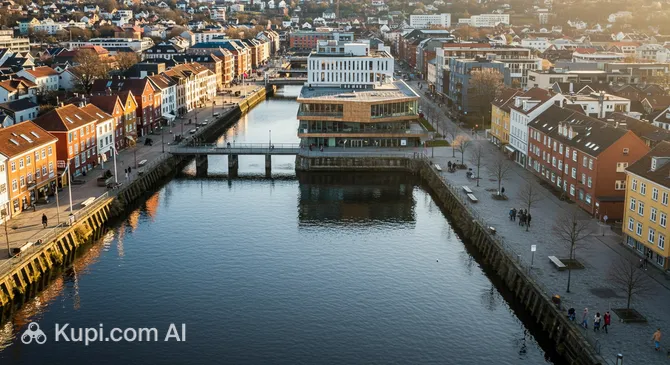
In cultural terms, Lillestrøm looks confidently into the future. A center of attraction for art lovers is the Nitja Senter for Samtidskunst (Nitja Center for Contemporary Art). This is a new architectural landmark of the city, and the building itself is a work of art. The gallery specializes in current, sometimes provocative contemporary art, presenting works by both Norwegian and international artists. Exhibitions here change frequently, offering visitors a new visual experience each time.

To touch the past, it's worth visiting the Skedsmo Bygdemuseum Huseby. This open-air museum transports guests into the atmosphere of old Norway. Historical wooden buildings, household items, and agricultural tools are collected here, telling the story of the lives of farmers and craftsmen of the region in past centuries. It is a quiet and cozy place where history comes alive in detail.

The city is also interesting for its architecture, where the path from an industrial timber rafting center to a modern hub can be traced. Notice the contrast between the old wooden villas in the center and the futuristic glass facades of the exhibition complex and office buildings near the station.

Insider Tip: Lillestrøm is often called the "city of sculptures." Don't limit yourself to museums—just walking through the streets, you will discover dozens of art objects installed in the most unexpected places. Try to find the famous "Hammer" sculpture, symbolizing the city's working-class past, or the whimsical figures on the embankment—this will turn an ordinary walk into an exciting quest.

Getting Around

Lillestrøm's transport system is rightfully considered one of the most efficient and convenient in the region. The city serves as a crucial transport hub connecting eastern districts with the main metropolis and the international airport. The core of public transport here consists of trains and buses working as a single, well-coordinated mechanism. There are no metros or trams in the city itself, but thanks to integration into the general regional network, you can reach metro lines in the neighboring capital in just 10–12 minutes by train.

Lillestrøm Railway Station is the heart of the city's logistics. From here, two main types of trains depart with enviable regularity: regular regional trains from the Vy company and Flytoget high-speed expresses. For a tourist, this means incredible freedom of movement: the journey to Oslo Central Station takes less time than a metro ride in most major cities in the world, and the journey to Gardermoen Airport lasts about 12 minutes.

The bus network covers areas where the rails do not reach. The bus station is located in the immediate vicinity of the railway station, making transfers as comfortable as possible. Buses run frequently; they are modern, low-floor, and equipped with information boards. This is the main way to reach residential areas, the Strømmen shopping center, or the exhibition complex if you do not want to go on foot.

The fare payment system is unified and managed by the transport company Ruter. This is a huge advantage for travelers: the same ticket is valid on trains (within Ruter zones), buses, as well as on the metro and trams if you decide to go to the capital. It is important to remember: Lillestrøm is in tariff zone (often denoted simply as Zone 2), while Oslo is in Zone 1. When buying a ticket, be sure to indicate the correct zones to avoid fines.

The most convenient way to pay is through the Ruter mobile app. In it, you can link a bank card and buy single tickets, 24-hour passes, or weekly passes. The ticket is activated at the time of purchase or at a time you choose and is valid for a specific period (usually 90 minutes for a journey between zones), allowing for an unlimited number of transfers. If you cannot use the app, tickets can be purchased at machines at the station, as well as at 7-Eleven, Narvesen, or Deli De Luca kiosks. Buying a ticket from the bus driver is possible but will be significantly more expensive due to a surcharge, so it is better to take care of it in advance.

Ticket validation happens differently. On trains and some bus routes, conductors may check for an active ticket in the app or on a disposable card (Reisekort). There are usually no turnstiles at the entrance to buses; a trust system operates, but checks happen frequently, and fines for fare evasion are quite substantial. Always ensure your phone has enough charge until the end of the trip if your ticket is electronic.

As an alternative to public transport in the warmer months, the city's bike rental service is popular. Stations with bicycles are scattered throughout the center and near the station; a special app is also required for access. Taxis in Lillestrøm are available but expensive, as in almost everywhere in Norway. Cars wait for passengers at the stand by the station, or they can be called via the Uber app or local services. Given the compactness of the city center, most tourist locations are easily explored on foot.
Accommodation

The choice of accommodation in Lillestrøm, while not boasting huge variety, is characterized by high standards of quality and comfort. Since the city is an important business and exhibition center, the local hospitality industry is primarily oriented towards business tourists. Modern middle and high-class hotels predominate here, offering excellent service and Scandinavian-style breakfasts. There are few budget hostels or guest houses, but the short-term apartment rental market is quite well-developed, which can be a cost-effective alternative for families or groups.

The best areas to stay are concentrated around the railway station and the main pedestrian street. This is a strategically sound choice: living here, you are within walking distance of shops, restaurants, and, most importantly, the train platform. Given that the high-speed commuter train delivers passengers to central Oslo in just 10–12 minutes, many tourists consider Lillestrøm a quieter and sometimes more affordable base for exploring the capital than hotels in the very center of Oslo.

A key tip for booking in Lillestrøm is related to the operation of the Nova Spektrum exhibition center (formerly Norges Varemesse). During major international fairs and conferences, demand for rooms skyrockets, and prices can increase several times over. If your trip coincides with a major event, it is necessary to book accommodation several months in advance. During quiet periods, prices become more moderate, and finding a vacant room is not difficult.

The price range in the city corresponds to the general Norwegian level—from medium to high. For searching and booking, it is best to use popular international online platforms that allow you to compare prices and read reviews. If you haven't found a suitable option directly in Lillestrøm, feel free to look for hotels in the eastern part of Oslo (the Bjørvika district or near the Central Station)—thanks to the ideal transport connection, you won't experience any logistical inconvenience.

Nearby Cities

For those who want to explore the surrounding area, Lillestrøm serves as an excellent starting point for day trips to several interesting nearby locations:

The absolute favorite for a short trip is Oslo. Norway's capital is just a 10–12 minute high-speed train ride away. This gives a unique opportunity to visit the famous Opera House, walk through Vigeland Sculpture Park, or stop by the National Museum, returning to the quieter and cozier Lillestrøm by evening.

Very close by, practically bordering the city, is Lørenskog. This place is particularly attractive for active recreation fans thanks to the SNØ complex—a unique year-round indoor arena for winter sports. Here you can go alpine or cross-country skiing regardless of the weather outside.

It is also worth paying attention to Sandvika, located west of the capital. The city is known for its picturesque embankment and Kalvøya island, which is easily accessible via a pedestrian bridge. This is a wonderful location for peaceful nature walks, which once inspired the work of Claude Monet himself.

CityPopulationDistance
Lorenskog44 6936 km
Sorum18 26315 km
Oslo1 064 23517 km
Enebakk11 24921 km
Nittedal24 94721 km

These nearby destinations allow you to get a sense of the region's diverse culture and landscapes, making your stay in Norway even more fulfilling.

Shopping & Souvenirs

Shopping in Lillestrøm is a wonderful opportunity to combine pleasant purchases with a walk through a cozy Scandinavian city. There is no bustle of megacities here, but there is quality service and a wide selection of goods: from the latest fashion collections to unique products by local artisans.

The undisputed leader of the region's commercial life is Strømmen Storsenter. Located in the immediate vicinity of the city, this mall is considered one of the largest in Norway. Around 200 stores are gathered under one roof, offering everything you need: from clothes and shoes by famous brands to electronics and home goods. It is an ideal place to spend a rainy day enjoying shopping and lunch in one of the center's many cafes.

For those who prefer the atmosphere of classic shopping streets, head to the center of Lillestrøm. The area around the pedestrian street Storgata and Torvet square is famous for its small boutiques and niche stores. Here you can find stylish interior items that are so valued in Scandinavian design, as well as high-quality clothing. Shopping here easily turns into relaxation, especially if you take a break for coffee and a bun at a local bakery.

As souvenirs, tourists often choose the famous Norwegian sweaters with traditional patterns—they are warm, durable, and very beautiful. Food lovers should pay attention to brunost (brown cheese) with its caramel flavor, dried elk or reindeer meat, and Freia brand milk chocolate. These delicacies are easy to find in regular supermarkets.

It is important to remember the opening hours of shops. Large shopping centers are usually open from 10:00 to 21:00 on weekdays and until 18:00–19:00 on Saturdays. In the city center, shops may close earlier, around 17:00. Sunday is a day off for most retail outlets; only small grocery stores and souvenir shops operate. A Tax Free system is also available to tourists: look for the Global Blue logo in windows to arrange a tax refund when leaving the country.

Reached the end of the page?

That means the route is fully explored