Support

Moss

About

Moss is a cozy and picturesque city in the southeast of the Scandinavian Peninsula, nestled on the shores of the majestic Oslofjord. Located approximately 60 kilometers south of the capital, this city is a perfect example of why Norway is so attractive to travelers. Thanks to its proximity to the sea, the air here is always fresh, and the soft northern sun creates a special atmosphere for relaxing on the embankments and beaches.

Moss. Illustration.
Source: Kupi.com AI

Despite its relatively small population of around 50,000 people, Moss plays the role of an important cultural, commercial, and industrial hub for the Østfold region. The city is compact, making it ideal for walking: you can reach everything from historic quarters to modern art galleries and cafes in just minutes. Epochs intertwine harmoniously here, and the history of Moss comes to life in every building—from cozy Scandinavian-style wooden houses to impressive industrial monuments.

The city is famous for its hospitality and authentic atmosphere, where every guest feels at home. Moss is an excellent choice for those who want to escape the hustle and bustle of megacities, enjoy water sports, or simply stroll through well-kept parks. Visiting this city will allow you to discover the real, non-touristy side of life on the Norwegian coast.

Weather Overview

The climate in this region can be described as temperate marine, softened by its proximity to the Oslofjord. If you are planning a trip, the weather in Moss will please you with an absence of extreme temperatures; however, you should be prepared for frequent changes in cloud cover and precipitation at any time of year.

Summer here is pleasant and fresh, without exhausting heat. The warmest month is traditionally July, when the air warms up to 21.4°C, and the average temperature stays around 17.4°C. This is the best time to visit, although even in summer there are about 12–13 rainy days per month.

Winter in the city is quite mild by Norwegian standards. In January and February, average temperatures range from -2.0°C to -0.8°C, occasionally dropping below -4°C. Expect a cool summer with periodic rain and moderately cold winters with frequent precipitation (up to 15 wet days in December), so waterproof clothing and shoes will come in handy in any season.

Average monthly temperature

Average monthly precipitation

Interesting Facts

Beyond well-known tourist routes, Moss hides many surprising stories that shape its unique character. This city knows how to impress with the contrast between its industrial past and modern cultural life.
  • New Life for Old Factories. Moss is proud of its rich industrial history; in the 18th and 19th centuries, sawmills and paper production were highly active here. A vivid reminder of this is the Møllebyen district, where historic industrial buildings were not demolished but found a second life, transforming into modern galleries, cultural centers, and art spaces.

  • A Name from the Depths of Centuries. According to one urban legend, the name "Moss" dates back to an Old Norse word meaning "bog," indicating the marshy nature of the area in the past. However, today this myth seems far from reality: the city greets guests with numerous green parks and picturesque landscapes by the water.

  • Artisan Traditions. The city carefully preserves the atmosphere of old-fashioned holidays: street festivals and craft fairs are regularly held here in the summer. This isn't just trade, but a true immersion into Norwegian folklore, where anyone can participate in workshops and touch living creativity.

  • City of Creators. Moss has been the birthplace of many famous Norwegian painters, musicians, and writers. This creative energy is still felt today, attracting talents from all over the country to numerous cultural events and exhibitions.

How to Get There

Thanks to its location within the capital's comfortable transport accessibility zone, Moss is considered one of the most convenient cities in the region to visit. It is essentially part of Oslo's "commuter belt," ensuring frequent and fast connections. You can find out more about how to get to Moss by studying all the logistical nuances, and below we look at the key transport hubs.

For international travelers, the main gateway is Oslo Airport Gardermoen (OSL). Although it is located about 88 km from the city, the transfer is excellently organized. A trip by car or the Flybussen express bus takes only about 1 hour, not 2.5 hours as it might seem on a map, thanks to high-speed highways. This is the country's largest hub with a huge selection of flights.

An interesting alternative is Torp Sandefjord Airport (TRF). Geographically, it is very close—just 36.6 km in a straight line—but it is located on the opposite shore of the Oslofjord. The journey from here often includes a picturesque ferry crossing between Horten and Moss. For those driving from Sweden, Gothenburg Landvetter Airport (GOT), located 216 km to the south, is an option.

Below is a summary table of the nearest airports:

AirportPassenger trafficDistance
Torp Sandefjord Airport1.9 mln37 km
Oslo Airport Gardermoen26.4 mln88 km
Karlstad Airport20 607150 km
Kristiansand Airport1.1 mln203 km
Göteborg Landvetter Airport5.3 mln217 km

Rail travel is perhaps the fastest and most comfortable way to get to the city. Moss is an important station on the Østfoldbanen line. Trains from the country's main transport hub, Oslo Central Station, depart very frequently. The travel time is only 40–50 minutes, making the trip easy and untiring. This is the ideal option for those who want to avoid traffic and enjoy the views from the window.

If you are planning a trip from the south of the Scandinavian Peninsula, a key transfer point could be Gothenburg Central Station. The distance from there is about 218 km, and it is convenient to reach the Norwegian border from there via international trains or buses.

List of main railway stations providing connections to the region:

StationPassenger trafficDistance
Nationaltheatret Station14.6 mln54 km
Oslo Central Station54.8 mln89 km
Kristiansand Railway Station212 km
Gothenburg Central Station27 mln218 km
Orebro Central Station2.5 mln257 km

Main Attractions

Leisure in Moss is a harmonious blend of outdoor walks, cultural discoveries, and urban entertainment. The city offers guests not only picturesque views of the Oslofjord and historical architecture but also a well-developed infrastructure for shopping and gastronomic tourism, making it a center of attraction for the entire Østfold region.

For those who want to dedicate time to shopping, the city provides excellent opportunities. One of the most famous places is Mosseporten. This shopping center has long been a favorite spot for both locals and tourists, offering a wide range of goods—from fashion clothing to cozy interior items.

Mosseporten. Illustration.
Source: Kupi.com AI

Traveler photos:

Equally popular is the nearby Rygge Storsenter. This is a modern complex where you can comfortably spend a few hours browsing the windows of numerous boutiques or simply relaxing in one of the coffee shops. Such places are especially relevant in changeable Norwegian weather, allowing you to diversify your trip itinerary.

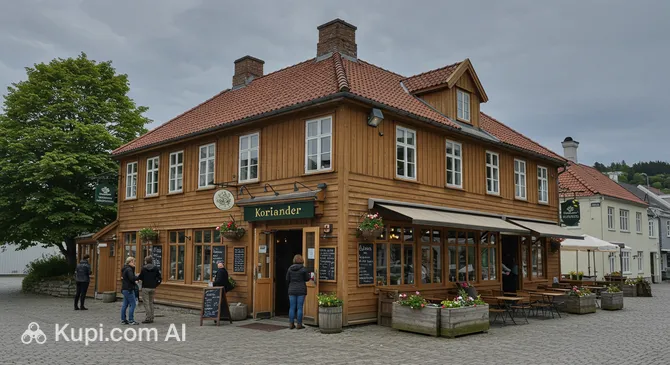
The city's gastronomic map is also surprisingly diverse. After a busy day, it’s worth stopping by Coriander Moss—an establishment that attracts visitors with its atmosphere and attention to food quality. It is a great place to relax and enjoy dinner in pleasant company.

Koriander Moss. Illustration.
Source: Kupi.com AI

Traveler photos:

For lovers of oriental flavors, Ming Restaurant is highly recommended. Here, Asian traditions are adapted for the European guest, and the hospitable service leaves the warmest memories of the visit. Visiting local restaurants and cafes is a wonderful way to better understand the modern rhythm of life in this cozy Norwegian city.

Local Cuisine

The gastronomy of Moss is a harmonious symbiosis of classic Norwegian traditions and modern culinary trends. The main heroes of the local table are invariably fresh fish and seafood, caught directly in the waters of the Oslofjord. A special place on the menu is held by salmon, cod, and mussels, which are prepared here with great skill: baked, smoked, or used as the basis for hearty stews.

Travelers wishing to experience authentic flavors should definitely try fiskesuppe—a thick creamy soup with fish and vegetables that perfectly warms you on a cool day. This dish is rightfully considered a hallmark of the region. For those ready for bold gastronomic experiments, local establishments offer rakfisk—fermented fish, which is highly valued by gourmets for its unique taste. Meat lovers will also find plenty to enjoy: dishes made of venison and lamb with seasonal vegetables are prepared excellently here.

The food culture in the city is not limited to fine dining restaurants. In cozy cafes and street food trucks, you can enjoy popular pastries: fresh cinnamon buns and the famous Norwegian waffles with jam. These desserts pair perfectly with aromatic coffee, which is an integral part of the locals' daily lives.

For those who want to bring home a tasty souvenir or arrange a picnic, the farmers' markets are an excellent destination. Local cheeses, honey, and homemade pastries are always in abundance here. Additionally, Moss often hosts gastronomic festivals where you can attend chef masterclasses and taste the region's best products, immersing yourself in the atmosphere of a true culinary celebration.

Travel Tips

Moss is a hospitable and peaceful city where travelers will feel comfortable if they consider a few local features in advance. To ensure your trip goes smoothly and leaves only pleasant memories, we have prepared a list of practical recommendations relevant to this region of Norway.

  1. Clothing and Gear. The weather on the shores of the Oslofjord is changeable. Even in summer, a cool wind can blow, so the principle of layering is your best friend. Be sure to bring a windproof jacket and comfortable flat-soled shoes for walking on cobblestones and natural trails. An umbrella or raincoat is a must-have accessory in any season.
  2. Transport Logistics. The city center is compact and best explored on foot. For trips to the outskirts or neighboring areas, it is convenient to use buses (the Vy or Entur apps will help with the schedule). Taxis are expensive, so public transport remains the priority choice. Renting a car only makes sense if you plan an extensive journey through the Østfold region.
  3. Finance and Payment. The country has almost completely switched to cashless payments. Cards are accepted everywhere: from museums to tiny hot dog stands. You will likely not need cash crowns (NOK), but having a small amount just in case is okay. Be prepared for high price levels: the average bill in cafes and shops can be higher than in most European countries. Tips are usually included in the bill, but rounding up the amount is welcomed.
  4. Health and Safety. Moss is a very safe city where you can walk calmly even in the evening. Pharmacies (look for the Apotek sign) follow standard shop hours and close early; there are few 24-hour on-duty pharmacies. You can and should drink water straight from the tap—it is pure and very tasty here.
  5. Communication and Language. Practically all locals speak English fluently, so there will be no language barrier. However, a few phrases in the local language, such as "Takk" (thank you) or "Hei" (hello), will always bring a smile. Wi-Fi is available in many public places, trains, and cafes. For mobile internet, it is more profitable to buy a prepaid SIM card (MyCall, Telia, or Telenor) at Narvesen or 7-Eleven stores.
  6. Local Etiquette. Norwegians value personal space and quiet. It is not common to talk loudly on the phone in public transport. When entering a private home, be sure to take off your shoes. Greetings are usually reserved; handshakes are used when meeting, and hugs only with close friends.
  7. What to Avoid. Do not try to haggle in shops or markets—prices are fixed here, and bargaining is considered inappropriate. Also, do not delay purchasing alcohol until evening: the sale of alcohol is strictly regulated by time, and spirits are only sold in specialized state Vinmonopolet shops, which close early and do not work on Sundays.
  8. Culinary Lifehack. While in Moss, be sure to try the local gastronomic specialty that this city is famous for—pølse i vaffel (sausage in a waffle). It might sound strange, but for Moss residents, it is a cult combination that can be found at fast-food kiosks. Don't miss the chance for a unique taste experience!

By following these simple tips, you will be able to feel confident and relaxed in Moss, just like a local. Enjoy the fresh sea air, the coziness of ancient streets, and the unique atmosphere of this wonderful city!

Entertainment & Nightlife

Nightlife and entertainment in Moss are characterized by a quiet but atmospheric nature. Here, you won't find massive megacity clubs with long queues, but the city is famous for its cozy pubs, gastro-bars, and cultural venues where you can spend a great evening with friends or locals. Most activity is concentrated in the city center and along the picturesque canal that separates the mainland from the island of Jeløy.

The center of attraction in the evening is the Møllebyen (Mill City) district. This is the historic heart of the industrial past, where old brick factory buildings have been repurposed into modern cultural spaces. It houses a cinema, a library, and the Verket Scene concert venue, which regularly hosts performances by Norwegian bands and jazz nights. The atmosphere here is creative and democratic, with no dress code in most establishments—casual style is appropriate everywhere.

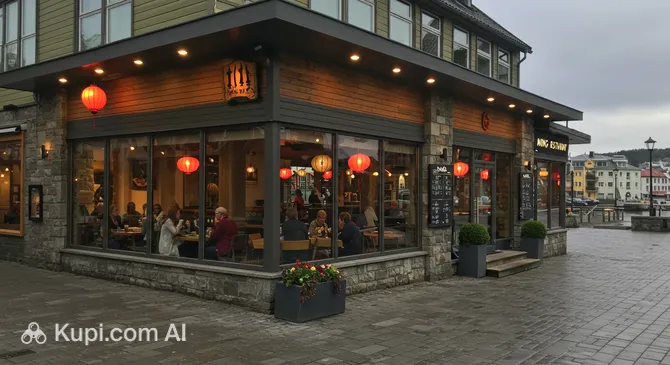
For starting the evening or having a hearty dinner before heading to the bars, local restaurants that stay open late are perfect. If you prefer Asian cuisine in an elegant setting, it's worth visiting Ming Restaurant. This establishment has long established itself as a place with excellent service and a relaxing atmosphere, suitable for long conversations over a glass of wine.

Ming Restaurant. Illustration.
Source: Kupi.com AI

Traveler photos:

Another bright spot on the city's evening gastronomic map is Coriander Moss. Groups often gather here to enjoy the spicy aromas of Indian cuisine. It’s a great place to "warm up" before exploring the local drinking establishments. In the summer, life thrives on the open terraces along the waterfront (Sjøbadet), where you can watch the sunset with a view of the Oslofjord.

Practical tips for night owls:

  • Opening Hours: Most bars on weekends stay open until 1:00 or 2:00 AM. On weekdays, activity usually winds down by 11:00 PM. It's best to arrive around 8:00–9:00 PM to secure a good table.
  • Prices and Alcohol: Alcohol in Norway is expensive. The average price for a glass of beer in a bar can be 90–120 NOK. Spirits and cocktails will cost significantly more.
  • Safety: Moss is an extremely safe city. Night walks through the center and along the waterfront pose no risks. However, as elsewhere, you should keep an eye on your personal belongings.
  • Transport: Night buses are rare, so the primary way to get around after the bars close is by taxi. It's best to order them via an app or by phone, as "hailing" a car on the street can be difficult. Taxi stands are usually located near the central station or the main square.

Regarding daytime entertainment, Moss offers just as many interesting options. Art lovers will appreciate the famous Galleri F 15 on Jeløy Island, while families with children can head to the parks or visit local museums. For those who want to combine entertainment with shopping, the doors of large complexes like Rygge Storsenter are always open, offering shopping as well as lounge areas and cafes.

Parks & Museums

Moss is a city where cultural heritage and natural beauty are intertwined surprisingly harmoniously, offering tourists much more than just a view of the fjord. Here, green zones flow smoothly into historic quarters, and modern art spaces sit alongside century-old estates, creating a unique route for walking and inspiration.

The main natural gem of the region is rightfully considered Jeløy. Locals often call it the "Green Island," although technically it is a peninsula. It is the perfect place for those seeking peace: there are kilometers of hiking trails passing through dense forests and leading to picturesque stony beaches. Special attention should be given to the recreation area around the Alby Gård estate—here you can not only enjoy views of the Oslofjord but also have a picnic on the well-kept lawns.

Within the city, Nesparken, located on the shores of Lake Vansjø, is very popular. It is a favorite vacation spot for citizens and will be interesting to tourists as well, thanks to its well-equipped beaches and opportunities for active recreation. In summer, the park becomes a hub of activity, offering excellent conditions for swimming and evening walks along the water, away from the coastal sea winds.

Art connoisseurs should definitely visit Galleri F 15, located in the aforementioned Alby estate. It is one of the oldest and most prestigious contemporary art institutions in Norway. The gallery is known for its bold and unconventional exhibitions that often challenge traditional perceptions of creativity. A visit here is interesting not only for the exposition but also for the opportunity to try the famous local "Alby-kringle" pastry in the gallery cafe.

To understand the soul of the city, you must look into the Moss City and Industrial Museum (Moss by- og industrimuseum). It is located in the historic Møllebyen district, among the old brick buildings of former factories. The exhibition fascinatingly tells how the energy of waterfalls turned Moss into an industrial center known for its paper and flour production. This place allows you to see how the industrial past shaped the modern look of the city.

From a historical perspective, the most important site is Konventionsgården (The Convention House). It was here in 1814 that the Convention of Moss was signed, playing a key role in the peaceful union of Norway and Sweden. Although the building is not always open for public visits inside, its architecture and historical significance make it an important point on the city's tourist map.

For those looking for truly authentic experiences, we suggest walking a section of the Kyststien (Coastal Path) on the southern tip of Jeløy. This is a less crowded route where you can find hidden coves and enjoy the silence while watching ships pass in the distance—an ideal way to feel at one with the rugged but beautiful Norwegian nature.

Getting Around

The public transport system in Moss is efficiently organized and intuitively understandable, making getting around the city comfortable even for those here for the first time. Since the city is quite compact, many attractions in the center are accessible on foot; however, for trips to outlying areas, Jeløy Island, or shopping centers, the local transport network will come in handy.

The main form of urban transport is buses. The route network covers almost the entire city and its nearest suburbs. Buses are modern, comfortable, and generally run strictly on schedule. The main transport hub is the terminal near the railway station and the city center, from which routes depart to all key points. For trip planning, the national Entur app or the local schedule from the operator Østfold Kollektivtrafikk are indispensable assistants.

A unique transport feature of Moss, which is also often used as an attraction, is the ferry crossing Moss—Horten (Bastøferga). This is the busiest ferry line in the country, connecting the two shores of the fjord. Ferries run very frequently, and the trip takes only about 30 minutes. It is a great way not only to cross to the other side but also to enjoy sea views with a cup of coffee on board.

The fare payment system is highly digitized. The most advantageous and convenient way to buy tickets is through the ØstfoldBillett mobile app. In it, you can purchase single tickets as well as 24-hour or weekly passes. Buying a ticket from the driver with cash is not always possible and will cost significantly more, so tourists are strongly advised to take care of this in advance. If you are traveling with a Vy (railway) card, check if it is valid in the arrival zone for transferring to a bus.

As for alternative ways to get around, taxis are available in the city but are considered an expensive luxury. It is better to order a car via apps or by phone, as "hailing" one on the street is not common practice. Taxi stands are usually located near the station and large shopping centers. In the warmer months, cycling is popular—the city's terrain is hilly in places, but the infrastructure for cyclists is well-developed, allowing you to explore the picturesque surroundings at your own pace.

Accommodation

Where to stay:

The choice of accommodation in Moss, while not as extensive as in major metropolises, offers high-quality and atmospheric options for every type of traveler. The city's hotel stock ranges from functional urban hotels to unique historic estates located in picturesque corners of the coast. There are almost no huge chain resorts here, which helps maintain coziness and a personalized approach for every guest.

When choosing an area to stay, focus on the goals of your trip. The city center is ideal for those who plan to actively use public transport or are traveling by train. Staying here puts you within walking distance of the railway station, the waterfront, and the Møllebyen district with its restaurants and galleries. This is a convenient option for business trips and short visits.

If you are looking for seclusion and romance, consider Jeløy Island. These are the "green lungs" of the city, home to some of the most famous historic hotels in the region. Staying here is like a holiday in a country estate: with parks, beaches, and magnificent views of the Oslofjord right from your window. It's the best choice for those who want to enjoy nature and silence without straying far from civilization.

The price range in Moss can be described as medium to high, which is traditional for Norway. Budget options, such as classic hostels, are rare here. Economical travelers should consider renting apartments from locals or, during the summer season, staying in well-equipped campsites in the city's surroundings.

Booking tip: Since the number of hotels in the city is limited and the destination's popularity is growing (especially in summer months and during festivals), it is highly recommended to book accommodation in advance. It is best to do this 2–3 months before the trip via popular online aggregators to guarantee yourself the best view and a reasonable price.

Nearby Cities

For those who want to explore the surrounding area, Moss serves as an excellent starting point for day trips to several interesting nearby locations.

Just a half-hour drive away is Fredrikstad—a true gem of the region. It is famous for its Old Town (Gamlebyen), which is considered one of the best-preserved fortress towns in Northern Europe. A walk through its cobbled streets among 17th-century historic buildings and cozy cafes will give you the feeling of a real journey back in time.

By taking a ferry to the other side of the fjord, you can visit Tønsberg, often called the oldest city in Norway. This place is steeped in Viking history: here you can see a full-size replica of the famous Oseberg ship and stroll along the lively waterfront, full of restaurants and life, especially during the summer season.

Nature lovers should stop by nearby Sarpsborg. Founded by Saint Olaf, the city is known for the Sarpsfossen waterfall. It is not the highest, but it is one of the most powerful and voluminous waterfalls in Europe; the sight of the churning water leaves an indelible impression.

CityPopulationDistance
Rygge16 1456 km
Horten20 50412 km
Råde7 50013 km
Borre24 27215 km
Skoppum2 40017 km

These nearby destinations offer an insight into the diverse culture and landscapes of the region.

Shopping & Souvenirs

Shopping in the city of Moss is a pleasant combination of leisurely strolls through cozy central streets and visits to modern shopping complexes. The city is not overloaded with the hustle and bustle typical of large megacities, allowing you to shop at a relaxed pace. Particular attention should be paid here to stores with home and interior goods, as famous Scandinavian design is presented in local shop windows in all its glory.

The heart of commercial life in the central part of the city is the pedestrian street Dronningens gate. Here, among historic buildings, you'll find small clothing boutiques, cozy bookstores, and jewelry shops. A walk through this area perfectly combines the search for new items with sightseeing of the city's architecture and relaxation in one of the many outdoor cafes.

For those who prefer large-scale shopping with a wide selection of brands under one roof, excellent shopping venues operate in and around the city. A popular spot is Mosseporten, where you can find everything you need: from fashion clothing and footwear to electronics. This is a convenient location for family shopping, situated near the main highway.

Another important point of attraction for shopping enthusiasts is Rygge Storsenter. This modern mall offers a wide range of goods and services, making it an excellent option for leisure, especially on a rainy day. Both well-known international chains and high-quality Norwegian brands, which are rarely found abroad, are represented here.

If you are looking for something unique and authentic, instead of classic markets, head to Jeløy Island to the cultural center at the Røed Gård estate. This place is famous for its craft workshops and small galleries. Here you can purchase designer ceramics, art glass, paintings by local artists, and handmade textiles. This is a space with a special creative atmosphere, where every item preserves the warmth of the master's hands.

As souvenirs from Moss, it is worth bringing back traditional Norwegian knitwear—sweaters with classic patterns that will keep you warm in any cold. Also popular are troll figurines, pewter items, and gastronomic gifts: the famous brown cheese brunost, smoked fish, or locally produced craft chocolate.

Shops in the city center are usually open from 10:00 AM to 5:00 PM or 6:00 PM on weekdays, and they close earlier on Saturdays, around 3:00 PM–4:00 PM. Large shopping centers stay open longer—often until 8:00 PM. On Sundays, most shops are closed, except for small grocery stores and souvenir kiosks. Credit card payments are accepted everywhere; cash is practically not required.

Tourists residing outside the Nordic countries can take advantage of the Tax Free system. In Norway, this option is available when purchasing goods over a certain minimum (usually around 315 NOK) in stores marked with the Global Blue logo. Don't forget to ask for a special receipt at the checkout to get a partial refund of the money spent when leaving the country.

Reached the end of the page?

That means the route is fully explored