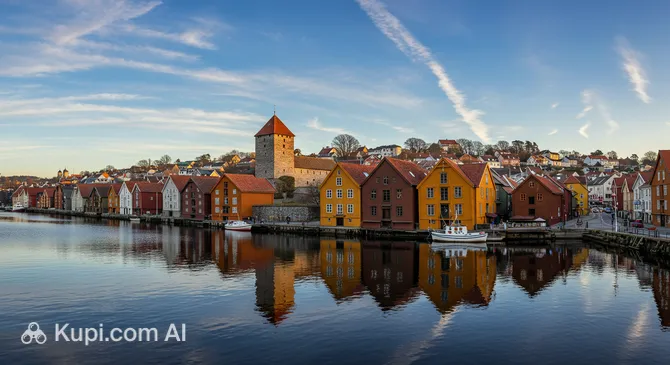
Fredrikstad is a cozy and picturesque city located in the southeast of the country, where the majestic Glomma River meets the waters of the Oslo Fjord. This is a place where fresh sea air fills the lungs and landscapes inspire with their tranquility. Located in the Østfold region, Norway reveals itself here from a special side: as a land of a harmonious combination of ancient traditions and modern life. With a population of about 84,000 people, the city is lively enough to offer a developed infrastructure, yet it retains a surprisingly friendly and relaxed atmosphere.
Fredrikstad. Illustration.
Source: Kupi.com AI
The true heart and main pride of the city is Gamlebyen (the Old Town)—a uniquely preserved Renaissance fortress city, considered one of the best in Northern Europe. Strolling along its cobbled streets, surrounded by earthen ramparts and water-filled moats, feels like stepping back in time. The rich history of Fredrikstad is felt here in every stone: from ancient gates to historical buildings that today house cozy cafes, craft shops, and art galleries.
In addition to the historical center, Fredrikstad offers many other activities. You can take a ride on the city ferries, admiring the views from the water, or head out on a family walk to the miniature railway. Proximity to the archipelago and the national park makes the city an excellent starting point for nature lovers. Fredrikstad is an ideal destination for a leisurely vacation, inspiration, and discovering new facets of Scandinavian culture.
Weather Overview
The climate in Fredrikstad can be characterized as moderate, with a noticeable influence from its proximity to the sea, which softens seasonal temperature fluctuations. There are no extremely severe frosts typical of northern regions, and the summer usually pleases with comfortable warmth, ideal for long walks along the fortress walls.
The summer season is the most pleasant time for a trip. In July, the warmest month, the average temperature is about 17.5°C, and during the day the air often warms up to 21°C. However, the weather in Fredrikstad can be changeable: even in summer, rains occur regularly, about 12–13 days a month, so an umbrella or raincoat in your suitcase will not be redundant.
Winter here is quite mild. In January and February, the thermometer usually stays around 0°C, only occasionally dropping below -2.5°C at night. The "wettest" month is December with 16 days of precipitation, while April is relatively dry (only about 7 rainy days). Expect a moderately warm summer with occasional rain and a cool, damp winter, making the city accessible for visits year-round with the right gear.
Average monthly temperature
Average monthly precipitation
Interesting Facts
In addition to the main attractions, Fredrikstad holds many fascinating secrets and unique features that make a visit truly memorable. Here are some facts to help you get to know this amazing city better:
Fredrikstad was founded by King Frederick II in 1567 as a replacement for the destroyed neighboring city of Sarpsborg. Today, its historical center represents one of the best-preserved fortresses in Northern Europe, where you can still walk along authentic Renaissance earthen ramparts and bastions.
For fans of detailed worlds, the Old Town Model Railway Center is open here. It is the largest exhibition of its kind in Scandinavia, where among picturesque landscapes, you can even find an exact miniature copy of Old Fredrikstad itself.
One of the city's hallmarks is the free city ferries, Byfergene. They serve as public transport, plying the Glomma River between the historical part and modern districts, allowing everyone to enjoy views of the waterfronts from the water.
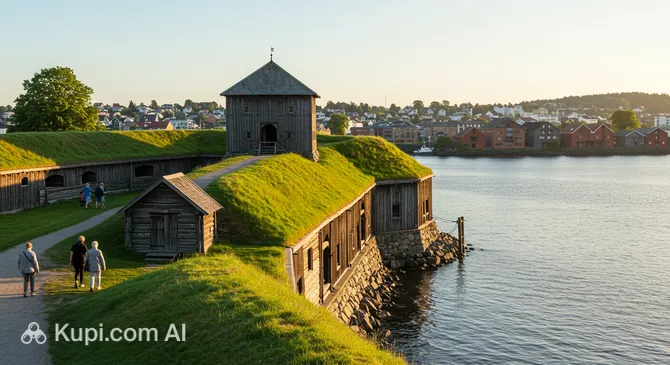
On a small island within the city limits lies Isegran Fort, which is considered the cradle of the region's maritime culture. Unique historical buildings have been preserved here, and the atmosphere of an old port settlement prevails.
Isegran Fort. Illustration.
Source: Kupi.com AI
Traveler photos:
How to Get There
When planning a trip, it is important to think through the logistics in advance. You can find out more about how to get to Fredrikstad on a separate page where all available options are gathered. The city is located in the southeast of the country, and thanks to the developed infrastructure of the Østfold region, getting here is easy both from the capital and from neighboring Sweden.
Fredrikstad itself does not have its own airport for scheduled passenger flights. The main hub for travelers is Oslo Airport Gardermoen (OSL), located in the city of Oslo. It is approximately 109 km from Fredrikstad and is the main air gateway through which Norway receives most international guests. The journey from the airport by train or express bus takes about 1.5–2 hours. Another popular option, especially for budget airlines, is Sandefjord Airport Torp (TRF). Formally, it is only 39 km away as the crow flies, but it is located on the opposite shore of the fjord in the Oslo/Sandefjord region, so the journey by land or using a ferry will take longer.
For convenience, here is summary information on the main airports:
Rail service in this region works excellently. The key transport hub is Oslo Central Station, located in the capital, about 109 km from Fredrikstad. Direct trains on the Østfold line depart from here, taking you to your destination quickly and comfortably. If you are planning a trip from Sweden, a convenient entry point is Gothenburg Central Station in the city of Gothenburg (about 192 km from Fredrikstad), from where you can also continue by train or bus.
Below is information on the nearest major railway stations:
Fredrikstad offers guests a harmonious blend of historical monuments and modern entertainment. A walk through the city is a journey through time, where every corner tells its own unique story, whether it be ancient fortifications or lively shopping districts.
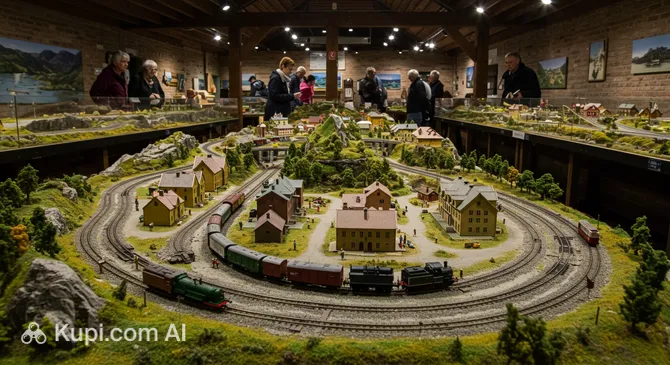
One of the most amazing locations hidden in the heart of the historic district is the Old Town Model Railway Center. This place is capable of waking up the child in every adult. The exhibition impresses with its scale and detail: miniature trains travel through painstakingly recreated landscapes, cities, and rural scenes. Particular attention is paid to architectural accuracy, including a scaled-down copy of Old Fredrikstad itself. Visitors can not only observe but also control some elements of the layout, making the visit interactive and exciting.
Old Town Model Train Center. Illustration.
Source: Kupi.com AI
Traveler photos:
For those looking for inspiration by the water, Isegran Fort is a must-visit. Located in a picturesque spot where the Glomma River flows into the sea, this historical complex serves as a magnificent viewing platform. Here you can admire old wooden buildings, gardens, and majestic views of the city harbor. It is an ideal place for leisurely walks, picnics, and getting to know the region's maritime heritage in an atmosphere of complete tranquility.
If you want to switch to a modern rhythm of life and do some shopping, it's worth checking out Torvbyen. This is one of the largest shopping centers in the region, offering a wide selection of stores, from well-known brands to local boutiques. Here you can not only update your wardrobe but also relax in one of the many cafes, enjoying the cozy atmosphere after a busy day of sightseeing.
Local Cuisine
Fredrikstad's cuisine is a true reflection of its seaside location. Here, where the river meets the sea, the foundation of the gastronomic scene is the freshest seafood. Travelers should definitely try dishes made from Atlantic salmon, tender cod, and the famous local shrimp, which are often served simply on fresh bread with mayonnaise and lemon. This is a simple but incredibly delicious delicacy that can be found in both fine establishments and fish markets.
If you want to enjoy fine dining and the fruits of the sea in an elegant setting, look at Restaurant Slippen. This establishment is famous for its skill in turning traditional Norwegian ingredients into culinary masterpieces while preserving their natural flavor. The menu often features variations of the classic creamy fish soup "fiskesuppe," which will warm you up on a cool day and provide a sense of home comfort.
For those looking for a more informal atmosphere, Café Magenta in the Old Town is a perfect fit. Here you can not only grab a bite but also immerse yourself in the city's cultural life, as the cafe often serves as a venue for musical concerts. For dessert, be sure to order traditional heart-shaped Norwegian waffles, which are usually eaten with jam or a slice of sweetish brown cheese, "brunost."
As for drinks, Norwegians are great coffee lovers, and Fredrikstad is no exception; a cup of the aromatic drink accompanies almost any meeting here. Among alcoholic beverages, aquavit stands out—a strong infusion of herbs and spices (most often caraway or dill), traditionally served with hearty meat and fish dishes, especially on holidays. Local craft beer is also popular in the city and pairs perfectly with local snacks.
Travel Tips
A trip to Fredrikstad promises to be peaceful and comfortable, but as with any journey through Scandinavia, a little preparation will make your vacation much more pleasant. We have gathered some practical recommendations to help you feel confident from the first minutes of your stay in this cozy city.
Clothing and Essentials: The weather here can change several times a day. The best principle in clothing is layering: a T-shirt, a fleece sweater, and a windbreaker. Be sure to bring an umbrella or a high-quality raincoat, as rain happens often. For walks along the cobblestones of the Old Town (Gamlebyen), comfortable flat shoes are critically important—heels will only get in the way here.
Transport: The main transport feature of the city is the free city ferries (Byfergene). They connect the center, the Old Town, and other districts, operating strictly on schedule. This is not only a way of getting around but also a great excursion. Renting a car within the city is not necessary, as all main attractions are within walking distance. Taxis in Norway are very expensive, so it is better to rely on your feet and the ferries.
Finances: The local currency is the Norwegian Krone (NOK). However, you most likely won't need cash: cards are accepted absolutely everywhere, even in small kiosks and toilets. ATMs (Minibank) are easy to find, but withdrawing cash only makes sense for souvenirs at fairs. Be prepared for high prices for food and services—plan your budget with a margin.
Health and Safety: Fredrikstad is a very safe city where you can walk peacefully even at night. You can and should drink water straight from the tap—it is clean and tasty. Pharmacies are marked with the sign "Apotek"; keep in mind that there may not be 24-hour pharmacies in the center, so it's better to bring a basic set of medicines with you.
Communication: Almost all locals speak English fluently, so there should be no language barrier. For navigation, download offline maps, although mobile network and 4G/5G coverage here is excellent. Free Wi-Fi is available in many cafes, hotels, and on ferries.
Local Etiquette: Locals value personal space and quiet. In public places, it is not customary to talk loudly on the phone or show intense emotions. It is customary to say hello when entering shops or the bus. Tipping in restaurants is not a strict obligation, as service is included in the bill, but rounding up the amount or 5-10% for excellent service is welcome.
What to Avoid: Do not try to buy wine or spirits in ordinary supermarkets—they only sell beer, and only until a certain time (usually until 20:00 on weekdays and 18:00 on Saturdays). For stronger drinks, you need to go to specialized state stores called Vinmonopolet, which close early and do not work on Sundays.
Store Operating Hours: Remember that most shops and shopping centers are closed on Sundays. Only small grocery stores (often called "Joker" or "Bunnpris") and souvenir shops in tourist zones like the Old Town may be open.
Fredrikstad is an incredibly hospitable city where it is easy to feel at home. By following these simple tips, you can avoid minor troubles and fully focus on the beauty of ancient streets, seascapes, and the unique atmosphere of this Norwegian corner.
Entertainment & Nightlife
Entertainment:
The entertainment life of Fredrikstad harmoniously combines the relaxed atmosphere of a seaside city with the liveliness of the region's cultural center. The main activity in the evening focuses along the Glomma riverfront (Bryggepromenaden). This is a favorite spot for both locals and tourists: here you can take a promenade, enjoying views of the water and historical architecture, or choose one of the many establishments for relaxation.
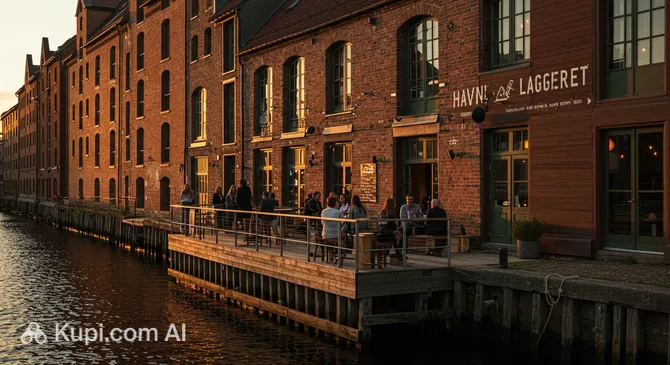
For those who want to immerse themselves in the authentic atmosphere of a port bar, Havnelageret is an excellent choice. This establishment is located in an old warehouse building right by the water and is famous for its character. Here you can not only appreciate the range of drinks but also feel the true spirit of the city, watching the boats in the harbor from a spacious open terrace, which is packed to capacity on sunny days.
Havnelageret. Illustration.
Source: Kupi.com AI
Traveler photos:
If you prefer a more modern and stylish setting for your evening leisure, it's worth looking into Tæps. This place successfully combines the concept of a restaurant and a bar, offering guests not only delicious food but also a great atmosphere for long conversations with friends. The interior invites you to stay a little longer after dinner.
Fredrikstad's cultural calendar is also quite full. The city is known for its cinema, Fredrikstad Kino, which has been repeatedly recognized as the best in Norway thanks to its high-quality sound and comfortable halls. Additionally, during the summer season, the city comes alive with festivals such as Glommafestivalen and Månefestivalen, when live music echoes through the streets and squares, and the waterfront turns into one large festive zone.
Parks & Museums
The cultural landscape of Fredrikstad is as rich and diverse as its nature. The city harmoniously combines well-kept park areas with the wild beauty of the coast, while local museums offer a fascinating immersion into the history and art of the region that goes far beyond standard exhibitions.
For those who want to enjoy nature, a trip to Ytre Hvaler National Park, located in the immediate vicinity of the city, will be a real discovery. This is the first marine national park in Norway, where you can walk along picturesque rocky shores (skerries), breathe in the fresh sea air, and observe the rich coastal fauna. Within the city itself, a wonderful place for outdoor relaxation is the area around the historical site Isegran Fort. The green lawns and gardens of this peninsula are ideal for leisurely walks and picnics with magnificent views of the Glomma River and the city harbor.
History and art lovers should start their acquaintance with the cultural heritage at the Fredrikstad Museum, located in the old arsenal building (Tøihuset). It features interactive exhibitions detailing the military and civil history of the city over the centuries. A special atmosphere of creativity can be felt at Bastion 5—a unique art cluster within the fortress walls, where galleries and workshops of contemporary artists, glassblowers, and jewelers are located in former casemates. And for those looking for unconventional experiences, the Old Town Model Railway Center is a must-see. This miniature museum captures the imagination with its meticulous detail and allows you to see the world on a smaller scale.
If you want to take a break from the tourist hustle and bustle, stop by the Commander's Garden (Kommandanthagen), hidden inside the ramparts of the Old Town. This is a quiet and cozy garden with ancient trees and a pond that few travelers know about—an ideal place for reading a book or quiet reflection.
Getting Around
The public transport system in Fredrikstad is organized conveniently and logically, but it has one unique feature that sets this city apart from many others. Due to its location at the mouth of the Glomma River, water transport plays no less, and sometimes more of a role than land transport. For a tourist, this means that moving between districts can become not just a necessity, but a real adventure.
The main pride of the transport system is the city ferries (Byfergene). They ply the river, connecting the modern center, the historical Old Town (Gamlebyen), Isegran island, and the Gressvik district. The best part for travelers is that riding these ferries is absolutely free. They run frequently, strictly according to schedule (usually every 15–20 minutes, slightly less often on weekends), and allow you to enjoy city views from the water without extra cost.
For trips to remote areas or neighboring settlements of the Østfold region, an extensive network of buses is used. The operator is the company Østfold Kollektivtrafikk. The buses are modern, comfortable, and run regularly. It is important to remember that schedules on weekdays and weekends can differ significantly, and night routes are usually only available on Friday-to-Saturday and Saturday-to-Sunday nights.
Payment for bus travel is primarily done cashless. The most advantageous and simple option is to download the mobile app ØstfoldReise. In it, you can buy single tickets or 24-hour passes. The ticket is activated at the time of purchase or before boarding and is usually valid for 90 minutes, allowing you to make transfers within one zone (all of Fredrikstad and the surrounding area generally fall into one zone). Buying a ticket from the driver with cash is possible but will cost significantly more, making the app the number one choice.
If you prefer an active lifestyle, during the warm season (usually from spring to autumn), a city bike system operates in the city. This is a great alternative for short trips along the waterfronts. To use the service, you will also need a special app to unlock a bike at a station.
Taxis in Fredrikstad are available but are considered an expensive pleasure even by local standards. It is better to order a car in advance by phone or app, as catching a free taxi on the street can be difficult, except at stands near the station or large shopping centers. Given the compactness of the center and the availability of free ferries, tourists rarely resort to taxi services.
To plan routes, it is recommended to use the national planner Entur or the same ØstfoldReise app. They show the current departure times for all types of transport, including ferries and buses, in real time, allowing you to manage your trip time as efficiently as possible.
Accommodation
Accommodation options in Fredrikstad, while not numbering in the hundreds, offer a decent choice for a comfortable stay: from modern chain hotels to unique historical guest houses and cozy apartments. The city is compact, so no matter where you stay, the main attractions will be within easy reach.
When choosing a location, tourists usually consider two main areas, each with its own character:
City Center (Sentrum): This area is located on the west bank of the Glomma River. Modern life is concentrated here, with shopping centers such as Torvbyen and transport hubs (the railway station and bus station). Staying here is convenient for those planning active trips around the region or who prefer to be in the thick of things, close to restaurants and the waterfront.
The Old Town (Gamlebyen): If you are looking for romance and quiet, there is no better place. Staying within the fortress walls allows you to enjoy the medieval atmosphere once the day tourists have departed. However, keep in mind that the choice of housing here is limited to small guesthouses and historical hotels, and prices can be higher.
The price range for accommodation varies from medium to high, which is typical for Norway. There are few budget hostels in the classic sense. Budget travelers often choose campsites located on the outskirts or closer to the archipelago, where you can rent a cabin (hytte) or a spot for a tent. Comfort lovers will find excellent 4-star hotels with Scandinavian design and hearty breakfasts.
Booking Tip: Fredrikstad is a popular destination for domestic tourism, especially during the summer period (July–August) and during major festivals. On these peak dates, demand significantly exceeds supply. It is highly recommended to book accommodation 2–3 months before your trip. For searching and payment, it is most convenient to use major international online platforms, although some small guest houses also accept direct bookings through their websites.
Nearby Cities
For those who want to explore the surroundings, Fredrikstad serves as an excellent starting point for day trips to several interesting nearby locations. The Østfold region and the coast of the Oslo Fjord are rich in attractions that are easily accessible by train, bus, or car.
Very close by, literally a 15-minute drive away, is Sarpsborg—a city founded by King Olav the Holy. Its main natural gem is Sarpsfossen, one of the most powerful waterfalls in Europe, which is especially impressive in the spring. A bit further south, right on the border with Sweden, lies picturesque Halden. Tourists come here for the majestic Fredriksten Fortress towering over the city and the cozy atmosphere of the border port. And if you cross the fjord (by ferry from Moss), you can reach Tønsberg—Norway's oldest city, steeped in Viking history and maritime traditions.
These nearby destinations provide an insight into the diverse culture and landscapes of the region, making your journey through southeastern Norway even more rewarding.
Shopping & Souvenirs
Shopping:
Shopping in Fredrikstad is a fascinating journey between two eras. The city offers a unique combination of modern retail in the center and atmospheric craft shops in the historical part. There aren't as many massive hypermarkets as in the capital, but you can find truly exclusive items created by local craftsmen and enjoy a calm shopping process without unnecessary rush.
The main shopping artery of the modern part of the city is the pedestrian street (Gågata) in the center. Popular Scandinavian clothing brands, cozy boutiques, and home goods stores are concentrated here. However, the real gem for lovers of unusual purchases is the Old Town (Gamlebyen). Strolling through its cobbled streets, you will find many small galleries, antique shops, and workshops selling unique handmade products, from ceramics to textiles. Unlike standard shopping districts, shopping here is more like a visit to an open-air museum.
If you prefer comfort and variety under one roof, you should head to Torvbyen. This is the largest shopping center in the region, located right next to the bus station. It houses several dozen stores offering everything you need: from fashionable clothes and shoes to electronics and cosmetics. It is an ideal place to take shelter from the weather and make all necessary purchases in one spot.
Torvbyen Shopping Center. Illustration.
Source: Kupi.com AI
Traveler photos:
The city's market culture is also noteworthy. On the main square, Stortorvet, stalls with fresh farm products, flowers, and seasonal berries are often set up. The weekly flea market in the Old Town, which usually operates on Saturdays in the fortress's main square, has a special charm. Here you can find old coins, vintage dishes, books, and other treasures with a history.
When choosing souvenirs, pay attention to glass products. Fredrikstad is famous for its traditions of glassblowing, and in local studios, you can purchase stunning vases or jewelry created right before your eyes. Traditional Norwegian sweaters with patterns, troll figurines, and, of course, gastronomic gifts are also popular: brown "brunost" cheese, local honey, or handmade chocolate.
Opening hours for stores in Fredrikstad are standard for Norway. Large shopping centers are usually open from 10:00 to 20:00 on weekdays and until 18:00 on Saturdays. Street shops often close earlier—around 17:00. It is important to remember that Sunday is a day off for most shops, except for small souvenir shops in tourist zones and essential grocery stores.
The Tax Free system is available for tourists living outside Scandinavia. If you make a purchase over a certain limit (usually around 315 NOK) in a store with the "Global Blue" logo or similar, ask for a tax refund check. You can get part of the funds back when leaving the country at the airport or at the border.
As for payment, Norway is a country that has almost completely switched to cashless payments. Bank cards are accepted everywhere: from large boutiques to small market stalls. Cash may be needed in very rare cases, so it makes no sense to exchange large sums.