Support

Sarpsborg

About

Sarpsborg is a picturesque and cozy city located in the valley of the country's largest river, the Glomma. Situated in southeastern Norway, it offers travelers a unique combination of a relaxed Scandinavian pace of life and well-developed urban infrastructure. Thanks to its favorable location just an hour's drive from Oslo, Sarpsborg has become a popular spot for those wanting to experience the authentic beauty of the region without straying far from the capital.
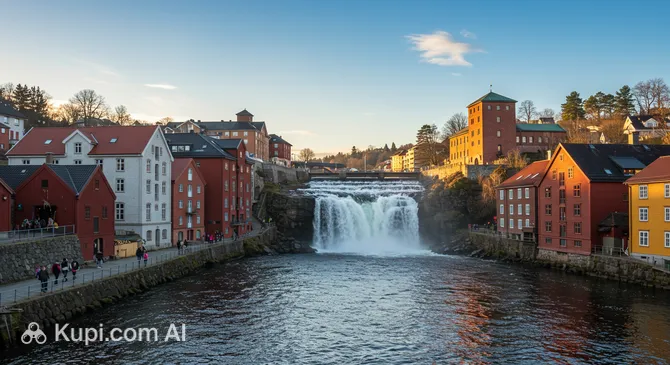
Sarpsborg. Illustration.
Source: Kupi.com AI

With a population of about 54,600, the city serves as an important administrative center for the Østfold region. Despite its status, an atmosphere of harmony and tranquility prevails here: well-kept streets, green hills, and dense surrounding forests create ideal conditions for a break from the hustle and bustle of big cities. Local residents are known for their friendliness, making any stay here particularly comfortable.

The area's main natural treasure is the famous Sarpfossen waterfall — one of the most powerful in Europe, with a force that is truly awe-inspiring. In addition to its natural beauty, tourists are drawn to the rich history of Sarpsborg, which is rooted deep in the past. Exploring the old quarters and walking along the waterfront will help you better understand the culture and heritage of this region.

Sarpsborg is an ideal destination for those seeking inspiration in nature and silence. Whether it's a bike ride, a picnic by the waterfall, or discovering the local architecture, this city will leave you with warm memories of the real Scandinavia.
Weather Overview

The climate of Sarpsborg can be described as temperate, which is typical for the southeastern part of the country. Summers here are usually mild and comfortable: in the warmest months, July and August, the average temperature stays around +16...+17°C, while daytime air often warms up to +20...+21°C. This is a wonderful time for nature walks, although you should be prepared for precipitation — there can be 13 to 14 rainy days per month in the summer.

Winters bring a chill, but extreme frosts are rare. In January and February, average figures hover around -1...-2°C, with night drops to -4°C. Since precipitation is distributed fairly evenly throughout the year, the weather in Sarpsborg is often humid, and waterproof clothing is useful in any season. Spring arrives gradually: while it's still cool in March (+1.6°C), by May, the city blooms at a comfortable +12°C.

Expect moderately warm summers with occasional rain and cool winters when the temperature often balances on the edge of freezing. In autumn, especially in October and November, it becomes noticeably fresher, and the number of rainy days remains consistently high, creating that very atmosphere of Scandinavian coziness.

Average monthly temperature

Average monthly precipitation

Interesting Facts

In addition to its main attractions, Sarpsborg holds many fascinating secrets that reveal themselves only to the most curious travelers. This city combines ancient traditions with a modern rhythm, offering guests unique stories.

  • Royal Foundation: Sarpsborg is considered one of the oldest cities in Scandinavia. It was founded in 1016 by the legendary King Olaf II the Holy, who decided to build a fortress on the banks of the Glomma River to protect his lands, forever etching the city into the history of Norway.

  • A Thundering Neighbor: Locals claim that the roar of the famous Sarpfossen waterfall can be heard several kilometers away from the falls themselves. This soundtrack becomes especially impressive during spring floods when the power of the falling water reaches its peak.

  • Knightly Traditions: Every year, the city immerses itself in the atmosphere of the past thanks to a medieval festival. Here, you can not only witness spectacular knightly tournaments but also taste dishes prepared according to old recipes carefully preserved by local chefs.

  • Sporting Pride: The city lives for football: it is home to the Sarpsborg 08 club, a regular participant in the top flight and a true point of pride for local fans who actively support the team at every match.

How to Get There

When planning a trip to this region, it's worth noting that the city has excellent transport accessibility thanks to its proximity to the capital and the border with Sweden. You can find out more about getting to Sarpsborg by considering various route options, but most often tourists choose a flight to one of the major hubs followed by a transfer to ground transport.

The closest airport according to the data is Sandefjord Airport Torp (TRF), formally located in the Oslo region, about 50 km from Sarpsborg (across the Oslo Fjord). It is a popular choice for budget airlines. Since the airport is not in Sarpsborg itself, you will need to take a ferry from Horten to Moss or drive around the bay, which takes about 1.5–2 hours. Information link: Sandefjord Airport Torp.

The country's main gateway is Oslo Airport Gardermoen (OSL), which handles most international flights. It is located approximately 101 km from the city of Sarpsborg. This is the most convenient option for those who value comfort and flight frequency. The journey by car or direct express bus from the airport takes about an hour and a half to two hours. More about this hub: Oslo Airport Gardermoen.

You can also consider arriving via Sweden using Gothenburg Landvetter Airport (GOT). It is located in the city of Gothenburg, about 193 km from Sarpsborg. This is an excellent option if you are planning a road trip through Scandinavia. Link to the airport: Gothenburg Landvetter Airport.

For convenience, here is a summary of the main airports:

AirportPassenger trafficDistance
Torp Sandefjord Airport1.9 mln50 km
Oslo Airport Gardermoen26.4 mln101 km
Karlstad Airport20 607128 km
Göteborg Landvetter Airport5.3 mln193 km
Kristiansand Airport1.1 mln212 km

Railway communication in this region is very well developed. While Sarpsborg doesn't have a major international terminal itself, it sits on the line connecting the capitals of Norway and Sweden. Most tourists first arrive at Oslo Central Station in the city of Oslo, which is about 102 km from Sarpsborg. From there, trains regularly depart towards Halden and Gothenburg, stopping in Sarpsborg. The train journey takes just over an hour.

Another convenient entry point is Gothenburg Central Station in Sweden, located 194 km away. This is a major transport hub from which you can also reach Sarpsborg by train or bus, enjoying scenic views along the way.

Below is information about the nearest major railway stations:

StationPassenger trafficDistance
Nationaltheatret Station14.6 mln73 km
Oslo Central Station54.8 mln102 km
Gothenburg Central Station27 mln194 km
Kristiansand Railway Station221 km
Orebro Central Station2.5 mln234 km

Main Attractions

Sarpsborg offers its guests a variety of leisure opportunities, from immersion in the region's deep history to modern entertainment for the whole family. The city harmoniously combines ancient monuments with developed infrastructure for active recreation, so there is certainly no room for boredom here.

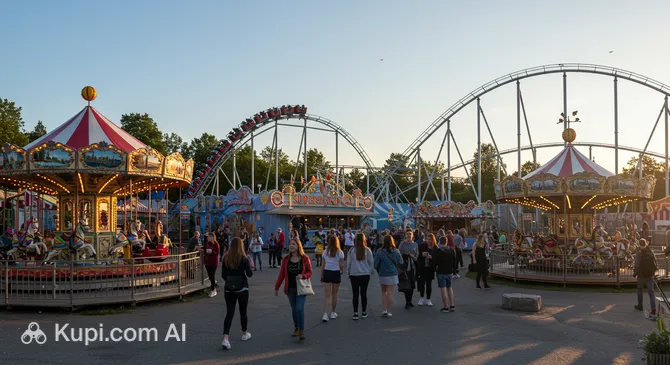
One of the most popular attractions for tourists with children and active leisure enthusiasts is Superland. This is not just an entertainment center, but a true indoor resort that includes a water park, sports fields, and relaxation zones. You can spend the whole day here enjoying water slides or trying your hand at the climbing wall, making it a perfect spot for family weekends in any weather.

Superland. Illustration.
Source: Kupi.com AI

Traveler photos:

For those who want to touch the cultural heritage, the Borgarsyssel Museum is a must-see. Located around the ruins of the medieval St. Nicholas Church, it is an open-air ethnographic complex. Walking among the old wooden buildings moved here from various parts of the Østfold region, you can vividly imagine the daily life and traditions of Norwegians from past centuries.

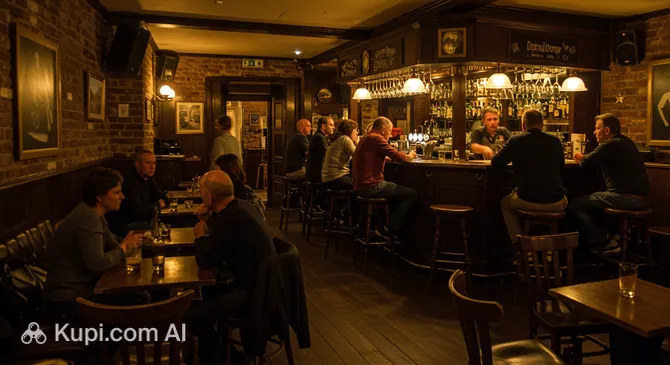
To feel the atmosphere of the old city and enjoy some coziness, stop by Kaffeforretningen Sarpen. This establishment is famous for its special charm and historical interior. It is a pleasant place to take a break after long walks, enjoy a cup of aromatic coffee, and try local treats while feeling like a part of the city's daily life.

Shopping lovers should check out Borg Mall. This large shopping center offers a wide selection of stores, from well-known clothing brands to souvenir shops. It is a great place to buy gifts to remember your trip or simply update your wardrobe, taking advantage of its convenient location and variety of offerings.

Local Cuisine

Sarpsborg's culinary map is a harmonious blend of Scandinavian traditions and the freshness of local products. The city's gastronomic scene focuses on natural flavors, so fish and seafood dishes are especially valued here. Trout, salmon, and pike-perch are served in dozens of variations — from exquisite tartares to simple but incredibly tasty home-style meals. A signature of the region is the traditional "fiske-suppe" — a thick fish soup with cream, fresh herbs, and aromatic spices that will warm you up in any weather.

Meat lovers should pay attention to "kjøttkaker". These are famous Norwegian meatballs, which local establishments prepare with special care and serve with creamy mashed potatoes and sweet and sour lingonberry sauce. Also, at the city's cozy farmers' markets, you can find real delicacies: freshly baked bread, tangy goat cheese, and homemade jams, which make a great addition to breakfast or a picnic.

Kaffeforretningen Sarpen. Illustration.
Source: Kupi.com AI

Traveler photos:

The street food culture in Sarpsborg is quite well-developed. Walking along the waterfront or the center, it's hard to resist the aroma of hot waffles with berries or fresh cinnamon rolls. Another popular quick snack option is traditional sausages wrapped in flatbread (lompe). In summer, gastronomic experiences are complemented by festivals where local chefs present modern interpretations of Norwegian cuisine.

As for drinks, the region is famous for producing excellent craft beer and cider, which pair perfectly with fish dishes. For those who prefer non-alcoholic beverages, the city offers a thriving coffee culture. For example, you can visit Kaffeforretningen Sarpen — an atmospheric place where a cup of aromatic coffee is the perfect end to a busy day.

Travel Tips

A trip to Sarpsborg promises to be peaceful and comfortable, as this Norwegian city stands out for its well-developed infrastructure and hospitality. To ensure your trip goes perfectly and leaves only pleasant impressions, we have prepared a list of useful recommendations to help you feel confident in any situation.

  1. Clothing and Gear: The weather in the region can be changeable, so the best principle for clothing is layering. Even in summer, be sure to bring a waterproof windbreaker or raincoat, as rain is not uncommon here. For walks to the Sarpfossen waterfall and along historical trails, you'll need comfortable, broken-in flat shoes, preferably with a non-slip tread.
  2. Transport: The city center is compact enough for walking, but for trips around the Østfold region, it is convenient to use buses. Public transport runs strictly according to schedule. Taxis in Norway are expensive, so to save money, it's better to download local apps for route planning (like Entur), where you can buy tickets in advance. Renting a car makes sense if you plan to explore neighboring fjords or drive into Sweden.
  3. Finances and Payment: The official currency is the Norwegian Krone (NOK). However, you'll hardly need cash: bank cards are accepted almost everywhere, from large hotels to tiny hot dog stands. Tipping is not mandatory here, as service is included in the bill, but rounding up the amount in cafes and restaurants is considered good manners. Be prepared for high price levels typical of all of Scandinavia.
  4. Health and Safety: Sarpsborg is a very safe city where you can comfortably walk even after dark, following basic precautions. Pharmacies (Apotek) are well-stocked, but it's better to bring prescription medications with you. You can safely drink water straight from the tap — it is pure and very tasty. The emergency services number is 112.
  5. Communication: The language barrier is unlikely to be an issue: practically all locals, from young people to retirees, speak excellent English. However, a few phrases in Norwegian, such as "Takk" (thank you) or "Hei" (hello), will always bring a smile and make your conversation partner more welcoming. Wi-Fi is available for free in most cafes, hotels, and shopping centers.
  6. Local Etiquette: Norwegians value personal space and silence. In public transport, it's not customary to sit next to a stranger if there are free double seats. Greetings are usually reserved — a handshake at a first meeting is quite appropriate. In queues, keep your distance and never try to push ahead — this is viewed very negatively.
  7. What to Avoid: Do not try to buy strong alcohol in regular supermarkets — it is only sold in specialized state-owned stores called Vinmonopolet, which close early and do not operate on Sundays. Also, avoid loud talking and noise in public places, especially in nature — it's customary to enjoy the silence here.
  8. Sunday Silence: Remember that on Sundays, most shops (except small grocery kiosks and garden centers) are closed. Plan your shopping and grocery runs in advance; Sunday is better dedicated to visiting museums, Superland, or enjoying walks in the fresh air.

Sarpsborg is a place where modern conveniences harmoniously blend with respect for tradition and nature. By following these simple tips, you can easily settle into the local rhythm of life and get the most out of your visit to this cozy corner of Scandinavia.

Entertainment & Nightlife

Entertainment and nightlife:

Sarpsborg's nightlife is characterized by a restrained Scandinavian personality: you won't find massive, noisy mega-clubs open until dawn, but the city boasts a cozy atmosphere of pubs, stylish bars, and live music. Most evening activity is concentrated in the city center, particularly around the pedestrian street St. Marie gate and the main square, Torget. This is where locals and tourists gather to relax after the work week.

The atmosphere in these establishments is casual and relaxed. Most places have no dress code or stick to smart casual. The crowd is friendly and calm, and conflicts are extremely rare. If you are looking for a place with historical charm, be sure to visit Kaffeforretningen Sarpen. This venue is a true city legend: it functions as a cozy coffee shop by day and turns into a popular bar in the evening, where you can enjoy a glass of wine or beer in an authentic setting.

For those who prefer combining an evening stroll with shopping or are just looking for a meeting spot before heading to the cinema, Stopp Tune is an excellent option. This shopping complex offers various leisure opportunities and often stays open longer than regular shops, creating a lively atmosphere even in the evening hours.

As for daytime entertainment, Sarpsborg offers a rich cultural program. Before the evening fun begins, it's worth visiting local theaters or strolling through picturesque parks. History buffs will appreciate the city's museums, and families with children often spend time in entertainment centers before heading to dinner.

Practical tips for tourists:

  • Opening hours: Bars are usually open until 01:00–02:00 on weekends and close earlier on weekdays. It's best to arrive around 21:00–22:00 when the main crowd gathers.
  • Prices and alcohol: Be prepared for high alcohol prices, which is typical for all of Norway. The average price for a glass of beer can be around 90–120 NOK.
  • Safety and transport: Sarpsborg is a very safe city, and night walks in the center pose no threats. However, public transport runs infrequently at night. To return to your hotel, it's better to use a taxi, ordered via an app or by phone, as "hailing" a car on the street is not common here.

Parks & Museums

Sarpsborg offers its guests a wonderful balance between urban dynamics and the tranquility of nature. The city's cultural landscape is rich with historical monuments, while green zones create ideal conditions for outdoor relaxation. Here, you can easily transition from medieval ruins to manicured gardens or modern interactive centers.

The heart of the city's green space is undoubtedly Kulåsparken. This extensive park, located right in the center, is a favorite walking spot for locals. It features picturesque paths surrounded by centuries-old trees, and at its center is a large amphitheater that hosts concerts and city festivals in the summer. It's the perfect place for a morning jog or a quiet picnic in the shade of dense foliage.

To immerse yourself in the region's history, a visit to the Borgarsyssel Museum is essential. This open-air ethnographic museum is situated around the ruins of the ancient St. Nicholas Church, built back in the 12th century. The grounds feature old buildings from across the Østfold region, showcasing the lifestyle and architecture of past centuries. A walk here feels like a journey through time, allowing you to touch the roots of Norwegian culture.

Another gem is the Hafslund Manor (Hafslund Hovedgård). While the building itself is one of Norway's most beautiful manors, tourists are especially drawn to the surrounding English landscape park. Majestic lime alleys, well-kept lawns, and mysterious rock carvings found on the estate make this a unique spot for lovers of aesthetics and history.

Sarpsborg is also known as a city of rock carvings. Along the so-called "Ancient Trail" (Oldtidsruta), you can see many Bronze Age petroglyphs. The most famous ones are in the Solberg area, where an observation tower is equipped to offer a panoramic view of the historical landscape.

If you're looking for entertainment that combines activity and indoor relaxation, check out Superland. Although best known as a water park and gaming center, it is an important part of the city's leisure infrastructure, offering great opportunities for family fun, especially on rainy days.

Insider Tip: For those who want to enjoy the silence by the water, we recommend walking along the Glommastien trail. This route along the Glomma River offers stunning views of the Sarpfossen waterfall and industrial landscapes that look particularly mesmerizing at sunset.

Getting Around

The public transport system in Sarpsborg is organized simply and efficiently, allowing tourists to easily plan their routes. Since the city is relatively small, there is no metro or tram system. The main burden of passenger transport is carried by an extensive network of bus routes managed by the regional operator ØstfoldKollektivet. Buses run frequently and strictly according to schedule, connecting the city center with residential areas, shopping centers, and popular leisure spots like Kulåsparken or Superland.

The "Glommaringen" route network is particularly popular, combining Sarpsborg and the neighboring city of Fredrikstad into a single transport zone. This is very convenient for travelers: you can actually travel between the two cities on one ticket, as if you were within a single metropolis. Buses on this route run at short intervals, eliminating long waits at stops.

The most cost-effective and modern way to pay for travel is using the ØstfoldBillett mobile app. You can purchase single tickets, day passes, or weekly passes through it. An electronic ticket is cheaper than a paper one bought from the driver. If you don't want to install a local app, the national service Entur is suitable, allowing you to plan routes and buy tickets for all transport in the region. Cash payment on board is possible but not recommended: it carries a significant surcharge, and the driver may not have change.

Sarpsborg Railway Station serves as an important transport hub for long-distance travel. Vy trains depart from here towards Oslo and the Swedish border. This is an excellent alternative to buses if you need to quickly reach the suburbs or the airport. It's best to buy train tickets in advance online or at station vending machines, as buying from a conductor will cost more.

Among alternative ways to get around, taxis are worth noting, though fares are quite high, which is typical for all of Scandinavia. It is customary to call a car via an app or by phone rather than hailing one on the street. In the summer season, the city becomes very bike-friendly: the flat terrain and availability of cycle paths make renting a bicycle an excellent way to see the sights at your own pace.

Important tip for tourists: a single bus ticket usually lasts for 90 minutes and entitles you to an unlimited number of transfers within the paid zone. Be sure to activate your ticket in the app before boarding, as inspectors can check it at any time during the journey. Also, note that special night buses may run on weekend nights, with fares that often differ from daytime ones.

Accommodation

Sarpsborg offers travelers a balanced selection of accommodation options suitable for both a short stopover and a long family vacation in the Østfold region. The city's hotel infrastructure is mainly represented by mid-range hotels, modern apartments, and cozy campsites that allow you to enjoy the Norwegian nature.

When choosing an area, it's best to start with the purpose of your visit. For tourists arriving by train or bus, it is most convenient to stay in the city center (Sentrum). Here, around the pedestrian street and the main square, the main shops, cafes, and cultural attractions are concentrated, and the station is within walking distance. This is an excellent choice for those who want to feel the rhythm of city life.

For travelers with a car and families with children, the areas adjacent to the E6 highway or those on the outskirts closer to nature will be attractive. Large hotel complexes with spacious parking lots and easy access to places like the Sarpfossen waterfall are often located here. Hotels combined with entertainment centers, featuring pools and play zones under one roof, are particularly popular.

Price range and booking:

The cost of staying in Sarpsborg corresponds to the general price level in Norway. Most offers fall into the medium and high price segments. Budget options are represented by hostels and camping cabins, which, despite their affordable price, are clean and cozy. It is recommended to book accommodation in advance, especially if the trip is planned for the summer months or school holiday periods when demand peaks. You can use major international aggregators or the hotels' official websites for this purpose.

Nearby Cities

For those looking to explore the surroundings, Sarpsborg serves as an excellent starting point for day trips to several interesting nearby locations.

Fredrikstad is Sarpsborg's closest neighbor, located just a few minutes' drive away. The city's main jewel is Gamlebyen — the best-preserved fortified town in Northern Europe. A walk through its cobbled streets, surrounded by moats and star-shaped earthworks, will give you the feeling of traveling back in time, while cozy cafes and craft shops add a special charm to the visit.

Halden, located right on the border with Sweden, is known for its majestic Fredriksten Fortress, which proudly towers over the city and the fjord. This place is steeped in history, and today the fortress serves not only as an open-air museum but also as a magnificent observation deck offering breathtaking views of the surroundings.

Tønsberg, considered the oldest city in Norway, offers a unique opportunity to touch the Viking era. Here you can see the ruins of a medieval castle on Mount Slottsfjellet and stroll along the lively Brygge waterfront, which is buzzing with life in the summer. The city is ideal for those interested in Scandinavia's ancient history and maritime culture.

CityPopulationDistance
Fredrikstad83 89212 km
Råde7 50016 km
Halden31 44423 km
Rygge16 14523 km
Moss50 29028 km

These nearby destinations provide an insight into the region's diverse culture and landscapes, making your journey through Østfold even more fulfilling.

Shopping & Souvenirs

Shopping in Sarpsborg is a pleasant and relaxing activity, free from the bustle of large metropolises. The city offers a balanced mix of modern shopping centers and cozy street-side shops. Although many locals travel to nearby Sweden for shopping due to price differences, in Sarpsborg itself, tourists will find an excellent selection of quality Norwegian goods, clothing, and Scandinavian-style interior items.

The heart of the city center's retail life is the pedestrian street St. Marie gate. A stroll along it will delight those who prefer small boutiques and niche stores over mass-market outlets. Here you can find clothing stores, jewelry shops, bookstores, and home decor salons. The atmosphere is complemented by numerous cafes where it's pleasant to take a coffee break after shopping.

For those who prefer large-scale shopping under one roof, Sarpsborg offers several large complexes. One of the most popular spots is Borg Mall (Amfi Borg), conveniently located near the E6 highway. It houses many famous brand stores, supermarkets, and service points, making it an ideal place to stock up on essentials.

Another important point on the shopaholic's map is Stopp Tune. This shopping center also offers a wide range of goods, from electronics to cosmetics, and is popular with both locals and visitors thanks to convenient parking and a variety of featured brands.

Lovers of authentic atmosphere should visit the market square, Torget. While there isn't a permanent grand bazaar, on certain days, there is a trade in fresh farm products, flowers, and seasonal berries. During the pre-Christmas period, the square is transformed, offering traditional festive treats and handmade crafts.

As souvenirs from Sarpsborg, it's worth bringing back items that reflect Norwegian flavor. Look out for traditional wool sweaters with patterns, troll figurines, and gastronomic gifts: the famous brown cheese brunost, smoked salmon, or cloudberry jam. Given the city's rich history, Viking-themed souvenirs are also popular.

Shops in the city usually operate from 10:00 to 17:00 on weekdays, while large shopping centers are open until 20:00. On Saturdays, working hours are often reduced (until 15:00–18:00). It is important to remember that Sunday is a day off for most shops, except for small grocery stores and garden centers. Payments are made by credit card almost everywhere; cash is accepted but used less and less.

Tourists living outside of Scandinavian countries can use the Tax Free system. If you make a purchase above a certain minimum (usually around 315 NOK) in a store marked with a Tax Free sign, you can fill out a form to refund part of the VAT when leaving Norway.

Reached the end of the page?

That means the route is fully explored