Support

Tonsberg

About

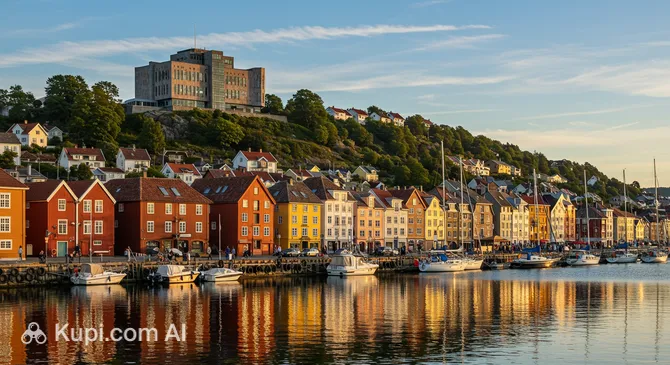
Tønsberg is a true gem on the coast of the southern Scandinavian Peninsula, nestled on the shores of the picturesque Oslo Fjord. The city is surrounded by dense forests, pristine lakes, and impressive coastal landscapes, making it an ideal destination for nature lovers and boat trip enthusiasts. It is an excellent starting point for those who want to discover the real Norway, with its majestic tranquility and northern charm.

Tonsberg. Illustration.
Source: Kupi.com AI

The city's special atmosphere is shaped by its status as one of the oldest settlements in the region. The ancient history of Tønsberg literally comes to life here: its Viking past intertwines with modernity, creating a unique local flavor. Visitors can see ancient towers and even reconstructed Viking ships that allow you to feel like part of a great saga.

As the administrative center of the Vestfold region with a population of about 58,000 people, Tønsberg offers travelers well-developed infrastructure and a rich cultural life. Despite its compact size, the city surprises with its number of cozy cafes, modern spaces, and annual festivals. Thanks to its convenient location just an hour's drive from Oslo, getting here is easy.

Tønsberg is a place where it’s easy to forget the hustle and bustle and enjoy the harmony of the past and present. Stroll along the waterfront, breathe in the fresh sea breeze, and let this hospitable city give you an unforgettable experience.

Weather Overview

The climate of Tønsberg can be described as temperate maritime, which makes it quite mild for Scandinavian latitudes. The proximity of the Oslo Fjord smooths out temperature fluctuations, so extreme frosts are rare here. If you are planning a trip, a detailed weather in Tønsberg report will help you choose your wardrobe more accurately, but in general, you should always have items for rainy weather with you.

Summer is the most pleasant time for a visit. In July, the warmest month of the year, the average temperature is about +16.9°C, and during the day, the air often warms up to a comfortable +20.8°C. Expect a moderately warm summer with occasional precipitation and cool winters with frequent cloud cover. Even at the height of the summer season, rain is not uncommon: in July and August, about 13–14 wet days are recorded.

Winter in Tønsberg is cool but not harsh. In January, the average temperature stays around -2.7°C, rarely dropping below -5°C. The "wettest" period can be called late autumn and early winter: in December, for example, there are up to 16 days with precipitation. Spring arrives gradually, and the driest month is considered to be April, when the number of rainy days drops to a minimum.

Average monthly temperature

Average monthly precipitation

Interesting Facts

In addition to its main attractions, Tønsberg holds many fascinating secrets rooted in deep antiquity. This city is not just a point on the map, but a living chronicle where every stone can tell an amazing story.

  • Tønsberg proudly bears the title of the oldest city in Norway. Its history began as far back as the 9th century when the first Vikings settled here, turning the place into a thriving commercial and maritime center.

  • One of the most recognizable landmarks is the medieval Castle Rock Tower, rising above the city. It serves not only as a historical symbol but also as a magnificent observation deck with a view of the fjord.

  • In the city harbor, you can see the "Saga Oseberg"—an exact replica of the legendary Viking ship found in local burial mounds. The uniqueness of this vessel is that in the summer, you can actually go for a sail on it.

  • Every year, the colorful Tønsberg Medieval Festival takes place here. Knightly tournaments, artisan fairs, and theatrical performances allow guests to fully immerse themselves in the atmosphere of medieval Europe.

How to Get There

When planning a trip to Norway's oldest city, it is important to think about your route in advance. Thanks to the well-developed transport system of the Vestfold region, the journey promises to be comfortable regardless of the mode of transport you choose. You can find out more about how to get to Tønsberg on a dedicated page, and below we will look at the main air and rail hubs located nearby.

The closest airport to the city is Sandefjord Torp Airport (IATA: TRF). Although it is often categorized as part of the Oslo transport hub in search engines, this airport is actually located just 20 km from the center of Tønsberg. This is an extremely convenient option for those flying with European low-cost carriers. A taxi or bus ride from here will take less than an hour, and the passenger traffic is moderate, ensuring a calm passage through all formalities.

For international flights and long-haul travel, the main hub is Oslo Gardermoen Airport (IATA: OSL). It is the country's largest airport, located approximately 102.6 km from Tønsberg. Thanks to excellent roads and rail links, the journey from the airport to the city won't be tiring: a trip by car or train usually takes between 1 hour 20 minutes and 1 hour 40 minutes.

For clarity, here is a summary of the main airports:

AirportPassenger trafficDistance
Torp Sandefjord Airport1.9 mln20 km
Oslo Airport Gardermoen26.4 mln103 km
Karlstad Airport20 607173 km
Kristiansand Airport1.1 mln182 km
Göteborg Landvetter Airport5.3 mln222 km

As for rail connections, the key hub is Oslo Central Station (IATA: XZO). Since Tønsberg itself doesn't have a station of this scale, many tourists arrive at the capital's central station, which is about 102.7 km away. From here, regional trains on the Vestfoldbanen line depart regularly, taking you to Tønsberg quickly and comfortably—the journey time is about an hour and a half.

It is also worth mentioning the National Theatre Station (IATA: ZZN) in Oslo. It is located closer to the western part of the capital and is approximately 65.9 km from Tønsberg in a straight line. This is a major transport hub with high passenger traffic, through which routes leading toward the Vestfold region also pass, providing travelers with flexibility in planning transfers.

Below is information about the nearest major railway stations:

StationPassenger trafficDistance
Nationaltheatret Station14.6 mln66 km
Oslo Central Station54.8 mln103 km
Kristiansand Railway Station191 km
Gothenburg Central Station27 mln223 km
Aalborg Railway Station2.2 mln260 km

Main Attractions

Tønsberg is a city where history is literally in the air, and modern entertainment harmoniously exists alongside ancient monuments. The main attractions here are linked to the rich heritage of the Viking Age and maritime traditions, but lovers of peaceful city relaxation will also find interesting spots for themselves.

The undisputed symbol of the city is Slottsfjell (Castle Hill). This is where the ruins of the medieval Tunsberghus fortress are located, which was once one of the most impregnable in Norway. At the top of the hill stands a 19th-century stone tower, which has become Tønsberg's signature landmark. Upon climbing up here, you will be rewarded with a breathtaking panorama of the city and the sparkling waters of the fjord—the perfect place for memorable photos.

The heart of city life beats on the Tønsberg Brygge waterfront. In summer, this wooden promenade turns into a lively hub with numerous restaurants and outdoor terraces. The "Saga Oseberg"—an exact full-scale replica of the famous Viking ship whose original was found in local burial mounds—is often moored here. A walk along the wharf allows you to experience the true maritime spirit of this ancient port.

Re Torvet. Illustration.
Source: Kupi.com AI

Traveler photos:

For those who want to vary their cultural program with modern leisure and shopping, Re Torvet is an excellent choice. This is a large shopping center where you can find everything from fashionable clothes and Scandinavian design to cozy cafes. It’s a pleasant place to spend a rainy day or simply relax after a busy walk through historical sites, enjoying a comfortable shopping atmosphere.

Another important point on the map is the Slottsfjell Museum, located at the foot of Castle Hill. The museum's exhibition immerses you in the life of the Middle Ages and the Viking era, and in the "Whaling" hall, you can see the skeletons of massive marine mammals, reminding visitors of another important page in the region's history—whaling.

Local Cuisine

The gastronomic map of Tønsberg is an ode to the sea and freshness. Thanks to its coastal location, the local menu is based on high-quality seafood. Tourists should first and foremost look for dishes made from the famous Norwegian salmon, tender mussels, and oysters, which are served as fresh as possible here. Local chefs follow a philosophy of minimal processing, trying to highlight the natural taste of ingredients provided by nature.

A true classic that shouldn't be missed is the traditional creamy fish soup with aromatic herbs. This thick and hearty dish is perfect for warming up after a walk along the fjord. Various versions of cod and herring, prepared according to old recipes, are also highly regarded. Fans of more complex flavors will enjoy modern interpretations of Scandinavian cuisine, where seafood is harmoniously combined with wild mushrooms, berries, and farm vegetables grown in the surrounding Vestfold area.

As for drinks, dinner is often accompanied by local craft beer or cider. For a stronger and more authentic option, try aquavit—a traditional Scandinavian spirit distilled from potatoes with caraway and spices, often served with fatty fish. In the non-alcoholic menu, black coffee remains king: Norwegians drink a lot of it and value high-quality beans, so finding an excellent coffee shop here is easy.

The dining culture in the city is centered around the picturesque waterfront. This is where, in cozy cafes and restaurants overlooking the water, you can leisurely enjoy smoked fish and marinated appetizers. In the summer, the atmosphere becomes especially festive thanks to farmers' markets selling homemade cheeses and fresh pastries. If you want to buy groceries to take with you or have a quick snack in a comfortable setting, you can visit Re Torvet, which also features gastronomic spots for locals and tourists alike.

Travel Tips

A trip to Tønsberg promises to be unforgettable if you prepare in advance and consider local specifics. To ensure your holiday in the country's oldest city is as comfortable and hassle-free as possible, we have gathered several important practical recommendations.

  1. Clothing and Essentials: The principle of layering is your best friend when visiting Norway. Even in summer, the weather by the fjord is changeable, so be sure to bring a windproof jacket, a warm sweater, and a high-quality raincoat. For walking through the historical center and climbing the rocky Castle Hill, you will need comfortable, broken-in shoes with flat soles.

  2. Transport: The city's historical center is compact and best explored on foot. For trips around the Vestfold region, it is convenient to use buses; tickets are cheaper if bought through the VKT Mobilbillett or Entur mobile apps, as they cost more from the driver. Taxis are an expensive pleasure, so public transport will help you save significantly on your budget.

  3. Finances: The official currency is the Norwegian Krone (NOK), but you will hardly need any cash. The country has almost entirely switched to cashless payments: cards are accepted everywhere, from museums to street hot dog stands. Tipping is not mandatory, as service is usually included in the bill, but rounding up the amount in restaurants is considered good manners.

  4. Health and Safety: Tønsberg is a quiet and safe city. Look for pharmacies with the sign Apotek, but note that most of them are closed on Sundays and public holidays. You can safely drink tap water—it is extremely clean and tasty here. The emergency medical assistance number is 113.

  5. Communication: Almost all locals speak English fluently, so there will be no problems with communication. However, learning a couple of words like Takk (thank you) or Hei (hello) will show respect for the culture. A SIM card from local operators (Telia, Telenor) can be purchased at Narvesen or 7-Eleven kiosks by presenting your passport.

  6. Local Etiquette: Norwegians value personal space and silence. It is not common to talk loudly on public transport or sit next to a stranger if there are free seats in other rows. Greetings are usually reserved—a handshake when introduced is perfectly appropriate.

  7. What to Avoid: It is strictly recommended not to consume alcohol in public places (on streets, squares, in parks)—this is prohibited by law and carries a serious fine. You should also not bargain in shops or at markets; it is not common practice here.

  8. Important Nuance: Remember "quiet Sundays." On this day of the week, most grocery supermarkets and shopping centers (including Re Torvet) are closed. Only small convenience stores (often at gas stations) and some restaurants are open, so plan your shopping in advance.

By following these simple tips, you can avoid minor inconveniences and focus on the main thing—enjoying the atmosphere of ancient Tønsberg and the beauty of northern nature. We wish you a smooth journey and inspiring discoveries!

Entertainment & Nightlife

The nightlife in Tønsberg is a prime example of how an ancient city can stay young at heart. Most of the activity here is concentrated along the famous Tønsberg Brygge waterfront. By day, it is a place for leisurely strolls, but as the sun sets, it transforms into an epicenter of fun where music doesn't stop until late at night. In summer, the wharf literally bubbles with life: outdoor terraces are packed, and boats moored at the shore often become an extension of the party.

Among the popular venues, the Foyn complex stands out, known for its huge outdoor area and atmosphere of eternal celebration during the warm season. It frequently hosts live music concerts and DJ sets. For those who love to dance, The Sense is a must-visit—one of the most famous spots in the city, combining a bar and a nightclub with high-quality sound. For a more relaxed evening with a glass of wine or a cocktail, Esmeralda is a great choice, offering a cozy interior and harbor views.

The atmosphere in Tønsberg's establishments is democratic but with a touch of Scandinavian style. The crowd here usually dresses in smart casual: comfortable, but neat and tasteful. Most bars don't have a strict dress code, but you might not be allowed into nightclubs in beachwear or tracksuits. It is important to remember the age restrictions: many places only allow entry from age 20, or sometimes even 23, so be sure to have your ID with you.

Prices for entertainment are consistent with the general Norwegian level—which is quite high. A glass of beer or wine in a bar will not be cheap, which is why many locals start their evening with a "pre-party" at home. Regarding safety, Tønsberg is a peaceful city. Night walks through the well-lit center and along the waterfront are safe. To return to your hotel, it is best to use an official taxi, which can be ordered via apps or found at designated ranks in the center; hailing a car on the street is not common here.

As for daytime entertainment, the city offers more than just historical tours. You can visit the Kilden Kino cinema, famous for its modern theaters, or check out the Haugar Art Museum (Haugar Vestfold Kunstmuseum), located in a former red-brick school building. For shopping enthusiasts and those looking for quiet leisure, the Re Torvet shopping center is open, where you can browse the shops or have a bite in cozy cafes before diving into the city's nightlife.

Parks & Museums

Tønsberg is a city where history harmoniously intertwines with nature. In addition to the lively waterfront and ancient ruins, there are many green corners and cultural spaces here that allow you to take a break from the hustle and bustle and learn more about the rich heritage of the Vestfold region.

Among the city parks, Gunnarsbøparken is particularly loved by locals. Located in the heart of the city near the town hall, it is an ideal place for quiet walks. Well-kept paths, sculptures, and shady trees create a cozy atmosphere perfect for reading a book on a bench or having a small picnic on a sunny day.

For those who prefer wild nature, the Ilene Nature Reserve will be a real discovery. This unique wetland area is located very close to the city center. The reserve is equipped with wooden boardwalks passing through thick reed beds, making a walk comfortable in any weather. This place is especially popular among birdwatchers and photographers, as a large number of birds nest here. Visiting the reserve is a great way to feel at one with the pristine nature of Norway without going far from civilization.

Art lovers should visit the Haugar Art Museum (Haugar Vestfold Kunstmuseum). It occupies a grand brick building of a former Seamen's School, which is an architectural landmark in its own right. The museum specializes in contemporary art and regularly hosts exhibitions by both Norwegian and international masters. This space allows you to see bold artistic experiments within walls steeped in history.

The Slottsfjell Museum (Slottsfjellsmuseet), located at the foot of Castle Hill, will help you dive into the Viking Age. The museum's exhibition is incredibly engaging, but the crown jewel of the collection is the Klastad ship. This is the only surviving Viking merchant ship in Norway. Unlike the famous warships displayed in Oslo, this vessel provides a unique insight into the peaceful life, trade routes, and cargo transport of the ancient Scandinavians.

Architecture enthusiasts will find Tønsberg Cathedral (Tønsberg Domkirke) interesting to explore. This red-brick church, built in the mid-19th century on the site of the ancient St. Lawrence Church, is designed in a Neo-Gothic style. Its strict but elegant appearance and beautiful stained-glass windows inside create a special atmosphere of peace and spirituality.

Insider tip: If you have time, take a walk to the Jarlsberg Manor (Jarlsberg Hovedgård), located about 3 km from the city center. While the mansion itself is a private residence, the surrounding landscape with centuries-old oak groves and picturesque paths is open to the public. It is one of the most beautiful places in the region for a leisurely stroll in the fresh air.

Getting Around

Tønsberg is quite a compact city, and most of its main attractions, including the famous waterfront and Castle Hill, are within walking distance of each other. However, if you plan to visit the surrounding areas, get to the island beaches, or simply save time, you will find the local public transport system useful. It is reliable, punctual, and integrated into the general transport network of the Vestfold region.

The main form of public transport here is buses. There is no metro or tram in the city, but the extensive bus network fully meets the needs of residents and tourists. The main transport hub is Tønsberg Bus Station (Tønsberg rutebilstasjon), located in the immediate vicinity of the railway station. Routes depart from here to city districts and neighboring picturesque municipalities, such as the islands of Nøtterøy and Tjøme, which are very popular during the summer season.

For paying fares, it is most convenient and economical to use mobile apps. The most universal one for the whole country, including Tønsberg, is the Entur app, where you can plan a route and buy a ticket. The regional VKT (Vestfold Kollektivtrafikk) system is also in operation. We strongly recommend buying tickets in advance via smartphone. Buying a ticket from the driver with cash is possible but will be significantly more expensive due to an additional commission. A ticket is usually valid for a certain amount of time (e.g., 90 minutes), allowing for transfers.

Railway transport, provided by Vy trains, is mainly used for intercity travel (for example, to Oslo or Torp Airport) but can also be useful for quick movement to suburban zones in the region. The station is located in the city center, making it a convenient starting point. There are no turnstiles at the entrance, but you must have your tickets with you—inspectors check them regularly, and fines for fare dodging are very high.

Alternatively, you can use taxis, with ranks located at the station and in the city center. However, keep in mind that taxi prices in Scandinavia are among the highest in Europe. Popular international ride-hailing apps do not always work stably, so it is more reliable to use local operators like Vestfold Taxi. For short trips, a bicycle is an excellent option: the city's terrain is fairly flat, and the cycling infrastructure is superbly developed.

During the summer period, the transport system is supplemented by water connections. Passenger ferries and boats depart from the city wharf, running to the islands of the archipelago, such as Bolærne. This is not just a way to get around, but also an opportunity to take a mini-cruise on the fjord for reasonable money. Water route schedules can also be found in the Entur app or on information stands at the pier.

Accommodation

As a popular summer resort, Tønsberg offers travelers a decent choice of accommodation, although its quantity is limited by the city's compact size. The main hotel stock consists of mid-range and high-class hotels, many of which belong to well-known Scandinavian chains and are characterized by a high level of service. For budget tourists, there are fewer options, but cozy guesthouses and hostels are available. Renting private apartments is also becoming increasingly popular, which is particularly convenient for families and those planning a long stay.

If your goal is to be in the center of the action, choose hotels in the Tønsberg Brygge (waterfront) area or within walking distance of the railway station. Staying here guarantees proximity to the main attractions, the best restaurants, and the nightlife. However, keep in mind that in the summer, the wharf can be quite noisy and lively until late at night. For those seeking peace and privacy, it’s better to consider options slightly deeper in the residential areas or on the outskirts, for example, closer to nature zones and parks.

Booking Tip: Since Tønsberg is considered the "summer capital" of the region, the demand for accommodation in July and August is colossal. We strongly recommend booking rooms several months before your trip (preferably in the spring). Trying to find good accommodation on the day of arrival during high season often leads to failure or the need to pay significantly more for the remaining luxury options.

The price range varies from medium to high, which is traditional for Norway. The concept of "cheap" here is relative, and even basic accommodation options can cost more than in Central Europe. Booking is most convenient through major international online aggregators where you can compare offers, or directly on hotel websites, which sometimes allows for more favorable cancellation terms.

Nearby Cities

For those looking to explore the surroundings, Tønsberg serves as an excellent starting point for day trips to several interesting nearby locations. The region around the Oslo Fjord is rich in historical and natural attractions, and a short journey to neighboring towns will allow you to see a different side of Norwegian life.

Just a few dozen kilometers away is Sandefjord—a city inextricably linked to the sea. It is known as the historical whaling capital, where you can visit a specialized museum and see a real whaling ship. If you are interested in ancient architecture, head to Fredrikstad. Its main pride is the Old Town (Gamlebyen), considered one of the best-preserved fortresses in Northern Europe, complete with moats, ramparts, and cobbled streets. Lovers of more urban landscapes will enjoy Drammen, famous for its riverfront promenade and a unique spiral tunnel in the rock leading to a viewpoint.

Below is information about the nearest cities that are convenient to visit in a day:

CityPopulationDistance
Skoppum2 4006 km
Sem21 9489 km
Borre24 2729 km
Horten20 50412 km
Holmestrand13 00014 km

These nearby destinations provide an insight into the region's diverse culture and landscapes, from industrial heritage to cozy coastal promenades.

Shopping & Souvenirs

General Overview: Shopping in Tønsberg is a pleasant and relaxed activity, devoid of the bustle of large metropolises. The city offers a harmonious blend of modern shopping centers and cozy niche shops scattered throughout the historical center. Here, you can find well-known Scandinavian clothing and interior brands alongside unique goods from local artisans. The atmosphere of Norway's oldest city adds a special charm to shopping: moving from shop to shop, you will constantly admire the ancient architecture.

Main Shopping Areas and Streets: The heart of shopping life is the central square, Torvet, and the adjacent pedestrian streets, specifically Storgaten. This is a compact zone that is easy to explore on foot. Clothing boutiques, home goods stores, and souvenir shops are concentrated here. A walk from the central square towards the waterfront will also delight tourists with many interesting shop windows, where works by local designers and artists are often displayed.

Shopping Centers: For those who prefer to do all their shopping in one place, the large Farmandstredet complex, one of the biggest in the region, operates in the city center. Another popular shopping destination is Re Torvet. This is a modern shopping center featuring a wide range of stores: from fashionable clothing and sporting goods to cozy cafes and grocery supermarkets. It is great for both quick shopping and leisurely time spent with the whole family.

Markets: During the summer season, the central Torvet square comes alive with outdoor stalls. Here, local farmers sell fresh strawberries, vegetables, and flowers. Periodically, flea markets and weekend fairs are held in the city, where you can find vintage interior items, old books, or unique trinkets with a Norwegian character. In the pre-Christmas period, festive markets are organized with traditional treats and handmade products.

Souvenirs: From Tønsberg, it is worth bringing back items that reflect its rich history and culture. Given the city's connection to the Viking era, jewelry and souvenirs with corresponding symbols (such as miniature ship replicas) are popular. Classics are always relevant: warm Norwegian sweaters with traditional patterns, wool products, and troll figurines. As for gastronomic souvenirs, tourists often choose brown cheese (brunost), smoked salmon, or a jar of cloudberry jam.

Opening Hours and Payment: Most shops in the center are open from 10:00 to 17:00 or 18:00 on weekdays. On Thursdays, many retail outlets stay open longer, until 19:00 or 20:00. On Saturday, working hours are usually reduced to 15:00 or 16:00, and Sunday is a day off for most shops, except for small souvenir stalls and convenience grocery stores. Norway is a country of cashless payments, so bank cards are accepted almost everywhere, even at markets. Cash may only be needed in rare exceptional cases.

Tax Free: Tourists living outside Scandinavian countries can use the Tax Free system. If the purchase amount in one store exceeds the set minimum (usually around 315 NOK for standard goods), look for the Global Blue logo at the entrance or cash desk. Ask the seller for a special tax refund form, which can be processed upon leaving the country at the airport or border.

Reached the end of the page?

That means the route is fully explored