Support

Kongsberg

About

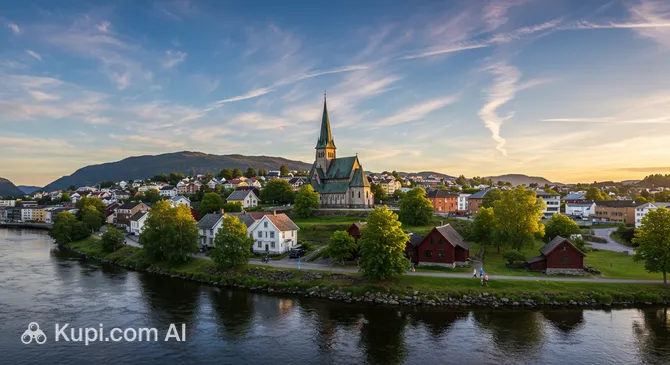
Kongsberg is a unique city where ancient mining traditions are harmoniously intertwined with modern technology. Located in the picturesque Numedalslågen river valley in Buskerud province, it attracts travelers with its special atmosphere, fresh air, and the scenic landscapes that Norway is so famous for. With a population of about 28,000, the city maintains a sense of cozy tranquility while offering a developed infrastructure for a comfortable stay.

The city owes its existence to a stroke of luck—the discovery of rich silver deposits in the early 17th century. The fascinating history of Kongsberg began by decree of King Christian IV, and for centuries, it was the extraction of this precious metal that defined the rhythm of life here. Today, preserved architectural monuments and museums serve as reminders of its glorious past, allowing visitors to glimpse back through the centuries.

Kongsberg. Illustration.
Source: Kupi.com AI

Among the main attractions are the Norwegian Mining Museum and the famous Silver Mines. Tourists can take an exciting train journey deep into the mountain to see how silver was mined hundreds of years ago. Equally impressive is Kongsberg Church—a majestic Baroque building that is one of the largest churches in the country, capable of seating thousands of parishioners.

In winter, the city transforms into a popular ski hub thanks to its well-equipped ski center, while in summer, it hosts a world-renowned international jazz festival. Kongsberg is an excellent destination for those looking to combine cultural enrichment with active recreation amidst Scandinavian nature.

Weather Overview

The climate in this region can be described as moderate continental, making the city attractive to visit at any time of year, depending on your goals. To choose the ideal season for your trip and pack the right wardrobe, we recommend checking in advance what the weather in Kongsberg is expected to be like on your travel dates. In general, prepare for snowy, frosty winters and mild, moderately warm summers with regular but not too heavy precipitation.

The winter months here are truly invigorating and suitable for winter sports: in January and December, the average temperature drops to -5...-6°C, and at night it can get as cold as -8°C and below. Summer, on the other hand, pleases with comfortable conditions for walks in nature: in July, the warmest month, the average temperature is about +15°C, and during the day the air often warms up to +20°C. Keep in mind that humidity is present year-round: even in summer, it can rain for about 15 days a month, so a waterproof jacket will be a useful companion on your journey.

Average monthly temperature

Average monthly precipitation

Interesting Facts

Beyond its main attractions, Kongsberg holds many fascinating secrets and surprising stories that reveal themselves only to inquisitive travelers.

  • Home of the Nobel Medal. Few people know that the Royal Norwegian Mint is located right here in Kongsberg. Not only are regular coins minted here, but also one of the world's most prestigious awards—the Nobel Peace Prize medal.

  • The Legend of the Bull and the Silver. According to local legend, the city owes its wealth to... a bull. It is said that in 1623, a bull grazing in the forest scraped a horn against some moss and exposed a vein of pure silver. This discovery was noticed by shepherd children, which launched the famous "silver rush."

  • A City of Engineers. Despite its historic architecture, Kongsberg is often called the technological capital of the country today. It has the highest concentration of engineers per capita in Norway, developing technologies ranging from deep-sea systems to space satellites.

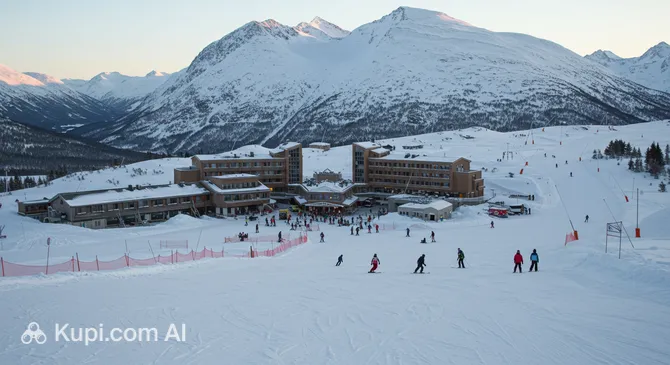
  • Olympic Heritage. The city raised an entire dynasty of famous skiers—the Ruud brothers, who dominated ski jumping in the 1930s. The modern Kongsberg Skisenter continues these sporting traditions, offering excellent slopes right within the city limits.

Kongsberg Ski Resort. Illustration.
Source: Kupi.com AI

Traveler photos:

How to Get There

When planning a trip to this picturesque corner of Norway, it is worth thinking through the logistics in advance. The city has good transport accessibility, and you can find out more about how to get to Kongsberg by exploring various route options. Most tourists arrive here through the major transport hubs of neighboring regions, combining a flight with a train or car journey.

The city does not have its own airport, so travelers usually fly into Oslo Airport Gardermoen (IATA: OSL). This is the country's main international hub, located about 100 km from the destination. The journey from here by taxi or rental car takes about 2.5 hours. The airport accepts flights from all over the world and is known for its high level of service.

An alternative option is Sandefjord Airport Torp (IATA: TRF), which also serves the capital region and is 64.3 km from Kongsberg. Low-cost airlines often fly here, making it a budget-friendly choice. The drive from this airport takes about 2 hours.

For convenience, here is a summary of the nearest airports:

AirportPassenger trafficDistance
Torp Sandefjord Airport1.9 mln64 km
Oslo Airport Gardermoen26.4 mln100 km
Kristiansand Airport1.1 mln187 km
Karlstad Airport20 607210 km
Sogndal Airport91 145215 km

The railway is one of the most popular ways to travel around the country. Since Kongsberg is an important point on the map of Buskerud province, many tourists transfer at major hub stations. A key transit point is Oslo Central Station (IATA: XZO), located in the capital, about 99 km from the city. This is the largest station with a huge passenger flow.

Another convenient option is the National Theatre Station (IATA: ZZN) in Oslo, located slightly closer at 67.6 km. This is an important transport hub in the heart of the capital through which many routes pass. From these stations, you can comfortably continue your journey to Kongsberg by local train or bus.

Below is information about the nearest major railway stations:

StationPassenger trafficDistance
Nationaltheatret Station14.6 mln68 km
Oslo Central Station54.8 mln99 km
Kristiansand Railway Station195 km
Bergen Railway Station2.2 mln257 km
Gothenburg Central Station27 mln272 km

Main Attractions

Kongsberg is a city where history meets modernity, and natural beauty coexists with unique engineering feats. Travelers here certainly won't be bored: from deep mines to snow-capped slopes, the list of interesting sites is impressively diverse. A walk through the city will immerse you in the "silver rush" atmosphere of past centuries while allowing you to enjoy the comforts of modern Norway.

For lovers of active recreation and winter sports, the Kongsberg Skisenter is a true magnet. This place is famous for its well-groomed trails of various difficulty levels, a modern snow park, and excellent conditions for the whole family. The resort is located very close to the city center, making it extremely convenient to visit. Here, you can not only go skiing or snowboarding but also simply enjoy magnificent panoramic views of the valley.

To gain a deeper understanding of the region's soul, it is worth visiting the Norwegian Mining Museum. Located in an old smelting plant building, it tells the fascinating 330-year history of silver mining. The museum houses a unique collection of native silver, ancient tools, and mine models. Additionally, the Royal Mint Museum and the Ski Museum are located in the same complex, making a visit here an educational journey through several eras at once.

Stortorvet Shopping Centre. Illustration.
Source: Kupi.com AI

Traveler photos:

If you want to take a break from historical excursions and dive into the rhythm of modern life, stop by the Stortorvet Shopping Center. This is a popular spot for shopping and meeting up, located right in the heart of the city. Here you will find many shops featuring clothing, souvenirs, and home goods, as well as cozy cafes where you can enjoy a cup of coffee and watch the local life go by. It is a great location to buy memorable gifts from Norway.

You cannot visit Kongsberg without seeing the famous Silver Mines (Sølvgruvene). This is not an attraction for the faint-hearted: tourists are invited to board a special mining train that takes them 2,300 meters deep into the mountain. There, in the cool underground, you can see the King's Mine, enormous caverns, and the complex hoist systems used centuries ago. It is a true adventure that lets you feel the hard labor and the greatness of past engineering.

Complete your introduction to the main sights at Kongsberg Church. Built in the 18th century, it is considered one of the largest and most beautiful Baroque churches in Norway. From the outside, the building looks austere and monumental, but inside it surprises with its luxurious interior, massive crystal chandeliers, and a magnificent organ. This place offers a sense of solemnity and peace.

Local Cuisine

Kongsberg's gastronomic scene is a harmonious blend of traditional Norwegian cuisine and modern culinary trends. Thanks to its location in a valley near forests and rivers, the local menu is rich in game and fresh fish. The Numedalslågen river, which flows through the city, is famous for its salmon and trout, so fish dishes take pride of place on the tables of local restaurants. They are often served baked with a side of boiled potatoes and a creamy dill sauce.

Meat lovers should definitely try dishes made from elk (moose) or reindeer. In this region, wild game meat is prepared with particular skill, often as steaks, meatballs, or rich stews that are perfect for warming up on cool days. Don't forget the national pride—brunost. This brown cheese with a sweet, caramel-like taste is eaten here for breakfast with waffles or used as a savory addition to sauces for game.

As for drinks, a meal is often accompanied by a glass of local craft beer or, on special occasions, a shot of aquavit—a strong Scandinavian spirit infused with herbs and spices, primarily caraway. In everyday life, the residents of Kongsberg, like all Norwegians, are great fans of coffee. The city's cozy coffee shops offer excellent black coffee, which is traditionally consumed in large quantities throughout the day, often paired with a cinnamon bun.

The dining culture in the city is laid-back and diverse. Here you can find everything from fine dining restaurants at historic hotels to cozy family pizzerias. For tourists wanting a snack between excursions or to buy local products, the Stortorvet Shopping Center is an excellent destination. It features cafes and snack bars where you can have a quick and tasty lunch while watching the lively city life, as well as supermarkets with a wide selection of Norwegian delicacies.

Travel Tips

To ensure your trip to the "silver city" leaves only pleasant memories, it's worth taking care of the organizational details in advance. We have gathered practical recommendations for you to help you feel confident and comfortable while enjoying your vacation in this picturesque corner of Scandinavia.

  1. Clothing and Gear. The main principle for clothing here is layering. The weather can change rapidly, so even in summer, you should have a fleece jacket and a windbreaker with you. If you plan to visit in winter or go down into the Silver Mines (where the temperature stays around +6°C year-round), be sure to bring thermal underwear, a hat, and gloves. Comfortable, waterproof shoes with a non-slip sole are an absolute must-have for walking on hilly terrain.
  2. Transport. The city center is quite compact and is most pleasant to explore on foot. For trips to outlying areas or the ski center, you can use buses from the local company Brakar. Taxis are available in the city, but they are an expensive luxury; it's better to book a car through official apps or by phone, as "hailing" on the street is not customary here. Renting a car makes sense if you plan to travel extensively around the Buskerud province.
  3. Finances. The official currency is the Norwegian Krone (NOK). Norway is one of the world leaders in cashless payments. Bank cards are accepted almost everywhere: from hotels to hot dog stands and ticket machines. Cash may be needed in rare cases, so there's no need to exchange large amounts. ATMs (Minibank) are easy to find in the city center and shopping malls. Gratuities are usually included in the bill, but rounding up the amount in cafes is appreciated.
  4. Health and Safety. Kongsberg is a very safe and quiet city where you can walk even late at night. However, pharmacies (Apotek) here usually close early (around 5:00–6:00 PM) and may not be open on Sundays, so it's better to bring a minimal first-aid kit with you. The tap water here is pure and delicious—you can and should drink it straight from the tap, which will help save on buying bottled water.
  5. Communication and Internet. Don't fear the language barrier: almost all locals, from schoolchildren to pensioners, speak English fluently. Free Wi-Fi is available in most cafes, hotels, at the Stortorvet shopping center, and even on some buses. If you need constant mobile internet, SIM cards from local operators (Telenor, Telia) can be bought at 24-hour convenience stores like Narvesen or 7-Eleven.
  6. Local Etiquette. Norwegians value personal space and quiet. It is customary to shake hands when meeting, but hugging strangers is inappropriate. On public transport, do not sit right next to another passenger if there are free seats available—this may be perceived as an invasion of personal space. It is also not customary to speak loudly in public places.
  7. What to Avoid. Do not try to buy hard liquor in regular supermarkets—it is only sold in specialized state stores called Vinmonopolet, which close early and do not work on Sundays. Also, avoid trying to haggle at markets or in shops—prices here are fixed, and bargaining is considered a sign of poor taste.
  8. Important Nuance for Tourists. If you plan to attend the famous Kongsberg Jazz Festival, which takes place in July, book your accommodation several months in advance. During this period, the city's population effectively doubles, and finding a vacant hotel room upon arrival will be impossible.

Kongsberg is a hospitable place where modern technology meets majestic nature. By following these simple tips, you can avoid minor inconveniences and focus on the main thing—immersing yourself in the unique atmosphere and history of this amazing Norwegian city.

Entertainment & Nightlife

Nightlife in Kongsberg is not about noisy metropolitan raves until dawn, but rather cozy, atmospheric evenings spent with friends, good music, and quality drinks. The city, known for its jazz heritage, offers entertainment with an emphasis on social interaction and cultural leisure. Most activity is concentrated in the center, on the west bank of the Numedalslågen river (Vestsida), where historic architecture creates the perfect backdrop for evening strolls.

The heart of the city's musical life is rightfully considered to be the "Energimølla" cultural stage, located in a historic building of a former mill. Concerts ranging from jazz and blues to rock and pop are held here regularly. This venue attracts the creative intelligentsia and young people. If you are looking for a classic bar experience, check out the establishments along Storgata. Local pubs have a laid-back atmosphere where the dress code is virtually non-existent: "casual" style or comfortable travel clothes are perfectly appropriate.

A unique feature of local leisure, especially during the winter season, is that "nightlife" often takes place outdoors. The floodlit slopes at the Kongsberg Skisenter are open for evening skiing. This is a popular meeting spot: after active runs, locals and tourists gather in the cafe at the foot of the slope for "after-ski" to warm up with hot drinks and discuss the day's successes. This is a great alternative to traditional clubs for those who prefer an active lifestyle.

For a more relaxed start to the evening, the Stortorvet Shopping Center is perfect. Although it is primarily a shopping destination, it houses cozy cafes and restaurants that stay open into the evening. This is a convenient meeting point before heading to the "Krona" cinema or the theater located nearby. Here you can have a leisurely dinner while enjoying views of the city before heading out to explore the local bar scene.

Regarding prices and practical tips, it is worth remembering that alcohol and entertainment in Norway are not cheap. The average bill at a bar for a glass of beer or wine will be higher than the European average. Most establishments close around 01:00 or 02:00 AM, so it is better to arrive earlier, around 8:00–9:00 PM, to secure a good table. On weekends, bars can be crowded, especially if there are student events in town.

Kongsberg is an exceptionally safe city. You can safely walk through the center at night without worrying about trouble. The streets are well-lit, and the crime rate is extremely low. If you stay out late and your hotel is far from the center, it is best to call a taxi via an app or by phone, as "hailing" a cab on the street is not common practice here. Public transport runs less frequently at night, so it is worth checking the schedule in advance.

As for daytime and cultural entertainment that transitions into the evening, the "Krona" cultural center is worth mentioning. This modern space combines a library, cinemas, and university facilities, serving as a hub for young people. There are also several museums in the city, but they close quite early, so for evening leisure, it is better to choose music venues or gastronomic establishments.

Parks & Museums

Kongsberg's natural charm is equal to its industrial fame. The city is literally bathed in greenery, and the rushing Numedalslågen river, which cuts it in two, creates scenic promenades and recreation areas right in the center. For tourists, this means that exploring history here can be combined with relaxing walks in the fresh air, enjoying the silence of the parks and the power of the water flow.

The crown jewel for family outings and ethnographic discoveries is Lågdalsmuseet. This is a spacious open-air museum located within walking distance of the center. Its territory contains more than 30 historical buildings brought here from various parts of the Numedal valley. Walking among the old farmhouses, barns, and workshops, you feel as if you've entered a Norwegian village of past centuries. In summer, the museum park comes to life: sheep, goats, and rabbits graze here, much to the delight of little visitors. It is an ideal place for a picnic on the grass surrounded by history.

It's impossible to miss the city's landscape landmark—the Nybrofossen waterfall. It is located right under the bridge in the city center and is a spectacular sight, especially during the spring floods or after heavy rains. It is not just a natural site, but also a monument to engineering: for centuries, the waterfall was used to power the machinery of the smelting plants. Today, the sound of falling water creates a unique acoustic backdrop for the city, and the viewing platforms by the river serve as the best spots for memorable photos.

For those ready for a short walk for a unique experience, a visit to the site known as "Kronene i Håvet" is a must. This is a natural-historical monument a couple of kilometers from the center, where royal monograms are carved into a sheer cliff face. The tradition was started by King Christian IV in 1623 and continues to this day: every monarch visiting Norway and the silver mines leaves their "autograph" here. The walk to the cliff follows a pleasant forest trail, allowing you to enjoy the tranquility of the woods and touch the "stone guest book" of kings.

Hikers should also take note of the trails along the Numedalslågen river. Well-maintained paths allow for long strolls, watching the flow of the water and the transition from urban landscapes to forested areas. This is a popular spot among locals for morning jogs and evening walks, where you can take a break from the city bustle without leaving the limits of Kongsberg.

Getting Around

Kongsberg's transport system is characterized by Scandinavian punctuality and comfort, although the city itself is quite compact, and many attractions in the center are easily explored on foot. Nevertheless, if you need to reach outlying districts, the ski resort, or the technology park, public transport will be a reliable aid. The entire network is integrated into the regional system of Buskerud province, making travel simple and clear.

The primary form of city transport is buses, managed by the company Brakar. The route network covers not only the central streets but also the residential outskirts. The main transport hub is Kongsberg Knutepunkt—a modern terminal combining the railway station and the bus station. Most local and regional buses depart from here. Note that schedules on weekdays and weekends can differ significantly, and night services run less frequently.

Fare payment is highly digitalized. The most convenient and cost-effective way to buy a ticket is to use the Brakar Billett mobile app or the national planner Entur. In the app, you link your bank card and buy a single ticket or a 24-hour pass. The ticket is activated at the time of purchase or at a time you specify, and you simply show it to the driver upon boarding. This is an ideal option for tourists as it eliminates the need to find ticket offices or figure out local currency.

Buying a ticket with cash from the driver is possible but strongly discouraged. Firstly, it will cost significantly more due to an on-board service surcharge. Secondly, drivers may not have change for large bills. If you don't want to use the app, you can purchase a refillable Reisekort card at Narvesen or 7-Eleven kiosks located at the station, but for a short visit, the app is still more practical.

As an alternative to buses, taxi services operate in the city, the most well-known being Kongsberg Taxi. The taxi stand is located next to the Knutepunkt transport hub. Keep in mind that taxi services here are quite expensive compared to average European prices. It is not common to "hail" a car on the street—it's better to book a trip by phone or via a special app, where you can see the estimated cost in advance.

For those who prefer freedom of movement, car rentals are available. This is especially relevant if you plan to explore the picturesque surroundings or visit the Silver Mines located a few kilometers from the center. Additionally, bicycles are popular during the warmer months. Given the hilly terrain, many locals and tourists choose electric bikes, which allow for effortless climbing and enjoying the valley views.

Accommodation

The choice of accommodation in Kongsberg, while not having a metropolitan scale, offers tourists a decent level of comfort and Scandinavian coziness. The hotel infrastructure here caters to both business travelers visiting the technology park and tourists seeking active recreation. The main range of offers varies from classic mid-range chain hotels and historic inns to cozy guesthouses and apartments. For budget travelers and nature lovers, campsites and hostels are available slightly away from the central bustle.

In terms of location, the most popular and atmospheric area to stay is Vestsida (The West Side)—the historic part of the city where ancient architecture has been preserved. Staying here puts you within walking distance of the main museums, the picturesque waterfall, and cozy restaurants. Another convenient option is the area around the railway station and the modern center on the East Side. This is a practical choice for those who plan to use transport actively or want to live near major shops like the Stortorvet Shopping Center.

A special category of accommodation is designed for fans of winter sports. During the winter season, cottages (hytter) and apartments located in the immediate vicinity of the slopes offered by the Kongsberg Skisenter are extremely popular. Staying here allows you to start skiing literally from your doorstep (ski-in/ski-out) and enjoy the silence of the forest in the evenings, while being just a few minutes' drive from the city infrastructure.

Booking Tips and Prices:

The price range in Kongsberg matches the general price level in Norway: "budget" accommodation here can cost more than mid-range hotels in Central Europe. A standard double room in a hotel usually falls into the mid-to-high price category. It is best to book accommodation through popular international online platforms that offer a wide choice and reliable guarantees.

It is critical to plan your trip well in advance if your visit coincides with the beginning of July, when the city hosts the International Jazz Festival. During these days, the city's population effectively doubles, and finding a vacant room becomes almost impossible even for a high price. It is also worth considering that on weekdays, hotels can be filled with engineers and businesspeople, so weekend rates can sometimes offer better value for leisure trips.

Nearby Cities

For those who want to explore the surroundings, Kongsberg serves as an excellent starting point for day trips to several interesting nearby locations:

Just a half-hour drive away is Drammen—a large and vibrant city spread along the banks of the Drammenselva river. It is known for its picturesque riverfront, perfect for walks, and the unique "Spiralen" attraction—a tunnel through the rock that leads to a hilltop with breathtaking panoramic views of the city and the fjord.

History buffs should head to Tønsberg, which is considered Norway's oldest city. Here you can immerse yourself in the Viking era, explore the ruins of an ancient fortress on Castle Hill (Slottsfjellet), and enjoy the atmosphere of a cozy harbor filled with restaurants and boats, especially during the summer season.

Another interesting destination is Skien, the birthplace of the famous playwright Henrik Ibsen. The city attracts tourists with its museum dedicated to the writer and serves as a gateway to the famous Telemark Canal—an engineering marvel connecting the coast to inland lakes through a system of locks.

CityPopulationDistance
Notodden13 02925 km
Nedre Eiker24 96327 km
Drammen109 41632 km
Sande9 90433 km
Nordagutu34 km

These nearby destinations offer a glimpse into the region's diverse culture and landscapes, making your trip even more rewarding.

Shopping & Souvenirs

Shopping in Kongsberg is a relaxed and pleasant activity, free from the hustle and bustle of large metropolises. The city doesn't claim to be a fashion capital, but you can find everything needed for a comfortable life and leisure: from high-quality sports gear, so relevant in Norway, to unique items made by local craftsmen. The retail sector here harmoniously combines modern chain stores with small, cozy shops where the soul of the old city can be felt.

The heart of commercial life, especially for tourists looking for atmosphere, is the historic part of the city on the west bank of the river—Vestsida. A walk through the pedestrian zones around Storgata will provide aesthetic pleasure. Here, among old wooden buildings, you'll find small clothing boutiques, interior design salons, and gift shops. This is an ideal place for a leisurely promenade where shopping can be interspersed with visits to cafes.

For those who prefer convenience and variety under one roof, the main attraction is the Stortorvet Shopping Center. This is a modern complex located right in the city center. it features more than 50 stores, including famous Scandinavian clothing brands, electronics, cosmetics, and home goods shops. Grocery supermarkets, a pharmacy, and the wine monopoly Vinmonopolet are also located here, making it a one-stop shop for any everyday needs.

Markets and fairs add a special flavor to the city's trade. The most famous event is the traditional Kongsbergmarken fair, which has a centuries-old history and usually takes place in late winter or early spring. During these days, the city fills with stalls selling farm products, sweets, and handicrafts. Lively trading also unfolds during the famous Jazz Festival in summer, when numerous kiosks with souvenirs and street food appear on the streets.

When choosing souvenirs, consider the city's history. Kongsberg is the "silver city," so silver jewelry will be the most symbolic gift. Local jewelers create pieces inspired by ancient traditions. Additionally, you should bring home warm wool sweaters with the traditional "Marius" pattern, troll figurines, and gastronomic souvenirs from Norway: brunost brown cheese, smoked elk sausage, or a special cheese slicer (ostehøvel), which was invented in this very country.

Shops in Kongsberg are usually open from 10:00 AM to 5:00 PM or 6:00 PM on weekdays. Shopping centers stay open longer—often until 8:00 PM. On Saturdays, working hours are reduced (usually until 4:00 PM or 6:00 PM), and Sunday is a universal day off when almost everything is closed, except for small convenience grocery stores and souvenir shops. Credit cards are accepted everywhere, even for small purchases at the market, so carrying large amounts of cash is not necessary.

Tourists residing outside of Scandinavia can take advantage of the Tax Free system. If you make a purchase at a store marked with the Global Blue logo or similar for an amount over a certain limit (usually around 315 NOK for regular goods), you can request a tax refund form. Don't forget to ask for the special form at the checkout and present your passport. Refunds can be collected when leaving the country at the airport or at the border.
Reached the end of the page?

That means the route is fully explored