Support

Holmestrand

Attractions

About

Holmestrand is a charming coastal town, often called the “city under the mountain” due to its unique location at the foot of a steep cliff. This place wonderfully combines the cozy atmosphere of an old port settlement with bold modern architectural solutions. A walk through its streets gives a sense of tranquility and harmony, allowing you to take a break from the hustle and bustle of megacities while enjoying the fresh sea breeze and views of the water.

Geographically, the city is located in the province of Vestfold, stretching in a narrow strip along the western shore of the Oslo Fjord. The climate here is mild and maritime, making it comfortable to stay at any time of year, although winters can be snowy and windy. The town's population is about 13,000 people, creating an intimate and friendly atmosphere. It is in such small but original towns that the real Norway—a country of majestic nature and a high quality of life—is best revealed.
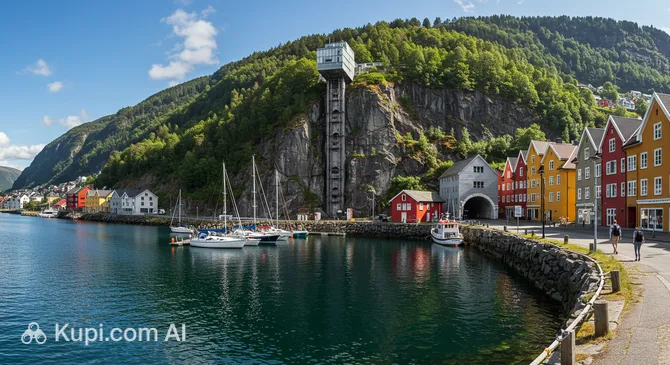
Holmestrand. Illustration.
Source: Kupi.com AI

Despite its modest size, Holmestrand knows how to surprise. For a long time, it was known as a center for the aluminum industry, and the rich history of Holmestrand is inextricably linked with this metal, as reminded by the local themed museum. Today, the city attracts tourists with its engineering wonders: a railway station hidden deep within the mountain and a public elevator cut through the rock that connects the waterfront with residential neighborhoods on the plateau summit.

Holmestrand is an ideal destination for those who want to see the non-touristy, authentic side of Scandinavia. Here you can endlessly admire the panorama of the fjord, explore the picturesque surroundings, or simply enjoy the silence on the cozy waterfront. We invite you to discover this “city under the mountain” and experience its special charm for yourself.
Weather Overview

Holmestrand's climate is largely determined by its location on the shores of the Oslo Fjord, which makes the weather here moderate and quite mild compared to the country's interior. The proximity to the water smooths out temperature fluctuations, creating comfortable conditions for visiting the city almost year-round. Those planning a trip should find out in advance what the expected weather in Holmestrand will be to choose the right wardrobe.

The summer season here is pleasant and not hot, which is ideal for long walks. Traditionally, the warmest month is July, when the average temperature stays around +16.8°C, and during daytime hours, the air can warm up to a comfortable +20.9°C. Spring arrives gradually: while in March average figures still fluctuate around zero, by May the city blooms at a temperature of about +11°C.

Autumn and winter bring coolness and a characteristic Scandinavian atmosphere. September still retains remnants of summer warmth with an average of +12.6°C, but by November the temperature drops to +2.4°C. January is considered the coldest month with an average value of -3.3°C and night frosts down to -5.7°C. Expect a fresh, moderately warm summer with occasional rain and cool, often snowy winters. Precipitation falls quite regularly throughout the year: from 7 rainy days in dry April to 15 days with precipitation in December, so a waterproof jacket will not be out of place in your suitcase.

Average monthly temperature

Average monthly precipitation

Interesting Facts

In addition to its main attractions and picturesque views, Holmestrand holds many fascinating secrets and historical features that reveal themselves only to the most curious travelers. This city surprisingly combines industrial power, a royal resort past, and modern engineering wonders.

  • Station Inside the Mountain: Holmestrand's railway station is a true world-class engineering masterpiece. It is built inside a massive cave within Holmestrandfjellet mountain. This colossal \"mountain hall\" allows high-speed trains to roar through the city at speeds up to 250 km/h without disturbing the peace of the streets, while passengers wait for their trains literally in the depths of the rock.

  • Royal Resort: Long before becoming an industrial center, in the 18th and 19th centuries, Holmestrand was known as a fashionable spa resort. Nobility from Christiania (now Oslo) flocked here for healing muds and sea baths. The city was even visited by members of the royal family, which cemented its status as a prestigious vacation spot of that era.

  • City on Two Levels: Due to its unique terrain, Holmestrand is actually divided into two \"floors.\" The historical center is pressed against the water at the foot of the cliff, while modern residential areas are located on a flat plateau above, at an altitude of more than 100 meters. For a long time, this created logistical difficulties until the famous public elevator was built, piercing straight through the rock.

  • Aluminum Capital: Holmestrand is often called the \"City of Aluminum\" (Aluminiumbyen). This isn't just a fancy nickname: manufacturing plants that played a key role in the Norwegian economy were based here. Locals are so proud of this heritage that aluminum is used in many urban structures and art objects, symbolizing strength and lightness.

How to Get There

When planning a trip to this picturesque corner on the shores of the fjord, it is important to think through your route in advance. The city has excellent transport accessibility due to its proximity to the capital and a developed road network. You can find out more about how to get to Holmestrand, including all available options, and below we look at the main air and rail hubs used by tourists.

Holmestrand does not have its own airport, so travelers usually fly into one of the airports in the Oslo region. The closest and most convenient option is Sandefjord Airport Torp (IATA: TRF). Although it is often categorized under Oslo in booking systems, it is actually located only 34 km from Holmestrand. This is a popular choice for low-cost airlines, and the journey by taxi or transfer will take about 40–50 minutes.

Another, larger option is the main international Oslo Airport Gardermoen (IATA: OSL). It is located in the city of Oslo, approximately 90 km from Holmestrand. Most international flights from all over the world arrive here. Thanks to high-speed connections, you can reach your destination from here quite quickly: a trip by car or direct train takes about 1.5 hours.

For convenience, here is summary information on the main airports:

AirportPassenger trafficDistance
Torp Sandefjord Airport1.9 mln34 km
Oslo Airport Gardermoen26.4 mln90 km
Karlstad Airport20 607171 km
Kristiansand Airport1.1 mln193 km
Scandinavian Mountains Airport25 000232 km

The railway is one of the most comfortable ways to get to Holmestrand, especially given the presence of the unique station inside the mountain. However, if you are traveling from afar, your transfer point will most likely be Oslo Central Station (IATA: XZO). This is the country's main railway hub, located in Oslo, 90 km from Holmestrand. Regional trains depart regularly from here, bringing you to the fjord in about an hour.

Another convenient departure point from the capital is National Theatre Station (IATA: ZZN), located in the center of Oslo (53 km from Holmestrand). Many trains heading towards Vestfold make a stop here. This is an excellent option if you are already in the western part of the capital and want to avoid the hustle and bustle of the central station.

Below is a table of the nearest major railway stations through which you can plan your route:

StationPassenger trafficDistance
Nationaltheatret Station14.6 mln53 km
Oslo Central Station54.8 mln90 km
Kristiansand Railway Station201 km
Gothenburg Central Station27 mln235 km
Aalborg Railway Station2.2 mln273 km

Main Attractions

Although Holmestrand is often perceived as a quiet coastal town, there are several iconic places worth visiting to better understand the history and modern rhythm of this region. A stroll through the local attractions will allow you to see the contrast between ancient architecture and the bold engineering solutions that Norway is proud of.

One of the city's main architectural gems is Holmestrand Church (Holmestrand kirke). This unique wooden structure, built back in 1674, features a Y-shaped floor plan that is rare for Scandinavian churches. The church is located near the harbor and has served as a landmark for sailors for centuries. Inside, the ancient interior has been preserved, creating an atmosphere of peace and allowing visitors to touch the spiritual heritage of past centuries.

History and ethnography buffs should head slightly inland to the Reidvintunet cultural center and open-air museum. This site is a carefully restored historical courtyard where old buildings characteristic of the Vestfold region are collected. Here you can walk through a beautiful garden, see traditional craft tools, and learn how local farmers lived in the past. In summer, fairs and cultural events are often held here, attracting both locals and tourists.

The symbol of modern Holmestrand is its Railway Station, which is an attraction in itself. Even if you don't plan on taking a train trip, it's worth going inside to appreciate the scale of this engineering marvel. The station's massive hall is carved directly into the bedrock of Holmestrandfjellet mountain, making it one of the most unusual transport hubs in the world. The station entrance is designed in a modern style, and the high-speed elevators connecting the city to the platform leave the impression of a journey into the future.

Local Cuisine

The gastronomic culture of Holmestrand is inextricably linked to the sea and the culinary traditions of the Vestfold region. Thanks to its location on the shores of the Oslo Fjord, fresh seafood forms the basis of the local menu. In the summer, a true ritual for residents and visitors is buying a bag of fresh shrimp (ferske reker) directly from fishing boats in the harbor. They are traditionally eaten on a bench by the water, peeled by hand, drizzled with lemon juice, and served with white bread and mayonnaise. On cooler days, a thick creamy fish soup (fiskesuppe) is an excellent choice and can be found in many cafes.

For lovers of hearty meat dishes, look out for the traditional “kjøttkaker” meatballs. These large meat spheres are usually served in a thick brown gravy with boiled potatoes and pea purée—simple but delicious comfort food. For dessert, be sure to try the heart-shaped waffles. Unlike the versions you might be used to, in Norway they are often eaten with slices of brown goat cheese (brunost) and berry jam. This unique sweet-and-savory flavor combination is one of the hallmarks of the national cuisine.

Coffee culture here is incredibly strong: locals drink black coffee in large quantities, and in Holmestrand, you will find a quality brew everywhere, from cozy bakeries to gas stations. Among alcoholic specialties, aquavit (akevitt) stands out—a strong spirit distilled from potatoes and caraway, perfect for a festive table. The region is also famous for its apple farms, so excellent local ciders and craft beers are often featured on menus.

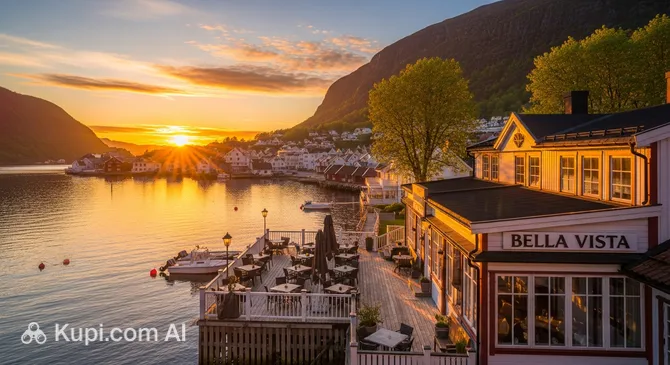
Most restaurants and cafes are concentrated along the waterfront and around the guest harbor, where a relaxed atmosphere prevails. It is pleasant to dine here on outdoor terraces while watching the sunset over the fjord. Among the establishments, the popular restaurant Bella Vista stands out, offering a mix of Italian classics and local ingredients with panoramic views of the water. For a quick snack on the go, the Norwegian street food classic—a hot dog wrapped in a potato pancake (pølse i lompe), sold at street kiosks—is perfect.

Travel Tips

A trip to Holmestrand promises to be calm and inspiring, but a little preparation will make it even more comfortable and save you from unnecessary hassle. We've compiled a list of practical recommendations to help you feel like a local in this cozy city and avoid typical tourist mistakes.

  1. Clothing and gear. The weather by the fjord is changeable, so the main principle is layering. Even in summer, be sure to bring a windproof jacket and a light raincoat: the sea breeze can be cool. Since the city is located on different elevation levels, you will need comfortable flat shoes for walking on hilly terrain and climbing to viewpoints.

  2. Transport nuances. A unique feature of the city is the free public elevator connecting the railway station inside the mountain with the upper part of the city. Use it to save energy. For bus trips, download the VKT Mobilbillett or Entur app—this is the most cost-effective and convenient way to pay. Car rental is only necessary if you plan long trips deeper into the region; the city itself is easily explored on foot.

  3. Finances and payment. Norway is a country of triumphant cashless payments. Bank cards are accepted everywhere: from museums to tiny hot dog stands. You most likely won't need cash (Norwegian kroner) at all. Tipping is not mandatory here as service is included in the bill, but rounding up the amount in restaurants is considered a sign of good manners.

  4. Health and safety. Holmestrand is a very safe city where you can safely walk even after dark. You can and should drink water straight from the tap—it is pure and delicious here. Look for pharmacies under the sign Apotek; duty pharmacies work on weekends, but there are no 24-hour pharmacies in a small town, so it's better to bring specific medications with you.

  5. Language and connection. Almost all locals speak English fluently, so there will be no communication problems. For internet access, it is convenient to buy a prepaid SIM card (e.g., Telenor or Telia) at 24-hour convenience stores like 7-Eleven or Narvesen. Free Wi-Fi is available in most cafes, the library, and at the station.

  6. Local etiquette. Norwegians value personal space and silence. In public transport, it is not customary to sit next to a stranger if there are free double seats. A short greeting like “Hei” is enough when entering a store or a bus. Be restrained in showing emotions and avoid loud conversations in public places.

  7. What to avoid. Never try to haggle in shops or markets—prices are fixed here, and it may be perceived as disrespectful. Also, strictly avoid consuming alcohol on the streets, in parks, or on the beach—this is prohibited by law and carries a heavy fine.

  8. Sunday silence. Remember that on Sundays almost all shops (including grocery supermarkets) are closed. Only small kiosks at gas stations (“Bensinstasjon”) with a limited range and higher prices may be open. Plan your grocery shopping in advance, by Saturday before 16:00.

By following these simple tips, you can focus on the main thing—enjoying the magnificent views of the Oslo Fjord and the unique atmosphere of the “city under the mountain.” We wish you an unforgettable journey and vivid impressions of Holmestrand!

Entertainment & Nightlife

Nightlife in Holmestrand, like in many small Norwegian towns, is characterized by a calm and cozy nature. You won't find massive night clubs with pounding bass until morning or red-light districts here. Instead, the town offers an atmosphere of relaxed leisure (“koselig”), where evenings are traditionally spent in slow conversation with friends over a glass of wine or a mug of local beer. Most activity is concentrated in the city center and along the picturesque waterfront, where the lights of establishments reflect beautifully in the dark waters of the fjord.

The hub of evening activity is the harbor area. This is where the most popular spots are located, operating as cafes by day and turning into lively bars by night. One such place is the restaurant and bar Bella Vista. Situated right by the water, it attracts both tourists and locals with the opportunity to enjoy Italian cuisine and an extensive drinks menu on the outdoor terrace. On weekends, live music often plays here, creating a festive mood.

Bella Vista. Illustration.
Source: Kupi.com AI

Traveler photos:

The crowd in Holmestrand's establishments is very democratic and friendly. There is no strict dress code: a “smart casual” style or even neat everyday attire (jeans and a sweater) will be perfectly appropriate. Most bars and pubs are open until 01:00 or 02:00 am on Fridays and Saturdays, while on weekdays, life quiets down significantly earlier, around 22:00–23:00. Alcohol prices follow Norwegian standards, which is to say they are quite high: a glass of beer can cost from 90 to 120 NOK, and a cocktail from 130 NOK.

Regarding safety, Holmestrand is an exceptionally quiet place. Night walks here pose no threat, the streets are well-lit, and the crime rate is extremely low. However, it's worth thinking about transportation in advance. If you are staying far from the center, it's better to book a taxi ahead of time, as catching a car on the street at night can be problematic. Remember that night taxi rates in Norway are significantly higher than daytime ones.

Daytime entertainment in the city is more cultural and contemplative. Besides walking along the waterfront, it's worth stopping by the local library, which often serves as a community center for meetings and exhibitions. For art and history lovers, the Cultural Center is of interest, where theatrical performances and concerts by local groups are periodically held. In the summer, life bustles on the water: boat trips and relaxing in the guest harbor, where you can watch yachts from all over the world, are popular.

Parks & Museums

Holmestrand's cultural life and green spaces offer tourists a pleasant balance between informative leisure and relaxed outdoor recreation. The city carefully preserves its industrial heritage, turning it into museum exhibits, while the picturesque coastline and surrounding forests serve as ideal settings for walks and picnics.

The heart of outdoor social life is Dulpen Park, located in close proximity to the harbor. This is a spacious green area with well-kept lawns that transitions smoothly into the city beach. Here you can not only swim in the waters of the Oslo Fjord but also admire modern sculptures decorating the paths. In summer, the park becomes the main venue for city festivals and concerts, and thanks to equipped barbecue areas and playgrounds, it is a favorite vacation spot for local families.

For those who prefer a more secluded retreat surrounded by forest, it's worth heading to Lake Botnevannet or the natural area around Lake Kleivannet. These spots, located on the plateau above the city, offer excellent opportunities for hiking tours. Routes here pass through dense coniferous forests, and in season, you can meet locals gathering berries and mushrooms. This is a wonderful opportunity to enjoy the silence of Norwegian nature just a few minutes' drive from the center.

The main keeper of the city's history is the unique Aluminium Museum (Aluminiummuseet). Holmestrand is called the “City of Aluminum” for a reason, and this museum—the only one of its kind in Norway—tells the story of the development of light industry in the country. The exhibition is housed in a historical building and demonstrates how the processing of this metal changed the region's economy and people's daily lives. Interactive displays make the visit interesting even for those who are not technically minded.

To dive deeper into the atmosphere of the old town, visit the Holmestrand Museum. It occupies a charming wooden building built in 1756, known as the “Holst House.” The museum's collection focuses on maritime history, the daily life of wealthy citizens in the 18th–19th centuries, and the development of the resort business. Here you can see antique furniture, textiles, and interior items that recreate the cozy atmosphere of past centuries.

Insider tip: take note of the local Library, located right by the water. It is not just a book repository, but a truly modern cultural center with panoramic windows overlooking the fjord. Small art exhibitions by local masters are often held in its hall, with entry usually being free. It's a great place to take a break, have a coffee, and enjoy the harbor view on a rainy day.

Getting Around

Holmestrand's transport system is compact and efficient, perfectly matching the size of this cozy city. Since the city center is quite small, many tourists prefer to get around on foot, enjoying the views. However, for trips to remote residential areas on the plateau or for travel to neighboring towns, public transport is indispensable. There is no metro or tram system in the city, but their absence is more than compensated for by the unique railway station and a well-developed bus network.

The main transport hub is the railway station. This is a real point of pride for locals and a unique site: the station is located inside the mountain, in a massive rock hall. From here, comfortable trains operated by Vy depart regularly, connecting the city with the capital and other regions. The station is equipped with high-speed elevators that serve as vertical transport, connecting the historical center by the water with the residential areas on the rock's summit. Use of these elevators is free and significantly simplifies movement between the “upper” and “lower” town.

Bus service in the region is provided by the company VKT (Vestfold Kollektivtrafikk). Bright green buses run through the city and surroundings strictly according to schedule. The route network covers major residential zones and connects them with the station. The buses are modern, low-floor, equipped with air conditioning, and convenient for passengers with strollers or luggage. Boarding is through the front door, where you need to tap your ticket or phone against the validator.

The payment system in the Vestfold region is fully integrated into the digital space. The most convenient way to buy tickets is through mobile applications. Tourists are recommended to install the Entur app (the national journey planner) or VKT Mobilbillett. In these apps, you can buy single tickets, 24-hour passes, or weekly passes. Buying a ticket from the driver with cash is possible but will be significantly more expensive due to an additional fee, so it's better to arrange payment in advance. Bank cards are usually not accepted for direct fare payment on board buses; they are only used in ticket machines or apps.

As an alternative to public transport, taxi services operate in Holmestrand. A car can be found at the stand by the station or called by phone. Keep in mind that taxis here are not cheap, and prices in the evening or on weekends can be higher than usual. Popular global ride-hailing apps may not work as stably as local dispatch services.

For those who prefer active recreation, a bicycle is a great option in the summer season. The terrain of the lower part of the city is suitable for quiet rides along the waterfront, but the climb to the upper part of the city will require good physical fitness or an electric bike. If you are traveling in a rental car, remember that parking in the city center and at the station is paid and is paid via parking meters or special mobile apps (for example, EasyPark).

Practical tip for tourists: public transport here runs less frequently in the late evening hours and on weekends. If you are planning a late dinner or returning from a visit, be sure to check the schedule in the Entur app beforehand so you don't miss the last bus. Also remember that a train and bus ticket within the same zone often allows for a free transfer within a certain time (usually 90 minutes).

Accommodation

The choice of accommodation in Holmestrand matches its character: there are no noisy hotel conglomerates, but instead, peace and comfort prevail. The city offers a limited but high-quality range of accommodation options, ranging from classic hotels on the waterfront to private apartments and guesthouses. Travelers should keep in mind that due to the town's small size, the number of available rooms during high season can be limited, so spontaneous searches for a place to stay may become an issue.

In terms of location, the most attractive area for tourists is the Lower Town (the center by the harbor). By staying here, you will be within walking distance of the railway station, restaurants, and the promenade along the Oslo Fjord. This is an ideal choice for those traveling without a car who want to enjoy water views. An alternative is the residential areas on the plateau (the Upper Town), where short-term apartment rentals are more common. Thanks to the public elevator, communication between these parts of the city is very convenient and takes only a few minutes.

Since Norway is known for its high standard of living, the price range for accommodation here varies from medium to high (\"luxury\" in the local sense is more about restrained Scandinavian comfort with a great view than pompous opulence). There are practically no budget hostels in the very center of the city. Budget-conscious tourists often consider staying at campsites in the picturesque surroundings of Vestfold or renting rooms from locals.

Booking tip: When planning a trip for the summer (especially July), it is highly recommended to book accommodation 2–3 months in advance. Holmestrand is a popular summer vacation destination, and the best rooms are snapped up first. For your search, it is most convenient to use major international online platforms that offer both hotel rooms and private housing, ensuring transaction security.

Nearby Cities

For those looking to explore the surrounding area, Holmestrand serves as an excellent starting point for day trips to several interesting nearby locations. Convenient transport links allow you to quickly reach neighboring towns, each with its own unique character and history.

Just a 15-minute drive away is Tønsberg—the oldest town in Norway. This is a must-visit for anyone interested in the Viking Age and medieval history. Here you can walk to the fortress ruins on Slottsfjellet hill, which offers panoramic views, or relax on the picturesque “Brygga” waterfront, filled with cozy restaurants.

Urban architecture and riverside walk enthusiasts should head to Drammen. This city is famous for its bridges, landscaped embankments along the Drammenselva River, and the famous “Spiral” tunnel carved inside a mountain, which leads to one of the best viewpoints in the region.

If marine romance calls to you, visit Sandefjord, known as the historical capital of the whaling industry. Here you can visit a themed museum, board a real whaling ship, and enjoy the atmosphere of a resort coastal town with beautiful parks.

CityPopulationDistance
Sande9 90412 km
Skoppum2 40013 km
Horten20 50413 km
Borre24 27214 km
Tonsberg57 79414 km

These nearby destinations provide an insight into the diverse culture and landscapes of the region, perfectly complementing a stay in Holmestrand.

Shopping & Souvenirs

Shopping in Holmestrand is more of a pleasant addition to your holiday than the main goal of the trip. You won't find massive shopping malls or endless rows of luxury boutiques here as in large megacities. Instead, the town offers a cozy and relaxed shopping atmosphere, with an emphasis on small shops, a personal approach, and home goods. The “city under the mountain” allows you to combine searching for interesting items with a stroll along the picturesque waterfront, enjoying views of the fjord.

The main commercial life in the lower part of town is concentrated along the main street and in the harbor area. Here, in historical buildings, you'll find cozy interior shops, florists, and small clothing boutiques. Walking along these streets is an aesthetic pleasure: windows are often decorated with typical Scandinavian taste. Special attention should be paid to the Eidsfoss area, located 30 minutes from the center. This historical settlement is famous for its craft workshops, where you can find unique ceramics, wrought-iron products, and handmade textiles.

For more practical and large-scale purchases, it's worth heading up to the plateau in the upper part of the city. Here you will find the Holmestrandtoppen shopping center. This is a modern local hub featuring popular brands, supermarkets, pharmacies, and home goods stores. It is easily accessible by both car and bus. It is an ideal place to buy everything you need in one spot, from clothes to picnic supplies.

Market culture in Holmestrand is seasonal. During the warmer months, fairs occasionally pop up in the town square or near the pier, where local farmers sell fresh vegetables, berries (especially the famous strawberries), and homemade pastries. The Christmas markets in Eidsfoss are particularly popular, attracting visitors from all over the region with their magical atmosphere, handmade crafts, and traditional treats.

As souvenirs from Holmestrand and its surroundings, tourists often bring back items made by local craftsmen. It's worth looking at products from Eidsfoss: high-quality yarn, knitted items, or artistic glass. Also, handmade chocolate from the local Odin Chocolate factory, located in the neighboring village of Hof, makes an excellent gift. Don't forget the classic souvenirs: sweaters with traditional patterns, brown cheese (brunost), and cheese slicers, which can be found in supermarkets or souvenir shops.

Shops in the city usually operate Monday through Friday from 10:00 to 17:00 or 18:00. The shopping center at the top of the hill is open longer—often until 20:00. On Saturdays, working hours are shorter, with shops closing around 15:00 or 16:00. Sunday in Norway is a day off, and almost all retail outlets, except for small convenience stores and souvenir shops, are closed. Payment by cards (Visa, Mastercard) is accepted everywhere, even in markets and small cafes, so cash is practically unnecessary.

Tourists residing outside the Nordic countries can take advantage of the Tax Free system. If you make a purchase above a certain threshold (usually around 315 NOK for industrial goods) in a store marked with the Global Blue or Tax Free logo, don't forget to ask for a special receipt. When leaving the country, you can get a refund on part of the value-added tax by presenting your purchases and documents at refund points at the airport or border.

Reached the end of the page?

That means the route is fully explored