Support

Honefoss

About

Hønefoss is a cozy and picturesque town located in the eastern part of the Scandinavian Peninsula. It serves as the administrative center of the Ringerike municipality in the Buskerud province. A trip to Norway is often associated with majestic fjords, but small towns like this one possess their own unique charm. It is home to more than 16,000 people, creating a peaceful yet lively enough atmosphere for comfortable tourism.

The town owes its name and development to a powerful waterfall on the Begna River, located right in the center of the settlement. The rich history of Hønefoss is closely intertwined with logging and industry, as the energy of the falling water powered local sawmills and factories for centuries. Today, it is a modern settlement surrounded by dense forests and hills, with a humid continental climate characteristic of the country's east.
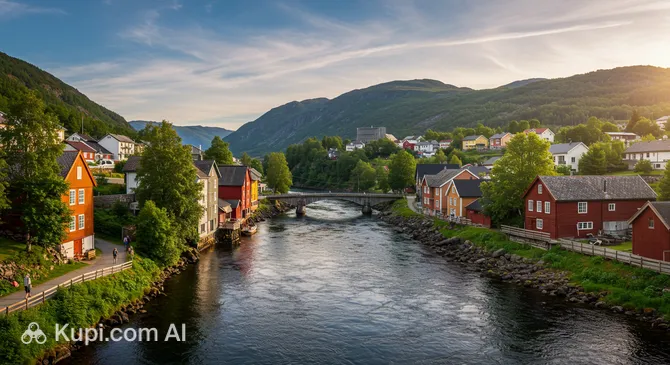
Hønefoss. Illustration.
Source: Kupi.com AI

Among the key attractions, the Hønefossen waterfall itself stands out, offering a breathtaking sight, especially during periods of high water. Tourists will also find interest in the Riddergården historical complex—a preserved 18th-century estate that frequently hosts cultural events and concerts. The proximity to Lake Tyrifjorden opens up excellent opportunities for boat trips and outdoor recreation.

Hønefoss is a wonderful place for those who want to experience the authentic life of the region away from bustling metropolises. Its convenient location just an hour's drive from the capital makes it an ideal stop for exploring the picturesque surroundings.

Weather Overview

The climate in this region has continental traits, which ensures a clear change of seasons. To make your trip as comfortable as possible, we recommend checking what the weather in Hønefoss is expected to be on your planned dates. This will help you choose the right wardrobe for both summer walks and winter activities.

Summer here is mild and pleasant, without exhausting heat. The warmest month is traditionally July, with an average temperature of about 15.7°C, when daytime air can warm up to almost 20°C. However, you should be prepared for the whims of nature: rain is quite common in summer, especially in August, which records up to 15 wet days.

Winter brings true Scandinavian freshness and frost. The coldest month is January, when the average temperature drops to -6.1°C, and night frosts can reach -8.5°C. Precipitation in winter is low in volume, but the snow remains stable, creating excellent conditions for winter recreation.

Transition seasons are characterized by rapid temperature changes. Spring begins with frosts in March, but by May it becomes truly warm (up to 14.6°C during the day). In autumn, the temperature gradually decreases from a comfortable 11°C in September to near-zero values in November. Expect moderately warm summers with occasional rain and cold, fairly dry winters.

Average monthly temperature

Average monthly precipitation

Interesting Facts

In addition to its famous views and historic buildings, Hønefoss hides many curious details that make it special for the attentive traveler.

  • Capital of summer humor. The town is famous for its annual summer revue — Hønefossrevyen. This is one of the largest and most prestigious humor shows in Norway, attracting thousands of spectators from all over the country and considered a major event in the national cultural calendar.

  • A unique delicacy. The Ringerike region, with the town at its center, is known for a special variety of potato — Ringerikspotet. This small reddish tuber has a Protected Geographical Indication, similar to French Champagne, and is considered a true delicacy in Norwegian cuisine.

  • A modern hub. Despite its ancient roots, the town is actively developing as a modern commercial hub. It is home to the popular Kuben Hønefoss complex, which has repeatedly received prestigious awards for the best shopping center design and visitor convenience.

  • A monument in the water. Right in the middle of the waterfall, you can see the "Oppgangssaga" sculpture. it depicts an old vertical saw and serves as a reminder that it was logging and the power of water that turned a small settlement into a prosperous industrial town.

Kuben Hønefoss. Illustration.
Source: Kupi.com AI

Traveler photos:

How to Get There

When planning a trip to this cozy Norwegian town, it is important to think about your route in advance, as there are no direct international flights to Hønefoss. You can find all the details and possible routes by following the link: more about how to get to Hønefoss. The main flow of tourists arrives via the major transport hubs of nearby Oslo, from where it is easy to reach the destination by land transport.

The closest and most convenient option for arrival is Oslo Airport Gardermoen (IATA: OSL). This is Norway's main international airport, receiving flights from all over the world. It is located not in Hønefoss itself, but in the Oslo area, approximately 47 km from your destination. The journey by taxi or rental car takes about 50–60 minutes. There are also direct buses running between the airport and Hønefoss, making this the most optimal choice.

Another popular option, especially for those flying with low-cost carriers, is Sandefjord Airport, Torp (IATA: TRF). It also serves the Oslo region but is located significantly further away — about 109 km from Hønefoss. The driving time is approximately 1.5–2 hours. This is an excellent alternative if you want to save on tickets and are willing to spend a bit more time on the transfer.

For convenience, here is a summary of the main airports through which you can reach the region:

AirportPassenger trafficDistance
Oslo Airport Gardermoen26.4 mln47 km
Torp Sandefjord Airport1.9 mln109 km
Scandinavian Mountains Airport25 000179 km
Karlstad Airport20 607191 km
Sogndal Airport91 145203 km

If you prefer traveling by rail, keep in mind that the main lines pass through the capital. Hønefoss itself does not have a large international station, so tourists often arrive at Oslo Central Station (Oslo S). It is located in Oslo, about 46 km from Hønefoss. This is the country's largest railway hub with a huge passenger flow. From here, you can transfer to a regional train (Bergen Line), which stops directly in Hønefoss, or take a bus.

Another convenient arrival point in the capital is the Nationaltheatret Station. It is also located in Oslo, 40 km from Hønefoss, and is an important transport hub serving both trains and the metro. Travel time from the capital's stations to Hønefoss by train is usually about 1 hour and 15 minutes, allowing you to reach your destination quickly and comfortably while enjoying the views from the window.

Below is a table with the nearest major railway hubs:

StationPassenger trafficDistance
Nationaltheatret Station14.6 mln40 km
Oslo Central Station54.8 mln46 km
Kristiansand Railway Station260 km
Leksand Railway Station269 km
Bergen Railway Station2.2 mln280 km

Main Attractions

Hønefoss offers tourists an interesting combination of natural beauty, deep history, and modern urban infrastructure. Although the town is small, there are several iconic spots that allow visitors to better understand the culture of the Ringerike region and enjoy the Scandinavian atmosphere.

The heart of the town and its main natural attraction is the Hønefossen waterfall. It gave the town its name and served as the foundation for its industrial growth. The waterfall is located right in the center, and the bridge offers an impressive view of the rushing waters of the Begna River. In summer, when the water level drops, the rocks are exposed, while during flood periods, the elements demonstrate their full power. A sculpture symbolizing the region's sawmill past is installed in the center of the waterfall.

For fans of shopping and modern architecture, Kuben Hønefoss is a must-visit. It is not just a shopping center but a true hub of attraction for locals and visitors alike. The building features a stylish design that is harmoniously integrated into the urban landscape. Here you can find many shops featuring Scandinavian brands, cozy cafes, and restaurants, making it a great place to take a break after a walk and buy some souvenirs.

To dive into the ancient history of the region, head to Veien Cultural Heritage Park (Veien Kulturminnepark). This is one of the most important archaeological sites in Eastern Norway, located very close to the center. The park features a reconstructed majestic Viking Age "Longhouse" and a large Iron Age burial ground. Here, you can literally touch the past, learn about the daily life of Norwegian ancestors, and stroll through the picturesque grounds of the open-air museum.

Another important cultural landmark is the Ringerikes Museum, located in an old parsonage building next to the medieval Norderhov Church. The museum houses unique collections related to military history, local folklore, and the life of national heroine Anna Colbjørnsdatter. A visit to this place allows you to learn the legends that the entire region is proud of and see traces of historical events on the walls of the old buildings.

Local Cuisine

The gastronomic scene of Hønefoss is a reflection of the traditions of the entire Ringerike region, where the emphasis is on fresh local products and gifts from the forest and river. Here you won't find an abundance of molecular fine-dining restaurants, but you can enjoy honest and hearty Norwegian food in a cozy atmosphere. The proximity to forests and Lake Tyrifjorden provides local establishments with fresh fish and game.

The main culinary pride of the area is undoubtedly the Ringerike potato (Ringerikspotet). These small tubers with reddish skin have a unique taste and firm texture. In local restaurants, they are often served as a side dish to traditional meals, such as roasted lamb or moose. It is also worth trying the freshwater fish dishes—trout or whitefish caught in local waters. The fish here is prepared simply: fried in butter or baked with herbs to preserve the natural flavor.

Regarding drinks, the residents of Hønefoss, like all Norwegians, are huge fans of coffee. A cup of black coffee is a mandatory part of any breakfast or break during the day. Among alcoholic beverages, pay attention to aquavit (akevitt)—a strong Scandinavian spirit infused with caraway and spices, which pairs perfectly with fatty meat dishes. Beer lovers will be interested in trying varieties from local microbreweries, which are gaining popularity in the region.

The food culture in the town is quite casual. Locals love spending time in coffee shops and bakeries, enjoying fresh pastries like waffles with brown cheese (brunost). For a quick and varied snack, Kuben Hønefoss is an excellent choice. This modern complex houses several cafes and eateries where you can find both traditional Scandinavian sandwiches and international cuisine.

During the summer season, many establishments open terraces, allowing guests to dine in the fresh air. If you want to feel the true spirit of the town, look for small restaurants located in historic wooden buildings—there you will often find that "koselig" (cozy) atmosphere that many come to Norway to experience.

Travel Tips

Preparing for a trip to Hønefoss does not require complex efforts, but knowing local specifics will make your stay much more comfortable and save you from minor inconveniences. We have compiled a list of practical recommendations to help you feel confident in this cozy town and avoid typical tourist mistakes.

  1. Clothing and weather. The climate in Norway is changeable, so the main principle in clothing is layering. Even in summer, you should have a light waterproof windbreaker and a warm sweater for the evenings, and in winter — thermal underwear, a windproof jacket, and a hat. Since Hønefoss is ideal for walks near the waterfall and through hilly terrain, be sure to bring comfortable flat shoes with good grip. Standard European sockets (type F) are used for charging gadgets.

  2. Transport accessibility. The town center is quite compact, and the main attractions, including the waterfall and shopping streets, are within walking distance. For trips around the Ringerike region, it is convenient to use Brakar buses. We recommend downloading their mobile app to buy tickets, as paying the driver is more expensive. Taxis are not cheap, so it is better to order a car in advance through apps rather than hailing one on the street.

  3. Finances and payment. The country has almost entirely moved away from cash. Bank cards (Visa, Mastercard) are accepted everywhere: from hotels to small kiosks. You might not need cash krones at all during your entire trip. Tipping is not mandatory, as service is usually included in the bill, but rounding up the amount or a small token of gratitude for excellent service is appreciated. Keep in mind that price levels for food and services are higher than the European average.

  4. Health and safety. Hønefoss is a peaceful town with a low crime rate, where you can safely walk even in the evening. Pharmacies (Apotek) usually operate on shop schedules and are closed on Sundays, so it is better to bring a minimal set of necessary medications with you. The tap water here is of excellent quality — you can safely drink it directly from the tap. The emergency services number is 112.

  5. Communication and language. Most locals speak English fluently, so you won't have problems with communication. However, a few words in the local language, such as "Takk" (thank you) or "Hei" (hello), always bring a smile and build rapport. Free Wi-Fi is available in many cafes and public places. SIM cards (Telenor, Telia) are sold in convenience stores, but their activation requires passport registration.

  6. Local etiquette. Residents value personal space, silence, and modesty. It is not common to speak loudly or gesture actively in public places. Punctuality is a norm of life here: if you have an excursion or meeting scheduled, being even a couple of minutes late will be considered a sign of disrespect.

  7. Alcohol restrictions. You cannot buy alcohol everywhere and at all times. Regular beer is sold in supermarkets until 20:00 on weekdays and until 18:00 on Saturdays. Wine and spirits are only available in specialized state shops called Vinmonopolet, which close fairly early and do not operate on Sundays.

  8. Weekend operating hours. Remember that Sunday is a traditional day of rest. Most shopping centers and supermarkets will be closed. Only small "duty" shops, kiosks, and gas stations are open, where the selection is smaller and prices are higher. Plan your main grocery and souvenir purchases in advance.

Hønefoss is a welcoming place where respect for nature and personal boundaries creates a wonderfully peaceful atmosphere. By following these simple tips, you can avoid unnecessary hassle and focus entirely on contemplating the powerful waterfall and enjoying Scandinavian coziness.

Entertainment & Nightlife

The nightlife in Hønefoss, as befits a small Norwegian town, is characterized by tranquility and coziness. You won't find massive nightclubs with world-class DJs operating until dawn here; however, the town offers excellent opportunities for a relaxed evening. Most activity is concentrated in the center, around the Søndre Torv market square and the picturesque embankments of the Begna River. Parties and excitement are typically reserved for the weekends, while weekdays pass in a quieter atmosphere.

The format of local establishments can be described as "Scandinavian pub." These are places where the focus is on socializing, good drinks, and live music. There is practically no dress code: casual style or even outdoor gear is perfectly appropriate. The crowd in bars is diverse—ranging from local college students to the older generation, creating a friendly and inclusive environment.

If you are looking for a place to combine dinner with a cultural program, check out Gledeshuset. This is a unique cultural and entertainment center that combines a restaurant, bar, and stage. It regularly hosts concerts by local bands, stand-up shows, and the famous summer revues. Another focal point is the historic Hydranten building—a popular bar and nightclub located in an old fire station. It is one of the few places in town where you can dance and listen to DJ sets on weekends.

For a calmer start to the evening or late-night shopping, Kuben Hønefoss is ideal. In this complex, you can not only browse the shops but also find cozy cafes for dinner before heading to a bar or the cinema. Locals often meet here before going out to explore the town at night.

Practical tips for night owls:

  • Alcohol and prices. Be prepared for high Norwegian alcohol prices. An average cocktail or glass of beer in a bar will not be cheap. Alcohol sales in shops end early (usually at 18:00 or 20:00), and it is impossible to buy it on Sundays, so bars remain the only option for late-night leisure.
  • Opening hours. Most establishments close around 01:00–02:00, even on weekends. It is best to arrive by 21:00–22:00 when the main crowd gathers.
  • Safety and transport. Hønefoss is a very safe town. Walking through the streets at night, even alone, poses no threat. The center is compact, and most hotels are within walking distance. If you need a taxi, it is better to use an app or call for one by phone, as "hailing" them on the street is not common here.

Speaking of daytime and evening entertainment, we must mention the local cinema, Hønefoss Kino, which shows the latest world releases in their original language with Norwegian subtitles. Also, the town's cultural life pulses around the Ringerike Kultursenter stage, which hosts theatrical productions and exhibitions of interest to those who want to dive deeper into the local context.

Parks & Museums

Despite its compact size, Hønefoss surprises guests with an abundance of green zones and a rich cultural heritage carefully preserved in local museums. The town is harmoniously integrated into the natural landscape, where parks seamlessly transition into embankments and historic estates neighbor modern art spaces.

Key Parks and Green Zones

The "green heart" of the town is rightfully considered Søndre Park. It is a classic urban park located in the southern part of the center, perfect for leisurely strolls and picnics. In summer, open-air concerts are often held here, and well-maintained paths lead to the river, offering picturesque views. For outdoor enthusiasts, the park features a modern workout area known as "Tufteparken."

If you are looking for a place for more active leisure by the water, head to Schjongslunden. This is a vast recreational area on a peninsula washed by the waters of the Storelva river. It features a popular city beach where locals gather on warm days, as well as convenient trails for running and walking. In winter, the park transforms into an excellent location for cross-country skiing, maintaining its appeal year-round.

Museums and Galleries

To dive into the region's history, a visit to the Ringerikes Museum is essential, located in the old Norderhov estate just a few minutes' drive from the center. This place is unique because it combines several eras: here you can learn about the feat of Anna Colbjørnsdatter, who outwitted Swedish troops in 1716, and visit an exhibition dedicated to the famous fairytale writers Asbjørnsen and Moe, who met within these very walls. The museum also features an exhibition about the Resistance movement during World War II.

Those interested in antiquity will enjoy Veien Cultural Heritage Park (Veien Kulturminnepark). This is not just a museum, but an entire open-air archaeological complex built on the site of one of the largest Iron Age burial grounds. The park's main pride is the reconstructed "Longhouse," recreated with historical accuracy. Visitors can go inside, smell the hearth, and imagine how people lived in these parts over a thousand years ago.

Historical and Architectural Sites

The special atmosphere of old Hønefoss is preserved at Riddergården — a well-preserved 18th-century estate complex. It is a kind of oasis of silence in the center of the town, where you can walk among wooden buildings that have remained virtually unchanged for centuries. In summer, the estate's courtyard often becomes a venue for folklore festivals and theatrical productions, allowing tourists to touch living history.

Insider Tip

To see the town from an unusual angle, follow the "Elvelangs" route. This is a picturesque walking trail that runs along the riverbank and connects the main parks and attractions. A walk here is especially beautiful at sunset, when the water turns golden and the sound of the waterfall creates a peaceful backdrop.

Getting Around

The public transport system in Hønefoss is compact and efficient, perfectly matching the size of this cozy town. The main mode of transport for locals and tourists is the bus, which connects the center with residential areas and the surrounding Ringerike region. There are no subways or trams here, and rail service is primarily used for travel to other cities, such as Oslo or Bergen, rather than for moving within Hønefoss itself.

The main bus operator is the company Brakar. Their buses are easy to recognize by their characteristic colors; they are modern, comfortable, and strictly follow the schedule. The route network covers all key points, including shopping centers, tourist sites, and residential neighborhoods. However, travelers should keep in mind that in the evening and on weekends, intervals between buses can increase significantly, so it is better to plan trips in advance.

Fare payment is geared towards cashless transactions. The most convenient and cost-effective way is to download the "Brakar Billett" mobile app. You can buy single tickets that are valid for a certain amount of time (usually 90 minutes) with the possibility of transfers, or 24-hour passes if you plan to move around a lot during the day. The ticket is activated in the app and must be shown to the driver or scanned upon entry.

Buying a ticket directly from the driver is possible but highly discouraged for budget-conscious tourists. A significant extra commission is charged for paying with cash or a bank card on board, making the trip almost twice as expensive. Children and seniors (over 67 years old) are entitled to discounts, but proof of age may be required. For route planning, the national Entur app is ideal as it aggregates data from all carriers.

If you need to reach a place where buses do not run or if you are in a hurry, you can use a taxi. Taxi stands are located at the railway station and in the town center, but it is more reliable to order a car through local apps or by phone. Keep in mind that taxi rates in Norway are among the highest in Europe, so it can be expensive for short distances.

Given that the center of Hønefoss is very compact, many tourists prefer to get around on foot. Most attractions, including the waterfall and museums, are within a 15–20 minute walk of each other. In the summer season, cycling becomes a great alternative: the urban infrastructure is cyclist-friendly, and the terrain in the central part is relatively flat for comfortable rides.

Accommodation

The choice of accommodation in Hønefoss, while not on the scale of a capital city, is quite capable of meeting the needs of most travelers. The town offers primarily mid-range hotels that combine Scandinavian practicality with comfort. You won't find luxury five-star resorts here, but local hotels are famous for their high level of service, cleanliness, and hospitality. For those who prefer a more home-like atmosphere or are traveling in a large group, apartment rentals and guesthouses are available.

Neighborhoods to Stay In

The most convenient location for tourists is the city center (Sentrum). By staying here, you will be in the heart of the action: the picturesque waterfall, shopping streets, and main cultural sites will be within walking distance. Additionally, staying in the center eliminates the need to spend time and money on public transport, as the bus station and railway station are easily accessible on foot. For road travelers, campsites and motels on the outskirts might be of interest, providing easy access to the countryside.

Accommodation Features

Most town hotels offer a standard set of services: comfortable rooms, free Wi-Fi, and usually a hearty breakfast included in the price. Interiors are often decorated in a restrained modern style. If you are looking for budget options, it is worth looking into small guesthouses or checking short-term rental platforms, as there are few classic hostels in the town.

Booking and Prices

The price range for accommodation in Hønefoss can be described as medium to high, which is typical for all of Norway. To save money and guarantee the best view from your window, it is highly recommended to book your accommodation in advance. This is especially relevant during the summer season (June to August) and during local festivals when the small number of available rooms sells out quickly. For booking, it is most convenient to use major international online aggregators, which allow you to compare prices and read reviews from real guests.

Nearby Cities

For those who want to explore the surrounding area, Hønefoss serves as an excellent starting point for day trips to several interesting nearby locations:

Just an hour's drive away is Oslo — the capital of Norway and the country's cultural center. It is an ideal destination for a busy day: here you can walk through the famous Vigeland Sculpture Park, visit the Munch Museum, or climb to the roof of the white Opera House to enjoy the panorama of the fjord. The city offers endless opportunities for gastronomic tourism and shopping.

Lovers of picturesque river landscapes should head to Drammen. The city is famous for its beautiful promenade along the Drammenselva river and a unique attraction — the "Spiral" (Spiralen). This is a road tunnel carved into the mountain in the shape of a corkscrew, leading to an observation deck with a breathtaking view of the valley.

If you are interested in a combination of nature and shopping, look into the town of Sandvika. One of the largest shopping centers in Scandinavia, Sandvika Storsenter, is located here. And just a few minutes' walk away is the island of Kalvøya — a beautiful recreation area with beaches and walking trails where you can take a break from the city bustle.

CityPopulationDistance
Lunner9 14424 km
Lommedalen11 20027 km
Gran13 63328 km
Lier27 58432 km
Nittedal24 94733 km

These nearby destinations provide a glimpse into the diverse culture and landscapes of the region, making your trip even more fulfilling and memorable.

Shopping & Souvenirs

General Overview

Hønefoss is the main shopping hub of the Ringerike region, attracting residents from surrounding settlements and tourists with its variety and coziness. Shopping here is characterized by a calm, measured pace: you won't find the hustle and bustle of huge metropolises, but you will discover a decent selection of goods. The town harmoniously combines modern shopping venues with small street shops, offering everything you need — from fashionable clothing and sports equipment to home decor and local delicacies.

Main Shopping Areas

The heart of street commerce is the area around the central square, Søndre Torv, and its adjacent pedestrian zones. It is pleasant to stroll here in good weather, looking into small boutiques, bookstores, and home goods shops. Unlike chain giants, independent sellers are more common here, offering unique items and a personal approach to every customer.

Shopping Centers

The undisputed leader and center of attraction for shoppers is Kuben Hønefoss. This is a modern and stylish shopping complex located in the very heart of the town. Under one roof, it brings together more than 60 shops, including popular Scandinavian and international brands for clothing and electronics, pharmacies, and a grocery supermarket. It is the perfect place to update your wardrobe, buy necessary small items, or warm up with a cup of coffee between purchases.

Markets

Søndre Torv square regularly comes alive with market trade. On certain days, stalls with farm products, flowers, and handmade items are set up here. Seasonal fairs and meetings of local producers (REKO-ring) are particularly popular, where you can buy fresh vegetables, local honey, jam, or traditional pastries. This is a great opportunity to taste the true flavor of the region.

Souvenirs

From Hønefoss, it is worth bringing back more than just classic Norwegian souvenirs like troll figurines or sweaters with traditional patterns. Look for products from the famous Hadeland Glassverk glassworks located nearby — elegant vases, glasses, and decor can be found in local shops. Gastronomic souvenirs also make excellent gifts: brown cheese (brunost), wild berry jams, or high-quality wool products.

Opening Hours and Payment

Large shopping centers are usually open from 10:00 to 20:00 on weekdays and until 18:00 on Saturdays. Street shops often close earlier — around 16:30 or 17:00. It is important to remember that Sunday is a day off for most shops; only small convenience stores and kiosks are open. Norway is a country of triumphant cashless payments: bank cards are accepted everywhere, even at the market for a bunch of herbs, so you likely won't need cash.

Tax Free

Tourists living outside the Nordic countries can take advantage of the Tax Free refund system. Look for the "Global Blue" logo or similar in shop windows. For a one-time purchase above a certain threshold (usually around 315 NOK), you can request a special check to get a portion of your spent funds back when leaving the country.

Reached the end of the page?

That means the route is fully explored