Support

Gjovik

About

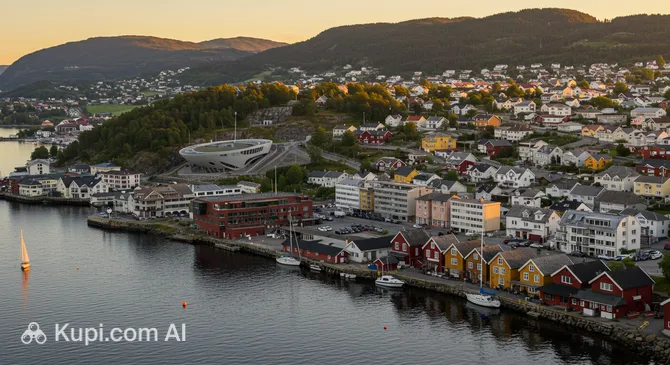
Gjøvik is a cozy and picturesque town stretching along the shores of Mjøsa, the largest lake in the country. Located in the heart of Eastern Norway, this town attracts travelers with its calm atmosphere and harmony with nature. Just 120 kilometers separate it from the capital, Oslo, making Gjøvik an ideal destination for those who want to experience the authentic Scandinavian province without straying too far from civilization.

Gjovik. Illustration.
Source: Kupi.com AI

Despite its relatively small population of approximately 20,589 people, the town is an important administrative center and boasts modern infrastructure. At the same time, traditions of the past are carefully preserved here. The fascinating history of Gjøvik comes to life in the architecture of old estates and interactive museum displays, where cultural heritage and modern technology are harmoniously intertwined.

Visitors to the town find special pleasure in leisurely strolls along the well-kept Lake Mjøsa embankment, enjoying the fresh air and magnificent views. Gjøvik is a place where you can escape the hustle and bustle, enjoy a cup of coffee overlooking the water, and feel true Norwegian "kos" (coziness). If you are looking for inspiration and peace, this hospitable corner is definitely worth including in your travel itinerary.

Weather Overview

The climate in this region features distinct seasonality, allowing you to enjoy the variety of Norwegian nature. Winters here are authentic, with bracing frosts: in January, the average temperature is around -6.8°C, and at night the thermometer can drop to -9.1°C. This time of year is ideal for lovers of snowy landscapes and a winter atmosphere.

The summer months bring a long-awaited warming, making walks by Lake Mjøsa especially pleasant. The warmest month is usually July, with an average temperature of 14.7°C and maximum values around 19.2°C. To choose the best clothing for your trip, we recommend checking what the weather in Gjøvik is expected to be during your visit.

Overall, the town is characterized by moderate humidity throughout the year. Expect a comfortable, mild summer with occasional rain and cold, fairly dry winters, though the number of days with precipitation remains stable in almost every month.

Average monthly temperature

Average monthly precipitation

Interesting Facts

Gjøvik holds many fascinating stories and unique sites beyond the well-known tourist routes, making it a special place on the Norwegian map. The town surprises visitors with its blend of carefully preserved historical traditions and bold engineering solutions.
  • The town is world-famous for the unique Gjøvik Olympic Cavern Hall (Gjøvik Olympiske Fjellhall), built for the 1994 Winter Games. It is the world's largest ice arena carved entirely inside a mountain: the rink and stands are hidden deep underground, providing the structure with incredible acoustics and a stable climate.

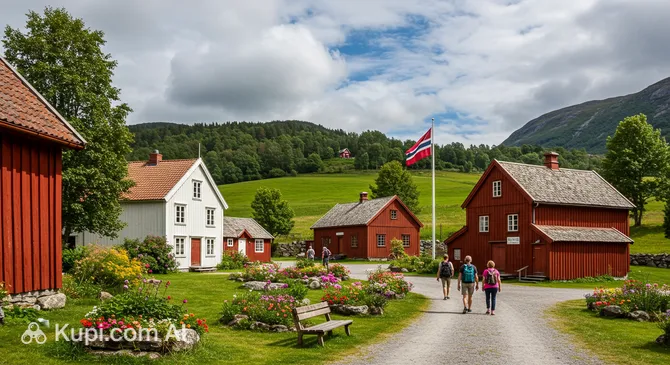
  • In the town center lies the picturesque Gjøvik Manor, which today functions as a cultural center and open-air museum. Here, you can not only see historic buildings but also immerse yourself in the lifestyle of past centuries thanks to charismatic guides who turn tours into theatrical performances.

  • Gjøvik is home to one of Eastern Norway's most fascinating science centers — Vitensenteret Innlandet. This interactive space allows adults and children to conduct experiments, study the laws of physics, and feel like real explorers.

  • Special attention is given to art and music in the town. Gjøvik Church (Gjøvik Kirke) serves not only as a spiritual center but also as a popular concert venue, hosting regular performances and art exhibitions that fill its historic walls with new life.

Gjøvik Farm. Illustration.
Source: Kupi.com AI

Traveler photos:

How to Get There

Route planning is a vital part of any journey. Gjøvik is conveniently located in the eastern part of the country, making it accessible for tourists. You can find more details on how to get to Gjøvik to choose the most convenient method for you, whether by plane or train.

Gjøvik itself does not have an airport, but you can fly into Oslo Airport Gardermoen (IATA: OSL) in Oslo, which is approximately 70.7 km from Gjøvik. This is the country's main international hub, receiving flights from all over the world. The journey from there by taxi or bus takes about 2 hours. This is the most popular and fastest way to reach the region.

An alternative option is Sandefjord Airport, Torp (IATA: TRF), also located in the Oslo region but significantly further away—180.9 km from Gjøvik. Budget airlines often fly here. Traveling by ground transport from this airport will take more time, approximately 4-5 hours.

For your convenience, here is a summary of the main airports:

AirportPassenger trafficDistance
Oslo Airport Gardermoen26.4 mln71 km
Scandinavian Mountains Airport25 000123 km
Torp Sandefjord Airport1.9 mln181 km
Sogndal Airport91 145197 km
Roros Airport21 575202 km

Rail connections also play an important role in the region's transport system. Although there is no major hub station directly within the town listed here, you can arrive at Oslo Central Station (IATA: XZO) in Oslo, located about 69.7 km from Gjøvik. This is the country's largest transport hub, where it is easy to transfer to regional trains or buses heading toward Lake Mjøsa.

Another significant point is National Theatre Station (IATA: ZZN), also located in Oslo (98.6 km from Gjøvik). It is convenient for those who want to combine their trip with a walk through the capital's center before heading further inland.

Below is information about the nearest major railway stations:

StationPassenger trafficDistance
Oslo Central Station54.8 mln70 km
Nationaltheatret Station14.6 mln99 km
Leksand Railway Station235 km
Borlänge Railway Station800 000261 km
Falun Central Station271 km

Main Attractions

Despite its compact size, Gjøvik can surprise even seasoned travelers with its variety of interesting sites. Historical monuments, engineering masterpieces, and modern recreation areas sit harmoniously side-by-side, making a walk through the town an exciting adventure.

One of the main cultural attractions is the magnificent Gjøvik Manor. This architectural complex, located in a beautiful park near the center, allows visitors to touch the history of the region. The main building, constructed in the Empire style, is perfectly preserved and today hosts exhibitions, concerts, and community events. A walk along the park's alleys around the manor provides a sense of peace and comfort in any season.

Gjøvik Farm. Illustration.
Source: Kupi.com AI

Traveler photos:

It is impossible to talk about the town's sights without mentioning the famous Olympic Cavern Hall (Fjellhallen). This unique structure was built for the 1994 Winter Games and is a massive ice arena carved entirely out of solid rock. Visitors are struck by the scale of the engineering feat: inside the mountain, you find a modern complex that hosts hockey matches and large-scale concerts. This place is a point of pride for local residents.

For those who want to combine sightseeing with some shopping, CC Gjøvik is the perfect spot. It is not just a store, but the largest shopping center in the region between Oslo and Trondheim. Tourists appreciate it for its wide selection of brands, cozy cafes, and the convenience of finding everything needed for travel in one place. The building is well-integrated into the urban environment and is within walking distance of the waterfront.

Another symbol of the town is the legendary paddle steamer "Skibladner," often called the "White Swan of Mjøsa." It is the world's oldest paddle steamer still in regular operation. During the summer season, a trip aboard this historic vessel allows you to enjoy scenic views of the lake and experience the romance of past centuries.

Local Cuisine

Gjøvik's gastronomic scene is a cozy blend of centuries-old traditions and the freshest local products. Due to its location on the shores of Lake Mjøsa, fish holds a place of honor on local restaurant menus. Travelers should definitely try the delicate lake trout baked with herbs or the famous pike soup, which is prepared here with great skill.

A true symbol of local cuisine is the brown goat cheese "brunost." This product, with its unique caramel flavor, is served almost everywhere: from hotel breakfasts to cozy coffee shops, often paired with warm waffles and cloudberry or lingonberry jam. To dive deeper into the atmosphere of old-world life and perhaps learn more about past dining traditions, visit the Gjøvik Manor complex, which is an important part of the town's cultural landscape.

The Innlandet region is famous for its agriculture, so in Gjøvik, you can enjoy excellent locally produced drinks. Apple cider and homemade forest berry liqueurs made from family recipes are particularly popular. In summer and autumn, city markets and farmers' fairs overflow with fresh vegetables, mushrooms, honey, and home-baked goods.

CC Gjøvik. Illustration.
Source: Kupi.com AI

Traveler photos:

If you want to experience the modern rhythm of the locals or buy gastronomic souvenirs, stop by CC Gjøvik. Here you can find not only shops with products from local farmers but also various cafes serving both European and Asian cuisine. The town also enjoys hosting gastronomic festivals, turning food into a true celebration for residents and guests alike.

Travel Tips

A trip to Gjøvik promises to be peaceful and comfortable, as it is one of the coziest corners of the Innlandet region. To ensure nothing distracts you from enjoying the views of Lake Mjøsa and the local architecture, we have prepared a list of useful tips to help you plan your trip wisely.

  1. Clothing and gear. The weather by the lake can be changeable even in summer. Be sure to bring a windproof jacket and a fleece sweater for cool evenings. Since the town is situated on hillsides, you will need comfortable flat shoes for walking. In winter, thermal underwear and non-slip boots are an absolute necessity.

  2. Transport. The town center is compact enough that it's most pleasant to explore on foot. For trips around the area or to neighboring towns in the region, it is convenient to use Innlandstrafikk buses. Taxis in Norway are expensive, so for budget travel, it's better to rely on public transport or rent a bike in the summer.

  3. Finances and payment. The local currency is the Norwegian Krone (NOK). Norway is one of the most "cashless" countries in the world. Bank cards are accepted everywhere: from large hotels to tiny ice cream kiosks and ticket machines. You likely won't need cash at all, but having a small amount as a backup doesn't hurt.

  4. Health and water. Tap water in Gjøvik, as in the rest of the country, is of the highest quality and tastes great—it can and should be drunk straight from the tap; it is safe and free. Pharmacies (Apotek) are easy to find in the center and shopping malls, but remember that many medications are sold strictly by prescription.

  5. Language and communication. The official language is Norwegian, but almost all locals speak English fluently. Learning a few words, such as "Takk" (thank you) or "Hei" (hello), will show respect and is sure to bring a smile to your conversational partner. Free Wi-Fi is available in many cafes, hotels, and public areas.

  6. Shop opening hours. Keep in mind that most shops close quite early (usually 5:00 PM – 6:00 PM, shopping centers a bit later). On Sundays, almost all supermarkets and boutiques are closed, with only small convenience stores and gas station kiosks operating.

  7. Buying alcohol. This is an important detail for tourists. Strong alcohol and wine can only be purchased at specialized state-run stores called Vinmonopolet, which have strictly limited hours and are closed on Sundays. Ordinary supermarkets only sell beer and cider, and sales stop in the evening (usually at 8:00 PM on weekdays and 6:00 PM on Saturdays).

  8. Respect for nature. Norwegians are very protective of the environment. If you go for a picnic by the lake or in the woods, strictly follow the rule: "leave the place cleaner than you found it." All trash must be taken with you.

Gjøvik is a town where pace and harmony are valued. By following these simple recommendations, you can easily blend into the local rhythm of life and get the most out of Norwegian hospitality.

Entertainment & Nightlife

The nightlife in Gjøvik may not match the scale of major metropolises, but thanks to its status as a student town, it has a lively and friendly atmosphere. In the evenings, especially on Fridays and Saturdays, the town center fills with students from the local NTNU campus and residents looking to unwind after the work week. Most activity is centered along the main street, Storgata, and the area near the railway station, where the most popular venues are located.

For lovers of a classic bar atmosphere and dancing, Chaplin Café is one of the main draws. By day it is a cozy cafe, but by night it transforms into a vibrant club with DJs and a dance floor. If you prefer sports and beer, it's worth checking out Khalles Corner—a traditional pub that broadcasts football matches and offers a relaxed environment. The dress code in most places is democratic: "casual" style (jeans and a neat shirt or sweater) is appropriate almost everywhere.

If your ideal evening involves dinner at a restaurant or a movie, visiting the CC Gjøvik shopping and entertainment center is an excellent option. It houses a modern cinema as well as several restaurants that stay open until late. This spot is popular among those seeking a more relaxed evening in a comfortable setting, away from loud parties.

When planning your evening, keep Norwegian prices in mind: alcohol is expensive here, so the average bar bill may be higher than in other European countries. Locals often start the evening with a "vorspiel" (pre-party at home) and head out into town after 11:00 PM. Regarding safety, Gjøvik is a very peaceful town. Night walks pose no threat, but to return to your hotel, especially in cold weather, it is more convenient to use the local taxi service (Gjøvik Taxi), as night buses run less frequently.

During the day, the town offers an equally interesting cultural program. You can visit museums, galleries, or stroll through the parks. Particular attention should be paid to the historical Gjøvik Manor, which serves as the town's cultural heart. Concerts and exhibitions are regularly held here, and the picturesque park surrounding the manor is the perfect place to relax before a busy evening.

Parks & Museums

Gjøvik is a town where nature and culture are intertwined with surprising harmony. Excellent conditions are created for tourists: from well-kept alleys in the very center to educational exhibits telling the story of the Innlandet region's rich past. The town's green zones transition smoothly into museum complexes, creating a unified space for relaxation and education.

Among the parks, the area around the historical center holds a special place. Gjøvik Manor Park is a true green oasis, where century-old trees provide pleasant shade even on the sunniest days. It is a favorite spot for locals for picnics and leisurely walks. Another important natural area is Fastland—a popular recreational complex with a free outdoor swimming pool, a diving tower, and spacious lawns. Life teems here in the summer as tourists and locals enjoy swimming surrounded by forest, all just a few minutes' walk from the central streets.

The cultural landscape of the town is unimaginable without its main symbol. The magnificent Gjøvik Manor (Gjøvik Gård) is not just a park, but also a key museum site. The main building, constructed in 1810, has preserved the interiors of the era, allowing visitors to see how the Norwegian elite lived two centuries ago. The manor's barn often hosts temporary exhibitions dedicated to regional history and local crafts.

Another significant site is the Eiktunet Open Air Museum. It is located on a hill above the town and consists of a collection of old wooden buildings moved here from various parts of the district. Here you can see traditional farmhouse homes, mills, and schools from past centuries. Eiktunet is interesting not only for its collection of buildings but also for the stunning panoramic views of Lake Mjøsa that open up from the museum grounds.

For fans of science and technology, Vitensenteret Innlandet operates in the town. Although it is more of a science center than a classic museum, it plays an important role in the town's cultural life. Interactive exhibits explain natural phenomena, space, and mathematics in an engaging way, making it an ideal place for a family visit.

If you are looking for a special experience, we recommend not limiting yourself to the center. Head up to Eiktunet closer to sunset: the combination of ancient wooden architecture and the golden reflections on the water of Lake Mjøsa will provide you with some of the best photos of your trip and a sense of complete tranquility.

Getting Around

Gjøvik's transport infrastructure is logically and conveniently organized, ensuring comfortable travel within the town and throughout the picturesque Innlandet region. The town center is compact, so most shops, hotels, and walking areas by the lake can easily be reached on foot. However, for trips to residential areas or neighboring settlements, it is worth using public transport, which is known for its punctuality.

The main means of transport within the town are buses operated by the regional company Innlandstrafikk. The route network covers all important locations, including the NTNU university campus and shopping centers. Buses run strictly according to the schedule, but tourists should note that intervals may increase in the evenings and on weekends.

The railway station, located in the town center by the Lake Mjøsa coast, connects Gjøvik with the outside world. From here, trains on the Gjøvikbanen line depart, operated by the company Vy. This is a reliable way to reach the capital, and the journey itself offers a chance to admire the scenery: the route passes through dense forests and hills of Eastern Norway, turning the transfer into a mini-tour.

Fare payment is heavily oriented toward cashless transactions. The most cost-effective and simplest way is to use mobile apps. For buses, use Innlandstrafikk Billett, and for trains and combined routes, use Vy or Entur. You can link a card in the app and buy a ticket, which is activated before boarding. Buying a ticket from the driver with cash is possible but not recommended: it costs significantly more due to an extra fee, and change for large bills is not always available.

If you need a taxi, it is best to use the local service Gjøvik Taxi. Taxi stands are located at the station and in the central part of town. Remember that taxi fares in this country are quite high. International ride-hailing apps may be unreliable here, so it is safer to order a car by phone or take one from an official stand.

In the summer season, cycling is an excellent alternative: the town's terrain and the availability of bike lanes are conducive to active travel. Additionally, the historic paddle steamer "Skibladner" can be considered a unique form of "transport." During the navigation season, it makes regular trips across Lake Mjøsa, allowing you to reach other coastal towns in a romantic 19th-century atmosphere.

Accommodation

Accommodation in Gjøvik is varied, although the choice of hotels is not as extensive as in major cities. Travelers can find options for every taste: from classic city hotels with a full range of services to cozy hostels and apartments. Campsites located on the shores of picturesque Lake Mjøsa are particularly popular during the summer season, where you can stay in a cabin or pitch a tent while enjoying the proximity to nature.

For most tourists, the most convenient area to stay is the City Center (Sentrum). By staying here, you will be within walking distance of the railway station, bus terminal, and main shopping streets. This is an ideal choice for those traveling without a car who want quick access to cafes, restaurants, and attractions. If you are looking for peace and beautiful views, consider accommodation closer to the waterfront or on the outskirts of town, which offer panoramas of the water and forested hills.

Price ranges vary from mid-range to high, which is typical for Norway. Budget travelers should look into hostels or guesthouses, while hotels in the center offer higher comfort levels at corresponding prices. It is best to book rooms through popular international online platforms, though some small campsites and private apartments can be booked directly.

Booking Tip: Gjøvik is a popular destination in the summer months and during major events held at the Olympic Hall. Therefore, if your trip is planned for June through August, it is highly recommended to book accommodation in advance—preferably several months ahead—to guarantee availability and secure a better price.

Nearby Cities

For those who wish to explore the surrounding area, Gjøvik serves as an excellent starting point for day trips to several interesting nearby locations:

Just an hour's drive away is the famous Lillehammer, known worldwide as the host of the 1994 Winter Olympic Games. This city is perfect for history and culture enthusiasts: it features "Maihaugen," one of Europe's largest open-air museums, with over 200 historic buildings. A walk along the charming Storgata pedestrian street with its wooden houses feels like a true Norwegian fairy tale.

On the opposite shore of Lake Mjøsa, quite nearby, is Hamar. This place attracts tourists with the unique Domkirkeodden museum, where the ruins of a medieval cathedral are sheltered by an impressive glass dome, creating incredible acoustics and atmosphere. You can also see "Vikingskipet"—the Olympic ice hall shaped like an inverted Viking ship, a masterpiece of modern architecture.

If you want to enjoy a rural idyll, it is worth visiting Ringsaker. It is the region's largest agricultural municipality, famous for its local products and picturesque farms. It is also home to Prøysenhuset—a cultural center dedicated to the work of the beloved Norwegian writer and musician Alf Prøysen, making the trip particularly interesting for families with children.

CityPopulationDistance
Raufoss6 7008 km
Ringsaker35 07313 km
Moelv3 30015 km
Brumunddal11 01917 km
Hamar27 94720 km

These nearby destinations provide insight into the diverse culture and landscapes of the region. A journey around Lake Mjøsa by car or train will reveal new facets of Eastern Norway and complement your impressions of visiting Gjøvik.

Shopping & Souvenirs

Shopping in Gjøvik is a pleasant and relaxed activity that perfectly complements an introduction to the Innlandet region. You won't find the hustle of huge metropolises here, but you can enjoy a cozy atmosphere, quality service, and a wide selection of goods: from well-known global brands to unique items from local artisans. The town is compact, so most retail outlets are within walking distance of each other.

The heart of the town's commercial life is the pedestrian street Storgata. It is a picturesque promenade that is pleasant to walk along at any time of year. Small clothing boutiques, interior design shops, bookstores, and cozy cafes line the street. Here you can find interesting Scandinavian design items that make great mementos of your trip. The atmosphere on Storgata is especially magical during the pre-Christmas period when shop windows are decorated with lights and ornaments.

For those who prefer large-scale shopping and comfort under one roof, the main attraction is the CC Gjøvik shopping center. It is the largest mall in the region, located on the shores of Lake Mjøsa. It features over 80 stores, including popular chain brands for clothing, sporting goods, and electronics. Tourists value this center not only for its variety but also for the opportunity to have a snack in one of the many restaurants overlooking the lake.

The seasonal markets add a special charm to the town. During the warmer months, farmers' fairs often set up in the central square, where local producers from the Innlandet region offer fresh vegetables, berries, honey, and home-baked goods. This is a great opportunity to try authentic Norwegian products "first-hand."

When choosing souvenirs, pay attention to glassware. Gjøvik is historically linked to glass production (Gjøvik Glassverk), and elegant vases or glasses make symbolic gifts. Traditional Norwegian wool sweaters with patterns, troll figurines, and, of course, cheese slicers (ostehøvel) are also popular—after all, this tool was invented in Norway. The souvenir shop often operating at the Gjøvik Manor complex offers unique handmade items and local delicacies.

Shops in Gjøvik are usually open from 10:00 AM to 5:00 PM or 6:00 PM on weekdays, and close earlier on Saturdays—around 3:00 PM or 4:00 PM. Shopping centers like CC Gjøvik stay open longer, often until 8:00 PM. It is important to remember that most shops are closed on Sundays, except for small grocery stores and kiosks.

Payment is as simple as possible: bank cards are accepted everywhere, even for small purchases at the market. Cash is practically unnecessary. A Tax-Free system is available for tourists from non-EU/EEA countries. Look for the "Global Blue" or "Tax Free" logo in shop windows. When purchasing above a certain minimum (usually around 315 NOK), you can request a tax refund form for a refund upon leaving the country.
Reached the end of the page?

That means the route is fully explored