Support

Hamar

About

Hamar is a cozy and picturesque city nestled on the eastern shore of Lake Mjøsa, the largest inland body of water in the country. This destination attracts travelers with its blend of beautiful nature, modern architecture, and rich cultural heritage. As the administrative center of the Innlandet region, the city serves as an ideal starting point for exploring what Norway is famous for: tranquility, majestic landscapes, and genuine hospitality.
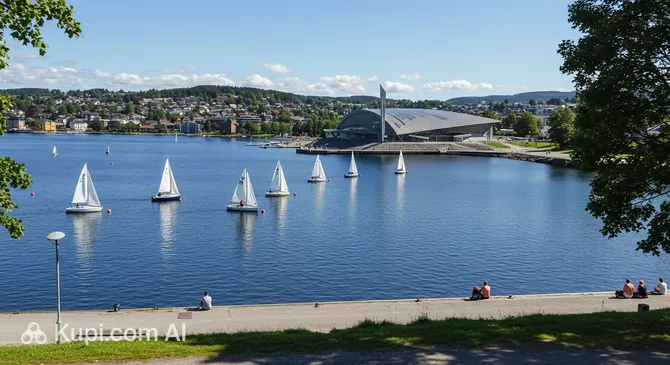
Hamar. Illustration.
Source: Kupi.com AI

Although the city's modern and dynamic appearance took shape relatively recently, Hamar's history dates back to the early Middle Ages when it was an important religious center. Today, it is home to about 28,000 people, creating a comfortable atmosphere free from the hustle and bustle of major metropolises but with a well-developed infrastructure for an excellent holiday.

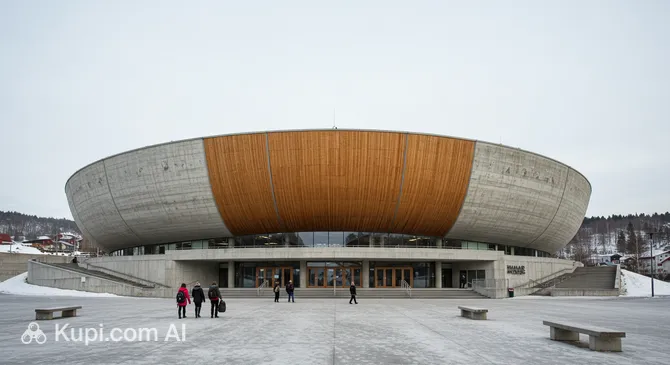
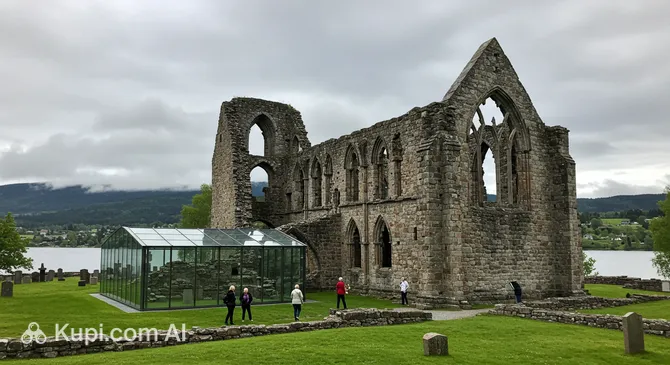
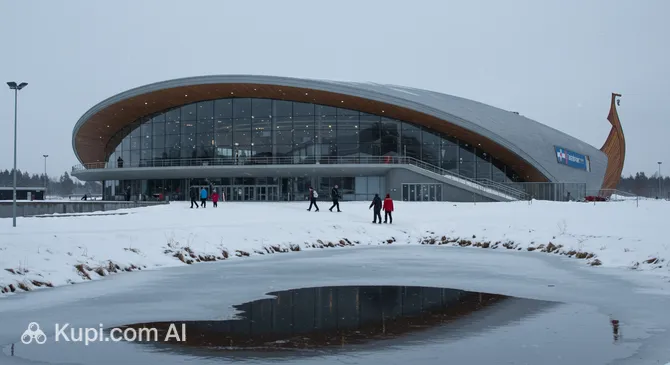
The city's hallmark is Vikingskipet ("The Viking Ship") — the famous ice arena built for the 1994 Winter Olympics. The building, which resembles an inverted Viking ship, is impressive in its architecture and scale. Another gem is the Domkirkeodden museum complex on the headland, where the ruins of an ancient cathedral are encased in a unique protective glass structure, creating an incredible visual effect and special acoustics.

For those seeking romance, a stroll along the promenade or a trip on the Skibladner — the world's oldest paddle steamer still in operation — is a must. Hamar invites guests to enjoy the harmony of the Norwegian province and discover unique attractions on the shores of the legendary lake.
Weather Overview

The climate in this region of Norway is moderate, with noticeable seasonal contrasts typical of the eastern part of the country. Summers in the city are usually mild and comfortable, perfect for long walks along Lake Mjøsa, while winter brings stable freezing temperatures. Since the weather in Hamar can be changeable, travelers are advised to bring layered clothing.

The warmest month is July, with an average temperature of about 15°C and daytime highs reaching 19.5°C. The winter period, especially January, is characterized by frosts: the average temperature is -6.4°C, and at night the air can cool down to -8.7°C. Precipitation occurs quite regularly throughout the year: even in April, one of the "driest" months, there are about 8 days with precipitation, while in August this number can reach 16.

Expect moderately warm summers with occasional rain and cold, snowy winters. This climate creates excellent conditions for a cozy vacation at any time of year, whether it's a summer picnic on the waterfront or winter ice skating.

Average monthly temperature

Average monthly precipitation

Interesting Facts

Hamar hides many fascinating details that might escape the average tourist's eye, beyond its famous Olympic venues and scenic lake views. This city is full of surprises, from bold architectural solutions to unusual cultural traditions.
  • The famous glass dome over the ruins of the medieval cathedral at the Domkirkeodden museum does more than just protect the site. This structure creates such unique acoustics that the place has been nicknamed the "singing ruins," and it now regularly hosts choral and instrumental music concerts.

  • The Vikingskipet Olympic arena, which resembles an upside-down ship, lives a double life. While speed skating reigns here in winter, every Easter the ice gives way to cables and monitors: it hosts "The Gathering"—one of the world's largest computer parties (demoparty), attracting thousands of participants.

  • The city park Koigen is known for a curious story regarding its diving tower. The structure became a subject of heated local debate due to its high cost, becoming something of a local legend, but it eventually became one of the most photographed and beloved vacation spots for residents.

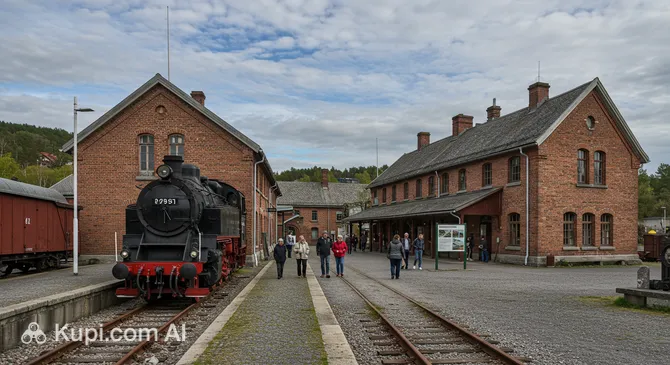
  • The Norwegian Railway Museum in Hamar is not just a building with exhibits, but an entire village. Historic station buildings from different parts of Norway have been relocated to its grounds, and the vintage steam locomotive "Tertitten" still runs through the park.

Domkirkeodden. Illustration.
Source: Kupi.com AI

Traveler photos:

How to Get There

There are several ways to reach this picturesque corner of Norway, allowing you to enjoy Scandinavian nature along the way. You can find all the ways to reach the city on a separate page, and below we will look at the main transport hubs located nearby.

There is no airport in the city of Hamar itself, so travelers usually fly into the capital or neighboring regions. The most convenient option is Oslo Airport Gardermoen (OSL). It is the country's main international airport, located in the city of Oslo, approximately 66.9 km from Hamar. The journey from there by taxi or bus takes about 2 hours. It is the largest aviation hub with a huge passenger flow, receiving flights from all over the world.

An alternative option could be Scandinavian Mountains Airport (SCR), located in Sälen (Sweden), about 104.3 km from Hamar. Travel time by road is approximately 3 hours. You can also consider Torp Sandefjord Airport (TRF) in the Oslo region (184.7 km from the city), which is often used by budget airlines.

For convenience, here is a summary of the main airports:

AirportPassenger trafficDistance
Oslo Airport Gardermoen26.4 mln67 km
Scandinavian Mountains Airport25 000104 km
Torp Sandefjord Airport1.9 mln185 km
Karlstad Airport20 607196 km
Roros Airport21 575199 km

Railway connection is another popular way to travel around Norway. Among the closest major hubs is Oslo Central Station (XZO). It is located in Oslo, approximately 66.2 km from Hamar. From there, you can reach Hamar by taxi or transfer in about 2 hours, or transfer to a direct regional train that runs through scenic valleys.

Below is information about the closest significant railway stations:

StationPassenger trafficDistance
Oslo Central Station54.8 mln66 km
Nationaltheatret Station14.6 mln100 km
Leksand Railway Station215 km
Borlänge Railway Station800 000241 km
Falun Central Station251 km

Main Attractions

Hamar offers guests a rich cultural program and unique architectural monuments set against the picturesque backdrop of Lake Mjøsa. Here, history stands side by side with modernity, and open-air museums transition seamlessly into well-maintained recreational areas. Here is a list of places that should definitely be included in your travel itinerary.

One of the city's most recognizable landmarks is Domkirkeodden. It is not just a museum but an entire historical park on a scenic headland. The main draw here is the ruins of a medieval cathedral, covered by a magnificent protective dome of glass and steel. Tourists come here to see the amazing combination of ancient stonework and modern architecture, as well as to stroll through the ethnographic section of the open-air museum, which features historic buildings from the Hedmark region.

Fans of sports and grand structures will be interested in Vikingskipet ("The Viking Ship"). This Olympic skating rink, built for the 1994 Games, has become a true symbol of the city. The building is designed to resemble the inverted hull of a drakkar from a bird's-eye view. Even if you don't plan on skating, it's worth visiting the arena to appreciate the scale of the structure, which is considered a masterpiece of engineering and one of the largest wooden buildings in the world.

Vikingskipet. Illustration.
Source: Kupi.com AI

Traveler photos:

For family vacations, the Norwegian Railway Museum is ideal. This is the national museum dedicated to the history of the country's railways. The exposition includes exhibition halls with models and historical documents, as well as an extensive park with laid tracks. Visitors can see old locomotives and carriages, feel the atmosphere of past centuries of travel, and learn how transport connected remote corners of Norway.

On a warm day, the center of attraction is Koigen park, located right on the lakeshore. This is a modern recreational area with a sandy beach, walking paths, skateboarding areas, and volleyball courts. Tourists love this spot for the chance to have a picnic with a water view, enjoy the sunset, or simply relax after sightseeing in the laid-back atmosphere of the city's waterfront.

Local Cuisine

The gastronomic culture of Hamar is closely intertwined with the traditions of the Innlandet region, often called "Norway's pantry." Thanks to developed agriculture, local chefs focus on seasonal vegetables, fresh farm products, and the bounty of nature. Simple but hearty food prepared from ingredients grown around the city is highly valued here.

Fish from Lake Mjøsa holds a special place on the menu. The main delicacy is local trout, known as mjøsørret. It is served in various ways: fried, baked, or smoked, often with a side of baby potatoes and a sour cream-based sauce. During the hunting season, restaurants offer game dishes, such as elk steaks or patties, which have a rich flavor and are considered quite common meat here.

Travelers wishing to try something authentic should look for pultost. This is a traditional soft cheese from the Hedmark region made from sour milk with caraway seeds. It has a specific pungent aroma and a grainy texture. Locals usually eat it with flatbreads or hot potatoes generously topped with butter.

Among drinks, aquavit is the king of the table—a strong Scandinavian potato-based spirit infused with spices and herbs. It perfectly complements fatty meat dishes. Those who prefer non-alcoholic options will enjoy the natural apple juices and ciders produced on numerous farms around the lake.

The city has a casual atmosphere, and finding a place for a delicious lunch is easy. In addition to Norwegian classics, international cuisine is also popular. For example, La Perla Pizza offers guests a break from northern exoticism to enjoy high-quality Italian dishes in a cozy setting.

If you want to buy local delicacies to take with you, it's worth visiting large shopping centers like CC Hamar. Its grocery departments and specialty shops often stock cheeses, meat products, and jams from regional producers, which make for excellent tasty souvenirs from your trip.

Travel Tips

Hamar is a welcoming and peaceful city, but as with any trip to Scandinavia, there are nuances that are better to know in advance. To ensure your trip to the shores of Lake Mjøsa is perfect and leaves only pleasant memories, we have prepared a list of useful recommendations.

  1. Clothing and Weather. The main rule in this region is layering. The weather by the lake can change rapidly, so even in summer, it's worth having a windproof jacket or a fleece sweater. In winter, thermal underwear, wool clothes, and non-slip shoes are essential, as roads can be icy. No special dress code is required for visiting museums and restaurants; casual style is appropriate everywhere.
  2. Transport. The city center is quite compact, and the main attractions are within walking distance. For trips to more distant sites, such as the Vikingskipet arena, it is convenient to use local Innlandstrafikk buses. It is cheaper to buy tickets via the mobile app or at machines, as they cost more from the driver. Taxis in Norway are expensive, so public transport or bike rentals are better for your budget.
  3. Finances. Norway is a country that has practically abandoned cash. In Hamar, bank cards are accepted everywhere: from hotels to tiny hot dog stands. The local currency is the Norwegian Krone (NOK), but there is no urgent need to exchange cash. Tips are usually included in the bill, though rounding up the amount or a small token of appreciation (5-10%) for excellent service is welcomed.
  4. Health and Water. Tap water in Hamar, as in the rest of the country, is of excellent quality and very tasty—feel free to drink it from the tap; this will help save on buying bottled water. Pharmacies (look for the Apotek sign) follow standard shop hours and are closed on Sundays, so it's best to bring essential medications with you. The city is very safe, and you can walk around peacefully at any time of day.
  5. Communication. Almost all locals speak English fluently, so there will be no communication problems. Free Wi-Fi is available in most cafes, hotels, and at the CC Hamar shopping center. For mobile internet, you can buy a prepaid SIM card (e.g., Telenor or Telia) at convenience stores like Narvesen or 7-Eleven, but you will need a passport for registration.
  6. Local Etiquette. Norwegians value personal space and quiet. It is customary to say hello when entering transport or a shop, but don't be intrusive with conversation. On the bus, it's not customary to sit next to a stranger if there are free double seats. The simple word Takk (thank you) will bring a smile and win over the locals.
  7. What to Avoid. Don't put off buying alcohol until the evening or the weekend. Strong spirits are only sold in state-owned Vinmonopolet stores, which close early on weekdays and are closed on Sundays. In regular supermarkets, beer is also sold within time limits (usually until 20:00 on weekdays and 18:00 on Saturdays).
  8. Walking Tip. Be sure to rent a bike or set aside time for a walk along the promenade by Lake Mjøsa. The route from the city center to the cathedral ruins on the Domkirkeodden headland is considered one of the most scenic and relaxing, especially at sunset.

By following these simple tips, you can avoid minor everyday inconveniences and fully immerse yourself in the atmosphere of comfort and northern beauty that Hamar offers. We wish you a light and inspiring journey!

Entertainment & Nightlife

Nightlife in Hamar may not rival the bustling pace of Oslo, but the city knows how to pleasantly surprise its guests. As a student hub and regional capital, Hamar offers a cozy and friendly atmosphere for evening relaxation. You won't find pretentious nightclubs with strict face control here; instead, there is an abundance of atmospheric pubs, sports bars, and live music venues where locals and tourists alike spend time over a glass of beer and leisurely conversation.

The epicenter of evening life is in the city center, around Torghjørnet square and the pedestrian street Strandgata. This is where most of the popular bars and restaurants are concentrated, staying open late, especially on Fridays and Saturdays. The crowd is diverse, ranging from local college students to respectable couples winding down after the work week. The dress code in most places is very casual—the casual style is appropriate everywhere, so you can safely leave your evening gowns or tuxedos at the hotel.

A great way to start the evening is with dinner at one of the local restaurants. For instance, La Perla Pizza is known for its relaxed atmosphere and delicious cuisine, making it a perfect spot to "warm up" before heading to the bars. In the summer, many establishments open their terraces, and the city fills with the sound of voices and clinking glasses in the fresh air.

If you're looking for larger-scale entertainment, it's worth checking the schedules of major venues. The Hamar Olympic Amphitheatre, also known as "Nordlyshallen" (The Northern Lights Hall), often hosts concerts by Norwegian and international stars, ice shows, and major sporting events. Attending such an event could be the highlight of your trip.

Hamar Olympic Amphitheatre. Illustration.
Source: Kupi.com AI

Traveler photos:

Speaking of daytime entertainment that flows smoothly into the evening, shopping and cinema cannot be overlooked. The CC Hamar shopping center is not just a place for shopping but also a popular meeting spot where you can grab a bite and simply enjoy your time. The city also has a cultural center with a cinema and theater, offering a diverse program for art lovers.

When planning a night out, keep safety and prices in mind. Hamar is an exceptionally safe city, and you can walk around at night without worry; however, be prepared for Norwegian price levels for alcohol. The average cost of a glass of beer or wine in a bar can be higher than in other European countries. Night buses run on schedule during weekends, but the most reliable way to get to your hotel late at night is a taxi, which is best ordered via an app or by phone.

Parks & Museums

Hamar is rightfully proud of its green spaces and rich museum heritage, which are harmoniously integrated into the landscape of the Lake Mjøsa shoreline. For tourists, this means the opportunity to transition seamlessly from leisurely walks in picturesque parks to a fascinating immersion in the region's history, all without leaving the city limits.

The main draw for outdoor enthusiasts is Koigen park. This modern recreational complex is located right at the water's edge and offers entertainment for every taste: from a skate park and volleyball courts to cozy barbecue areas. In summer, the city beach is open, and an artificial islet has become a favorite spot for photos. The park flows into a long promenade, perfect for morning jogs or evening strolls with a view of the lake's expanse.

Another important natural area is the Ankerskogen forest park. Although it is better known for its aquatic complex, the surrounding forest with its extensive network of trails serves as an excellent place for those seeking peace and solitude away from the central streets. Here, you can breathe in the scent of pine needles and enjoy the tranquility of Norwegian nature.

Norwegian Railway Museum. Illustration.
Source: Kupi.com AI

Traveler photos:

Among cultural institutions, the Domkirkeodden museum complex is the undisputed leader. This unique space combines medieval history and ethnography. The main exhibit—the ruins of the old cathedral under a glass dome—makes a powerful impression with its monumentality. Additionally, the grounds host an open-air museum with over 60 historical buildings relocated from various parts of the Hedmark region, allowing visitors to see the lifestyle of Norwegian peasants from past centuries.

Equally interesting is the Norwegian Railway Museum. It is particularly attractive because it is a park in itself. Old station buildings, locomotives, and carriages are set among trees and lawns, creating an atmosphere of living history. Visitors can not only inspect the machinery but also take a ride on a mini-train, making this museum an ideal place for a family visit.

For those who want to dive deeper into the cultural context, we recommend checking out the Kirsten Flagstad Museum. It is located in the house where the famous opera singer was born, and while smaller in scale, its cozy atmosphere and costume collection deserve the attention of music lovers.

Getting Around

Hamar's transport system is characterized by reliability, punctuality, and comfort, which is typical for the entire Innlandet region. Since the city is quite compact, many attractions in the center are easily explored on foot; however, for trips to outlying areas or Olympic venues, you will find public transport useful.

The main way to get around the city is by buses operated by Innlandstrafikk. The route network covers not only Hamar itself but also connects it with neighboring settlements. Buses run regularly from early morning until late evening, though intervals may increase on weekends. The buses are equipped with everything needed for a comfortable journey, including space for strollers and information displays.

The city has no metro or trams, but railway transport plays a vital role. Hamar Railway Station is located right in the center, near the waterfront. Regional trains are an excellent way to quickly reach neighboring cities, such as Lillehammer, or head to the capital. Vy company trains run frequently and are famous for their convenience.

The fare payment system is highly digitized. The most cost-effective and convenient way to buy tickets is through the Innlandstrafikk Billett mobile app or the national Entur app. You can purchase single tickets, 24-hour passes, or weekly passes there. The electronic ticket is activated at the time of purchase or at a specified time and simply needs to be shown to the driver or inspector on your smartphone screen.

It's important for tourists to know one detail: buying a ticket directly from the driver with cash or a bank card will be significantly more expensive due to an additional fee. Therefore, it is strongly recommended to install the app in advance and link your card to it. Discounts are available for children and seniors.

As an alternative to public transport, you can use a taxi. It's better to order a car by phone or through specialized apps, as hailing them on the street is not common practice. Be aware that taxi fares here are quite high. During the warmer months, cycling is very popular. Hamar has a well-developed network of bike paths, and the terrain is relatively flat, making cycling a pleasant way to see the sights.

A unique "transport" feature of Hamar is the Skibladner—the world's oldest paddle steamer in regular operation. During the summer season, it cruises on Lake Mjøsa, connecting Hamar with other lakeside towns like Gjøvik and Lillehammer. This is not just an attraction, but a legitimate form of water transport that allows you to combine your trip with gastronomic pleasure and sightseeing.

Accommodation

Hamar offers travelers a decent selection of accommodation that, while not as diverse as in the capital, fully meets the high standards of Scandinavian hospitality. The city is dominated by cozy mid-range hotels, ideal for both business trips and family vacations. Budget hostels and traditional regional campsites can also be found here.

Most tourists aim to stay in the city center. This is the most practical option: the railway station, the waterfront, and key shops are all within walking distance. Staying here allows for quick access to popular spots like the CC Hamar shopping center and the chance to enjoy dinners at local restaurants without spending time on long commutes.

If the purpose of your visit is to attend sporting events or concerts, you might want to look at hotels near the famous Vikingskipet arena. This location is particularly popular among fans and event participants. For those traveling by car and seeking a connection with nature, guesthouses and campsites on the shores of Lake Mjøsa, offering magnificent water views, are an excellent choice.

Accommodation prices range from medium to high, which is expected for a country like Norway. The most budget-friendly options are spots at campsites or simple rooms without frills. Experienced travelers recommend booking accommodation in advance, especially during major events like "The Gathering" festival or speed skating championships, when vacancies fill up very quickly.

Nearby Cities

For those looking to explore the surrounding area, Hamar serves as an excellent starting point for day trips to several interesting nearby locations. Just an hour's drive away is the famous Lillehammer—the host of the 1994 Winter Olympics, where you can visit the impressive Maihaugen open-air ethnographic museum. History buffs should head to Eidsvoll, the site of the signing of the Norwegian constitution, while neighboring Ringsaker will charm you with its pastoral landscapes and a cultural center dedicated to writer Alf Prøysen.

CityPopulationDistance
Stange21 15611 km
Brumunddal11 01912 km
Gjovik20 58920 km
Ringsaker35 07322 km
Moelv3 30025 km

These nearby destinations provide a glimpse into the diverse culture and landscapes of the region.

Shopping & Souvenirs

Shopping in Hamar is a calm and pleasant activity, free from the bustle of big cities. While the city doesn't claim to be a fashion capital, it has everything you need for a comfortable stay and for buying memorable items. The range varies from well-known Scandinavian clothing and interior brands to cozy niche shops with locally produced goods reflecting the spirit of the Innlandet region.

The heart of the city's commercial life is the pedestrian zone in the center. The streets around Torghjørnet square and the main artery, Strandgata, offer tourists a pleasant walk past the windows of small boutiques, bookstores, and home goods shops. Here you can find unique items not sold in large chain markets and simultaneously enjoy the old town's architecture at a relaxed pace.

For those who prefer large-scale shopping under one roof, CC Hamar is the ideal spot. This is the largest shopping center in the region, bringing together dozens of clothing, electronics, and sports goods stores, as well as cafes and a grocery hypermarket. Another important retail point is the nearby CC Mart'n shopping center, which also offers a wide selection of goods for daily life and leisure.

CC Hamar. Illustration.
Source: Kupi.com AI

Traveler photos:

The market culture in the city comes alive on certain days at the main square, Stortorget. Farmers' fairs are often held here, where local producers offer fresh vegetables, berries, honey, and homemade pastries. During the pre-Christmas period, the square is transformed, filled with festive kiosks selling handmade souvenirs and traditional treats, creating a unique cozy atmosphere.

As souvenirs from Hamar, it's worth bringing back Norwegian wool products, such as warm sweaters with traditional patterns that will keep you warm in any cold. A great gastronomic gift would be the famous brown cheese, brunost, or a local specialty—pultost cheese with caraway seeds. Troll figurines, Scandinavian interior design items, and high-quality outdoor gear are also popular.

Shops in the center are usually open from 10:00 to 17:00 or 18:00 on weekdays, and close earlier on Saturdays, around 15:00 or 16:00. Large shopping centers stay open longer, often until 20:00 or 21:00 on weekdays. It is important to remember that most shops, including grocery supermarkets, are closed on Sundays. Payment is almost always made by credit card; cash is used very rarely.

Tourists living outside Scandinavia can take advantage of the Tax Free system. If the purchase amount in one store exceeds the set minimum threshold (usually around 315 NOK for standard goods), you can get a check for a tax refund. Look for the "Global Blue" logo in windows or check with staff at the checkout to get part of your money back when leaving the country.

Reached the end of the page?

That means the route is fully explored