Support

Lillehammer

About

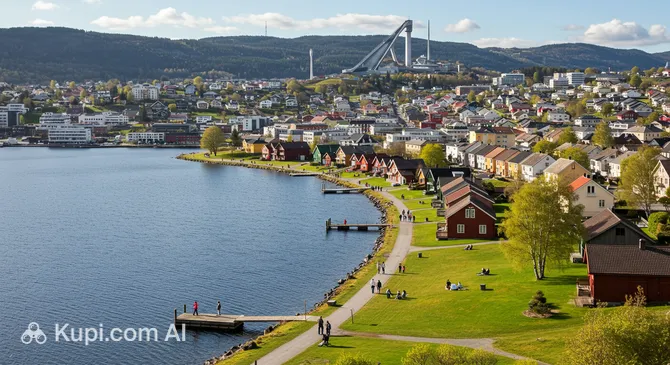
Lillehammer is a cozy and picturesque town located in the eastern part of the country. It sits on the shores of Mjøsa, the largest lake in Norway. Surrounded by dense forests and rolling hills, the town seems to be the embodiment of a northern idyll, where clean air is combined with stunning panoramic views. Despite a relatively small population of about 28,500 people, the infrastructure here is excellent, making for a comfortable stay for any traveler.

Lillehammer. Illustration.
Source: Kupi.com AI

This location gained worldwide fame for the XVII Winter Olympic Games held here in 1994. Since then, Lillehammer has maintained its status as a true mecca for winter sports fans. However, the town is interesting for more than just its ski slopes. Here, you can visit unique open-air museums, stroll through colorful streets, and immerse yourself in a cozy atmosphere. The rich history of Lillehammer is harmoniously interwoven with modernity, offering guests a diverse cultural program at any time of year.

This destination is ideal for those seeking a balance between active recreation and peaceful contemplation of nature. Whether it's winter adventures at Olympic venues or summer walks along scenic trails, Lillehammer will give you the feeling of a true northern fairy tale and leave you with the warmest memories of your trip.

Weather Overview

The climate in this region can be described as moderate continental, which creates excellent conditions for winter sports and pleasant summer walks. Winters here are real, snowy, and frosty: in January and December, the average temperature stays around -8°C, and at night the mercury often drops below -10°C.

Summer in the city is mild and fresh, without exhausting heat. The warmest month is July with an average temperature of 13.3°C, while maximum values reach a comfortable 17-18°C. However, travelers should remember that the weather in Lillehammer can be changeable, and the number of rainy days in the summer period (about 17 days per month) is slightly higher than in spring.

Overall, the climatic picture here is quite predictable for northern latitudes. Expect a cool summer with occasional rain and cold, dry winters that turn the city into a fairytale setting.

Average monthly temperature

Average monthly precipitation

Interesting Facts

Lillehammer is not just a sports capital, but a town with a rich cultural heritage and amazing traditions. Beyond its main attractions, it holds many fascinating stories that make it a truly unique place on the map of Norway.

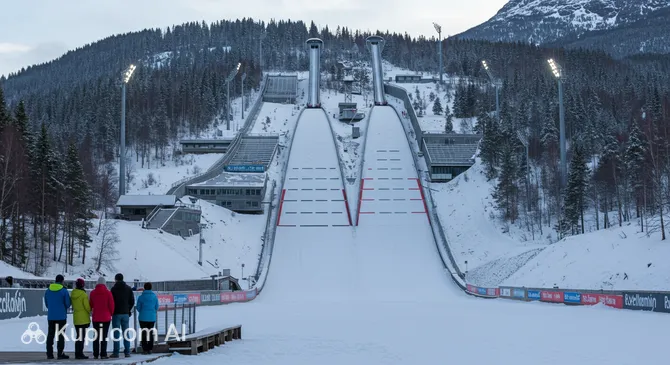
  • Olympic Record of the North. Lillehammer went down in world history as the northernmost city to ever host the Winter Olympic Games. Decades later, the sporting spirit here has not faded: the famous Lysgårdsbakkene (Ski Jump Tower) and other 1994 venues are still actively used today, attracting tourists with their panoramic views.

  • A Journey Through Time. Here lies a unique ethnographic open-air museum — Maihaugen. It is an entire historical quarter of old wooden houses and estates, where craft fairs are regularly held, allowing guests to immerse themselves in the lives of Norwegians from past centuries.

  • City of Nobel Laureates. Lillehammer is closely linked to high literature. Two famous Nobel Prize winners lived and worked here: Bjørnstjerne Bjørnson and Sigrid Undset. Their heritage is carefully preserved, and their museum-homes are open to anyone who wants to touch the history of Norwegian culture.

  • Skiing as a Philosophy. A local saying goes: "Skiing is not a sport, it's a way of life." And it is the absolute truth: locals start skiing in early childhood, and in winter, the town's surroundings become an arena for numerous ski festivals and marathons.

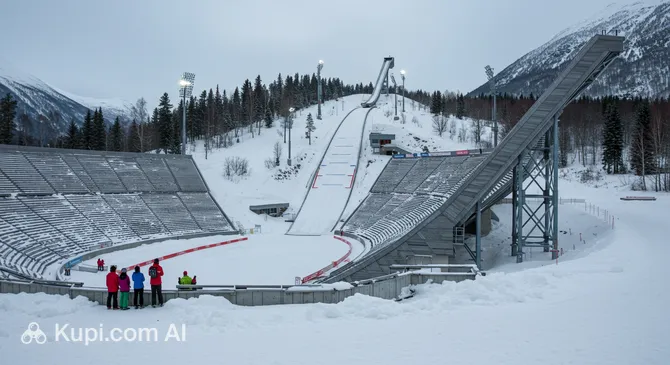
Lysgårdsbakkene Ski Jumping Arena. Illustration.
Source: Kupi.com AI

Traveler photos:

How to Get There

When planning a trip to this region, it is useful to study all ways to get to the city in advance to choose the optimal route. Lillehammer boasts excellent transport accessibility, despite the fact that major international hubs are located in neighboring cities.

Lillehammer itself does not have its own airport, so the main air gateway for tourists is Oslo Airport Gardermoen (OSL). It is located in the capital, Oslo, about 108 km from the resort. It is the country's largest international airport, receiving flights from all over the world. The journey from here by taxi or bus takes approximately 3 hours.

An alternative option is Sandefjord Airport Torp (TRF), which is also in the Oslo region but much further away — about 215 km from Lillehammer. This airport is often used by low-cost carriers. Keep in mind that a car transfer from here will be long and take about 5.5 hours.

For convenience, here is summary information on the main airports:

AirportPassenger trafficDistance
Oslo Airport Gardermoen26.4 mln108 km
Scandinavian Mountains Airport25 000128 km
Roros Airport21 575169 km
Sogndal Airport91 145180 km
Torp Sandefjord Airport1.9 mln215 km

Rail service is another popular way to reach the region. Although trains arrive directly in Lillehammer, many routes start from major hub stations. The main starting point is Oslo Central Station (XZO), located in Oslo, 107 km from the town. It is a major transport hub with huge passenger traffic, with regular trains heading towards the Olympic capital.

If you are traveling from the north of the country, an important transit point is Trondheim S Station (XZT) in the city of Trondheim. It is located at a considerable distance, about 261 km, but plays an important role in Norway's railway network.

Below is information on the nearest major railway stations:

StationPassenger trafficDistance
Oslo Central Station54.8 mln107 km
Nationaltheatret Station14.6 mln135 km
Leksand Railway Station250 km
Trondheim S Station1.5 mln261 km
Borlänge Railway Station800 000279 km

Main Attractions

Lillehammer is a town where the history of winter sports intertwines with rich cultural traditions. Despite its compact size, it offers guests a full program: from walking through ethnographic parks to getting an adrenaline rush at Olympic venues. Here is a list of places you should definitely include in your itinerary.

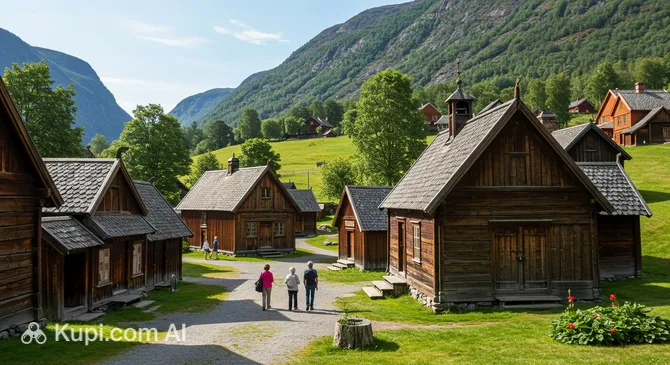
One of the most impressive attractions is Maihaugen. It is one of Northern Europe's largest open-air museums, featuring around 200 historical buildings. Walking through here is like traveling back in time: from medieval peasant buildings to early 20th-century townhouses. The Garmo Stave Church, built in the 13th century, deserves special attention. It is an ideal place for family walks, where you can learn about the life and traditions of Norwegians from past centuries.

Maihaugen. Illustration.
Source: Kupi.com AI

Traveler photos:

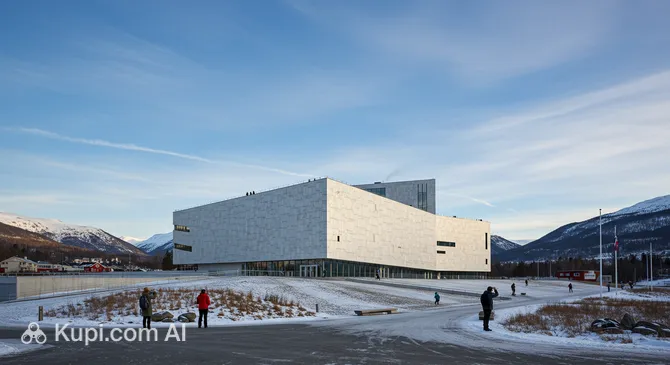
It is impossible to imagine this town without its Olympic heritage. To immerse yourself in the atmosphere of the 1994 Games, visit the Norwegian Olympic Museum. This is a modern interactive complex that tells the story not only of the Lillehammer competitions but also of the history of the Olympic Games in general, dating back to antiquity. The exhibits are breathtaking with multimedia installations and allow you to relive the most brilliant moments of sporting triumphs.

A symbol of the town, towering over the surrounding area, is the Lysgårdsbakkene (Ski Jump Tower). Even if you don't plan on jumping, it's worth coming up here for the fantastic panoramic view of Lillehammer and Lake Mjøsa. You can reach the top on foot by climbing 936 steps or comfortably by chairlift. This place is especially beautiful in the evening when the town below lights up with thousands of lights.

For lovers of active recreation, the Birkebeineren Ski Stadium is a real find. Located in a picturesque forest area, it offers kilometers of perfectly groomed cross-country ski trails in winter and excellent hiking or cycling routes in summer. Here, you can feel the true spirit of the Norwegian love for nature and sports.

Local Cuisine

Lillehammer's gastronomic scene is a reflection of the soul of the Innlandet region, where traditions are closely intertwined with the gifts of nature. The city can safely be called a paradise for foodies looking to discover authentic Norwegian cuisine. The local menu is centered around products sourced from the surrounding forests and waters: fresh fish caught in Lake Mjøsa, as well as wild game like moose and reindeer, are held in high regard here.

Among the dishes you should definitely try is rakfisk — fermented trout with a specific but memorable flavor. It is traditionally served with boiled potatoes, onions, sour cream, and soft flatbreads. Another hallmark of the region is the famous brown cheese, brunost. It has a sweet caramel-like taste and pairs perfectly with both bread and waffles. For those who prefer heartier fare, reindeer steaks or thick meat stews with vegetables will be a delight.

The drink culture here is equally interesting. Norwegians are big coffee fans, and in Lillehammer, this beverage is enjoyed at any time of day, often accompanied by fresh pastries. The main dessert to pair with coffee is thick, heart-shaped waffles, generously topped with jam made from northern berries (cloudberries, blueberries, or lingonberries) or served with sour cream. Regarding alcoholic drinks, look out for local aquavit — a strong spirit infused with herbs and spices that perfectly complements fatty meat dishes.

Dining in the city is diverse, ranging from cozy family restaurants to street kiosks. The street food here is simple but high-quality — hot dogs are especially popular. If you want to not only eat but also buy local delicacies to take home, such as jams or cheeses, it’s worth visiting the Strandtorget shopping center. The city also regularly hosts gastronomic festivals where farmers present their best products: from organic cheeses to smoked meats and traditional sweets.

Travel Tips

Preparing for your trip to Lillehammer will help you avoid minor inconveniences and fully enjoy the atmosphere of this cozy Olympic city. Here are some proven tips to make your journey to the Innlandet region comfortable and worry-free.

  1. Clothing and Seasonality. The weather here can be changeable, so the main principle for clothing is layering. Even in summer, evenings can be cool, so a windbreaker and a fleece jacket are essential. In winter, thermal underwear (preferably wool) and high-quality waterproof footwear are vital. Since the city is located on hills, the streets can be slippery in winter: we strongly recommend buying or bringing removable ice spikes for your shoes ("brodder").

  2. Transport Accessibility. Lillehammer city center is very compact and best explored on foot. For trips to distant attractions (like the ski jump), it is convenient to use local buses operated by Innlandstrafikk (tickets are cheaper if bought through their app). Taxis in Norway are very expensive, so for longer trips around the region, it is more economical to rent a car.

  3. Finances and Payment. The local currency is the Norwegian Krone (NOK), but Norway is practically a cashless country. Bank cards are accepted everywhere: from museums to tiny hot dog stands. You likely won't need cash at all. Tipping is not mandatory, but if you really liked the service, you can round up the bill.

  4. Health and Safety. Lillehammer is one of the safest cities in the world, and you can walk peacefully at any time of day. Look for pharmacies under the sign Apotek, but note that they are usually closed on Sundays. You can and should drink water straight from the tap — it is pure and delicious.

  5. Communication. Almost all locals, from schoolchildren to retirees, speak English fluently. Learning a couple of words in Norwegian, like "Takk" (thank you), will bring a smile to locals' faces. Free Wi-Fi is available in most hotels, cafes, and on trains. For navigation, download the Entur app, which combines all types of transport.

  6. Local Etiquette. Norwegians value personal space. In public transport, it is not common to sit next to a stranger if there are free double seats available. A firm handshake is standard when meeting. Behave reservedly in shops and on the street—loud conversations in public places are not encouraged here.

  7. What to Avoid. Never walk on groomed ski tracks — this is considered a serious breach of etiquette and ruins the track for athletes. Also, do not expect to buy strong alcohol or wine in a regular supermarket — they are only sold in specialized state-owned stores called Vinmonopolet, which close early (around 18:00 on weekdays and 15:00-16:00 on Saturdays).

  8. Useful Lifehack. Many shops and cafes in the city close quite early, especially on Sundays, when only small duty supermarkets (often under the "Joker" or "Bunnpris" brands) are open. Plan your grocery and souvenir shopping in advance so you don't end up in front of closed doors.

By following these simple recommendations, you will be able to feel at home in Lillehammer. The locals are very helpful and always ready to assist a tourist who respects their culture and nature, so don't hesitate to ask for help if you need it.

Entertainment & Nightlife

Despite Lillehammer being a small and cozy town, its evening life is vibrant, especially during the winter season and on weekends. The epicenter of all entertainment is the famous pedestrian street Storgata and its adjacent alleys. This is where most establishments are concentrated, where locals, students, and tourists gather to relax after an active day on the slopes or visiting museums.

In winter, the town enjoys a unique "after-ski" atmosphere. Bars fill with people in ski sweaters, live music plays, and the fun often starts in the afternoon and flows smoothly into the night. In summer, the format changes to a more relaxed one: outdoor terraces open, where you can enjoy the white nights with a glass of a local beverage. The crowd in the establishments is very diverse but always friendly. The dress code in most places is casual — "casual" style or neat everyday clothes will be appropriate everywhere, except perhaps for a couple of private nightclubs where you might want to dress up a bit more.

If you want to start your evening with an exotic note and a delicious dinner, it's worth checking out the Spicy Bite Indian Restaurant and Bar. This establishment is popular not only for its cuisine but also for its pleasant bar area, where you can spend time in a calm setting before heading to the dance floor.

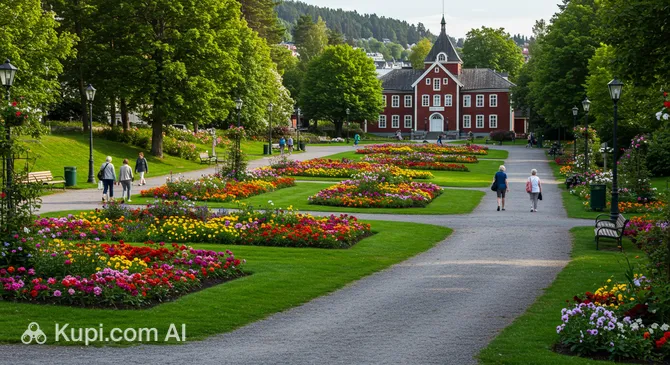
For those who prefer cultural leisure and evening strolls, Søndre Park becomes a center of attraction. This green oasis in the very heart of the town serves as the main venue for summer concerts, festivals, and community events. In the evening, the park is beautifully illuminated, creating a romantic atmosphere for a promenade.

Søndre Park. Illustration.
Source: Kupi.com AI

Traveler photos:

Practical tips for revelers:

  • Opening hours: Most bars are open until 01:00 or 02:00. Nightclubs may stay open until 03:00, but there is often an entry fee after midnight.
  • Prices: Be prepared for Norwegian price levels. A glass of beer or wine in a bar will cost an average of 90–120 NOK.
  • Safety: Lillehammer is an exceptionally safe town. You can safely walk through the center at night. However, to reach remote hotels, it is better to order a taxi via an app or take a car from the stand at the station.

In addition to nightlife, the town offers classic daytime entertainment. There are cinemas and a cultural center where theatrical productions and musical performances take place regularly. This is a great option for those who want to spend their evening in a more calm and sophisticated way.

Parks & Museums

Lillehammer is a city where nature and culture exist in perfect harmony. For travelers, it offers a unique opportunity to combine walks through picturesque green zones with an immersion into the region's rich history and art. City parks blend seamlessly into forest tracts, and museums offer more than just exhibits—they provide a true interactive adventure.

The heart of the central green zone is Søndre Park. This city garden, established at the end of the 19th century, is a favorite relaxation spot for locals. Here you can take a leisurely stroll along winding paths, admire ponds with ducks, and rest in the shade of century-old trees. The park is especially beautiful in autumn when the foliage turns golden, creating the perfect backdrop for photos.

For those who prefer wilder nature, the walking area along the Mesna River (Mesnaelva) will be a real discovery. The trail starts almost in the city center and leads upstream past picturesque waterfalls and rocky banks. If you are looking for open space and opportunities for outdoor activities, head to the Birkebeineren Ski Stadium. In summer, its trails turn into excellent routes for hiking and cycling through dense coniferous forests.

The city's cultural life centers around several iconic sites. The absolute standout is Maihaugen — an open-air museum that is rightfully considered one of the best in Europe. It fascinates tourists with its scale: entire villages have been recreated here with authentic wooden buildings from different eras, from medieval farms to townhouses from the 1900s. This place literally allows you to touch the everyday life of Norwegians from the past.

Norwegian Olympic Museum. Illustration.
Source: Kupi.com AI

Traveler photos:

A visit to the Norwegian Olympic Museum will be equally engaging. This modern space brings sports history to life through multimedia technologies. The exhibition is not limited to the 1994 Winter Games; it covers the entire history of the Olympic movement, focusing on the spirit of competition and human achievement. This place will be interesting even to those who are far from professional sports.

Art lovers should pay attention to the Lillehammer Art Museum (Lillehammer Kunstmuseum). The building itself is an architectural masterpiece designed by the famous Snøhetta firm. Inside, you'll find an impressive collection of Norwegian painting from Romanticism to the present day. Another important cultural site is Bjerkebæk — the home-museum of Nobel laureate Sigrid Undset, where the writer created her famous historical novels.

If you want to see something unusual, we recommend visiting the Norwegian Vehicle Museum (Norsk Kjøretøyhistorisk Museum). It is located slightly off the beaten path but houses a unique collection of vintage cars, motorcycles, and even bicycles, telling the story of transportation in this mountainous country. It’s an excellent option for a family visit on a rainy day.

Getting Around

Lillehammer's transport system is compact and efficient, perfectly matching the measured pace of life in this cozy city. Since distances here are small, many attractions in the center are easy to reach on foot. There is no metro, tram, or trolleybus in the city; the primary and almost only form of public transport is buses. They connect the center with residential areas, ski slopes, and neighboring settlements.

The bus network is managed by the regional operator Innlandstrafikk. Buses run according to a schedule, which is strictly followed. Most routes depart from the main transport hub — Lillehammer Skysstasjon, which combines the bus station and the railway station. This is very convenient for tourists: arriving in the city by train, you can immediately transfer to the necessary bus. The vehicles are modern, equipped with air conditioning and spaces for strollers.

The fare payment system is flexible but oriented toward cashless payments and digital technologies. The most cost-effective and easiest way to buy a ticket is to use the mobile app "Innlandstrafikk Billett" or the national planning app "Entur". In the app, you can purchase single tickets, as well as 24-hour or weekly passes. Electronic tickets must be activated before boarding and remain valid for a certain period (usually 90 minutes for one zone), allowing for transfers.

For those who prefer not to use apps, there is a refillable plastic card called Innlandskortet, but it is more suitable for long-term stays. An important detail for tourists: you can also buy a ticket from the driver upon boarding, paying by bank card or cash, but in this case, an additional commission (on-board service surcharge) is charged, making the price significantly higher than in the app. You generally don't need to validate electronic tickets unless you encounter a ticket inspector, but travel cards should be tapped against the reader at the entrance.

As an alternative to public transport, taxi services are popular, such as the local company Lillehammer Taxisentral. Cars can be found at stands (especially at the station) or ordered by phone. It is worth noting that taxi services here are quite expensive even for short trips. Global car-sharing apps may not be available, but car rentals are accessible at standard rental agencies.

In the warmer months, cycling becomes a great way to get around. The city infrastructure is cyclist-friendly, and the terrain, while hilly, allows for enjoyable rides. In winter, many locals use kicksleds (spark) for transportation, which is a unique local "feature."

Speaking of unique features, we must mention the historic transport — the paddle steamer Skibladner. Although today it functions more as a tourist attraction, during the summer season, "The White Swan of Mjøsa" (as locals call it) operates regular trips across the lake, connecting Lillehammer with other coastal towns. It is the world's oldest paddle steamer in regular operation, and a journey on it is not just a transfer, but an immersion into 19th-century history.
Accommodation

The choice of accommodation in Lillehammer is diverse and perfectly matches the atmosphere of a cozy world-class resort. The town avoids building featureless skyscrapers, focusing instead on traditional architecture and comfort. Travelers can stay in anything from budget campsites and youth hostels to historic wooden hotels or modern hotels with spa complexes. The main feature of local accommodation is the unwavering Norwegian hospitality and high quality standards.

When searching for accommodation, it is important to consider the town's geography. If you are traveling without a car and want to be in the center of things, choose hotels in the Sentrum (Center) area. Life here buzzes around the Storgata pedestrian street and the railway station. This is an ideal starting point for shopping, dining out, and taking the bus to museums.

For those coming for skiing and nature, the best options are the areas located further up the slope, closer to the forest and Olympic venues. Renting a traditional cabin (hytter) or an apartment in this zone will allow you to enjoy the silence and hit the ski tracks right from your doorstep. Locations near sports arenas are particularly popular among active tourists.

Birkebeineren Ski Stadium. Illustration.
Source: Kupi.com AI

Traveler photos:

Booking tip: Lillehammer is a highly sought-after destination. High season lasts all winter (especially during Christmas holidays and Easter) and in July. During major sporting events like the Birkebeinerrennet marathon, finding a free room is almost impossible. We strongly recommend booking accommodation 2–3 months before your trip.

Price range: Be prepared for the cost of living here, as in all of Norway, to be higher than the European average. Approximate prices per night:

  • Budget segment: A bed in a hostel or a cabin in a campsite — from 800–1000 NOK.
  • Middle class: A standard double room in a hotel — 1500–2500 NOK.
  • Premium and unique accommodation: Historic hotels or large cottages — from 3000 NOK and up.

Booking is most convenient through major international aggregators, but many cottage complexes also have their own websites where you can sometimes find special offers.

Nearby Cities

For those looking to explore the surroundings, Lillehammer serves as an excellent starting point for day trips to several interesting nearby locations:

Just a few dozen kilometers away is the city of Hamar. It is the largest settlement on the shores of Lake Mjøsa, attracting tourists with its architecture and history. Here you can see the famous Olympic arena "Vikingskipet" (The Viking Ship) and visit the unique Domkirkeodden museum complex, where the ruins of a medieval cathedral are encased in an impressive glass dome.

Nature and cultural tradition lovers should head to Elverum. This city is often called the forest capital of the region. The main attraction here is the Norwegian Forest Museum — one of the most visited museums in the country, dedicated to hunting, fishing, and forestry — as well as the Glomdal open-air ethnographic museum.

Very close by is Ringsaker, which is ideal for a peaceful holiday. This place is known for its pastoral landscapes and for being the home of the famous Norwegian writer and musician Alf Prøysen, whose heritage is carefully preserved in the local cultural center.

CityPopulationDistance
Moelv3 30024 km
Ringsaker35 07327 km
Brumunddal11 01936 km
Gjovik20 58938 km
Raufoss6 70044 km

These nearby destinations offer a glimpse into the diverse culture and landscapes of the region.

Shopping & Souvenirs

Shopping in Lillehammer is not a race for high fashion, but rather a cozy and relaxed pastime imbued with the atmosphere of Norwegian hospitality. The city may not boast a huge number of world-brand boutiques, but it more than makes up for it with the quality and uniqueness of the products on offer. The spirit of Scandinavian design and a love for nature and sports prevail here, so purchases are often related to an active lifestyle and home comfort.

The heart of the city's commercial life is the famous pedestrian street Storgata. A walk along it is an aesthetic pleasure in itself: shops are located in old wooden houses that have preserved their historical appearance. Here you will find many small niche shops offering clothing, interior decor, books, and sports equipment. It is the perfect place for a leisurely stroll where shopping can be combined with a cup of coffee at one of the street bakeries.

If you are interested in a larger and more modern shopping format, you should head to the Strandtorget shopping center. It is conveniently located on the shores of Lake Mjøsa, near the city center. Under one roof, it gathers more than 60 stores, including well-known Scandinavian and European chain brands for clothing, electronics, and home goods. This is the main attraction for those who want to update their wardrobe or stock up on groceries at a large supermarket.

The local markets and fairs add a special charm to shopping. The highlight of the year is the Christmas Market, traditionally held at the Maihaugen open-air museum. During the first weekend of Advent, dozens of artisans gather here to offer unique handmade items, from wooden toys to knitted goods, while the air fills with the aroma of gingerbread and hot gløgg. In the summer, farmers' markets with fresh local products are occasionally organized in the central square.

When choosing what to bring back from your trip, look for traditional Norwegian souvenirs. A hallmark of the region is high-quality wool sweaters with classic patterns that will keep you warm even in the harshest frosts. Troll figurines, pewter and glass products, and functional Scandinavian design items, such as the famous cheese slicers (ostehøvel), are also popular. For edible gifts, tourists most often buy brunost brown cheese and Freia brand chocolate.

When planning your shopping trip, it's important to consider opening hours. In Norway, they may seem unusually short. Most shops in the center are open from 10:00 to 17:00 on weekdays, though shopping centers often stay open until 20:00. On Thursdays, many establishments extend their hours. Saturday is a short day (usually until 15:00 or 16:00), and Sunday is a public holiday for everyone except small souvenir shops and convenience grocery stores. Payment is almost everywhere made by bank card; cash might only be needed at small fairs.

Tourists residing outside of Scandinavia can take advantage of the Tax Free system. If you make a purchase over 315 NOK in one store (the threshold is lower for food), look for the "Global Blue" or "Tax Free" logo in the window or at the checkout. Ask for a special receipt, and you can get a partial VAT refund when leaving the country at the airport or border.

Reached the end of the page?

That means the route is fully explored