Support

Al

About

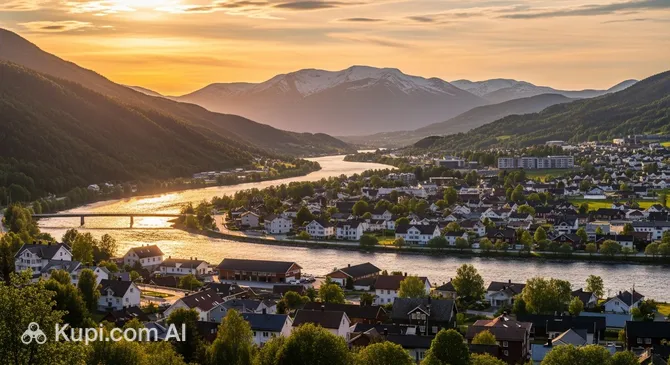
Ål is a picturesque village nestled in the heart of the Hallingdal valley, attracting travelers with its tranquility and authentic Nordic atmosphere. This cozy corner is perfect for those seeking harmony with nature and a break from the hustle and bustle of big cities, while enjoying majestic mountain landscapes.

Al. Illustration.
Source: Kupi.com AI

Geographically, the town is located in the Buskerud region, roughly halfway between the country's two largest cities — Oslo and Bergen. This location makes it a convenient stop for tourists exploring the riches of Norway. The climate here is temperate, with snowy winters that turn the region into a popular destination for skiers, and comfortable, mild summers ideal for hiking.

The region's cultural heritage plays a vital role in the life of the local community. The rich history of Ål is closely intertwined with folk music traditions and the unique style of decorative painting known as "rosemaling." The town is often called the cultural capital of Hallingdal, as it regularly hosts folk music and dance festivals that draw guests from all over the country.

Among the key attractions is the open-air museum Ål Bygdamuseum. This ethnographic complex consists of historic wooden buildings that offer a glimpse into the lives of Norwegian farmers in past centuries. For outdoor enthusiasts, the Ål Skisenter ski resort and an extensive network of cycling and hiking trails leading to peaks with breathtaking panoramic views will be a real discovery.

Ål is a wonderful place to recharge, where you can combine active sports with immersion in local traditions. Be sure to include this town in your itinerary to experience the true spirit of the Norwegian countryside.

Weather Overview

Climate conditions in this region are determined by its location in a mountain valley. A moderately cold atmosphere prevails here: expect fairly cool summers and frosty winters with a stable snow cover. The coldest month is traditionally January, when the average temperature is around -8.6°C, and nighttime frosts can reach -11.2°C.

The summer season here is mild and fresh, which is ideal for tourists who do not tolerate heat well. In July, the warmest month of the year, the air warms up to an average of +11.5°C, with maximum values rarely exceeding +16°C. When planning a trip, it should be noted that the weather in Ål can be changeable, and precipitation falls fairly regularly — between 10 and 18 days per month can be rainy or snowy, depending on the season.

Spring and autumn arrive gradually here but remain cool. For example, in May, the average temperature stays around +4.4°C, and in October, it drops to +1.4°C. Travelers are advised to always have warm layered clothing and a waterproof jacket with them, regardless of the chosen time for the visit.

Average monthly temperature

Average monthly precipitation

Interesting Facts

To make your trip even more exciting, take note of a few curious facts about this place that reveal its character and significance for the entire country.

  • Folklore Capital. Ål is considered the unofficial center of folk music in the region. Every year in May, it hosts the Folkemusikkveka festival, gathering the best performers of traditional melodies and dances from across Scandinavia.
  • Scenic Mainline. The town is one of the key stations on the Bergen Railway (Bergensbanen). This route, connecting Oslo and Bergen, is regularly recognized as one of the most beautiful train journeys in the world.
  • A Lost Masterpiece. In the 19th century, an ancient wooden stave church was dismantled here. Although the building itself disappeared, its unique 13th-century painted ceiling was preserved and is now exhibited in the Museum of Cultural History in Oslo as a priceless monument of medieval art.
  • Cultural Phenomenon. Despite its small population, the town operates Ål Kulturhus — a modern cultural center whose facilities and event quality rival those of venues in the capital. It houses concert halls, a cinema, and galleries.
  • Painting Traditions. The local version of decorative "rosemaling" (Hallingdal rosemaling) is distinguished by its special symmetry and color palette. This style originated in the valley in the 18th century and is still carefully preserved by local artisans today.

How to Get There

Route planning is an important part of any trip, especially when traveling to mountain regions. You can find out more about how to get to Ål by exploring various transport options, from flights to a scenic train ride.

Ål itself does not have its own airport, so most tourists arrive in the country through major air hubs in neighboring cities and then continue their journey by land. One of the most convenient options is Oslo Airport Gardermoen (OSL), located in the capital. It is approximately 148 km from Ål. This is the country's main international hub, receiving flights from all over the world. The journey from here by car or bus will take about 2.5–3 hours.

Another popular option is flying into Bergen Airport (BGO) on the west coast. It is located in the city of Bergen, about 187 km from Ål. The journey from here takes a bit longer, about 3–3.5 hours, but the road passes through incredibly beautiful fjords and mountain passes.

For clarity, here is summary information on the main airports:

AirportPassenger trafficDistance
Sogndal Airport91 14597 km
Oslo Airport Gardermoen26.4 mln148 km
Bringeland Airport83 000174 km
Torp Sandefjord Airport1.9 mln187 km
Sandane Airport41 000188 km

Rail travel is perhaps the most romantic way to reach the region. Although the list of nearest major hubs includes the capital and coastal stations, it's worth remembering that Ål is located directly on the famous Bergen Railway.

You can start your journey by arriving at Oslo Central Station in Oslo. It is located about 146 km from Ål. Comfortable trains depart from here, taking you directly into the mountains. If you are coming from the west, your starting point will be Bergen Railway Station in Bergen (about 187 km from Ål). The train ride is not only convenient but is considered a tourist attraction in its own right due to the views from the window.

Below is information about the key railway stations from which it is convenient to start your journey towards Ål:

StationPassenger trafficDistance
Nationaltheatret Station14.6 mln145 km
Oslo Central Station54.8 mln147 km
Bergen Railway Station2.2 mln188 km
Kristiansand Railway Station279 km

Main Attractions

Despite its modest size, Ål and its surroundings offer travelers a diverse program. Ancient history, modern art, and opportunities for outdoor activities blend harmoniously here. Here is a list of the main places to visit to get a full impression of this corner of Norway.

Torpo Stave Church (Torpo stavkyrkje). This is perhaps the most significant historical attraction in the municipality, located just a few minutes' drive from the center of Ål. Built in the 12th century, it is the only preserved stave church in the Hallingdal valley. Tourists come here to see this masterpiece of medieval wooden architecture and its unique ceiling paintings depicting scenes from the life of Saint Margaret. The atmosphere inside the church transports visitors back 800 years.

Hallingdal Feriepark (Hallingdal Holiday Park). This is one of the most popular locations for family vacations in the entire country. The complex is not just a place to sleep, but a huge entertainment center. The main magnet for guests is the "Høyt & Lavt" climbing park with trails of varying difficulty levels set among the trees, as well as a petting zoo. It is an ideal place for those looking for quality service and active outdoor entertainment.

Rolf Nesch Museum. Ål is proud of its connection to world art, and this museum is a vivid testament to that. It is dedicated to the work of the prominent German-Norwegian expressionist artist Rolf Nesch, who lived and worked in these parts. The exhibition introduces visitors to his unique metal print technique and sculptures. For culture lovers, it is a rare opportunity to see a rich collection of the master's work in the context of the landscapes that inspired him.

Bergsjø Area (Bergsjøområdet). If your goal is to enjoy northern nature in its pristine form, head to this picturesque mountain range. The area is famous for its wide range of hiking and cycling opportunities in the summer, as well as excellent fishing in mountain lakes. In winter, this place turns into a paradise for skiers. Bergsjø attracts tourists with its breathtaking panoramic views and a sense of complete tranquility far from civilization.

Local Cuisine

The gastronomic scene in Ål is a reflection of the harsh but generous nature of the Hallingdal valley. Local cuisine is based on the "farm-to-table" principle: here they value organic products sourced from the mountains, caught in pristine rivers, or raised on local pastures. A trip to Norway would be incomplete without experiencing the culinary traditions of this region, which have been carefully preserved for centuries.

The main gastronomic symbol of the area is Småmat. This is a thick, hearty soup traditionally prepared for weddings and large celebrations, but now it can be tasted at any time of year. It consists of several types of meat, potatoes, peas, and carrots. This dish is usually served with another local delicacy — lefsekling. These are thin flatbreads made from potato dough, spread with butter and sugar, which in Ål are considered some of the best in the country.

Meat lovers should look out for game. The menus of local restaurants often feature dishes made from moose (elg) or reindeer (reinsdyr), prepared with juniper berries and lingonberry sauce. The region is also famous for its cheeses. Be sure to try Geitost — a brown goat cheese with a sweetish caramel flavor that pairs perfectly with waffles or crispbreads.

As for drinks, a culture of cozy gatherings prevails. Norwegians are great coffee lovers, and in Ål, it is brewed strong and aromatic. Among alcoholic drinks, aquavit (akevitt) stands out — a strong Scandinavian spirit infused with herbs and spices, often served with fatty meat dishes to aid digestion. Craft brewing is also gaining popularity in the region: local ales brewed with mountain herbs deserve special attention.

The dining culture in the town is characterized by informality and a lack of pretension. Locals and tourists prefer to dine in cozy wooden cafes or roadside inns (kro) where a homely atmosphere prevails. In summer, outdoor picnics with local products bought at farmers' markets are popular, and in winter, there is nothing better than warming up with hot cocoa and fresh pastries in a cafe after a ski trip.

Travel Tips

Preparing for a trip to Ål is the key to a comfortable holiday, as the mountain climate and local features can present surprises for the unprepared tourist. We have collected the most important practical recommendations for you to help avoid awkward situations, save time, and get the most enjoyment out of your stay in the Hallingdal valley.

  1. Clothing and Essentials. Weather in the mountains changes rapidly, so the main principle of your wardrobe should be layering. Even in summer, be sure to bring a waterproof windbreaker, a fleece jacket, and comfortable trekking boots for walks on the hills. In winter, high-quality thermal underwear and wool socks are an absolute necessity. A plug adapter is usually not required if your devices have a standard European plug (type C or F).
  2. Transport. The town center is compact and easy to explore on foot. However, to reach remote natural attractions or ski trails, it is better to rent a car — this will give you complete freedom of movement. Public transport consists of buses, but in rural areas, they can run with long intervals. Taxis are available, but trips are expensive, so plan for this expense in advance.
  3. Finances. The official currency is the Norwegian Krone (NOK), but Norway has almost completely switched to cashless payments. Bank cards are accepted everywhere: from hotels to tiny kiosks and parking meters. You might not need cash at all, but if you wish, you can withdraw it from ATMs (Minibank) near supermarkets. Tipping is not mandatory, but rounding up the bill in a cafe will be received with gratitude.
  4. Health and Safety. Ål is a very peaceful place with virtually zero crime. The main risks here are related to nature: do not leave marked trails in the mountains without a map and appropriate equipment, as the weather can worsen sharply. Pharmacies (Apotek) operate on standard shop schedules and are closed on Sundays; there are no 24-hour pharmacies, so it is better to bring a supply of necessary personal medications with you.
  5. Communication. Most locals, including the older generation, speak excellent English, so there will be no problems with communication. Learning a couple of words, like "Takk" (thank you) or "Hei" (hello), will show respect for the local culture. Free Wi-Fi is available in almost all cafes and hotels. For constant connectivity, it is convenient to buy a prepaid SIM card (MyCall, Telia, or Telenor) at grocery stores or Narvesen kiosks.
  6. Local Etiquette. Norwegians value personal space and silence, so it is not customary to speak loudly or gesture emotionally in public places. However, in nature, an unspoken rule of friendliness applies: when meeting other tourists on mountain trails, it is customary to say hello with a brief nod or a smile. Be sure to remove your shoes when entering a private home.
  7. What to Avoid. Never try to haggle in shops or markets — it is not customary here and may be perceived as rude. It is also strictly forbidden to litter in nature, even if it is just organic waste. Remember that spirits are only sold in specialized state-run Vinmonopolet stores and strictly until a certain time (usually until 18:00 on weekdays and until 15:00-16:00 on Saturday).
  8. Sunday Quiet. Keep in mind that on Sundays most grocery stores and shopping centers in Ål are closed. Only small shops at gas stations or tiny duty markets remain open. Plan your grocery shopping in advance, especially if you are renting a cottage and intend to cook for yourself.

We hope these tips help you plan the perfect trip to Ål. By following these simple rules, you can easily blend into the rhythm of local life and focus on the main thing — enjoying the pure mountain air and the incredible beauty of Norwegian nature!

Entertainment & Nightlife

Entertainment and nightlife in Ål have a unique character, very different from bustling metropolises. Here you won't find the neon signs of massive night clubs or districts pulsing until dawn. Evening leisure in this region is built around the concept of "koselig" — Norwegian coziness. This is a time for relaxed socializing after an active day in the mountains, live music, and enjoying local drinks in a warm, intimate setting.

The epicenter of evening activity is the administrative center — the Sundre district. Most of the establishments where you can spend time after sunset are concentrated here. Life here quiets down quite early by European standards: restaurant kitchens often close by 21:00–22:00, although bars may stay open until midnight or slightly later on weekends. The crowd here is a mix of locals, vacationing skiers, and tourists, creating a friendly and safe atmosphere.

The main cultural and entertainment hub of the evening is undoubtedly Ål Kulturhus. It is the heart of the town's social life, housing a cinema, concert halls, and galleries under one roof. In the evenings, it often hosts film screenings, theatrical productions, and concerts — ranging from classical music to modern jazz and folk. It is the perfect place for those who want an intellectual evening and to get acquainted with modern Norwegian culture.

For a more informal experience, look into the gastronomic venues. One popular spot is Bergtatt Bistro, located within the holiday park. In the evening, it has a lively atmosphere, often with music, and the menu offers a great selection of food and drinks. Another point of attraction is the bar at the Thon Hotel Hallingdal. Traditionally, bars in large hotels in Norway serve as the main town pubs where everyone gathers: here you can play shuffleboard, have a glass of local ale, and dance if there’s a themed party.

When planning your evening, keep a few practical points in mind. The dress code in Ål's venues is very relaxed: casual style or even tidy sportswear (after skiing or hiking) is perfectly acceptable. Alcohol prices in bars are high, as throughout Norway, so the average check can be significant. As for safety, Ål is one of the quietest places in the country, and night walks carry no risks. However, be mindful of transport: it’s impossible to hail a taxi on the street at night; a car should be booked in advance by phone or through the hotel reception.

Regarding the daytime program preceding your evening rest, Ål offers a wide choice of activities. In winter, it is certainly downhill skiing and snowboarding on the slopes of local resorts, and in summer — walks along scenic routes or visits to museums, such as the open-air ethnographic museum, where you can immerse yourself in the region's history before the evening sets in.

Parks & Museums

Ål wonderfully combines the majesty of Scandinavian nature with a careful approach to landscape design. Here, well-kept green zones transition smoothly into wild mountain slopes, creating a unique space for relaxation. Walking through local parks and trails allows you to fully experience the harsh but alluring beauty of Norway without straying far from civilization.

For those who prefer a leisurely stroll without difficult trekking, the Elvepromenaden (River Promenade) is the perfect spot. This is a scenic pedestrian trail laid out along the banks of the Hallingdalselva river right in the center of the settlement. The route is accessible year-round and offers relaxing views of the rushing water and surrounding hills. It is a popular meeting place for locals, where nature harmoniously coexists with urban infrastructure, and interesting sculptural installations can be found along the way.

If you are looking for a completely unusual experience of connection with nature and spirituality, be sure to visit the Sangefjell Nature Cathedral (Sangefjell Naturkatedral). This is an amazing place in the mountains that has no walls or roof in the traditional sense — the altar and benches are made of stone and wood, literally inscribed into the landscape. Concerts and services are often held here under the open sky, but even in silence, this space impresses with its special energy and panoramic views of the mountain plateau.

In addition to these unique locations, Ål has other areas for peaceful outdoor relaxation. The areas around Ål Bygdamuseum and the Hallingdal Feriepark, mentioned earlier in the context of history and entertainment, are also open for walks. Their green zones, equipped with picnic spots and cozy paths, are an excellent choice for families wishing to spend time in quiet, enjoying the pure air of the Hallingdal valley.

Getting Around

The public transport system in Ål differs significantly from the standard infrastructure of big cities. Since it is a small settlement in a mountainous area, there is no metro, trams, or trolleybuses. The main transport burden falls on the railway service and regional buses, whose schedules are often tied to train arrivals and school hours.

The main transport hub is Ål Station (Ål stasjon), located in the town center. It is served by trains from the national company Vy, running along the famous Bergen Line. This is the most reliable way to reach neighboring towns in the Hallingdal valley or head toward the capital. The trains are comfortable, equipped with Wi-Fi and power outlets, and the view from the window turns an ordinary trip into a tour.

Buses from the company Brakar (yellow or white) operate within the municipality. The route network connects the center with the ski resort, residential areas, and neighboring villages; however, services can be infrequent, especially on weekends and holidays. It is important for tourists to remember that bus service here is more social in nature, so intervals between runs can be several hours.

Payment for travel in Ål, as in all of Scandinavia, is highly digitalized. The most convenient way to plan routes and buy tickets is by using the national app Entur or the regional Brakar Billett app for buses. Tickets can also be purchased at machines at the railway station or on the Vy website. Bus drivers accept bank cards, but buying a ticket on board is usually more expensive than via the app. Using cash is not recommended as it may not be accepted.

If you plan active travel around the area outside the public transport schedule, it is worth considering alternatives. There is a taxi service (Ål Taxi) in town, but it is better to book cars in advance by phone, as it is practically impossible to "catch" one on the street, and the cost of the trip is quite high. For complete freedom of movement on mountain roads and to remote attractions, renting a car is the ideal option.

In the summer season, the bicycle becomes a popular alternative. Mountain or electric bikes can be rented at the tourist office or at rental points, for example, at the station. This is not only an eco-friendly mode of transport but also a great way to explore the region's scenic routes without being tied to a bus schedule.

Accommodation

The choice of accommodation in Ål, as in many small Norwegian towns, is oriented toward coziness, functionality, and proximity to nature rather than pompous luxury. Tourists are offered a balanced range of options: from classic full-service hotels to traditional wooden cabins (hytter) and high-end campsites. The main emphasis is on the "koselig" atmosphere — Norwegian home warmth, which is especially appreciated after a day spent in the mountains.

In terms of location, two main zones for accommodation can be identified. The first is the administrative center, Sundre. Staying here is most convenient for those traveling by train, as the railway station, shops, and cafes are within walking distance. The second popular zone is the mountain areas, such as Bergsjø. This is the choice for those who have come for skiing or hiking and want to wake up with a panoramic view of the peaks, though a car is advisable for staying here.

Among the classic hotels, Thon Hotel Hallingdal holds a central place. It is not just a place to sleep but a real social hub for the town, where events and meetings are often held. The hotel offers standard European comfort, high-quality breakfasts, and a convenient location in the heart of the action. It is an excellent choice for those who value service and don't want to spend time on domestic issues.

For families with children and fans of more independent holidays, Hallingdal Feriepark is an ideal option. This is one of Norway's best campsites, offering accommodation in modern designer cabins on the riverbank. Here you can feel a connection with nature without sacrificing comfort: the site has everything you need, from restaurants to playgrounds. Private cottage rentals are also popular in the area, allowing for full immersion in local life.

The price range for accommodation in Ål varies from medium to high, which is typical for Scandinavia. There are few budget hostels in the traditional sense; their role is often filled by simple cabins at campsites. Booking accommodation well in advance is highly recommended, especially if your trip falls during peak seasons: Easter holidays (the main skiing time for Norwegians) or July. For searching and payment, it is most convenient to use major international online platforms or book directly through the accommodation's website.

Nearby Cities

For those looking to explore the surrounding area, Ål serves as an excellent starting point for day trips to several interesting nearby locations. While the town itself offers a peaceful retreat, neighboring regions are rich in history and unique attractions.

Lillehammer is perhaps the most famous destination for a short trip from Ål. The city, which hosted the 1994 Winter Olympics, has preserved its sporting spirit and excellent infrastructure. Here you can visit the famous Maihaugen open-air ethnographic museum or stroll along the picturesque pedestrian street Storgata with its historic wooden houses.

Kongsberg offers a completely different experience, immersing guests in the country's industrial history. This city is famous for its Royal Silver Mines, where you can take a tour on a special train. It is also home to the Norwegian Mining Museum and a magnificent Baroque church, considered one of the most beautiful in Norway.

Gjøvik, located on the shores of the majestic Lake Mjøsa, attracts visitors with its bright architecture and relaxed atmosphere. The highlight of a trip here could be a cruise on the "Skibladner" — the world's oldest paddle steamer still in operation. It is an excellent choice for a summer day by the water.

CityPopulationDistance
Heum10 44918 km
Gol2 70026 km
Nesbyen3 00030 km
Ustaoset32 km
Haugastol40 km

These nearby destinations provide an insight into the diverse culture and landscapes of the region, making your stay in Ål even more fulfilling.

Shopping & Souvenirs

General Overview: Shopping in Ål is a calm and leisurely process, free from the rush of major metropolises. You won't find endless rows of high-fashion boutiques here; however, the town offers an excellent selection of shops providing everything needed by both locals and tourists. The range of goods focuses on practicality and quality: sports equipment for outdoor mountain activities, home goods, and local handicrafts are widely represented. It is an ideal place to purchase authentic Norwegian goods in a cozy atmosphere.

Main Shopping Areas/Streets: All the commercial life of the town is concentrated in its administrative center — the Sundre district. This is a compact area that is easy to explore on foot in a short time. It is here, along the central streets, that cozy clothing shops, interior boutiques, bookstores, and sports shops are located. A stroll through Sundre allows you to combine shopping with visits to cafes and a look at the local architecture, making shopping a pleasant part of your leisure time.

Shopping Centers: The main point of attraction for shoppers is the Ålingen Kjøpesenter shopping mall. This is a modern complex located in the heart of Sundre. Under one roof, you will find supermarkets, a pharmacy, clothing stores of popular Scandinavian brands, children's goods, and a cozy coffee shop. The state-run Vinmonopolet store is also located here — the only place where you can buy spirits and wine, which is important information for tourists planning a celebratory dinner.

Markets: Ål does not have a permanent large market, but the market culture comes alive during festivals and holidays. Seasonal fairs held in the central square in Sundre are particularly famous. In summer and early autumn, you can find farmers selling fresh berries, vegetables, and homemade preserves. In the run-up to Christmas, cozy bazaars are organized selling knitwear and traditional treats.

Souvenirs: From a trip to Ål, it's worth bringing back items that reflect the spirit of the Hallingdal valley. First of all, pay attention to products with traditional "rosemaling" — painted wooden plates, boxes, or kitchen utensils. A real Norwegian wool sweater with a classic pattern, which will keep you warm in any frost, also makes an excellent gift. Gastronomic souvenirs are no less popular: buy some local brown cheese (brunost) or cured meat (spekemat) from local producers.

Opening Hours and Payment: Most shops in the center are open from 10:00 to 17:00 or 18:00 on weekdays. On Friday, the working day may be extended, and on Saturday shortened to 15:00 or 16:00. It is important to remember that on Sundays almost all shops, including shopping centers, are closed (except for small grocery sections at gas stations). Norway is a country of triumphant cashless payments: Visa and Mastercard are accepted everywhere, even for the smallest purchases. You might not need cash at all.

Tax Free: Tourists residing outside Scandinavia are entitled to a VAT (Moms) refund on purchases made in stores participating in the Tax Free system (usually Global Blue or Planet). Look for the corresponding logo on the storefront or at the checkout. The minimum purchase amount to issue a check is usually around 315 NOK for general goods and slightly less for food items. Don't forget to ask for a special tax-free form when paying and present it along with your passport and unopened purchases when leaving the country.
Reached the end of the page?

That means the route is fully explored