Support

Fagernes

About

Fagernes is a cozy and welcoming town nestled on the shores of the picturesque Lake Strandefjorden in the heart of the Valdres valley. Here, at the intersection of majestic mountains, crystal-clear lakes, and endless forests, reigns an atmosphere of peace and harmony that attracts travelers seeking a connection with nature.
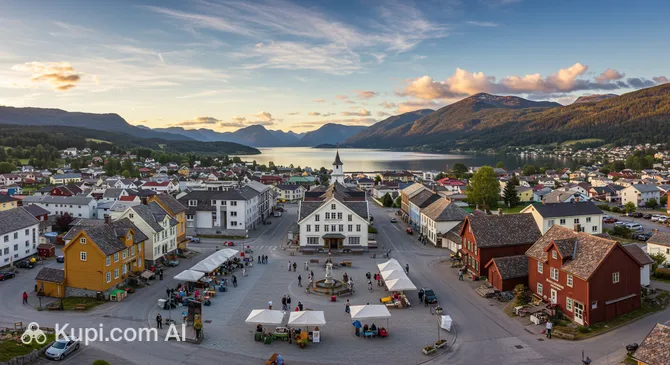
Fagernes. Illustration.
Source: Kupi.com AI

Geographically, the town is located in the eastern part of the country, approximately 180 kilometers northwest of Oslo. For many tourists, this is where Norway truly reveals itself with its authentic landscapes and steady pace of life. The population of Fagernes is about 13,400 people, and despite its compact size, the town boasts excellent transport accessibility, including its own airport, making it a convenient hub for traveling around the region.

Fagernes is often called the "gateway" to Valdres and an ideal starting point for trips to Jotunheimen National Park. The history of Fagernes is closely intertwined with the traditional culture of the region: here you can see old farms and immerse yourself in local life, where Norwegian simplicity meets a light creative touch.

The town offers many opportunities for both active and relaxed recreation. In summer, guests can stroll along the beautiful embankment, go fishing, or explore hiking and cycling trails. In winter, Fagernes becomes a center of attraction for cross-country skiing and snowmobiling enthusiasts. Come here to breathe the purest mountain air and enjoy views of the fjords away from the city bustle.

Weather Overview

The climate in this region is characterized by pronounced seasonality, typical of the mountain valleys of Eastern Norway. Winter here is real and long: from December to February, the average temperature stays in the range of -7.5°C to -9.1°C, and at night, frosts often intensify to -11.7°C. This time of year requires serious preparation and warm clothing, especially if you plan on long walks.

The summer season brings pleasant freshness rather than exhausting heat, which is ideal for hiking. In July, the warmest month, the air warms up to an average of 12.4°C, reaching a maximum of 16.7°C. Expect a cool summer with occasional rain and cold winters, while precipitation is possible at any time of year: the number of rainy or snowy days varies from 9 in April to 17 in August.

Since mountain climates can be unpredictable, detailed weather in Fagernes will help you more accurately plan your travel dates and pack a suitable wardrobe.

Average monthly temperature

Average monthly precipitation

Interesting Facts

In addition to its main attractions, Fagernes holds many fascinating secrets and cultural traditions that make it a unique place to visit. Here are a few facts to help you better understand the spirit of this town:

  • A Museum Record-Holder. The town is home to the Valdres Folkemuseum, one of the largest folk culture museums in Norway. More than 100 historical buildings brought from different parts of the region are collected on its grounds, creating the atmosphere of a real village from centuries past.

  • The Heart of the Region. The town is often called the "heart of Valdres," not only because of its geography but also due to its status as the starting point for Jotunheimen National Park. It is from here that many tourists begin their journey to Scandinavia's highest mountains.

  • A Historical Highway. Fagernes has long been a key transport hub between the east and west of the country. The famous Valdres Road passes through it, which for centuries was used for large-scale cattle drives and trade, connecting the coast with the inland regions.

  • Living Traditions. This is one of the few places where folk culture is not just history but a part of modern life. Fagernes carefully preserves the art of playing the Hardanger fiddle and the tradition of the "Halling" acrobatic dance, which requires extraordinary physical fitness from the performers.

How to Get There

You can reach this picturesque corner of Norway in various ways, combining air and land transport. Since the town is located deep within the country, the route usually involves a bus transfer or a car rental. You can find out more about how to get to Fagernes by exploring all available options, and below we look at the main transport hubs.

The town of Fagernes itself does not have an active international airport, so travelers most often use large air hubs in neighboring regions. The most popular option is Oslo Airport Gardermoen (OSL), located in the city of Oslo. This is the largest international airport in the country, situated about 135 km from Fagernes. The journey from there by taxi or bus takes about 3 hours and 45 minutes. You can also consider Sogndal Airport (SOG) in the city of Sogndal, which is slightly closer at 115 km (about 3 hours and 15 minutes away), however, it handles fewer flights.

For convenience, here is summary information on the main airports:

AirportPassenger trafficDistance
Sogndal Airport91 145115 km
Oslo Airport Gardermoen26.4 mln135 km
Sandane Airport41 000191 km
Bringeland Airport83 000192 km
Scandinavian Mountains Airport25 000196 km

Regarding rail connections, there is no railway station in the town of Fagernes itself. The nearest and most convenient option is Oslo Central Station in Norway's capital. It is located about 134 km from Fagernes. From the station, tourists usually transfer to the Valdreskspressen express bus, which goes directly to the town. The estimated travel time by car from the station is about 3 hours and 40 minutes.

Below is information about the nearest major railway hubs:

StationPassenger trafficDistance
Oslo Central Station54.8 mln134 km
Nationaltheatret Station14.6 mln146 km
Bergen Railway Station2.2 mln233 km
Trondheim S Station1.5 mln288 km

Main Attractions

Despite its compact size, Fagernes offers tourists a rich cultural program and magnificent opportunities for outdoor recreation. The town harmoniously combines the historical heritage of the Valdres region with the beauty of Norwegian landscapes. Here are a few places that should definitely be included in your travel itinerary.

The undisputed jewel of the town is the Valdres Folk Museum (Valdres Folkemuseum). It is one of the largest open-air museums in Norway, located on a scenic peninsula. It features about a hundred historical buildings brought from various parts of the region, allowing you to literally touch the past. Tourists come here to see old farmhouses, learn about the traditions of making national costumes, and enjoy folk music performances.

Lovers of peaceful walks and beautiful scenery will enjoy Fagernes Park and the Strandefjorden Lake embankment. The lake is the central element of the town's landscape. In summer, there is a beach where you can take a dip in the refreshing water or rent a boat for fishing. The spacious park is perfect for picnics, and the embankment offers mesmerizing views of the water and surrounding mountains, especially during sunset.

For those who prefer active recreation, a great choice is the route along the old Valdresbanen railway. Although trains no longer run here, the former railway embankment has been converted into a convenient gravel path for cyclists and pedestrians. This is a safe and scenic route passing through forests and along lakes, allowing you to explore the surroundings of Fagernes without difficult terrain or car traffic.

If you want to see the town from a bird's-eye view, take a short hike up Mount Kviteberg. This is a popular hiking route that starts near the town center. The ascent is not considered too difficult but requires comfortable shoes. The reward for your effort will be a stunning panorama of Fagernes, the valley, and the lake, which is rightfully considered one of the best photo spots in the region.

Local Cuisine

The culinary scene in Fagernes is a direct reflection of the pure nature of the Valdres region, where the emphasis is on local and eco-friendly products. The main gastronomic hallmark of the town is rightfully considered to be fish caught in the local cold lakes and rivers. Be sure to order dishes made from fresh trout or salmon: here they are often grilled with aromatic herbs and served with creamy mashed potatoes and traditional lingonberry sauce, which perfectly complements the fish's flavor.

Meat delicacies also hold an important place on local menus. Thanks to high-altitude pastures, local lamb is of high quality, and smoked reindeer sausages make excellent gastronomic souvenirs. Don't miss the chance to try the famous Norwegian goat cheese "brunost." This unique product with a caramel-like flavor is a symbol of national cuisine; it can often be found at farmers' markets along with fresh bread, honey, and forest berries.

The leisure culture in Fagernes is unthinkable without a traditional pause for coffee and dessert. In street cafes and on open terraces, where tourists and residents enjoy mountain views, famous Norwegian waffles are served. They are typically eaten warm, generously topped with sour cream and berry jam. Coffee drinking here has been turned into a real ritual, conducive to slow conversations and relaxation.

A special time for foodies comes in the summer, when the town hosts an annual gastronomic festival. This event brings together local farmers and chefs who organize tastings and masterclasses, treating guests to dishes made from seasonal products. Visiting such a festival is a great opportunity not only to eat well but also to dive deep into the culture of Norwegian hospitality.

Travel Tips

Welcome to cozy Fagernes! To ensure your trip to the heart of the Valdres valley is as comfortable as possible and without unnecessary organizational hassle, we have prepared a list of important practical recommendations to help you feel confident in any situation.

  1. Clothing and Gear. The weather in this mountain region is changeable, so the principle of layering is your best friend. Even in summer, be sure to bring a waterproof windbreaker and a fleece jacket, as evenings by the lake can be cool. If you plan on hiking, comfortable trekking shoes with a non-slip sole are essential. In winter, you will need high-quality thermal underwear, a down jacket, and accessories (hat, gloves), as the frosts here can be severe.

  2. Transport. Fagernes is a compact town, and it's most pleasant to move around the center on foot. There is no public transport like a metro or trams here. Bus service connects the town with Oslo and neighboring settlements, but trips can be infrequent. For full exploration of the surroundings and national parks, car rental is highly recommended—this will give you freedom of movement and access to the most picturesque viewpoints.

  3. Finances. The official currency is the Norwegian Krone (NOK). Norway is a cashless country: bank cards are accepted almost everywhere, from supermarkets to small kiosks. Cash may only be needed in rare cases, such as at small fairs. Be prepared for fairly high prices and remember that tips are often already included in the bill, but rounding up the amount is welcomed as a sign of gratitude.

  4. Health and Safety. Fagernes is a very quiet and safe place where you can walk without worry at any time. Pharmacies (look for the Apotek sign) operate on a standard schedule; there are no 24-hour pharmacies in town, so it's better to bring essential medications with you. The main safety rule concerns nature: when heading into the mountains, always check the weather forecast and inform someone of your route.

  5. Communication. Most locals speak English perfectly, so you won't have any problems communicating. However, a couple of phrases in Norwegian, such as "Takk" (thank you) or "Hei" (hello), will always bring a smile. Free Wi-Fi is available in many cafes, hotels, and the tourist center. For constant connectivity, it is convenient to buy a prepaid SIM card from local operators (Telenor, Telia) at convenience stores like Narvesen or 7-Eleven.

  6. Local Etiquette. Norwegians value personal space and quiet. A firm handshake is customary when meeting. In public places, it is not common to talk loudly or express emotions intensely. If you are boarding a bus or standing in line at a store, keep your distance and never try to push ahead—respect for the queue is sacred here.

  7. What to Avoid. Never haggle in shops or at markets—prices are fixed here, and attempting to lower the cost will be perceived as rude. Also, strictly avoid leaving trash in nature: ecology in the region is treated with great reverence, and even a small wrapper thrown past the bin will cause strong disapproval from locals.

  8. Useful Tip. Take into account the operating hours of stores: most supermarkets are closed on Sundays. If you need to buy groceries on the weekend, look for small shops at gas stations (Bensinstasjon) or small kiosks, but the selection will be limited and prices higher. Plan your alcohol purchase (except for light beer) in advance: it is only sold in specialized Vinmonopolet stores, which close early and do not work on Sundays.

We hope these tips help you plan the perfect trip. Enjoy the peaceful silence, fresh mountain air, and incredible landscapes of Fagernes without any extra worries!

Entertainment & Nightlife

Nightlife in Fagernes is fundamentally different from that of bustling metropolises. Here you won't find neon signs for massive nightclubs or parties until dawn. Evening leisure in this town is imbued with the concept of "koselig"—a purely Norwegian term meaning coziness, warmth, and a pleasant time in good company. Entertainment here is intimate, quiet, and concentrated mainly in the town center and at major hotels.

The hotel bars often become the center of attraction in the evenings. The most popular place for an evening cocktail or a glass of local beer is the bar at the Scandic Valdres hotel. On weekends, live music is often played here, and both tourists and locals gather to dance or simply chat. The atmosphere is democratic and relaxed: there is no strict dress code, and you will feel perfectly appropriate even in jeans and a sweater. It's a great place to discuss your impressions after a day spent in the mountains.

If you are looking for a place where you can not only have a drink but also grab a late-night bite, it's worth checking out local pubs or pizzerias, such as Peppes Pizza. In Norway, such establishments often function as informal clubs where young people and families stay late. The interiors are usually decorated in warm tones with plenty of wood, creating a feeling of home comfort.

The cultural life of the town is centered around the Fagernes Kulturhus (Cultural Center). This is a modern multifunctional space that hosts concerts, theatrical productions, and film screenings. The cinema here is equipped with modern technology, and films are often shown in their original language with Norwegian subtitles, which is convenient for foreign tourists. It's worth checking the schedule in advance—sometimes famous Norwegian artists perform here.

A few practical tips for those planning an evening out:

  • Prices: Be prepared for the fact that alcohol in Norway is expensive. A glass of beer or wine in a bar can cost 100–120 NOK or more.
  • Opening Hours: Most establishments close earlier than is common in Southern Europe. Restaurant kitchens may stop serving as early as 9:00 PM–10:00 PM, although bars stay open until midnight or slightly later on weekends.
  • Safety: Fagernes is an exceptionally safe town. You can safely walk the streets at night while returning to your hotel on foot. Lighting on the central streets is good, and the crime rate is near zero.
  • Transport: Since the town is compact, taxis are rarely needed, but if you live on the outskirts, it is better to call a car through the hotel reception or by phone, as "hailing" them on the street is not common.

As for daytime entertainment, in addition to active outdoor recreation, the town offers cozy leisure in local cafes and shopping centers. You can visit small galleries or spend time bowling if the weather is not suitable for walking. Fagernes is a place where entertainment serves as a complement to nature, allowing you to relax and recharge in a peaceful setting.

Parks & Museums

Fagernes offers its guests a harmonious blend of well-kept green spaces and a deep immersion into national traditions. As the "gateway" to the Valdres valley, the town carefully preserves its cultural heritage, offering tourists not only fresh-air strolls but also the chance to touch the living history of the region.

Parks and Natural Areas

The main place for outdoor recreation within the town limits is Fagernes Park (Fagernesparken). This is a spacious green zone stretching along the shore of Lake Strandefjorden. The park is ideal for leisurely walks and family picnics. In summer, there is a well-equipped beach where you can swim in the cool lake water, and well-maintained paths lead to scenic viewpoints. A special atmosphere is given to the place by the "Valdres Girl" sculpture, which has become the town's unofficial symbol.

Another unique corner of nature is the island of Vesleøya. This small island, connected to the "mainland" by a pedestrian bridge, is an oasis of peace and quiet. Cozy trails among the trees lead to secluded spots by the water. Tourists value Vesleøya for the opportunity to be alone with nature, watching birds and enjoying views of the surrounding mountains, all without leaving the town.

Museums and Cultural Centers

The centerpiece of the town's cultural life is undoubtedly the Valdres Folk Museum (Valdres Folkemuseum). It is not just a museum, but an entire open-air historical complex, one of the most significant in the country. The exposition includes more than 100 old buildings dating from the Middle Ages to the 20th century. Visitors can go inside wooden houses, see traditional interiors, and learn how Norwegian farmers lived centuries ago. Special attention should be paid to the collection of national costumes (bunads) and unique musical instruments, including the famous Hardanger fiddles.

To get acquainted with contemporary art and the social life of the region, visit the Fagernes Cultural Center (Fagernes Kulturhus). This building regularly hosts art exhibitions by local masters, photo exhibitions dedicated to the nature of the valley, as well as concerts and theatrical productions. This place serves as a hub for creative people and allows you to see the modern face of the region's culture, distinct from folklore antiquity.

Historical and Architectural Sites

Although Fagernes is a relatively young town, it has interesting architectural monuments. Pay attention to the old railway station building. Despite the fact that trains no longer come here, the wooden structure itself, built in the dragon style (dragestil), has been perfectly preserved. Today it houses a souvenir shop and a tourist office, but the building's architecture continues to serve as a reminder of the times when the railway was the main artery connecting the mountains with the capital.

Insider Tip

If you find yourself in Fagernes in early November, you will witness a unique event—the Norsk Rakfiskfestival. It is dedicated to rakfisk—fermented trout, the valley's main delicacy. At this time, the town transforms into one large gastronomic venue. Even if you don't dare to try the specific dish, the festival atmosphere with music, dancing, and a craft fair will provide unforgettable impressions and let you feel the true Norwegian flavor.

Getting Around

Fagernes is a fairly compact town, so it does not have the typical big-city public transport system with a metro or trams. Moving around the town center itself is easily done on foot: main shops, hotels, and attractions are within walking distance of each other. However, if you plan to explore the surroundings or reach neighboring settlements in the Innlandet region, you will need to use the bus service.

The primary and virtually only form of public transport is buses. Local routes are operated by the regional transport company Innlandstrafikk. The buses are modern, comfortable, and run strictly according to the schedule. An important artery is the Valdresekspressen express bus line, which connects the town with Oslo and ski resorts such as Beitostølen. This is the most reliable way to reach the trailheads located outside the town limits.

The payment system is highly digitalized. The most convenient and cost-effective way to buy tickets is by using mobile apps, such as Entur (a national planner) or the local Innlandstrafikk app. In the app, you can plan your route, see the exact cost, and purchase a single ticket or a travel pass for 24 hours or more. You can also buy a ticket from the driver when boarding, but keep in mind that cash is becoming increasingly unpopular, and bank cards are preferred. The price of a ticket bought on board may be higher than in the app.

It is important for tourists to remember a few practical nuances. Buses in rural areas may run infrequently, especially on weekends and in the evenings, so be sure to check the schedule in advance. At stops, it is customary to signal the driver with your hand so they stop; otherwise, the bus may drive past. Entry is through the front door, where you need to scan the QR code of your ticket from the app or pay for the ride.

As an alternative to buses, taxis operate in Fagernes. The cars are comfortable, but the cost of the trip is quite high, as tariffs include a high base fare and mileage fee. It is better to book a taxi by phone or through the hotel reception, as "hailing" a car on the street can be difficult. Taxi apps (like Uber) may be unavailable or unreliable in this region.

For those who want maximum freedom of movement, the best option is car rental. This will allow you to explore the scenic roads of Valdres at your own pace without depending on bus schedules. Also, bicycle rental is popular during the summer season. Thanks to the flat terrain along the lake and the former railway embankment, a bicycle becomes an excellent means not only for leisure but also for moving between the town's parks and campsites.

Accommodation

Fagernes, as a key tourist hub in the Valdres region, offers travelers a decent choice of accommodation that will satisfy both comfort seekers and those who prefer a budget holiday in nature. The main range of accommodation includes classic mid-range and high-end hotels, cozy guesthouses, apartments, and, of course, the campsites with cottages of varying convenience that are so popular in Norway.

In terms of neighborhoods, the town can be roughly divided into two zones. The first is the town center (Sentrum). Staying here is ideal for tourists without a car, as the bus station, shopping centers, cafes, and tourist office are all within walking distance. The second popular area is the Strandefjorden lakefront and the outskirts of the park. Campsites and resort complexes are concentrated here. This is the best choice for families and car travelers who want to wake up with a view of the water and mountains, while having direct access to beaches and walking trails.

Although the choice of specific hotels in the town is limited by its size, the quality of service remains at a high Scandinavian level. Large lakeside hotels offering a full range of services, including restaurants and pools, are traditionally considered the flagships of local hospitality. An alternative to them are the numerous "hytter" (cabins)—wooden houses in campsites that range from simple summer structures to full-fledged winter homes with kitchens and saunas.

Booking Tip: Fagernes is a popular transit point and vacation spot year-round. It is highly recommended to book accommodation in advance (2–3 months) if your trip falls during the peak summer season (July-August) or the Easter holiday period, when Norwegians head to the mountains in large numbers. In the off-season, finding a free room is usually not a problem, even a couple of days before arrival.

Price Range in Fagernes corresponds to the general price level in the country—from medium to high. The most budget-friendly option is a spot for a tent or a motorhome at a campsite. Cabin rentals and hotel rooms will be more expensive. Booking is available through all major international online platforms; however, many campsites and small guesthouses have their own websites where prices for direct booking may be slightly lower.

Nearby Cities

For those who want to explore the surrounding area, Fagernes serves as an excellent starting point for day trips to several interesting nearby locations:

CityPopulationDistance
Gol2 70028 km
Nesbyen3 00047 km
Al54 km
Lillehammer28 49368 km
Heum10 44971 km

Among these destinations, Lillehammer stands out, located just an hour's drive away. This city is known worldwide as the capital of the 1994 Winter Olympics. Tourists come here to stroll along the cozy Storgata pedestrian street with its wooden houses and to visit Maihaugen—one of the most impressive open-air ethnographic museums in Europe.

Another interesting option is a trip to Gjøvik, often called the "White City by Lake Mjøsa." This picturesque place is famous for its glass industry and the opportunity to take a cruise on the "Skibladner"—the world's oldest paddle steamer still in operation. Also worth noting is Hamar, where you can see the unique Domkirkeodden museum, in which the ruins of a medieval cathedral are covered by a modern glass dome, creating a stunning architectural contrast.

These nearby destinations provide an insight into the diverse culture and landscapes of the region.

Shopping & Souvenirs

Shopping in Fagernes is calm and practical, perfectly matching the atmosphere of this small mountain town. Do not expect huge outlets or high-fashion boutiques here; however, as the commercial center of the Valdres region, the town offers a great selection of essentials. You can find high-quality sports gear, cozy Scandinavian-style interior items, and, of course, unique local products.

The main shopping streets are concentrated in the compact town center, which is easy to explore on foot. Most shopping activity happens along the streets adjacent to the old railway station and the E16 main highway. Strolling here, you will find small private shops offering clothing, flowers, books, and home goods. The atmosphere here is very relaxed, without the bustle of big cities.

A center of attraction for locals and tourists alike is the Amfi Valdres shopping center. This is a modern complex located in the heart of the town. Under one roof, it brings together dozens of stores, including popular clothing chains, a pharmacy, an electronics store, and a large grocery supermarket. Importantly, this is where Vinmonopolet is located—the only state-run store where you can purchase spirits and wine.

While there are no permanent large markets in the town, Fagernes is famous for its seasonal fairs and farm shops. Particular attention should be paid to local gastronomic products. The Valdres region produces many delicacies that can be bought directly from producers or in specialized supermarket departments. If you are lucky enough to attend the annual Rakfisk festival, you will see the largest market for fermented fish and local products in the country.

As souvenirs from Fagernes, tourists most often bring back items that reflect Norwegian coziness and closeness to nature. Look out for authentic wool sweaters with traditional patterns—they are not cheap, but they last for decades. Also popular are troll figurines, pewter and silver items, as well as the cheese slicer (ostehøvel), which was invented in Norway. From edible gifts, brown cheese "brunost," dried elk or reindeer meat, and local honey are fail-safe options.

Opening hours for shops in Fagernes are standard for Norway. Shopping centers are usually open from 10:00 to 20:00 on weekdays and until 18:00 on Saturdays. Small street shops close earlier, around 16:30 or 17:00. Sunday is a day off for all shops except small convenience stores at gas stations. Payment is almost everywhere made by bank card; you can pay cashless even for a cup of coffee or a magnet, and cash crowns are rarely needed.

The Tax Free system is available for tourists from countries outside the Scandinavian region. In many shops, especially those selling clothes, souvenirs, and sports equipment, you can see the Global Blue logo at the entrance or checkout. If your purchase amount exceeds the set minimum (usually around 315 NOK), ask the seller to issue a tax refund form. You can get part of your money back when leaving the country at the airport.

Reached the end of the page?

That means the route is fully explored