Support

Dombas

About

Dombås is more than just a dot on the map; it is a true gateway to the realm of wilderness and majestic mountains. Located in the picturesque Innlandet region, this cozy town serves as the perfect starting point for exploring the rugged beauty of Scandinavia. It is here that travelers can experience the very atmosphere of solitude and tranquility for which Norway is so famous.

Dombas. Illustration.
Source: Kupi.com AI

Geographically, the settlement occupies a unique position at the junction of deep valleys and mountain ranges, acting as an important transport hub where key road and rail routes intersect. Despite its modest size and a population of about 2,300 people, life here is always bustling. The history of Dombås is inextricably linked to its role as a crossroads, which over time transformed it from a simple station into a popular center for mountain tourism.

The main natural attraction of the area is Dovrefjell National Park. This is one of the few places in the world where you can go on a safari to see musk oxen—mighty, shaggy giants that look like they stepped off the pages of a book about the Ice Age. In winter, the town transforms into a paradise for skiers, offering excellent cross-country trails and a well-known biathlon stadium that attracts both professional athletes and enthusiasts.

Come to Dombås to breathe the purest mountain air and see the real tundra with your own eyes. Whether it's a summer hike to the summit of Snøhetta or a cozy winter evening after a ski trip, this hospitable town will provide you with vivid impressions and a boost of energy.

Weather Overview

The climate of Dombås can be described as harsh and mountainous, which is not surprising given its location. Seasonal differences are pronounced here, but even in the height of summer, you shouldn't count on exhausting heat. Expect cool summers with frequent precipitation and cold, snowy winters, so warm clothes and a waterproof jacket will be your best companions on the trip.

The winter period here is long and frosty. In January and February, the average temperature stays around -10...-11°C, and at night the air can cool down to -13°C. This time is ideal for skiers, as the snow lies in a thick layer. Spring arrives slowly: even in April, average figures remain negative (-2.8°C), and it is only in May that a slight "plus" is established.

Summer in the region is fresh and bracing. The warmest month—July—shows an average temperature of only +9.8°C, and maximum values rarely exceed +13.6°C. At the same time, rain is a frequent guest: up to 19 days with precipitation per month are recorded in summer. To avoid freezing during a musk ox safari, check what weather in Dombås is expected for your travel dates and dress in layers.

Average monthly temperature

Average monthly precipitation

Interesting Facts

Помимо основных достопримечательностей, Домбас хранит множество увлекательных секретов и особенностей, которые открываются лишь внимательному путешественнику. Этот небольшой городок — не просто перевалочный пункт, а место с уникальной историей и природными феноменами.
  • Living relics from Greenland. Although musk oxen are considered a symbol of the region, few know that the modern population of these giants has not always lived here. The animals were specifically reintroduced from Greenland between 1932 and 1953 to restore the fauna that inhabited these lands in prehistoric times.

  • The start of the most scenic road. The famous Rauma Line (Raumabanen) begins its journey here. This route regularly appears on lists of Europe's most beautiful train journeys, descending sharply from high-altitude Dombås toward the fjords and crossing the impressive Kylling Bridge.

  • A center of hospitality. The historic Dombås Hotel is one of the oldest establishments in the area. For decades, it has served as an important resting place for travelers crossing the mountain passes between Oslo and Trondheim, preserving the traditions of Norwegian coziness.

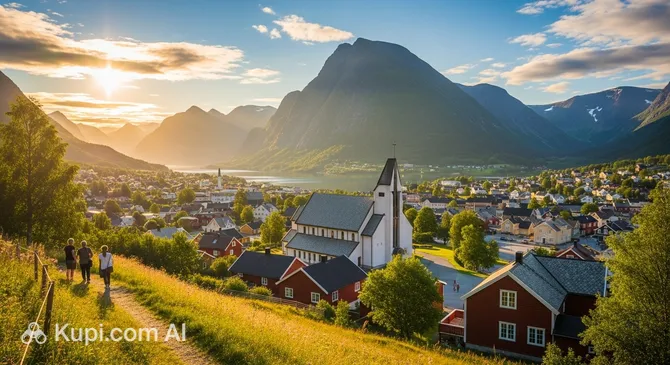
  • Slate architecture. The distinctive look of many local buildings, including the church, is provided by a special building material—grey slate. It is quarried locally, and thanks to its durability and texture, it perfectly blends the buildings into the rugged mountain landscape.

Dombås Hotel. Illustration.
Source: Kupi.com AI

Traveler photos:

How to Get There

Dombås occupies a strategically important position in the central part of the country, serving as a key crossroads between Oslo, Trondheim, and the western fjords. Thanks to this, you can reach the town in various ways while enjoying picturesque views along the way. You can read more about how to get to Dombås and plan your ideal route on a dedicated page of our guide.

Dombås itself does not have its own airport, so travelers must use the air hubs of neighboring regions. One of the most convenient options is Molde Airport, Årø (MOL), located in the city of Molde. The distance to Dombås is about 122 km. A journey by car or bus through picturesque valleys will take approximately 3 hours and 20 minutes.

Another available option is Kristiansund Airport, Kvernberget (KSU), which is located in the city of Kristiansund, about 133 km from your destination. This is a regional hub that accepts domestic flights. The journey from here to Dombås by taxi or rental car takes about 3 hours and 40 minutes.

For convenience, here is a summary of the main airports:

AirportPassenger trafficDistance
Molde Airport, Årø481 406122 km
Roros Airport21 575128 km
Kristiansund Airport, Kvernberget278 854133 km
Sogndal Airport91 145148 km
Hovden Airport111 278160 km

The railway is one of the most popular and beautiful ways to get to Dombås, as it is a station on the famous Dovre Line. Most often, tourists arrive at Oslo Central Station (XZO) in Norway's capital, Oslo. Although the station is 234 km from Dombås, it is from here that comfortable direct trains depart, bringing you straight to the mountains in a few hours.

If you are traveling from the north, the key point is Trondheim S Station (XZT) in the city of Trondheim. It is closer—approximately 179 km away. The train journey from Trondheim to Dombås passes through high-mountain plateaus and is considered a tourist adventure in its own right.

Below is information on major railway hubs that are convenient for planning your route:

StationPassenger trafficDistance
Trondheim S Station1.5 mln179 km
Oslo Central Station54.8 mln234 km
Nationaltheatret Station14.6 mln257 km
Bergen Railway Station2.2 mln289 km

Main Attractions

Despite its modest size, Dombås offers travelers a unique combination of natural wonders and the cozy atmosphere of a mountain settlement. The main attractions here are concentrated around the majestic mountains and the infrastructure that has served travelers for centuries. Here are the places you should definitely visit during your stay.

The undisputed crown jewel of the region is Dovrefjell National Park. This place holds an almost mystical appeal thanks to its harsh landscapes and unique fauna. Tourists from all over the world come here for the "musk ox safari"—organized hikes that allow you to see these animals in their natural habitat. Additionally, the park offers numerous hiking trails leading to peaks that provide breathtaking panoramas.

For those who appreciate modern architecture in harmony with nature, the Viewpoint Snøhetta is a must-see. This pavilion, made of wood and glass, has been recognized as one of the best architectural projects in the world. Its smooth, undulating forms resemble rocks shaped by the wind, and its panoramic windows offer the best view of Mount Snøhetta. You can reach it via a convenient trail, making the walk accessible for the whole family.

Dombås Center. Illustration.
Source: Kupi.com AI

Traveler photos:

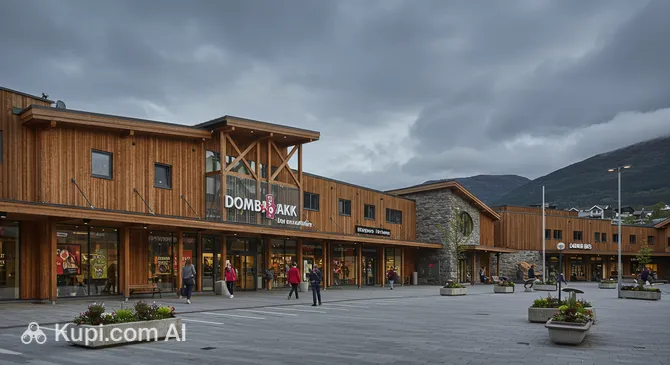
The center of social life in the village is the Dombås Shopping Center. This is not just a store, but an important meeting place for locals and tourists alike. Here, you can restock provisions before a long mountain hike, purchase high-quality warm clothing, or find original Norwegian souvenirs. Its convenient location in the center makes it an excellent spot for rest and shopping between active adventures.

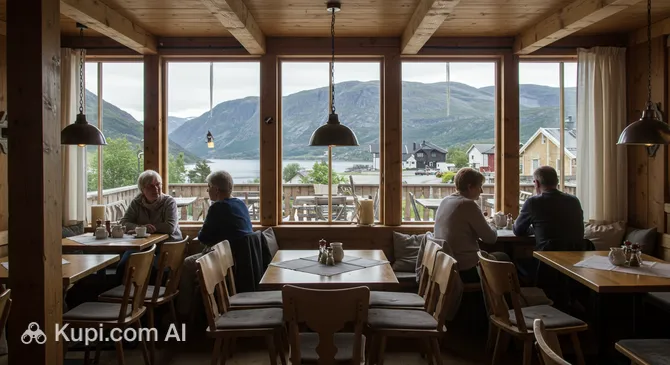
The historic Dombås Hotel deserves special attention. The building, with its rich history, is famous for its architecture and traditional hospitality. Even if you don't plan on staying there, it's worth stopping by the local restaurant to try authentic dishes from the Innlandet region. The atmosphere of antiquity and comfort allows you to feel the spirit of real Norway as it was many decades ago.

Dombås Hotel. Illustration.
Source: Kupi.com AI

Traveler photos:

It is also worth visiting Dombås Church (Dombås kirke), built from local slate in 1939. This natural material gives the building a characteristic grey hue that fits perfectly into the rugged mountain landscape. The interior is decorated with works by local craftsmen, making it an interesting monument of culture and art available for quiet contemplation.

Local Cuisine

The cuisine of Dombås is a reflection of the harsh yet generous nature of the Innlandet region. You won't find elaborate molecular gastronomy experiments here; the region's culinary focus is on the exceptional freshness of local products, heartiness, and fidelity to centuries-old traditions. The food here is primarily designed to warm the traveler and restore strength after a long journey or an active mountain hike.

Since the town is surrounded by wild forests and national parks, game dishes take pride of place on the menu. Be sure to try elk (moose) or reindeer. This could be a tender stew (finnbiff), simmered with juniper berries and wild mushrooms, or juicy elk cakes (elgkarbonader), traditionally served with boiled potatoes, a thick cream sauce, and sweet lingonberry jam for a contrast of flavors.

You can't visit the heart of Norway without trying rømmegrøt—a thick, velvety porridge made from high-fat sour cream. It is usually drizzled with melted butter and generously sprinkled with sugar and cinnamon. This dish is considered a true classic for tourists stopping along the way. For dessert or a light snack, heart-shaped Norwegian waffles with a slice of the famous brunost (brown cheese), which has a caramel-like flavor, are perfect.

As for drinks, locals prefer strong black coffee, which is drunk here at any time of day. If you want to warm up with something stronger, look for aquavit—a traditional Scandinavian spirit based on potatoes and infused with caraway and other herbs; it helps with the digestion of fatty meat dishes. Among non-alcoholic options, natural juices and nectars made from mountain berries like cloudberries, blueberries, or lingonberries are popular.

The food culture in the town is closely linked to its status as a transport hub. Cozy roadside cafes (kro) and hotel restaurants, where a calm, homey atmosphere prevails, are popular. An excellent place to get acquainted with local cuisine is the restaurant at the Dombås Hotel. This establishment is famous for using seasonal ingredients sourced by local farmers and hunters, allowing guests to experience the authentic taste of the region.

Travel Tips

Dombås is a place where nature dictates the rules, and the weather can change several times a day. To ensure your trip to this high-mountain region is as comfortable as possible and free of surprises, we have prepared a list of important practical recommendations.

  1. Clothing and Gear. The main principle here is layering. Even in summer, piercing winds blow in the Dovrefjell mountains, so a windproof membrane jacket is a must. For winter visits, and especially for a "musk ox safari," bring wool thermal underwear and a down jacket. Footwear should be comfortable, waterproof, and have good tread for walking on rocks and snow.

  2. Transport. The village itself is very compact, and it's easy to get around the center (from the station to shops and hotels) on foot. Public transport consists of buses and trains connecting Dombås with major cities. Taxi apps like Uber do not exist here; you need to call a car by phone or arrange one at the hotel reception. For trips to remote natural spots, it's best to rent a car.

  3. Finance. Norway is a country where cashless payment is almost universal. Cards (Visa, Mastercard) are accepted everywhere: in supermarkets, trains, and souvenir shops. Cash kroner might be needed only in exceptional cases, but there is an ATM in the village center. Keep in mind that prices in Norway are high, so plan your budget with a buffer.

  4. Health and Safety. Dombås is a safe place, but the harsh nature demands respect. The pharmacy (Vitusapotek) is in the center, but it is not open 24/7 and is closed on Sundays, so it's best to have a basic first-aid kit with you. You can safely drink tap water—it is pure and delicious here.

  5. Communication and Language. Locals speak English perfectly, so there will be no communication problems. For mobile internet, you can buy a prepaid SIM card (e.g., Telenor or Telia) at convenience stores (kiosk) or supermarkets. Free Wi-Fi is available in hotels, cafes, on trains, and at the station.

  6. Local Etiquette. Norwegians value personal space and silence, so loud conversations in public places are not encouraged. However, on mountain trails, a special "tourist rule" applies: it's customary to say hello and smile when meeting other travelers, even if you don't know them.

  7. What to Avoid. In winter, never walk on groomed ski trails—this is considered a serious breach of etiquette and ruins the tracks. It is also critically important to maintain a distance from musk oxen: approaching them closer than 200 meters is life-threatening.

  8. Shop Hours. Remember that in Norway, most grocery supermarkets are closed on Sundays. If you plan to arrive on a weekend, buy groceries in advance or look for small shops at petrol stations ("Bensinstasjon"), which are open every day, though prices there are higher.

By following these simple tips, you can avoid everyday inconveniences and fully focus on why you should go to Dombås—the majestic silence of the mountains and the unique atmosphere of Norwegian coziness. Have a great trip!

Entertainment & Nightlife

When it comes to nightlife in Dombås, it's important to set the right expectations. This isn't a bustling metropolis with neon signs and clubs dancing until dawn; it's a cozy mountain village where evening leisure is permeated with an atmosphere of tranquility and Norwegian "hygge." Entertainment here is intimate: long dinners by the fireplace, tasting local drinks, and lively conversations with fellow travelers after an active day in the mountains.

The evening hub for tourists and locals is the area around the railway station and the main square. This is where the core infrastructure is concentrated. The main venue for spending an evening is the Dombås Hotel. Its restaurant and bar serve as the primary social club of the area. People come here not only for dinner but also to enjoy a glass of aquavit or local beer in a relaxed setting. The traditional interior and the crackling of logs in the fireplace create the perfect conditions for relaxation.

If you prefer a more private evening, for example, in a rented cottage or apartment, it's wise to plan your "provisions" in advance. The Dombås Shopping Center can help with this. Although it is a daytime venue, it houses supermarkets where you can buy everything needed for a self-catered dinner: from fresh produce to light snacks. Note that alcohol sales in Norway are strictly regulated by time, so it's best to stop for wine or beer before 6:00 PM on weekdays or even earlier on Saturdays.

The atmosphere in Dombås' evening venues is very casual. There is no strict dress code: you'll feel comfortable in the hotel bar in jeans and a sweater or tidy trekking gear. The crowd is diverse—from skiers and hikers from all over Europe to locals discussing the latest news. The average price for an evening cocktail or a glass of wine is around 100–120 Norwegian kroner, which is standard for the country.

In terms of safety, Dombås is one of the most peaceful places on the planet. You can safely walk through the village at any time of day. Street lighting works well, and crime is practically non-existent. Since distances here are small, you're unlikely to need a taxi—you can walk from any restaurant to your accommodation in 5–15 minutes, enjoying the silence and the starry sky, which seems especially close in the mountains.

As for daytime entertainment that transitions into the evening, the choices are also dictated by nature. In summer, late walks along easy routes around the village are popular while the sun stays up. In the town itself, there is a cinema (usually located in the local culture house), which shows films in their original language with Norwegian subtitles. This is a great way to spend an evening if the weather isn't suitable for walking.

Parks & Museums

Dombås can hardly be called a city of classic urban parks with manicured lawns and fountains. Here, nature itself acts as a grand park that begins literally at every doorstep. However, for those seeking cultural enrichment and organized outdoor recreation, the region offers several iconic spots that combine history, architecture, and the wild beauty of Norway.

The main green area and natural treasure of the region is Dovrefjell-Sunndalsfjella National Park. This is a vast territory where a unique tundra ecosystem is preserved. For tourists, marked trails have been laid out, allowing you to safely explore the world of mosses, lichens, and mountain flowers. The route to the viewpoint on Mount Tverrfjellet is particularly popular. This spot is perfect for contemplative rest: you can spend hours watching the play of light on the mountain peaks and, if you're lucky, see herds of wild reindeer in the distance.

Flora enthusiasts should take note of the small but picturesque alpine gardens often found on the grounds of local tourist complexes. Here, in harsh climatic conditions, enthusiasts grow rare species of high-mountain plants. A walk along the banks of the Lågen River, which flows through the valley, also serves as an alternative to any city promenade—the sound of the water and the view of the forested slopes create a peaceful atmosphere.

The cultural life of Dombås is closely intertwined with its history. An important site to visit is the Dombås War History Collection (Dombås Krigshistoriske Samling). The exhibition is dedicated to the dramatic events of April 1940, when fierce battles took place in these parts. The museum carefully preserves photographs, uniforms, and everyday items from that time, telling the story of courage and the strategic importance of Dombås as a transport hub. This place will be of interest to those who want to understand the region's past more deeply.

In terms of architecture, the previously mentioned Dombås Church stands out, but the nearby Lesja Open-Air Museum (Lesja Bygdemuseum), located in the neighboring municipality of Lesja, is no less interesting. Although it is a short drive or train ride away, it is often included in the cultural program of a visit. It is a complex of traditional wooden buildings from the 18th and 19th centuries, where you can see how Norwegian farmers lived in the old days, peek into ancient barns, and learn about the crafts of the Gudbrandsdal valley.

Insider Tip: If you want to combine art and nature, head to the Viewpoint Snøhetta pavilion. It is not just a shelter from the wind, but a true masterpiece of modern architecture and a unique gallery where the living landscape outside the glass serves as the main canvas. Educational lectures from the Norwegian Wild Reindeer Centre staff are often held inside, making the visit informative for the whole family.

Getting Around

Given the compact size of Dombås and its population of only about 2,300, a classic urban public transport system typical of large cities is absent. There is no metro, trams, or trolleybuses, and shuttles do not run through the streets. Dombås is a case where most locations, including shops, hotels, and attractions, are within walking distance of each other. A walk from the railway station to the main square takes no more than 5–10 minutes.

The heart of the transport system is the railway station (Dombås stasjon), which serves as the main interchange hub. Long-distance trains connecting the region with major cities stop here, and the scenic Rauma Line begins its journey. For tourists, this is the primary way of arriving and departing. The station is equipped with all necessities: a waiting room, luggage lockers, and toilets, which is very convenient for those making a connection here.

Bus service in Dombås is focused on regional and intercity travel. Local routes are operated by the company Innlandstrafikk. Buses run strictly according to a schedule, which may change depending on the day of the week (there are significantly fewer trips on weekends). The bus stop is located right next to the railway station, forming a single transport terminal. This allows for easy transfers from the train to a bus heading deep into the valleys or to the national parks.

The fare payment system in the region is fully digital and cashless. The most convenient way to buy tickets and plan a route is by using the Entur mobile app (the national planner) or the Vy railway operator app. You can buy tickets for both trains and buses in them. There are also ticket machines at the station. If you board a bus without a ticket, you can pay the driver by credit card, but this often costs more than buying through the app. Cash is practically not used.

Taxis in Dombås are provided by local services, and it's impossible to "hail" a car on the street. Apps like Uber or Bolt do not work. A car must be ordered in advance by calling the local dispatch service (Dombås Taxi). Trips are quite expensive, so taxis are usually only used for transfers with heavy luggage to remote cottages or in emergencies.

In the summer, bicycles become a popular alternative. Dombås is an important point on the "Tour de Dovre" cycling route, so rentals are well-developed. You can rent either a standard mountain bike or an e-bike for trips around the area. Rental points often operate at major hotels or sports shops in the village center. This is a great way to reach viewpoints where buses do not run.

For those planning to actively explore the surroundings and national parks, renting a car is the optimal solution. Although the choice of rental agencies in the village itself is limited, a car can be ordered in advance to be delivered to the railway station. This provides freedom of movement independent of the schedules of infrequent regional buses and allows you to reach the most secluded corners of nature.

Accommodation

The choice of accommodation in Dombås perfectly reflects its character as a cozy mountain settlement and an important transport hub. You won't find massive chain skyscrapers or pretentious luxury resorts here. The hotel stock consists mainly of traditional mid-range hotels, family guesthouses, and numerous campsites. The latter are particularly popular in Norway: tourists can stay in their own tents and motorhomes or rent wooden cabins— "hytter," which range from spartan structures to comfortable cottages with amenities.

Geographically, accommodation zones can be divided into two parts. The central district (around the railway station and the intersection of the E6 and E136 roads) is ideal for those traveling by public transport or planning only a short overnight stop. Everything is within walking distance: shops, cafes, and transport. The second zone consists of the outskirts and mountain slopes, where campsites and motels are located. This option is preferable for car travelers looking for peace, beautiful valley views, and direct proximity to hiking trails.

The flagship of local hospitality is the historic Dombås Hotel. This establishment, with long-standing traditions, is located in the very heart of the village. It offers classic hotel service, delicious breakfasts, and the atmosphere of good old Norway, making it an excellent choice for those who value comfort after a long journey or an active day in the mountains.

When planning your trip, it's important to consider seasonality. In summer (especially in July) and during winter holidays (Easter, February), the demand for accommodation rises sharply, as Dombås serves as a base for many skiers and hikers. Therefore, it is highly recommended to book your accommodation in advance—at least a couple of months before your visit. Trying to find a room on the day of arrival during peak season can result in disappointment.

The price range here corresponds to the general Norwegian level—that is, higher than the European average. A simple overnight stay in a campsite or hostel will cost a "budget" amount (by local standards), while a night in a hotel with breakfast will be more expensive. Booking is available through all major international online platforms, but many campsites also take bookings directly through their websites or by email.

Nearby Cities

For those looking to explore the surroundings, Dombås serves as an excellent starting point for day trips to several interesting nearby locations. Thanks to its central position, it's convenient to reach both the Olympic sites in the south and the picturesque coast to the west.

One of the most popular destinations is Lillehammer, known worldwide as the host of the 1994 Winter Olympics. Here, you can visit the famous Maihaugen open-air museum and stroll along the charming Storgata pedestrian street with its wooden houses. Lovers of maritime scenery should head to Molde—the "City of Roses," which offers a fantastic panorama of 222 mountain peaks. Also interesting is Kristiansund, located on islands and famous for its unique post-war architecture and tradition of preparing dried cod.

CityPopulationDistance
Hjerkinn23027 km
Otta2 30040 km
Vinstra2 74463 km
Oppdal7 00065 km
Alvdal2 60079 km

These nearby destinations provide insight into the diverse culture and landscapes of the region, making your trip through Norway even more enriching and memorable.

Shopping & Souvenirs

General Overview

Shopping in Dombås is more practical and souvenir-oriented than recreational. You won't find high-fashion boutiques or huge outlets here, but the town offers excellent opportunities to purchase high-quality outdoor gear and authentic Norwegian goods. The range in local shops fully reflects the needs of travelers heading into the mountains or making a stop on their way to the fjords.

Main Shopping Areas

Due to the compact nature of the settlement, all commercial life is concentrated in the so-called Sentrum—the central part of the town located at the intersection of the main E6 and E136 highways, near the railway station. Here, within walking distance of each other, are supermarkets, sports shops, and souvenir stalls. Tourists won't have to spend much time moving around: everything you need can be found within a few hundred meters.

Shopping Centers

The main attraction for shoppers is the Dombås Shopping Center (Dombås Senter). This is a modern complex that satisfies almost all the needs of locals and tourists. Under one roof, you'll find grocery supermarkets, a pharmacy, a state monopoly liquor store (Vinmonopolet), as well as clothing and home goods departments. Special attention should be paid to the sports shop, which offers a wide selection of merino wool clothing and hiking equipment, which is highly relevant for the region's changeable weather.

Markets

There are no classic permanent open-air markets in Dombås. However, during the summer season, tents from local farmers and craftsmen sometimes appear in the square in front of the shopping center. Here you might find fresh strawberries, homemade pastries, or handmade crafts. For buying farm products at other times of the year, it's best to check the specialized departments of supermarkets, where shelves are often dedicated to local producers (Lokalmat).

Souvenirs

Dombås is famous for its attachment to folklore, so the most popular souvenir from here is troll figurines. Local souvenir shops offer a huge selection of these fairytale characters in all shapes and sizes. Additionally, it's worth bringing back:

  • Traditional Norwegian sweaters with the "Marius" pattern;
  • Sheep wool products (socks, mittens, blankets);
  • The famous brunost (brown cheese);
  • Cloudberry or lingonberry jam;
  • Knives with reindeer horn handles.

Opening Hours and Payment

Most shops in the shopping center operate from 10:00 AM to 6:00 PM (sometimes longer on Fridays) and close earlier on Saturdays, around 4:00 PM. Grocery supermarkets are usually open until 9:00 PM–11:00 PM on weekdays. It's important to remember that on Sundays, most shops, including large supermarkets, are closed. The only exceptions are small convenience stores (Brustadbu) or shops at petrol stations.

Payment is predominantly made by bank cards (Visa, Mastercard) everywhere. Cash is accepted, but contactless payment is the standard even for small souvenir purchases.

Tax Free

Norway is not part of the EU but maintains a Tax Free refund system for tourists. If you see a "Global Blue" or "Planet" logo in a shop window, you can request a VAT refund form for purchases over a certain minimum (usually around 315 NOK for regular goods). Don't forget to ask for a Tax Refund Cheque at the checkout and present it along with your unopened purchases when leaving the country.
Reached the end of the page?

That means the route is fully explored